The AI Revolution Unveiled: Top AI News Headlines Shaking Up 2025
February 20, 2025 | By [NeondoodleAI]
Artificial Intelligence (AI) isn’t just shaping the future—it’s rewriting it in real time. As of February 20, 2025, the AI landscape is buzzing with breakthroughs that promise to redefine industries, spark ethical debates, and push the boundaries of what machines can achieve. From Google’s biomedical leaps to Elon Musk’s xAI unveiling Grok 3, the latest AI news headlines are a rollercoaster of innovation and intrigue. Buckle up as we dive into the top AI stories dominating 2025—and what they mean for you.
1. Google’s AI Co-Scientist: A Game-Changer in Drug Discovery
Imagine an AI that doesn’t just assist scientists but works alongside them as a partner. Google’s latest unveiling—a so-called “AI co-scientist”—is doing just that. Launched this week, this cutting-edge system is already making waves in drug discovery, accelerating research that could lead to life-saving treatments. By analyzing complex biological data at unprecedented speeds, Google’s AI is slashing the time it takes to identify promising drug candidates.
Why does this matter? The pharmaceutical industry has long grappled with slow, costly development cycles. With this AI co-scientist, we’re looking at a future where diseases like cancer or Alzheimer’s might meet their match faster than ever. For businesses and investors, this signals a seismic shift in healthcare innovation—ripe with opportunity.
Takeaway: Google’s AI co-scientist isn’t just a tool; it’s a glimpse into a world where human-AI collaboration could solve humanity’s toughest challenges.
Elon Musk doesn’t do small—and his xAI team’s latest creation, Grok 3, proves it. Debuting this week with a live demo, Grok 3 is being hailed as a contender to dethrone OpenAI’s ChatGPT and China’s DeepSeek. Packed with advanced reasoning capabilities and powered by a massive 200,000-GPU cluster, Grok 3 promises to deliver smarter, faster answers to complex questions.
Available now to X Premium Plus subscribers (and soon via a standalone “SuperGrok” subscription), Grok 3 isn’t just about chat—it’s about revolutionizing how we interact with AI. From its “DeepSearch” feature to its ability to tackle math, science, and coding challenges, this model is Musk’s latest step toward artificial general intelligence (AGI).
Why It’s Big: If Grok 3 lives up to the hype, it could shift the balance of power in the AI chatbot race. For users, it’s a chance to experience next-level AI—assuming you’re willing to pay the premium.
3. Meta’s Brain-to-Text Tech: Mind-Reading AI or Privacy Nightmare?
Meta’s stepping into sci-fi territory with its brain-to-text AI, a system that translates thoughts into written words. Unveiled this month, this technology aims to bridge communication gaps for those with speech impairments—but it’s also igniting fierce ethical debates. How secure is your mind when AI can peek inside?
The implications are staggering. Imagine typing a blog post like this one just by thinking it—or hackers tapping into your unspoken secrets. Meta insists the tech is opt-in and privacy-focused, but skeptics aren’t convinced. As this innovation unfolds, expect regulators and ethicists to weigh in heavily.
What’s Next: This could redefine accessibility—or spark a privacy reckoning. Either way, it’s a headline you can’t ignore.
4. Adobe Firefly’s Text-to-Video Leap: Creativity Meets AI Power
Adobe’s Firefly is no longer just an image generator—it’s now a text-to-video powerhouse. Announced recently, this upgrade lets creators turn simple prompts into stunning video clips, seamlessly integrated into tools like Premiere Pro. Whether you’re a filmmaker, marketer, or hobbyist, Firefly’s AI is democratizing video production like never before.
Built on Adobe Stock and public domain data, Firefly’s outputs are “commercially safe,” dodging the copyright headaches plaguing other generative AI tools. It’s a direct shot at competitors like OpenAI’s Sora and Meta’s Movie Gen, intensifying the race for creative AI dominance.
Why You Should Care: For content creators, this is a game-changer—faster workflows, lower costs, and endless possibilities. Ready to create your own AI-powered masterpiece? Share your thoughts in the comments below!
5. AGI Stalls: Why Scaling Alone Won’t Cut It
Here’s a reality check: artificial general intelligence—AI that thinks like a human—might be further off than we thought. Experts are buzzing about a new report suggesting that simply throwing more computing power at models (think bigger GPUs, more data) isn’t delivering AGI. Instead, the focus is shifting to smarter architectures and novel approaches.
This pivot could slow the hype train but accelerate true innovation. Companies like xAI and OpenAI are already rethinking their strategies, hinting at a more deliberate path to AGI. For now, the dream of a fully sentient AI remains elusive—but the journey’s heating up.
Big Picture: This shift challenges the “bigger is better” mindset, pushing the industry toward creativity over brute force. Stay tuned for what’s next!
What These Headlines Mean for You
The AI news of February 2025 isn’t just tech chatter—it’s a roadmap to the future. For businesses, Google’s co-scientist and Adobe’s Firefly signal massive opportunities in healthcare and creative industries. For consumers, Grok 3 and Meta’s brain-to-text tech offer tantalizing possibilities—and thorny questions. And for the dreamers, the AGI debate reminds us that the biggest breakthroughs are still ahead.
So, where do you fit in? Whether you’re a tech enthusiast, a professional eyeing AI tools, or just curious about the future, these developments are reshaping your world. Don’t get left behind—join the conversation and harness the power of AI today.
Your Next Step: Subscribe now for weekly AI insights, tips, and trends to keep you ahead of the curve. Let’s navigate this revolution together!
The Future Is Now: Final Thoughts
From drug discovery to mind-reading AI, 2025 is proving to be a pivotal year for artificial intelligence. Google, xAI, Meta, and Adobe are pushing boundaries, while the quest for AGI keeps us guessing. These headlines aren’t just stories—they’re signals of a world in transformation.
What’s your take? Are you excited about Grok 3’s potential, wary of Meta’s brain tech, or inspired by Adobe’s creative leap? Drop your thoughts below and let’s spark a discussion. The AI revolution is here—let’s make the most of it!
The world of AI image generation is growing fast. These tools make amazing visuals, changing how we design, market, and create content. With just a few steps, anyone can bring their ideas to life. Choosing between free and paid AI image generators can be tough.
Each has its good and bad sides. This article will help you understand the differences. We’ll guide you in picking the best tool for your needs.
Understanding Free AI Image Generators
Free AI image generators are a good starting point. But, they have some limits:
Limited daily usage: Many platforms limit how many images you can make each day. Some allow only 20-25 images daily
Inconsistent quality: The quality of images can vary. Some may lack detail or realism
Lack of advanced features: Free versions often have fewer customization options and no advanced editing tools
Inaccuracies and biases: AI images might have historical errors or show biases from their training data.
Difficulty with text and symbols: Many AI generators struggle to show letters, words, and symbols right. They often produce gibberish or distorted text
Ethical and legal concerns: There are debates about who owns and can use AI-generated images.
Longer rendering times: Some free platforms, like Craiyon, take longer to make images than paid ones
Ad-supported interfaces: Free versions often have ads, which can be distracting
Limited control: Users might find it hard to get the exact image they want, even with detailed prompts
Potential threat to human artists: AI image generation could hurt the jobs of professional artists
Custom Icons & UI Design – Generate unique icons for apps or web design.
Product Visualization – Prototype product designs without hiring a designer.
Virtual Backgrounds – Create personalized Zoom or streaming backgrounds.
AI-Generated Headshots & Avatars – Create digital avatars for branding, gaming, or profile pictures.
Education & Learning
Illustrations for Courses – Create visuals for online courses and educational materials.
AI-Assisted Diagram & Mind Maps – Make visual aids for complex concepts.
Interactive Learning Materials – Use AI-generated images for educational worksheets and games.
Custom Flashcards – Make visually engaging flashcards for studying.
Storybook & Children’s Book Art – Generate illustrations for personal or commercial book projects.
Would you like recommendations for specific free AI image generators that fit your needs? 🚀
Exploring the Advantages of Paid AI Image Generators
Advantages of Paid AI Image Generators
Paid AI image generators offer better quality and customization. They are more professional than free versions. Here’s why you might want to pay for one:
1. Higher Image Quality & Resolution
HD & 4K Resolution – Get high-resolution images for printing, digital art, and design.
Sharper Details & Better Textures – Say goodbye to pixelation and blurry edges. Get more accurate images.
2. More Customization & Control
Advanced Prompt Controls – Fine-tune image styles and details with more control.
Inpainting & Editing Features – Modify images directly, adding or removing elements.
Style Consistency – Keep a consistent look in all your images, important for branding.
3. Access to Premium AI Models & Features
More AI Styles & Models – Unlock exclusive styles like hyper-realistic and anime.
Text-to-Image + Image-to-Image – Use reference images for better results or tweak existing ones.
Fine-tuned AI Training – Some platforms let you train models based on your art preferences.
4. Faster Generation & Bulk Processing
Priority Processing – Get images faster without waiting in long queues.
Bulk Generation – Create many images at once for projects needing bulk designs.
Cloud Storage & History – Save and access your images anytime.
5. Commercial Usage & Licensing
Royalty-Free & Commercial Rights – Use AI images in your business legally.
Extended Licensing Options – Own the rights to sell or modify images without copyright worries.
Exclusive & Unique Outputs – Avoid duplicated images used by others.
6. Better Integration & Export Options
Multiple File Formats – Export in PNG, JPG, SVG, and PSD for editing.
API Access & Automation – Integrate AI image generation into apps, websites, or design workflows.
Seamless Integration with Design Tools – Some platforms allow direct import/export to Photoshop, Canva, or Figma.
Is It Worth Paying for AI Image Generators?
If you’re serious about print-on-demand, content creation, branding, or professional design, paid AI image tools are worth it. They save time, increase quality, and offer full commercial rights.
Would you like recommendations on the best paid AI image generators based on your specific use case?
Cost Comparison: Analyzing Pricing Models of Different AI Image Generators
Understanding pricing helps you choose the best option:
When looking at paid AI image generators, consider their pricing models, features, and if they fit your needs. Here’s a comparison of some leading platforms:
1. Midjourney
Pricing:
Basic Plan: $10/month or $96/year, includes 3.3 hours of GPU time per month (approximately 200 images).
Standard Plan: $30/month.
Pro Plan: $60/month.
Mega Plan: $120/month.
Features:
High-resolution image generation.
Advanced prompt controls.
Community showcase.
Considerations:
Operates via Discord, which may have a learning curve.
Images are public by default; private generations require higher-tier plans. citeturn0search3
2. Adobe Firefly
Pricing:
Free Plan: Includes 100 monthly generative credits.
Paid Plans: Start at $4.99/month.
Features:
Integration with Adobe Creative Suite.
Advanced editing tools.
Unique features like camera angle adjustments.
Considerations:
Ideal for users already within the Adobe ecosystem.
Offers a user-friendly interface with a variety of styles. citeturn0search0
3. DreamStudio (Stable Diffusion)
Pricing:
Free Credits: 100 credits upon signup (sufficient for approximately 500 images).
Additional Credits: Purchase as needed.
Features:
Multiple image generation per prompt.
Style customization.
High-resolution outputs.
Considerations:
Requires account creation.
Offers flexibility with pay-as-you-go credits. citeturn0search0
4. Ideogram
Pricing:
Free Plan: Limited to 10 daily credits.
Plus Plan: $20/month, includes priority generation and up to 4,000 images monthly.
Features:
Specializes in text manipulation within images.
Offers various image styles.
Considerations:
Free plan has longer loading times.
Paid plan provides enhanced features and faster processing. citeturn0search4
5. Canva
Pricing:
Free Plan: Includes 50 AI image generation credits and 5GB of cloud storage.
Pro Plan: $12.99/month or $119.99/year, offers unlimited access to premium features.
Features:
User-friendly design platform with integrated AI image generation.
Extensive template library.
Collaboration tools.
Considerations:
Ideal for social media graphics and marketing materials.
AI-generated images may have limitations in realism. citeturn0search6
6. DeepSeek’s Janus Pro
Pricing:
Competitive Pricing: Aims to offer access at significantly lower costs than competitors.
Features:
Advanced multimodal AI capabilities.
Claims superior performance to OpenAI’s DALL-E 3.
Considerations:
Emerging platform with growing recognition.
May offer cost-effective solutions for high-quality image generation. citeturn0news9
When picking an AI image generator, think about what you need. Consider your budget, desired features, and how often you’ll use it. Many offer free trials or credits to test before you buy.
Tips for Finding the Best Value in Paid AI Image Generators
Finding the best value in an AI image generator is about matching your needs and budget. Here are some tips to help you spend wisely:
1. Define Your Needs First
Before you pay, ask yourself a few questions: What kind of images do you need? (e.g., photorealistic, artistic, anime, concept art, logos) How often will you use it? (Daily, weekly, occasionally?) What’s your main purpose? (Print-on-demand, marketing, content creation, social media, etc.) Do you need commercial rights? (Some free tools limit how images can be used.)
2. Compare Pricing Plans Carefully
Look for “freemium” models – Many platforms offer free trials or limited free credits. Test them first! Check for bulk discounts – Some services offer better pricing if you pay annually instead of monthly. Watch for hidden costs – Some platforms charge extra for HD images, private generations, or API access.
Best budget-friendly plans:
Canva Pro ($12.99/month) – Great for social media & marketing.
DreamStudio (Stable Diffusion Pay-as-You-Go) – Flexible pricing based on use.
Best for frequent users:
Midjourney Standard Plan ($30/month) – Ideal for content creators & designers.
Adobe Firefly ($4.99/month) – Good for integration with Photoshop & Illustrator.
3. Prioritize Image Quality & Customization
Not all AI generators are the same! Some offer better detail, textures, and lighting effects than others. Look for tools with advanced prompt customization. Test resolution limits – Some platforms cap image size unless you upgrade. Check consistency in multi-image generations – Essential for branding & storytelling.
Best for High-Quality Images:
Midjourney (Best for artistic realism & high detail)
Stable Diffusion (Customizable with fine-tuning & ControlNet options)
Some AI image generators slow down when demand is high, or they queue free users behind premium ones. Look for “priority generation” in premium plans if speed matters to you. Test batch processing if you need multiple images at once.
Fastest AI Image Generators:
DreamStudio (Stable Diffusion) – Generates images quickly with paid credits.
DALL·E 3 via ChatGPT Plus – Faster than free versions, but output may be limited.
5. Make Sure It Includes Commercial & Licensing Rights
If you sell AI designs, like for print-on-demand or branding, you need full rights. Always check the Terms of Service (TOS) before using AI art for business. Stay away from platforms that keep part of your work.
Best for Commercial Use:
Midjourney Pro Plan ($60/month) – Private generations + full commercial rights.
Adobe Firefly ($4.99/month) – Royalty-free images for business.
Canva Pro ($12.99/month) – Unlimited AI image use for marketing & branding.
6. Consider Integration & Export Options
If you use Photoshop or Canva, find an AI generator that works well with them. Make sure it supports file formats like JPG, PNG, and PSD. Look for API access for automating your workflow.
Best for Integration:
Adobe Firefly – Direct integration with Photoshop & Illustrator.
Canva AI Image Generator – Works within Canva’s design suite.
DALL·E 3 – Can be used via ChatGPT for quick integrations.
7. Look for Community & Support
Join Discord servers or forums, like Midjourney’s community, to learn from others. Make sure customer support is quick to help if you need it.
Best AI Communities for Learning & Support:
Midjourney Discord – Active, with tons of prompt ideas.
Stable Diffusion Reddit & GitHub – Great for tech enthusiasts.
Canva Help Center – Strong customer support for designers.
Final Verdict: How to Get the Best Bang for Your Buck
For casual users – Try free plans first (DreamStudio, Canva AI, or Firefly). For designers & business owners – Midjourney ($30/month) or Adobe Firefly ($4.99/month) are the best options. For AI enthusiasts & power users – Use Stable Diffusion (pay-per-use) or Midjourney Pro ($60/month) for unlimited private generations.
Would you like recommendations based on your specific budget or use case?
Key Features to Consider When Choosing an AI Image Generator
Choosing the right AI image generator depends on your specific needs, whether you’re creating art, enhancing photos, or generating visuals for professional projects. Here are the **key features to consider** when evaluating AI image generators:
1. Output Quality
Resolution: Can the tool generate high-resolution images suitable for printing or professional use?
Detail and Realism: Does the output look realistic or artistic, depending on your needs?
Consistency: Are the results consistent with your input prompts or edits?
2. Ease of Use
User Interface: Is the platform intuitive and easy to navigate?
Prompt Understanding: How well does the AI interpret text prompts or editing instructions?
Customization Options: Can you adjust settings like style, color, or composition?
3. Speed and Performance
Processing Time: How quickly does the tool generate images?
Scalability: Can it handle multiple requests or large-scale projects efficiently?
4. Cost and Pricing Model
Free Tier: Does the platform offer a free version or trial?
Subscription Plans: Are there affordable plans for regular users?
Pay-Per-Use: Does the platform charge per image or credit?
5. Supported Styles and Use Cases
Artistic Styles: Can it create images in various styles (e.g., photorealistic, abstract, anime)?
Niche Applications: Does it support specific use cases like portraits, landscapes, or logos?
Editing Features: Can you refine or edit generated images within the platform?
6. Integration and Compatibility
APIs**: Does the platform offer APIs for integration into other tools or workflows?
File Formats**: Does it support common formats like JPEG, PNG, or SVG?
Cross-Platform Use**: Is it accessible on desktop, mobile, or both?
7. Licensing and Ownership
Commercial Use: Are generated images free for commercial use, or do they require additional licensing?
Watermarks: Does the free version include watermarks on outputs?
Ownership Rights: Who owns the rights to the generated images?
8. Community and Support
Tutorials and Documentation: Are there guides or resources to help you get started?
Community Forums: Does the platform have an active user community for tips and troubleshooting?
Customer Support: Is there reliable support for technical issues?
9. Ethical and Safety Considerations
Bias and Fairness**: Does the AI produce diverse and unbiased outputs?
Content Moderation**: Are there safeguards against generating harmful or inappropriate content?
Transparency**: Does the platform disclose how it uses your data or prompts?
10. Innovation and Updates
Cutting-Edge Models: Does the platform use the latest AI models (e.g., DALL·E 3, Stable Diffusion)?
Regular Updates: Is the tool frequently updated with new features or improvements?
By evaluating these features, you can choose the AI image generator that best aligns with your goals. Whether you’re a hobbyist, professional, or business user. Let me know if you’d like recommendations based on specific use cases!
Conclusion: Making an Informed Decision
Understanding the differences between free and paid AI image generators is key. Think about your needs, budget, and what features are most important to you. Try out trials or free versions to see how they work. The future of AI image generation is exciting, and picking the right tool can help you lead in your creative projects.
Imagine boosting your productivity without the usual grind. Whether you’re a writer, marketer, or entrepreneur, the right AI tools can save hours of effort while taking work to the next level. In 2025, some standout tools for AI content creation and beyond are redefining how we work and create.
Here’s a list of the top 10 AI tools that deserve a spot in your workflow.
1. ChatGPT: Your All-in-One Writing Assistant
ChatGPT remains unbeatable for AI content creation in 2025. From summarizing long reports to generating blog posts, it handles a variety of tasks with ease. Think of it like having a writing partner who never runs out of ideas. Whether you’re drafting emails or brainstorming new content, it’s versatile enough to meet almost every need.
If you’ve ever felt overwhelmed by the technicalities of video editing, Runway ML can be your best friend. It lets you generate professional-quality videos from text prompts. For social media marketers or YouTubers, this is a game-changer, making it possible to create stunning visuals without the steep learning curve.
3. Syllaby: Perfect for Fast Content Planning
When it comes to social media marketing or blogging, Syllaby helps you craft content strategies in minutes. It analyzes trends and provides tailored suggestions, ensuring your posts are always relevant. Why spend hours planning when Syllaby can do it for you?
4. SurferSEO: Boost Your Website Rankings
For SEO-focused creators, SurferSEO bridges the gap between creativity and optimization. This tool ensures your content ranks by offering keyword suggestions and helping you maintain ideal word counts. Pair it with a tool like ChatGPT, and you’re unstoppable in AI content creation.
5. Synthesia: Revolutionizing Video Content
Need to produce a high-quality video but lack the expensive equipment? Synthesia creates videos with realistic AI avatars and voices. This is particularly handy for educational content or team presentations. With its ease of use, Synthesia keeps creators ahead in the video game.
6. Grammarly: Elevate Writing Quality
Grammarly isn’t just about fixing typos anymore. In 2025, its advanced AI capabilities help rewrite clunky sentences, making your writing sharp and professional. Useful for everything from casual emails to in-depth essays, Grammarly is still the go-to tool for refining content.
7. Vista Social: Complete Social Media Management
Managing multiple social media platforms can feel like juggling flaming swords. Vista Social makes it effortless by automating scheduling, engagement, and performance tracking. Keep your brand consistent and engage your audience without breaking a sweat.
8. Notion AI: A Power Boost for Project Planning
Notion AI supercharges the already popular project management platform. It can summarize meeting notes, suggest action items, or even generate creative ideas. With Notion AI, staying organized feels natural, not forced.
9. MidJourney: Designing Stunning Graphics
Graphic design is no longer restricted to professionals. Tools like MidJourney allow anyone to create jaw-dropping images. Whether you’re crafting social media posts or website banners, MidJourney makes designing intuitive and fun.
10. Reclaim AI: Smarter Scheduling
No more endless email threads trying to pick the best time for a call. Reclaim AI analyzes your calendar to find optimal slots, ensuring your time is used effectively. For busy professionals, this is the scheduler we all needed yesterday.
Why Do These Tools Matter?
AI tools aren’t just for tech enthusiasts—they’re for anyone who craves efficiency without sacrificing creativity. Whether you want to create standout content, organize your life, or explore new ways of engaging audiences, these tools have you covered.
In 2025, AI tools are going far beyond convenience—they’re empowering creators to work smarter. Each tool on this list stands out for its ability to simplify workflows and enhance outcomes, especially for those focused on AI content creation. Which of these tools will you try next?
Did you know that businesses using data-driven strategies have seen a 5-10% increase in their content performance? In today’s digital landscape, understanding how data and analytics shape your content strategy is crucial. Using insights from data can lead to better engagement, higher traffic, and ultimately, more conversions. This article will guide you through leveraging data and analytics to optimize your content creation and performance.
Understanding Your Audience Through Data
Website Analytics: Unveiling User Behavior
Google Analytics is a powerful tool that reveals how users interact with your website. Key data points like bounce rate, average time on page, and unique visitors help you track user behavior.
Bounce Rate: High rates may indicate content that doesn’t resonate with your audience.
Time on Page: Longer times suggest users find value in your content.
Set up Google Analytics effectively to monitor metrics important for your goals. This tracking will highlight where you can improve user experience.
Social Media Analytics: Tracking Content Reach and Engagement
Each social media platform offers unique analytics tools. For instance:
Facebook Insights shows post engagement.
Twitter Analytics provides insights on tweet impressions.
Measure how your content performs on these platforms. For example, a well-known brand might analyze their successful Twitter campaign with increased retweets and engagements. This data can inform your content strategy.
Keyword Research Tools: Identifying Content Opportunities
Tools like Ahrefs, SEMrush, and Google Keyword Planner are vital for keyword research. They help you discover content gaps and opportunities in your niche.
Long-Tail Keywords: Target specific queries for better results. For example, “best budget smartphones” is more targeted than just “smartphones.”
Utilize these tools to generate content ideas that will attract the right audience.
Conversion Rates: How many visitors complete desired actions?
Click-Through Rates (CTR): The percentage of people who click links in your content.
Shares: Indicates popularity and reach of the content.
Set realistic and measurable goals for tracking your content’s impact. “Content marketing is about more than just traffic; it’s about conversions.” – Content Marketing Institute.
A/B Testing: Optimizing for Better Results
A/B testing is essential for refining your content. Test:
Headlines to see which attracts more clicks.
Images for higher engagement.
Calls to Action (CTAs) for increased conversions.
For example, one successful A/B test could reveal that a specific headline performs significantly better than others. Always maintain a control group to gauge true performance.
Analyzing Content Performance Across Channels
Track how your content performs across platforms like your website, social media, and email newsletters. Gathering data from various sources offers a full view of your content’s effectiveness. According to research, businesses using multi-channel marketing see 300% higher ROI.
Content Optimization Based on Data Insights
Improving Content Based on User Behavior
User behavior data can lead to significant content revisions. For instance, if high bounce rates indicate users are leaving quickly, it’s time to refresh that content.
Regularly review content and adjust based on user feedback. This habit ensures your material remains relevant and engaging.
Refining Content Strategy with Data
Data insights can guide your content creation. Use past performance data to identify successful topics and formats. For instance, if videos are getting more views than blog posts, focus on video content.
“Adapting your content strategy based on data is crucial for long-term success.” – Industry Expert.
Leveraging Data for Content Promotion
Use insights to shape your content promotion strategies. Targeted content promotion can increase engagement.
For example, if analytics show a specific demographic engages with certain topics, tailor your promotions to reach that audience effectively.
Tools and Technologies for Data Analysis
Google Analytics: A Comprehensive Overview
Google Analytics offers features for tracking website traffic and user behavior. Key functionalities include:
Real-time data tracking.
Custom reports for specific metrics.
Utilize custom dashboards for quick insights tailored to your needs.
Social Media Analytics Platforms: Detailed Analysis Across Platforms
Many social sites provide specific analytics dashboards. Use them to integrate data for deeper insights. An example would be how a brand successfully combines Facebook and Instagram analytics to target audiences effectively.
Data Visualization Tools: Presenting Data Effectively
Tools like Tableau or Power BI help create visually appealing data representations.
Use clear charts and graphs to communicate insights.
Visuals make complex data accessible and understandable.
Presenting data effectively can drive better decisions.
Conclusion: Data-Driven Content for Sustainable Success
In summary, data and analytics are essential for optimizing content performance. Understanding your audience, measuring success, and refining strategies based on insights can lead to sustainable growth. Start analyzing your content data today and unlock its full potential!
Finding the right words to express love on Valentine’s Day can be tricky. But with the rise of artificial intelligence, crafting the perfect message just became a little easier. This article explores different AI writing tools and how they can help you create memorable Valentine’s Day messages.
The Valentine’s Day Messaging Challenge
Valentine’s Day is about showing affection. Many people struggle to find the perfect words to make their partners feel special. A generic message just won’t cut it, and writing from scratch can be time-consuming. AI can simplify this process by generating creative and personalized messages in an instant.
The Rise of AI in Romance
AI tools are transforming how we communicate. They offer various features to make personal messaging easier and more effective. These tools can create love poems, sweet notes, or romantic letters with a few clicks. As AI technology continues to develop, it holds even more promise for the future of romantic communication.
Setting the Stage: This Article’s Focus
This article will examine some of the top AI writing tools available for crafting Valentine’s Day messages. We will dive into their strengths, weaknesses, and usage tips. By the end, you’ll have a better idea of which tool might help you best express your feelings this Valentine’s Day.
Top AI Writing Tools for Valentine’s Day Messages
Jasper: Strengths and Weaknesses
Jasper is powerful. It generates high-quality content and understands context well. However, it can be pricey and may require extra tweaking for a personal touch.
Copy.ai: Features and Use Cases
Copy.ai is user-friendly and offers a wide range of templates. You can find Romantic messages, playful notes, or heartfelt confessions easily. Yet, the output can sometimes feel a bit formulaic.
Rytr: A Budget-Friendly Option
Rytr is affordable and simple to use. It provides various styles and tones at a fraction of the price of competitors. The downside? It might lack some advanced features present in pricier tools.
Comparing Pricing and Capabilities
Jasper: High-quality but pricey. Best for serious users.
Copy.ai: Versatile and user-friendly. Good for casual writers.
Rytr: Budget-friendly and straightforward. Ideal for anyone new to AI.
Crafting the Perfect Prompt for AI Valentine’s Day Messages
Defining Your Target Audience
Who are you writing for? Be clear about the relationship type. Is it a partner, crush, or friend? This helps the AI tailor the message correctly.
Specifying Tone and Style (Formal, Informal, Humorous)
Choose how you want to come across. Do you want to be romantic, funny, or sweet? The tone can change everything about the message.
Include details like how long you’ve been together or special memories. This makes the message feel more personal and unique.
Analyzing AI-Generated Valentine’s Day Messages: Strengths and Weaknesses
Authenticity vs. Generic Content
One challenge with AI is striking the balance between authenticity and generic output. Some messages can feel too robotic without personal elements.
Emotional Impact: Measuring the Effectiveness
AI can generate heartfelt messages. Still, the real emotional impact often comes from personal insights and experiences. Use AI as a starting point but add your touch.
Examples of Successful and Unsuccessful AI Messages
Successful: “I adore our late-night talks and the way you laugh. You light up my life.”
Unsuccessful: “Happy Valentine’s Day. You are my favorite person. Have a nice day.” (Too bland and generic.)
Beyond the AI: Humanizing the Message
Adding a Personal Touch: Handwritten Notes and Gestures
Nothing beats a handwritten note. Adding that little personal detail shows you care. Consider pairing an AI-generated message with a handwritten touch.
Ensuring Authenticity: Proofreading and Editing
Always review and edit AI messages. Personalizing it ensures it feels genuine. Remove clichés and add details only you and your partner know.
Using AI as a Tool, Not a Replacement for Personal Expression
AI is a tool that can help you express yourself. However, it should never replace your unique voice and feelings. Use it to spark ideas, not to write your message entirely.
Conclusion: Leveraging AI for a More Romantic Valentine’s Day
Valentine’s Day is a chance to show your feelings. Whether you choose Jasper, Copy.ai, or Rytr, know that each tool has its strengths.
Key Takeaways: Choosing the Right AI Tool
Select an AI that fits your budget and style.
Personalize the content before sending it out.
The Importance of Human Interaction
While AI can help, remember to connect with your partner on a personal level. Authenticity and genuine emotion matter most.
The Future of AI in Romantic Communication
As AI continues to grow, it will likely play an even bigger role in romantic expression. Embrace these tools to make your Valentine’s Day special, but never forget the power of heart.
Introduction: The Democratization of AI Note-Taking
The way we take notes has changed dramatically. Traditional methods like pen and paper or basic digital tools fall short in keeping up with our fast-paced lives. Enter Google’s NotebookLM Plus, a powerful tool that breaks the barriers of AI note-taking, now available for everyone, not just big businesses. This expansion signifies a shift toward making advanced tools accessible for individual users. In this article, we’ll explore the features, benefits, and impact of NotebookLM Plus, showing how it can transform your note-taking experience.
Hook: The Future of Note-Taking is Here
Imagine capturing your thoughts and ideas instantly, organizing them effortlessly, and retrieving them with a simple query. This is the future of note-taking, and it’s available now.
NotebookLM Plus: From Enterprise to Individual
Initially designed for companies, Google NotebookLM Plus has opened its doors to everyday users. This shift means that anyone can tap into AI capabilities that were once reserved for the enterprise-focused crowd.
Benefits and Features Overview
AI-enhanced note organization
Quick summarization
Efficient search functions
Compatibility across devices
These features promise to redefine how users interact with their notes.
NotebookLM Plus Core Features: Enhanced Note-Taking Capabilities
Google NotebookLM Plus is not just any note-taking app. It stands out with its unique features designed to make note management easy and effective.
AI-Powered Summarization and Organization
With AI at its core, NotebookLM Plus can summarize long notes into brief highlights. No more wading through pages of text to find what you need. It automatically organizes notes, making retrieval seamless.
Smart Search and Information Retrieval
Finding information should be quick. NotebookLM Plus includes smart search features that let you locate specific details in seconds. Just type what you remember, and the app will pull up relevant notes, saving you time on endless scrolling.
Cross-Platform Integration and Accessibility
Whether you’re on a phone, tablet, or computer, NotebookLM Plus works seamlessly across devices. This flexibility allows you to access your notes anywhere, anytime.
How NotebookLM Plus Improves Productivity and Workflow
The impact of NotebookLM Plus on productivity is significant. By streamlining tasks, it helps users work smarter, not harder.
Case Study 1: Streamlining Research for Students
A student gathering information for a project can use NotebookLM Plus to summarize academic articles effectively. This means less time sifting through content and more time focusing on analysis.
Case Study 2: Enhancing Project Management for Professionals
Professionals managing teams can benefit from NotebookLM Plus by organizing meeting notes and action items. Team members can retrieve project details quickly, leading to more efficient workflows.
Quantifiable Productivity Gains
Studies show that tools like NotebookLM Plus can increase productivity by up to 30%. Users report less time spent on note retrieval and more focus on actionable tasks.
NotebookLM Plus Pricing and Availability: Access and Cost
Understanding the cost is essential for new users. NotebookLM Plus offers different pricing tiers to suit various needs.
Subscription Tiers and Features
Free Tier: Basic features for casual note-taking.
Premium Tier: Advanced features for dedicated users at a competitive price.
Comparison with Similar AI Note-Taking Tools
When comparing NotebookLM Plus to other AI note applications, Google’s offering stands out for its robust feature set and integration capabilities, often at a better price.
Regional Availability and Launch Dates
NotebookLM Plus is already available in multiple regions. Google plans to roll out the service globally, ensuring everyone can access these innovative tools.
Security and Privacy Considerations: Data Protection in NotebookLM Plus
User safety is a top priority. Google implements various security measures to keep your data safe.
Google’s Data Security Protocols
With encryption and secure servers, user notes are protected from unauthorized access. You can trust that your information is safe with Google.
User Privacy Policies and Transparency
Google is transparent about data collection and usage. Users can easily review privacy policies to understand how their data is handled.
Addressing Potential Data Breaches and Mitigation
Google regularly updates its systems to mitigate risks of data breaches, ensuring that user information remains secure.
Conclusion: Embracing the Future of Note-Taking with NotebookLM Plus
Overall, Google NotebookLM Plus offers an innovative approach to note-taking for individual users. Its features enhance productivity and make organizing thoughts easier than ever. The ease of use combined with robust AI capabilities positions NotebookLM Plus as a must-have tool for anyone looking to streamline their note-taking process.
Key Takeaways: Benefits Summarized
Access powerful AI tools for organization and summarization.
Enjoy seamless integration across devices.
Experience improved productivity with smarter note management.
Call to Action: Start Your Free Trial
Ready to transform your note-taking experience? Explore Google NotebookLM Plus today and start your free trial. Embrace the future of note-taking now!
The world of AI art is booming. A recent report showed that the global market for AI-generated art is expected to reach $8 billion by 2025. This growth shows a big change in how we create art. It also means artists and art lovers need to stay updated with the latest trends.
AI art is when artificial intelligence helps create or make art. Today, it’s more important than ever. We will look at the top trends in this exciting field.
Text-to-Image Generation: Beyond the Hype
Advancements in Image Resolution and Detail
AI art has improved a lot in quality. The difference in image detail from a few years ago is huge. Now, many AI art generators make images up to 8K resolution.
Tools like DALL-E and Midjourney lead the way. They create images that look like real art.
Style Control and Customization
Artists now have more control over their AI art. Platforms like Artbreeder and DeepArt let users change styles easily. For example, artists can mix Impressionism with Modernism in a few clicks.
This makes unique art that fits the artist’s vision.
Ethical Considerations and Copyright
With new AI art, there are concerns about copyright and ownership. Legal cases are raising questions about originality and rights. Many artists want clear rules, and platforms are working to address these issues.
The Rise of AI-Assisted Art Creation Tools
AI as a Collaborative Partner
AI is becoming a helpful partner for artists. Many are using AI tools in their work. For example, some illustrators use AI to sketch ideas, then refine them.
This mix of technology and traditional skills is changing art.
New Tools and Platforms
New platforms and software are coming for AI art. Tools like Runway ML and Synthetiq offer advanced features. They make it easier for artists to experiment.
Accessibility and Democratization of Art
AI art tools are making art more accessible. You don’t need years of training to create art anymore. Platforms like Canva and PaintsChainer make it easy for anyone to start.
This opens up art to more people, encouraging creativity.
AI’s Impact on Different Art Forms
AI in Digital Painting and Illustration
A photorealistic image of a person interacting with an AI art generator on a holographic display. The display shows a complex 3D model being manipulated with hand gestures. The person should look curious and engaged. The background could be a futuristic art gallery.
Digital painting and illustration are changing thanks to AI. Tools like Google’s Deep Dream make creating digital paintings easy. A study found 45% of digital artists use AI in their work.
AI in 3D Modeling and Animation
AI is also changing 3D modeling and animation. Artists use AI to make their work better and more realistic. For example, software like Runway makes animations look more real.
AI in Music and Film
AI is also affecting music and film. Tools like AIVA and Amper Music help composers. In film, AI helps with editing and visual effects.
The Evolving Role of the Human Artist
AI as a Creative Catalyst
Many artists see AI as a source of inspiration. They use AI-generated ideas to spark their creativity. One artist said, “AI opened doors to creative worlds I never thought I’d explore.”
This teamwork between humans and AI leads to new ideas.
The Importance of Human Creativity and Intuition
Technology has grown a lot, but human creativity is still key. AI can’t match our intuition and emotional depth. Artists mix their unique ideas with AI, making art that touches us deeply.
New Artistic Roles and Skills
AI art tools are changing the art world. Artists now need to learn about these tools. They must understand what they can do and what they can’t.
New jobs like AI art curators and digital art technologists are becoming important. These roles help artists use AI in their work.
The Future of AI Art: Predictions and Possibilities
Predictions for AI Art Technology
Experts say AI art will keep getting better. They expect better images, real-time work, and even feelings. As AI gets smarter, creativity will grow even more.
The Societal Impact of AI Art
AI art is changing society. As more people buy AI art, traditional art might change too. Technology and culture could create new art styles.
The Ethical Considerations of AI Art in the Future
AI art raises important questions. We need to talk about bias and misuse. Making rules for AI art is key to its future.
In conclusion, AI art is changing how we create. It’s important for artists and fans to understand these changes. The future of AI art is exciting and full of possibilities. Stay updated as art evolves in our digital world.
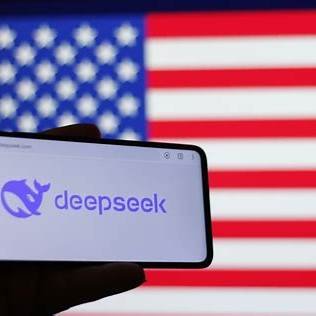
DeepSeek is a chatbot developed by a Chinese company named DeepSeek. A chatbot is a computer program designed to simulate conversation with human users, especially over the internet. DeepSeek uses advanced artificial intelligence (AI) to answer questions and engage in discussions with users. It became very popular because it could provide information quickly and interactively.
Why Are Countries Banning DeepSeek?
Several countries have decided to ban DeepSeek, especially on government devices. The primary reason is concern over data security and privacy. Authorities worry that the app might collect sensitive information and share it with external entities without permission. For instance, Texas became the first U.S. state to ban DeepSeek from government devices, citing security concerns.
Data Privacy: Experts have found that DeepSeek has significant security flaws, especially in its iOS version. These flaws could allow unauthorized access to user data, leading to potential data breaches. cincodias.elpais.com
National Security: There are fears that the app could be used for espionage or to gather sensitive information from government officials. This concern has led to bans not only in the U.S. but also in countries like Australia and South Korea. aljazeera.com
Global Response
The reaction to DeepSeek has been swift and widespread:
Australia: The Australian government has banned DeepSeek from all government systems and devices due to national security concerns. news.com.au
South Korea: South Korea’s government has also blocked DeepSeek on official devices, following similar actions by other countries. apnews.com
Italy: Italy’s data protection authority has ordered DeepSeek to block its chatbot in the country after the company failed to address privacy concerns. reuters.com
What Does This Mean for Users?
If you’re using DeepSeek, it’s essential to be aware of these concerns. While the app offers innovative features, the potential risks associated with data privacy and security cannot be ignored. It’s advisable to stay informed about the app’s status in your country and to follow any guidelines or recommendations issued by authorities.
Conclusion
The bans on DeepSeek highlight the importance of data security and privacy in today’s digital age. As technology continues to evolve, it’s crucial for both developers and users to prioritize the protection of personal and sensitive information. Staying informed and cautious can help ensure that we enjoy the benefits of technology without compromising our security.
Is Your AI Chatbot Spying on You? A Privacy Comparison of DeepSeek, OpenAI, Google Gemini, and Claude
Introduction
In today’s AI-driven world, chatbots have become a part of our daily lives. From OpenAI’s ChatGPT to Google Gemini and Anthropic’s Claude, AI-powered tools assist with everything from research to customer service. But have you ever stopped to wonder how these AI models handle your private conversations?
A recent review of DeepSeek’s privacy policy raises serious concerns about data collection, storage, and government access. Compared to OpenAI, Google, and Anthropic, how does DeepSeek stack up? Which AI model offers the best privacy protections? Let’s dive in.
1. DeepSeek’s Privacy Policy: A Deep Dive
DeepSeek is a rising Chinese AI startup, but its privacy policy contains multiple red flags.
📌 What DeepSeek Collects:
Personal Data: Username, email, phone number, IP address, device ID, location data.
User Input: Every message, prompt, file upload, and chat history is stored.
Technical Information: Device model, keystroke patterns, cookies, and browsing activity.
Third-Party Data: DeepSeek partners with advertisers and analytics firms.
📌 Where is Your Data Stored?
DeepSeek stores all user data in China, which has strict data laws allowing government access.
The policy does not confirm whether user interactions are used for AI training, but states user input is reviewed, raising concerns about long-term storage and usage.
📌 Who Has Access to Your Data?
Advertising and Business Partners: Your data is shared for targeted advertising.
Law Enforcement & Government Agencies: DeepSeek can hand over user data if requested.
Corporate Transactions: If DeepSeek merges or is acquired, your data may be transferred.
🚨 Biggest Privacy Concern:Data stored in China could be subject to government surveillance, and DeepSeek does not give users full control over data deletion.
2. How Does DeepSeek Compare to OpenAI, Google, and Claude?
Each AI company has a different approach to privacy. Here’s how DeepSeek compares to ChatGPT, Google Gemini, and Claude.
AI Platform
Data Collection
AI Training
Data Storage
Third-Party Sharing
User Control
DeepSeek
Extensive (IP, keystrokes, chat history, cookies)
Unclear, but likely
China (subject to gov. access)
Shared with advertisers, business partners, and law enforcement
Limited deletion options
OpenAI (ChatGPT)
Collects user input for model improvement unless opted out
API data is excluded from training
Stored on U.S. servers
Shared with law enforcement when required
Users can request deletions
Google Gemini
Logs chat data, device details, and location (if enabled)
Used for AI refinement
Stored globally
Shares with Google services and law enforcement
Users can delete history, but not guaranteed
Anthropic Claude
Minimal data collection, no ad tracking
Does NOT use chats for AI training
Stored in U.S. servers
No ad sharing or external tracking
Users can fully delete conversations
🔍 Key Takeaways
✅ Claude (Anthropic) is the most privacy-friendly AI – it doesn’t use conversations for AI training and allows full data deletion. ⚠️ OpenAI (ChatGPT) and Google Gemini are moderate – they collect data but offer some user controls. 🚨 DeepSeek is the least private AI – it collects extensive user data, shares it widely, and stores it in China.
3. Why Does AI Privacy Matter?
Many people don’t realize how much data AI chatbots collect or where that data goes. Here are three major risks:
🔴 Risk #1: Data Used for AI Training Without Consent
Some AI models use real user input to improve responses, but what if your personal conversations are used? This raises ethical concerns about data ownership.
🔴 Risk #2: AI Privacy & Government Access
DeepSeek’s data is stored in China, meaning it could be subject to government surveillance.
Google, OpenAI, and Anthropic are headquartered in the U.S., which has different data privacy laws.
🔴 Risk #3: Data Breaches & AI Security Threats
If AI companies store user data indefinitely, that data could be hacked.
Example: If DeepSeek’s servers were hacked, millions of user conversations could be exposed.
Solution? AI platforms should store less data and offer full user control over deletion.
4. Which AI Platform Protects Your Privacy the Best?
If privacy is your top concern, here’s how to choose the safest AI platform:
Best for Privacy
AI Platform
🔥 Best overall privacy
Claude (Anthropic) – no tracking, full chat deletion, no AI training on user data.
⚖️ Balanced privacy & functionality
ChatGPT (OpenAI) – user input can be excluded from training, data deletion possible.
🚨 Worst privacy
DeepSeek – invasive tracking, broad data sharing, stored in China.
✅ Recommendation: Use Claude (Anthropic) or OpenAI (ChatGPT with privacy settings enabled) for the best privacy protection.
5. How to Protect Your Privacy While Using AI
Regardless of which AI you use, follow these steps:
1️⃣ Use privacy settings: Turn off chat history in ChatGPT, Google Gemini, or Claude. 2️⃣ Avoid linking accounts: Don’t log in with Google, Apple, or Facebook. 3️⃣ Limit what you share: Never input sensitive data (passwords, financial details, medical info). 4️⃣ Choose AI models carefully: Avoid DeepSeek or any AI storing data indefinitely. 5️⃣ Check AI privacy policies regularly: Companies change policies often – stay informed.
Conclusion
AI chatbots are powerful tools, but not all platforms prioritize user privacy.
DeepSeek is the most invasive, collecting extensive data and storing it in China.
OpenAI and Google offer some protections but still collect input data.
Anthropic’s Claude is the most privacy-friendly AI with no AI training on chats and full deletion options.
🚀 Final Tip: If privacy is a concern, choose Claude, adjust OpenAI settings, and avoid DeepSeek
This month’s most exciting connected home releases.”
Smart home technology is changing how we live, making everyday tasks easier and more convenient. This month, several exciting products and updates have emerged, focusing on security, energy efficiency, home automation, entertainment, and health. Let’s take a look at the latest advancements in smart home tech and how they can benefit you.
Enhanced Home Security: Beyond the Smart Lock
Next-Generation Smart Doorbells with AI-Powered Features
Smart doorbells are growing in popularity. Recent studies show that over 30% of homeowners now have smart doorbells. New models feature advanced package detection, informing you when deliveries arrive. Improved facial recognition technology can identify visitors, making your home safer. Experts predict that AI will continue to enhance these devices, providing even more security features in the future.
Integrated Security Systems for Total Home Protection
Multi-device security systems are trending this month. These systems work together to protect your home from various angles. Leading providers offer unique features, like remote monitoring and instant alerts. For example, a recent incident involved a homeowner using a smart security system to thwart a potential burglary, highlighting their effectiveness in real-life scenarios.
Smart Security Cameras with Enhanced Privacy Features
New smart security cameras now come with advanced encryption and data protocols, ensuring your data stays safe. Some brands focus on user privacy, allowing you to control when recordings are made. To secure your cameras, make sure to change default passwords and regularly update the firmware to close any security gaps.
Energy Efficiency: Saving Money and the Planet
Smart Thermostats with Advanced Learning Capabilities
Smart thermostats can help you save up to 20% on your energy bills. Many now include features like geofencing and occupancy detection, adjusting the temperature based on whether you’re home. To maximize savings, set a schedule that aligns with your daily routine, allowing the thermostat to adapt while you’re away.
Smart Power Strips and Plugs for Precise Energy Management
Smart power strips let you monitor and control energy usage more effectively. Many new models allow individual control of each outlet, helping reduce energy waste. Experts believe smart energy management will become a standard practice in homes, making energy savings easier than ever.
Smart Lighting Solutions for Reduced Energy Consumption
Switching to smart lighting can save up to 75% on energy costs. Many smart bulbs now adapt to your habits, adjusting brightness based on your schedule. When selecting smart bulbs, consider those with dimming capabilities and color changes to create the perfect atmosphere at home.
Home Automation: Streamlining Daily Routines
Voice Assistants with Enhanced Capabilities
Voice assistants are getting smarter. Brands are introducing new features that improve how they respond to commands. Popular assistants can now control multiple smart devices with simple voice commands. For example, many families have integrated voice assistants into their routines for cooking, scheduling, and entertainment, saving time and effort.
Smart Home Hubs and Centralized Control Systems
Smart home hubs are essential for managing multiple devices. They unify various systems, making control easier. Comparing features and pricing can help you find the best fit for your home. Choose a hub that’s compatible with the devices you already own for a smoother experience.
Integration of Smart Appliances for Seamless Home Management
Smart appliances now work with existing ecosystems to simplify daily tasks. From refrigerators that track expiration dates to washing machines you can control remotely, integration enhances convenience. Experts believe that these appliances will continue to evolve, making home management even more effortless in the future.
Smart Entertainment: Elevating the Home Experience
Immersive Sound Systems for Enhanced Home Theater
New advancements in sound systems, such as smart speakers and soundbars, take your home theater to the next level. Technologies like Dolby Atmos create an immersive audio experience that enhances movie nights. To improve your home theater audio, consider investing in a quality soundbar that fits your space.
Smart TVs with Enhanced Features and Connectivity
Smart TV ownership continues to soar, with nearly 70% of households now including one. The latest models come equipped with voice control and enhanced streaming options. Experts predict that future smart TVs will focus more on interactivity and user experience, further enriching the viewing experience.
Health and Wellness in the Smart Home
Smart Sleep Trackers and Monitoring Devices
Recent innovations in smart sleep trackers help monitor and improve sleep quality. New devices offer personalized insights and tips to enhance your rest. To get the most from your sleep tracker, establish a consistent sleep schedule and use the device’s insights to make adjustments.
Smart Air Purifiers and Environmental Monitoring
Indoor air quality affects our health more than we realize. Studies show that poor air quality can lead to respiratory issues. New smart air purifiers now feature advanced filters and real-time monitoring capabilities. Experts stress the importance of maintaining clean indoor air, making these devices a valuable addition to any home.
Conclusion: Embracing the Future of Smart Home Living
Smart home technology continues to transform our daily lives. From enhanced security systems to energy-efficient devices, the latest advancements provide a multitude of benefits. Exploring and adopting these technologies can lead to a more efficient, comfortable, and healthy lifestyle. Embrace the future and make your home smarter today!