
Category: Design

  • Can’t Write Daily? These 50 Prompts Build Your Authority Easy

    Can’t Write Daily? These 50 Prompts Build Your Authority Easy

    The Zero-Fluff AI Content Engine: 50 AI Content Prompts for Authority Building

    AI makes it easy to publish, and that’s the problem.

    When everyone can ship a post in 60 seconds, the average feed starts to read like one long, polite remix. The writing isn’t “bad,” it’s just empty. No edge, no proof, no point.

    Zero-fluff content fixes that. It’s a clear point of view, backed by something real, with a takeaway you can use today. This guide gives you a simple 20-minute workflow to generate a week of LinkedIn and X posts, plus a curated library of 50 plug-and-play AI content prompts built for growth-oriented professionals who don’t want to sound like a template.

    The myth of the magic button, why most AI content fails in public

    “Good enough” drafts cost more than they save. They don’t just underperform, they blur your positioning. If your posts sound like anyone could’ve written them, your expertise becomes a commodity.

    Most AI-first content fails for a few predictable reasons: it repeats common advice, avoids stakes, and makes claims without receipts. It also tends to flatten your voice into something safe and generic.

    Here are quick “spot the fluff” signals you can check in 10 seconds:

    • It could apply to any industry, any role, any maturity level.
    • It promises outcomes without showing a path or proof.
    • It has no friction, no tradeoff, no “here’s what you give up.”
    • It ends with a vague cheerleading line instead of a usable takeaway.

    If you’ve ever edited an AI draft for 30 minutes just to make it sound like you, that’s the tax.

    The 4 red flags that scream generic (even when the writing is clean)

    1) No point of view.
    Before: “Consistency matters for growth.” After: “Consistency matters, but frequency without a thesis trains people to ignore you.”

    2) No proof.
    Before: “This strategy improved results.” After: “This strategy cut our cycle time from 12 days to 7.”

    3) No audience specificity.
    Before: “Founders should focus on distribution.” After: “Bootstrapped B2B founders selling $5k to $25k retainers need proof posts, not vibes.”

    4) No tension (nothing at stake).
    Before: “Try different hooks.” After: “If your hook is generic, you’re paying to acquire scrollers, not buyers.”

    Clean writing isn’t the goal. Earned writing is.

    What authority content looks like on LinkedIn and X

    Authority is simple: clarity + earned insight + usefulness.

    LinkedIn rewards context. A short story, a lesson, and a credibility signal (what you saw, did, measured) goes a long way. X rewards compression. A sharp take, a tight framework, and a repeatable pattern people can quote.

    Before you publish, run this “publishable authority” check:

    • Stance: What do you believe that guides decisions?
    • Who it helps: Which person, stage, or role is this for?
    • Proof: What did you see, measure, test, or ship?
    • Takeaway: What should the reader do next?
    • CTA: One clean action (comment, save, DM, try).

    Foundation first, the prompt ingredients that create thought leadership fast

    Prompts don’t replace thinking. They translate thinking into output.

    If you feed a model generic inputs, you’ll get generic posts. If you feed it sharp inputs, you’ll get content that sounds like a person with reps. The fastest path to “un-AI-able” writing is giving the tool your constraints, your tradeoffs, and your evidence.

    The mindset shift is small but important: don’t ask for “a post about X.” Direct it like a strategist. Tell it what to argue, what to ignore, and what would make the post wrong.

    Use this simple prompt formula to get voice, detail, and receipts

    Reuse this formula for most posts:

    Role + audience + single point + proof + constraint + format + tone + CTA

    Constraints force clarity. Useful ones include word count, reading level, banned phrases, max bullet count, and “one idea only.”

    Example constraint set: “120 to 180 words, 8th-grade reading level, no hype words, 1 takeaway, 1 action.”

    Add these ‘authority tokens’ to make posts feel earned, not generated

    AI gets better the moment you add “tokens” that only you can provide:

    • A number (conversion rate, cycle time, response rate)
    • A timeframe (“over 6 weeks,” “in Q4,” “after 12 sales calls”)
    • A decision tradeoff (what you said no to)
    • A pattern you’ve seen (three common failure modes)
    • A mistake you made (and what you changed)
    • A contrarian belief (with a boundary, not a hot take)
    • A mini case study (context, action, result, lesson)
    • A “what I’d do differently” line

    Don’t paste sensitive client info. Anonymize details: swap names, round numbers, remove unique identifiers, keep the lesson and the mechanism.

    The 20-minute workflow, from blank page to a week of posts

    Think of this like meal prep. You’re not cooking seven gourmet dinners, you’re prepping solid ingredients so weekday execution is easy.

    Aim for 5 to 7 posts total, split across LinkedIn and X. Tie topics to a business goal: pipeline (buyers), retention (customers), hiring (talent), or partnerships (peers).

    Minute-by-minute plan: capture inputs, run prompts, then polish like a human

    A realistic 20 minutes looks like this:

    1. 3 minutes, topic bank: List 7 ideas from this week (calls, builds, wins, losses, objections).
    2. 7 minutes, draft: Run 5 prompts, one per idea, accept “messy but specific.”
    3. 6 minutes, sharpen: Add proof, tighten the hook, delete filler.
    4. 4 minutes, schedule: Pick days, paste, and stop touching it.

    Quick polish pass (60 seconds per post): remove generic openers, add one concrete detail, keep one main point, end with one clear action.

    A simple weekly content map that doesn’t rely on hype or trends

    A steady trust-building week can look like this:

    • 1 contrarian take (your stance, your boundary)
    • 1 mini case study (what changed, what happened)
    • 1 how-to framework (steps, rules, or decisions)
    • 1 mistake to avoid (with a fix)
    • 1 tool or process breakdown (how you use it)
    • Optional: 1 question post, 1 myth-busting thread

    This mix signals you can think, do, and teach, without chasing whatever the algorithm wants today.

    The Zero-Fluff AI Content Engine: 50 plug-and-play prompts for authority building

    Use these prompts, copy and paste as a library. For every prompt, require: concrete details, no vague claims, one takeaway, one simple CTA. Choose a format each time: LinkedIn (story plus lesson) or X (tight take or short thread).

    Pillar 1: Point of view prompts (12) to sound decisive and memorable

    1. Act as an expert social media strategist and high-performance copywriter. Your goal is to draft a compelling post for [LinkedIn/X] that persuasively argues for [belief]. Target Audience: [audience]. Structure the content as follows: 1. The Hook: Start with a disruptive, contrarian, or curiosity-driven opening line to stop the scroll. 2. The Argument: Build a logical case for [belief] using a professional yet conversational tone, addressing common pain points of the audience. 3. The Evidence: Incorporate [proof]—this should be a specific data point, a brief case study, or a logical proof—to establish authority and trust. 4. The Takeaway: Conclude with a punchy, one-sentence ‘TL;DR’ or an actionable insight the reader can apply immediately. Formatting: Use frequent line breaks and bullet points to ensure the text is highly readable on mobile devices. Tone: Authoritative, insightful, and concise.
    2. Act as an expert thought leader in [Insert Industry, e.g., SaaS Marketing]. Write a high-engagement post tailored for both LinkedIn and X (Twitter) using a contrarian framework. Structure the post as follows: 1. The Hook: Start with the exact phrase ‘Most people think [Common Industry View].’ 2. The Pivot: Follow immediately with ‘I think [Your Unique/Unconventional Counter-Belief].’ 3. The Evidence: Provide a specific, real-world example or brief anecdote that proves why your belief is more effective or accurate. 4. The Takeaway: Conclude with a punchy one-sentence summary and a call-to-action question to spark comments. Tone: Bold, authoritative, yet conversational. Formatting: Use single-sentence paragraphs and ample white space to ensure maximum readability on mobile devices. Keep the total length under 200 words.
    3. Act as a professional thought leader and strategic communications expert. Create two versions (one for LinkedIn and one for X/Twitter) of a post based on the following framework: ‘I optimize for [principle], not [thing].’ For the [principle], use ‘Long-term Sustainability’. For the [thing], use ‘Short-term Growth Spikes’. For the [tradeoff], explain that this means ‘saying no to immediate revenue opportunities that compromise the brand mission.’ Structure the LinkedIn post as follows: 1. A punchy opening hook. 2. The core statement: ‘I optimize for [principle], not [thing].’ 3. A brief explanation of the [tradeoff] and why it is necessary. 4. Three bullet points highlighting the long-term benefits. 5. A closing question to drive engagement. Structure the X post as follows: 1. The core statement. 2. One concise sentence on the tradeoff. 3. A brief ‘Why’ statement. 4. Relevant hashtags. Tone: Professional, authoritative, and insightful. Ensure high readability with frequent line breaks.
    4. Act as a thought leader and strategic content creator. Write a high-engagement social media post (formatted for LinkedIn or an X thread) titled ‘What I No Longer Believe About [Topic].’ Your response should follow this structure: 1. Hook: Start with a punchy, contrarian statement that challenges a common industry myth or standard belief. 2. The Shift: Clearly state the old belief versus the new perspective. 3. The Why: Explain the specific experiences or realizations that led to this change in mindset. 4. The Proof: Provide concrete evidence, such as a case study, data point, or a specific personal anecdote that validates the new belief. 5. The Takeaway: Summarize the lesson for the reader and end with a call-to-action (CTA) question to drive comments. Use short, skimmable sentences, professional yet conversational language, and appropriate spacing for mobile readability. [Topic]: {Insert Topic Here}
    5. Act as a seasoned industry expert and thought leader. Write a compelling, high-engagement post for [LinkedIn/X] regarding the trend of [trend]. Start with a bold, controversial hook that challenges the status quo. Clearly state your position on why this trend is being overhyped or misunderstood. Specifically identify a niche group or professional role that should ignore this trend entirely to focus on long-term value. Provide a logical [reason] to support your stance. Ensure the tone is authoritative yet conversational. Use short paragraphs, bullet points for readability, and end with a thought-provoking question to drive engagement. If the target is X, structure the output as a 3-post thread; if LinkedIn, keep it to a single post under 300 words.
    6. Act as a seasoned professional and thought leader with a calm, insightful voice. Write a nuanced rebuttal to the common advice: ‘[Insert Popular Advice here]’. Structure the response for high engagement on LinkedIn and X, using short paragraphs and bullet points for readability. Begin by acknowledging the surface-level appeal of the advice, then pivot to explain why it often fails in complex scenarios. Integrate the following counterexample: ‘[Insert Counterexample here]’. Conclude with a ‘better’ alternative or a takeaway that emphasizes the importance of context. Tone: Empathetic, authoritative, and non-combative. Length: Approximately 150-200 words.
    7. Act as a high-performance social media strategist and copywriter. Your task is to create a viral-style post for [audience] that establishes a ‘hard rule’ to build authority and engagement. Please follow this specific structure: 1. The Hook: A bold, contrarian headline starting with ‘Never [action] when [condition].’ 2. The Insight: A 2-sentence explanation of the hidden cost or risk of breaking this rule. 3. The Proof: Incorporate [type of proof: e.g., a data point, psychological principle, or industry case study] to validate the claim. 4. The Pivot: Provide a specific ‘Do this instead’ alternative that offers immediate value. 5. The Engagement: End with a punchy, one-sentence closing and a question to encourage comments. Tone: Authoritative, minimalist, and direct. Formatting: Use frequent line breaks for mobile readability and avoid corporate jargon or fluff.
    8. Act as a seasoned industry expert and thought leader in [domain]. Write a compelling, high-engagement social media post for LinkedIn and a condensed version for X (Twitter) that contrasts the ‘glorification of busy’ with true ‘effectiveness.’ 1. Start with a provocative hook that challenges the status quo of hustle culture. 2. Create a bulleted comparison table or list showing 3 specific ‘Busy’ behaviors versus 3 ‘Effective’ alternatives unique to [domain]. 3. Detail a real-world case study or scenario showcasing a significant [metric] shift (e.g., ‘By shifting focus from output volume to quality, we saw a 30% increase in [metric]’). 4. Tone: Professional, authoritative, yet accessible. 5. Structure: Hook, the ‘Busy vs. Effective’ breakdown, the metric-driven proof, and a closing question to spark comments. Keep the LinkedIn version under 250 words and provide a separate 280-character version for X.
    9. Act as a high-authority thought leader on LinkedIn and X. Write a compelling social media post about setting professional boundaries based on the following framework: ‘I won’t do [thing] to get [outcome].’ Your task: 1. Hook: Start with a relatable struggle or a common industry pressure that tempts people to compromise their values. 2. The Boundary: State clearly: ‘I won’t [insert specific action/tactic] to get [insert specific result/metric].’ 3. The Cost: Detail the ‘cost’ of this boundary. Be transparent about what you are sacrificing (e.g., slower growth, fewer leads, or missed short-term opportunities). 4. The Why: Explain the long-term benefit of this sacrifice (e.g., peace of mind, brand integrity, or sustainable success). 5. Call to Action: Ask the audience what boundary they are currently holding. Style Guidelines: – Tone: Authentic, bold, and professional. – Platform Optimization: Use short, punchy sentences and frequent line breaks. – Length: Provide one version for LinkedIn (approx. 150-200 words) and a condensed version for X (under 280 characters).
    10. Act as a high-performance content strategist. Write an engaging LinkedIn and X post targeting growth-oriented professionals who struggle with content consistency. Tone: Punchy, professional, and results-driven. Hook: Start with a relatable pain point about the ‘Sunday Scaries’ of content planning or the ‘blinking cursor of doom.’ Body: Explain the ’20-Minute Content Week’ system using plug-and-play AI prompts. Detail how these prompts specifically help in ‘Authority Building’ by turning raw expertise into high-value output without the manual grind. Structure: Hook -> The 20-minute solution -> Value of authority-building output -> Call to Action: [Insert CTA]. Include 3-5 hashtags like #Productivity #ContentStrategy #AIforBusiness #GrowthMindset.
    11. Write a witty and slightly provocative social media post for LinkedIn and X. Target Audience: Busy entrepreneurs and professionals. Tone: Conversational, clever, and energetic. Hook: Make a joke about how humans spent centuries inventing AI just so we wouldn’t have to stare at a blank Google Doc. Body: Introduce the plug-and-play AI prompts as the ‘cheat code’ for generating a week of LinkedIn and X content in under 20 minutes. Focus on ‘High-Value Output’: explain that these aren’t generic prompts, but tools designed to build authority and showcase deep industry knowledge. CTA: [Insert CTA]. Include 4 relevant hashtags such as #WorkSmarter #AIRevolution #PersonalBranding #NoMoreBlankPages.
    12. Craft an inspirational and visionary social media post for LinkedIn and X. Target Audience: Aspiring thought leaders and growth-focused experts. Tone: Empowering and sophisticated. Hook: ‘Your expertise is too valuable to be silenced by a blank page.’ Body: Describe a world where content creation takes less than 20 minutes a week, allowing the professional to focus on high-level strategy. Explain how the plug-and-play AI prompts serve as an ‘Authority Architect,’ ensuring every post delivers high-value insights to their network. Structure: Visionary Hook -> The ‘Plug-and-Play’ methodology -> The benefit of consistent authority -> CTA: [Insert CTA]. Include hashtags like #ThoughtLeadership #Innovation #ContentCreation #ScaleWithAI.

    Pillar 2: Proof and credibility prompts (13) to add real-world weight

    1. Write a witty and slightly sarcastic LinkedIn post for growth-oriented professionals who are tired of the ‘blinking cursor of doom.’ The post should promote ‘Plug-and-Play AI Prompts’ that generate a week of content for LinkedIn and X in under 20 minutes. Structure the post as follows: 1. A hook about the pain of spending 4 hours on a single post that gets three likes. 2. A value-driven section explaining how these specific prompts build authority by forcing the AI to extract unique, high-value insights from the user’s perspective rather than generating generic fluff. 3. A credibility section mentioning that these prompts were battle-tested across 500+ successful creators to ensure a human-like voice. 4. A clear CTA: ‘Get the 20-Minute Content Sprint kit here.’ 5. Include 3-5 hashtags like #ContentStrategy, #AIForBusiness, and #GrowthHacking.
    2. Create an inspirational social media post targeting ambitious professionals who want to scale their personal brand without burning out. The tone should be visionary and empowering. Topic: Transitioning from a ‘manual creator’ to an ‘AI-powered authority’ using plug-and-play prompts. Structure: 1. An opening hook about the difference between working ‘in’ your content and ‘on’ your business. 2. A value section focusing on how the prompts facilitate ‘Authority Building’ by structuring deep-dive expertise into bite-sized X threads and LinkedIn posts in under 20 minutes. 3. A proof point regarding the 10x increase in consistency reported by early adopters. 4. A CTA: ‘Download the Authority Prompt Library.’ 5. Include hashtags like #ThoughtLeadership, #PersonalBranding, and #FutureOfWork.
    3. Draft a direct, high-energy social media post for LinkedIn and X focused on extreme productivity for founders and executives. Tone: Professional, punchy, and results-oriented. Subject: How to generate 7 days of high-quality content in exactly 18 minutes. Structure: 1. A ‘Stop Scrolling’ hook that highlights the mathematical impossibility of keeping up with the algorithm manually. 2. A breakdown of the ‘High-Value Output’ framework provided by these plug-and-play prompts. 3. Real-world weight: Mention that this framework is based on 10,000+ hours of content marketing analysis. 4. A CTA: ‘Grab the prompt system and reclaim your week.’ 5. Include 3-5 hashtags such as #ProductivityHacks, #MarketingAutomation, and #Solopreneur.
    4. Act as a world-class copywriter specializing in witty, relatable content for LinkedIn and X. Your goal is to write a post targeting growth-oriented professionals who are tired of the ‘blank page phase.’ Hook: Start with a punchy, self-deprecating observation about the pain of staring at a blinking cursor for hours. Body: Explain how our ‘plug-and-play’ AI prompts allow them to generate a full week of high-quality LinkedIn and X content in under 20 minutes. Value: Specifically describe how these prompts focus on ‘Authority Building’ and ‘High-Value Output’ by extracting unique insights rather than generic advice. Credibility: Include a section based on ‘Proof’ prompts that highlight real-world results (e.g., saving 10 hours a week or doubling engagement). Call to Action: Direct users to [Call to Action]. Hashtags: Include 3-5 relevant tags like #ContentStrategy, #AIPrompts, and #GrowthMindset.
    5. Write an inspirational social media post for growth-oriented professionals about the power of consistent thought leadership. Tone: Motivating, visionary, and professional. Hook: Focus on the impact of sharing your message and the ‘moat’ created by consistency. Value: Detail how our 20-minute plug-and-play AI prompt system eliminates the friction of content creation, specifically focusing on ‘High-Value Output’ that makes the user look like an expert. Credibility: Mention ‘Proof’ prompts that incorporate real-world data and case studies to add weight to their posts. Structure: Start with the vision, explain the 20-minute workflow, provide the ‘Authority’ value, and end with a clear CTA to [Call to Action]. Include 3-5 hashtags such as #PersonalBranding, #ThoughtLeadership, and #FutureOfWork.
    6. Create a high-authority, direct social media post for LinkedIn and X. Tone: Professional, authoritative, and efficiency-focused. Hook: A bold statement regarding the ROI of time and the high cost of manual content creation. Value: Break down the mechanics of how our ‘plug-and-play’ prompts generate a week of content in under 20 minutes. Emphasize the ‘Authority Building’ aspect and how the system produces ‘High-Value Output’ that stands out in a crowded feed. Credibility: Incorporate a section on ‘Proof and Credibility’ prompts that integrate the user’s actual achievements and metrics to ensure authenticity. Call to Action: [Call to Action]. Hashtags: Use 3-5 tags like #Productivity, #MarketingAutomation, and #Scale.
    7. Act as a high-performance productivity consultant. Write a dual-platform social media post for LinkedIn and X that introduces ‘The Zero-Fluff AI Content Engine.’ The tone must be authoritative and professional. Start with a hook that addresses the ‘blank page’ syndrome and the time-drain of content creation. Detail the ’20-Minute Workflow’ specifically for LinkedIn and X, explaining how 50 custom prompts can build authority without the fluff. Structure the post for high readability using bullet points for the workflow highlights. Conclude with a clear call-to-action: ‘Share this guide with a fellow professional who is tired of the blank page and looking for a better way to scale.’ Include 3-5 hashtags like #AIStrategy #ContentEfficiency #AuthorityBuilding.
    8. Write a sophisticated social media post for growth-oriented professionals on LinkedIn and X. The objective is to promote ‘The Zero-Fluff AI Content Engine: 50 Custom Prompts for Authority Building.’ The tone should be serious and results-driven. Hook the reader by contrasting traditional slow content creation with an AI-driven LinkedIn content strategy. Focus on the value of ‘Plug-and-Play’ prompts that eliminate guesswork. Describe the 20-minute workflow as a competitive advantage for professionals. End with the specific CTA to share the guide with others struggling to scale. Add 4 relevant hashtags including #ProfessionalGrowth and #DigitalAuthority.
    9. Create a concise, punchy, and authoritative social media post optimized for both LinkedIn and X. Focus on the ‘Zero-Fluff’ nature of the AI Content Engine. The hook should be a bold statement about the death of the ‘blank page’ for professionals. Provide a breakdown of the 20-minute workflow and how it applies to both X platform prompts and LinkedIn strategy. Keep the language professional and direct. Ensure the call-to-action is prominent: ‘Share this guide with a fellow professional who is tired of the blank page and looking for a better way to scale.’ Use 3-5 hashtags such as #AIForBusiness #ContentMarketing #WorkflowOptimization.
    10. Write a compelling social media post for both LinkedIn and X (formerly Twitter) targeting growth-oriented professionals. The topic is ‘The Zero-Fluff AI Content Engine,’ a curated library of 50 custom prompts for authority building. Tone: Authoritative and Professional. Structure: 1. Start with a hook highlighting the pain of the ‘blank page’ phase. 2. Provide value by outlining the ’20-Minute Workflow’ for a full week of LinkedIn and X content. 3. Emphasize that these are ‘plug-and-play’ prompts designed for scale. 4. CTA: ‘Share this guide with a fellow professional who is tired of the blank page and looking for a better way to scale.’ 5. Include 3-5 relevant hashtags like #AIContent #LinkedInStrategy #Productivity.
    11. Act as a digital marketing expert. Craft a high-authority social media post for LinkedIn and X about ‘The Zero-Fluff AI Content Engine: 50 Custom Prompts for Authority Building.’ Tone: Professional and Expert-led. Content Requirements: – A hook focused on the transition from content consumer to industry authority. – A breakdown of how the 20-minute workflow eliminates friction in LinkedIn and X content strategy. – Mention the library of 50 prompts as the ‘engine’ for consistent growth. – CTA: ‘Share this guide with a fellow professional who is tired of the blank page and looking for a better way to scale.’ – 4 hashtags including #PersonalBranding and #AIPrompts.
    12. Develop a professional social media announcement for LinkedIn and X. Subject: ‘The 20-Minute Workflow for LinkedIn & X.’ Tone: Authoritative, direct, and results-oriented. The post must explain how ‘The Zero-Fluff AI Content Engine’ uses 50 custom prompts to help professionals scale their presence without the typical time investment. Key points: Explain the plug-and-play nature of the library and the specific 20-minute execution time. CTA: ‘Share this guide with a fellow professional who is tired of the blank page and looking for a better way to scale.’ Include 3 relevant hashtags.
    13. Draft a social media post for X and LinkedIn that breaks down the ’20-Minute Workflow’ provided by ‘The Zero-Fluff AI Content Engine’. Use an authoritative, professional tone to explain how 50 custom prompts eliminate the friction of the ‘blank page phase’. Focus on the specific benefit for growth-oriented professionals who need to maintain a presence on both platforms without sacrificing their entire morning. Use the provided CTA: ‘Share this guide with a fellow professional who is tired of the blank page and looking for a better way to scale.’ Add 5 relevant hashtags including #LinkedInStrategy and #AIPrompts.
    Dashboard showing 20-minute social media content scheduling

    Pillar 3: Teaching and frameworks prompts (13) that people save and share

    1. Draft a social media post for X and LinkedIn that breaks down the ’20-Minute Workflow’ provided by ‘The Zero-Fluff AI Content Engine’. Use an authoritative, professional tone to explain how 50 custom prompts eliminate the friction of the ‘blank page phase’. Focus on the specific benefit for growth-oriented professionals who need to maintain a presence on both platforms without sacrificing their entire morning. Use the provided CTA: ‘Share this guide with a fellow professional who is tired of the blank page and looking for a better way to scale.’ Add 5 relevant hashtags including #LinkedInStrategy and #AIPrompts.
    2. Create an engaging social media post for LinkedIn and X regarding ‘The Zero-Fluff AI Content Engine: 50 Custom Prompts for Authority Building’. The tone should be highly professional and authoritative. Structure the post to first define why ‘noise’ is the enemy of authority, then introduce the 20-minute workflow as the strategic fix for LinkedIn and X content creation. Highlight that these are ‘plug-and-play’ for growth-oriented leaders. Conclude with a call-to-action to share the guide with a peer struggling to scale their content. Include 4 relevant hashtags focused on AI and professional development.
    3. Act as a senior growth strategist and LinkedIn thought leader. Write a high-impact LinkedIn post presenting a ‘3-Step Accelerated Niche Penetration Framework’ tailored for growth professionals and founders. The post must follow this structure: 1) A compelling hook that addresses the difficulty of scaling in crowded or highly specialized markets. 2) The 3-Step Framework: Step 1: Deep Vertical Segmentation (explain the strategic rationale of focusing on micro-segments and provide an actionable tactic); Step 2: Value Proposition Hyper-Localization (explain why generic messaging fails and how to adapt the offer); Step 3: Ecosystem Partnership Moats (explain how to leverage existing trust networks to bypass long sales cycles). 3) A ‘Why This Works’ summary to solidify expertise. 4) A strong Call to Action (CTA) encouraging users to save the post for later and share their own growth hurdles. Use professional yet conversational language, utilize bullet points for readability, and ensure plenty of white space for mobile optimization. Include 3-5 relevant hashtags.
    4. Act as a Senior Strategic Growth Consultant and Executive Coach. Create a high-impact X (Twitter) thread consisting of 8-10 posts that deconstructs the SMART goals framework for an audience of senior leaders and high-performers. Your goal is to move beyond the basic definitions and provide a masterclass on advanced application for organizational velocity. For each component (Specific, Measurable, Achievable, Relevant, Time-bound), provide a ‘Nuanced Perspective’ that challenges common surface-level interpretations. Focus on strategic alignment, ROI, and psychological momentum. Structure the thread as follows: 1. A hook post that addresses the ‘illusion of progress’ in standard goal setting. 2. Individual posts for each SMART letter featuring a ‘Common Trap’ vs. an ‘Advanced Application’. 3. A post on the ‘R’ (Relevant) specifically focusing on organizational ecosystem alignment. 4. A concluding post with a high-value takeaway or call to action. Maintain a professional, authoritative, and analytical tone. Use bullet points and line breaks to ensure each post is optimized for X’s 280-character limit.
    5. Act as a seasoned Chief Product Officer and Product Strategist. Write a high-impact, long-form LinkedIn post titled ‘The Definitive Decision Matrix for SaaS Feature Prioritization.’ The goal is to provide product leaders with a strategic framework to move beyond ‘gut feelings’ and ‘loudest voice’ bias toward data-driven roadmap choices. Structure the post as follows: 1) A compelling hook addressing the common pain point of roadmap bloat and stakeholder pressure. 2) A detailed breakdown of the Decision Matrix, including specific criteria such as Customer Value, Strategic Alignment, Technical Effort (LOE), and Revenue Impact. 3) An explanation of how to apply weighting to these criteria based on company stage (e.g., Growth vs. Enterprise). 4) Expected outcomes such as increased development velocity, improved stakeholder alignment, and higher ROI. 5) A concluding thought with a Call to Action (CTA) asking product leaders which frameworks they currently use. Use a professional, authoritative, yet conversational tone. Utilize short sentences, bullet points for readability, and strategic emojis to enhance engagement. Aim for 500-700 words.
    6. Act as a high-performance business strategist and psychologist specializing in entrepreneurial longevity. Write a 10-tweet X (formerly Twitter) thread that debunks the ‘100-hour work week’ myth in entrepreneurship. The thread must follow this structure: 1. A contrarian, scroll-stopping hook that challenges the status quo of ‘hustling hard.’ 2. A data-driven explanation of why ‘hustle culture’ leads to cognitive decline and diminishing returns. 3. The introduction of a specific, evidence-based framework titled ‘The Resilient Growth Protocol,’ focusing on deep work, strategic recovery, and systemized delegation. 4. Practical, actionable steps for founders to implement this framework immediately. 5. A concluding tweet with a strong Call to Action (CTA) encouraging readers to share their experiences. Tone: Authoritative, provocative, and intellectual. Format: Ensure each tweet is numbered (1/10) and stays under 280 characters, utilizing line breaks for readability and engaging hooks for each subsequent post.
    7. Act as a senior product strategist and thought leader. Write a high-engagement LinkedIn post explaining the ‘Jobs-to-be-Done’ (JTBD) theory and its critical role in digital product development. Your post should: 1) Start with a compelling hook that challenges traditional demographic-based personas. 2) Define the JTBD framework clearly, illustrating the shift from ‘who the customer is’ to ‘what the customer is trying to achieve.’ 3) Provide a concrete example of its application in a digital context (e.g., how a SaaS tool solves a specific functional or emotional ‘job’). 4) Explain how this framework drives market-leading innovation and sharpens marketing strategy. 5) Use a professional, insightful, and conversational tone. Format the post for readability with short paragraphs, bullet points for key takeaways, and 3-5 relevant hashtags. Conclude with a call-to-action or a thought-provoking question to drive community engagement.
    8. Act as a world-class B2B Growth Marketing Strategist. Write a high-engagement X (Twitter) thread of 7-10 tweets introducing a proprietary ‘5-Phase Growth Hacking Framework’ specifically designed for early-stage B2B startups. The goal is to establish authority and drive engagement from founders and VCs. Structure the thread as follows: 1. The Hook: Address a common pain point in B2B scaling (e.g., inefficient CAC or long sales cycles) and promise a systematic solution. 2. The Framework Overview: Briefly list the 5 phases with punchy names. 3-7. The Deep Dive: For each phase (e.g., Product-Market Resonance, Precision Lead Gen, Frictionless Onboarding, Viral Loop Engineering, and Revenue Expansion), provide a 1-sentence description and a ‘Pro-Tip’ or ‘Key Takeaway’ that sounds counter-intuitive or highly expert. 8. The Conclusion: A strong call-to-action (CTA) asking followers to share their biggest growth bottleneck. Use platform-specific formatting including emojis for visual hierarchy, line breaks for readability, and thread numbering (1/x). Tone: Authoritative, energetic, and data-driven.
    9. Act as an expert performance management consultant. Write a high-engagement LinkedIn post targeted at Growth Leads and Startup Founders about the ‘Objectives and Key Results’ (OKR) methodology. The post should skip basic definitions and dive straight into advanced practical implementation. Structure the post as follows: 1) A compelling hook about the failure of traditional goal setting. 2) Three specific tips for growth teams, such as aligning OKRs with the North Star Metric or balancing qualitative objectives with quantitative results. 3) A section titled ‘Why OKRs Fail’ highlighting 3 common pitfalls like ‘The To-Do List Trap’ or ‘Set-and-Forget Mentality’. 4) Practical solutions for each pitfall to establish authoritative guidance. 5) A closing question to drive engagement. Use professional but conversational language, bullet points for readability, and relevant emojis. Aim for a length of 300-400 words.
    10. Act as a high-level B2B Content Strategist and Ghostwriter. Your task is to write a 7-10 post X (Twitter) thread titled ‘The Authority-First Content Repurposing Workflow.’ The target audience consists of B2B founders and executives looking to scale their personal brand without spending 20 hours a week on content. Ensure the tone is professional, authoritative, and highly actionable. Structure the thread as follows: 1. Post 1 (The Hook): Lead with a compelling statistic or a common pain point regarding content burnout vs. leverage. 2. Post 2 (The Source): Explain how to identify ‘High-Signal’ topics from proprietary data or client meetings. 3. Post 3 (The Pillar): Detail the creation of one long-form ‘Anchor’ piece (e.g., a newsletter or whitepaper). 4. Posts 4-6 (The Deconstruction): Provide a step-by-step breakdown of how to slice that anchor piece into 3 LinkedIn-specific formats (The Story, The Lesson, The List) and 1 X-specific format (The Punchy Thread). 5. Post 7 (Platform Specificity): Briefly explain why the same content must be formatted differently for LinkedIn’s professional feed vs. X’s fast-paced environment. 6. Post 8 (The Multiplier): Mention scheduling and batching for efficiency. 7. Post 9 (Conclusion/CTA): Summarize the workflow and end with a question to trigger engagement. Use formatting techniques like bullet points, line breaks for readability, and strategic emojis to maintain visual interest. Avoid corporate jargon; keep sentences short and punchy.
    11. Act as a career strategist and thought leader. Write a compelling LinkedIn post (approx. 250-300 words) targeted at ambitious professionals and lifelong learners. The post should: 1. Start with a scroll-stopping hook about the ‘hidden’ secret to career longevity and the difference between linear and exponential growth. 2. Introduce the concept of ‘Compounding Knowledge’—explaining how small, consistent learning gains build upon each other to create massive professional advantages. 3. Present a simple 3-step framework (e.g., 1. Identify High-Leverage Skills, 2. Interconnect Knowledge Domains, 3. Apply Through Iteration) to help readers leverage this concept immediately. 4. Position continuous learning as a strategic professional imperative rather than a side task. 5. Include a clear Call to Action (CTA) asking readers how they prioritize their learning. 6. Use professional yet conversational language, plenty of white space for readability, and 3-5 relevant hashtags.
    12. Act as an expert Business Growth Consultant and Content Strategist. Create a high-impact X (Twitter) thread consisting of 6-8 posts explaining the Pareto Principle (80/20 Rule) specifically for business strategy optimization. Structure the thread as follows: 1. The Hook: Open with a contrarian or striking insight about why most businesses waste 80% of their effort for minimal returns. 2. The Concept: Define the Pareto Principle in a way that resonates with CEOs and founders, focusing on ‘asymmetric returns.’ 3. Actionable Example 1 (Sales/Revenue): Detail how 20% of clients often drive 80% of profit and how to double down on them. 4. Actionable Example 2 (Product/Operations): Explain identifying the 20% of features or tasks that deliver 80% of the value to users. 5. The Framework: Provide a step-by-step ‘Efficiency Audit’ readers can use to identify their own 20% high-leverage activities. 6. The Conclusion: A punchy summary of the shift from ‘busy-ness’ to ‘impact,’ ending with a call-to-action (CTA) for readers to share their biggest ’80/20′ realization. Style Guidelines: – Use a professional yet punchy, ‘Money Twitter’ style (high signal-to-noise ratio). – Use bullet points, short sentences, and line breaks for readability. – Include relevant emojis to highlight key points without overusing them. – Ensure each post fits within the 280-character limit.
    13. Act as a high-level B2B Content Strategist. Your goal is to write a high-engagement X (Twitter) thread of 8-12 tweets titled ‘The Authority-Building Content Repurposing Workflow.’ The target audience consists of B2B founders, executives, and marketing leaders who want to maximize their reach without burnout. Structure the thread as follows: – Tweet 1: A strong hook addressing the ‘hamster wheel’ of content creation and the power of a systematic workflow. – Tweet 2: Ideation & Pillar Selection – Focus on high-intent topics (e.g., webinars, whitepapers, or case studies). – Tweet 3: The Deconstruction Phase – How to extract ‘atomic’ insights from long-form content. – Tweet 4-5: Platform-Specific Adaptation for LinkedIn – Focus on professional storytelling, carousels, and thought leadership formatting. – Tweet 6-7: Platform-Specific Adaptation for X – Focus on punchy hooks, threads, and conversational engagement. – Tweet 8: The Distribution Cadence – A schedule for maximum visibility without spamming. – Tweet 9: Measuring Impact – Which metrics actually matter for authority (e.g., qualitative feedback vs. vanity metrics). – Tweet 10: Conclusion & Call to Action. Style Guidelines: – Tone: Authoritative, systematic, and punchy. – Use short sentences and bullet points. – Incorporate relevant emojis for visual hierarchy. – Ensure every tweet is under 280 characters.

    Pillar 4: Conversation and conversion prompts (12) that attract the right clients

    1. Act as a social media strategist and content creator. Draft a high-engagement post for LinkedIn and X centered around the topic of [pain point]. The post must be structured as follows: First, start with a provocative or relatable hook question that immediately stops the scroll by addressing a specific frustration. Second, provide a concise ‘hot take’ or unique perspective (2-3 sentences) that offers a solution or shifts the typical narrative around this pain point. Third, conclude with a clear call to action that invites the audience to share their own experiences, tips, or opposing views. Maintain a professional yet conversational tone, use line breaks for readability, and include 2-3 relevant emojis. Ensure the total length is under 150 words to maximize impact for mobile users.
    2. Act as an expert sales strategist and persuasive copywriter. Your task is to address a specific customer objection using a ‘Perception vs. Reality’ framework. Please follow this structure: 1. The Objection: Acknowledge the concern by stating, ‘You might think [objection].’ 2. The Practical Reality: Transition by explaining, ‘Here’s what happens in practice,’ and describe the actual process or outcome that contradicts the concern. 3. The Proof: Provide concrete evidence through [proof], such as a specific metric, a brief case study, or a client testimonial. Tone: Empathetic, authoritative, and professional. Target Audience: [Insert Audience]. Goal: Build trust and eliminate friction in the decision-making process.
    3. Act as a professional copywriter specializing in lead qualification and high-conversion sales pages. Your task is to write a compelling ‘Who This Is For / Who It Is Not For’ section regarding [Insert Offer/Approach]. The tone must be ‘firm and kind’—meaning you should be direct and uncompromising about the standards and expectations required for success, while remaining empathetic, respectful, and encouraging. Structure the response as follows: 1. ‘Who This Is For’: Provide 4-5 bullet points describing the ideal participant. Focus on their growth mindset, their specific pain points, and their readiness to commit. 2. ‘Who This Is Not For’: Provide 4-5 bullet points describing those who would not be a good fit. Focus on misaligned expectations, a lack of readiness for the work involved, or a mismatch in core values. Use language that helps the reader quickly self-identify. Frame the ‘Not For’ section as an act of service to prevent them from wasting resources on a solution that isn’t right for their current stage.
    4. Act as a professional branding expert and career coach. Your task is to craft a comprehensive values statement and an accompanying decision-making framework based on the following input: [Insert Value] and [Insert Reason]. First, write a concise and impactful values statement using the format: ‘I care about [Value] because [Reason].’ Second, create a section titled ‘The Value in Practice: My Decision-Making Filter.’ In this section, explain how this core value serves as a strategic lens for professional life. Specifically, describe how this value filters: 1. Project Selection: How it helps determine which opportunities to pursue or decline. 2. Prioritization: How it guides the allocation of time and resources on a daily basis. 3. Collaboration: How it defines the qualities sought in partners and team members. The tone should be professional, authentic, and authoritative, suitable for a LinkedIn ‘About’ section or a personal portfolio. Ensure the language is clear and demonstrates high emotional intelligence.
    5. Act as a professional storyteller and social media strategist. Write a high-engagement post for LinkedIn and X based on a specific professional moment: [moment]. Structure the post as follows: 1) A compelling ‘hook’ in the first sentence to stop the scroll. 2) A concise, narrative-driven story describing the event, focusing on the tension or challenge faced. 3) A clear transition to a singular, impactful business lesson derived from the experience. 4) A strong Call to Action (CTA) that encourages audience engagement, such as asking a specific question or inviting a comment. Maintain a professional yet conversational tone. Use short paragraphs and relevant emojis to ensure readability on mobile devices. Ensure the content is adaptable for both the 280-character limit of X and the longer-form style of LinkedIn.
    6. Act as an expert social media strategist and ghostwriter specializing in ‘authority building’ content. Your task is to write a high-value, low-friction social media post for LinkedIn and X (Twitter). The post must summarize a specific lesson or insight without using ‘hype’ or aggressive marketing language. Use the following structure: 1. Hook: Start with a calm, insightful observation or a common challenge related to [Topic]. 2. The Lesson: Provide a concise summary of 3-4 key takeaways or a specific ‘aha’ moment. Use bullet points to ensure readability. 3. The Soft CTA: End with a low-pressure invitation for the reader to DM you for [Resource Name] if they want to see the full framework or implementation details. Tone: Professional, helpful, and understated. Avoid: Exclamation marks, words like ‘game-changer’ or ‘insane’, and ‘bro-poetry’ line breaks. Target Audience: Busy professionals who value substance over noise. Please provide one version for LinkedIn (approx. 150-200 words) and one version for X (under 280 characters).
    7. Act as a world-class brand strategist and copywriter. Your task is to refine a positioning statement that establishes authority while maintaining a humble, service-oriented tone. Use the specific template: ‘I help [Target Audience] achieve [Outcome] through [Mechanism].’ To increase clarity and authority, you must also include a ‘Boundary Statement’ that defines what you do not do or who you are not for. Please generate 5 distinct variations of this statement based on the following variables: Audience: [Insert Audience], Outcome: [Insert Outcome], Mechanism: [Insert Mechanism], and Boundary: [Insert Boundary]. The variations should range from conversational to highly professional, ensuring the ‘Mechanism’ sounds like a unique proprietary process rather than a generic service.
    8. Act as an expert content strategist and productivity coach. Create a high-impact social media post (suitable for LinkedIn or X) based on the following framework: ‘If you’re trying to [goal] and you’re stuck at [stage], here’s a next step: [action]. Use [tool] to accelerate the process.’ Your objective is to fill in the brackets with a highly specific, value-driven scenario related to a professional industry. The post should include: 1) A compelling hook that identifies a common pain point. 2) A clear, actionable ‘next step’ explained in 2-3 sentences. 3) A specific explanation of how [tool] functions as the catalyst for progress. 4) A brief closing call-to-action or question to encourage engagement. Tone: Professional, authoritative, and helpful. Constraints: Keep the total length under 200 words and use line breaks for readability.
    9. Act as a professional copywriter. Write a compelling ‘My Process’ post for [insert service name]. The goal is to build trust and set clear expectations for potential clients. Structure the post into four distinct phases: 1) Discovery & Strategy, 2) Initial Execution, 3) Collaborative Refinement, and 4) Final Delivery. For each phase, provide a concise 2-sentence description of the value provided. Include a dedicated section titled ‘How We Get Started’ that lists 3 specific requirements from the client (e.g., brand assets, a completed questionnaire, or a specific timeline commitment). Use a [insert tone, e.g., professional yet approachable] voice. Target audience: [insert target audience]. Format the output to be suitable for a [insert platform, e.g., LinkedIn post or website ‘Services’ page].
    10. Act as a social media growth strategist. Draft a high-engagement post for LinkedIn and X (Twitter) designed to help [Target Audience] determine if [Solution Name] is the right fit for their current needs. The post must follow this structure: 1) A ‘scroll-stopping’ hook that addresses a specific pain point or desire. 2) A brief introduction to the ‘5-Question Self-Audit’. 3) Five specific, diagnostic questions that highlight the value proposition of [Solution Name] (e.g., ‘Do you spend more than 5 hours a week on [Task]?’). 4) A closing statement that interprets their results. 5) A clear Call to Action (CTA) inviting readers to comment with their score or reply with their biggest challenge. Use a professional yet conversational tone, include relevant emojis for visual breaks, and ensure the formatting uses bullet points and ample white space to optimize for mobile reading.
    11. Act as a strategic growth manager and social media expert. Write a compelling, high-engagement post for LinkedIn and X (formerly Twitter) aimed at attracting potential business partners. The post should follow this structure: 1. A hook that addresses a common industry challenge or shared goal. 2. A clear description of the specific types of professionals or companies you want to meet (e.g., SaaS founders, marketing agencies). 3. The ‘Why’: Explain the mutual value proposition and the synergy you envision. 4. A concrete example: Provide one specific scenario of how a partnership could work (e.g., a co-branded webinar or a product integration). 5. A clear Call to Action (CTA) inviting them to DM or comment. Tone: Professional, collaborative, and forward-thinking. Constraints: Keep the LinkedIn version under 200 words and provide a condensed version for X (under 280 characters) with 3 relevant hashtags.
    12. Act as a professional social media strategist and copywriter. Write a concise, high-converting follow-up post based on this core message: ‘I keep seeing [Specific Problem]. If you want help, here’s how.’ Your output should follow this structure: 1. **The Hook**: Start with a relatable observation about a recurring pain point for [Target Audience]. Use an ‘I’ve noticed’ or ‘I keep seeing’ opening. 2. **The Impact**: Briefly explain why this problem is a bottleneck or why it’s frustrating for the audience. 3. **The Solution**: Provide a clear, 3-step overview or a unique value proposition of how you solve this specific issue. 4. **Call to Action (CTA)**: End with a low-friction instruction (e.g., ‘DM me ‘READY”, ‘Comment below’, or ‘Book a 15-minute audit’). **Tone**: Professional, empathetic, and authoritative. **Format**: Social media style with frequent line breaks for readability and 1-2 relevant emojis. **Constraints**: Maximum 150 words. Please provide placeholders for [Specific Problem] and [Target Audience] if they are not provided.

    Scale beyond week one without losing quality or your voice

    By February 2026, most audiences can smell AI from a mile away. Not because AI is “bad,” but because lazy inputs create copycat output. The fix isn’t more volume, it’s better source material.

    Treat your prompt library like a kitchen. Prompts are the pans, your insight is the food. If you keep stocking the fridge, the engine stays fresh.

    Build an ‘insight bank’ in 10 minutes a week so prompts stay original

    Keep one running note with five sections: wins, losses, questions, numbers, opinions.

    Each week, add five bullets from real work. One call objection becomes a Pillar 4 post. One metric shift becomes a Pillar 2 post. One uncomfortable lesson becomes a Pillar 1 post. Same raw note, different angle, still honest.

    Quality guardrails: the non-negotiables that protect your reputation

    Never claim results you can’t explain. Don’t invent stories. Keep one main point per post. Delete generic openers like “In today’s world.” Add one concrete example, even if it’s small. Read it out loud once.

    Quick check: does this sound like you, would you defend it in public, and does it help a real person do something?

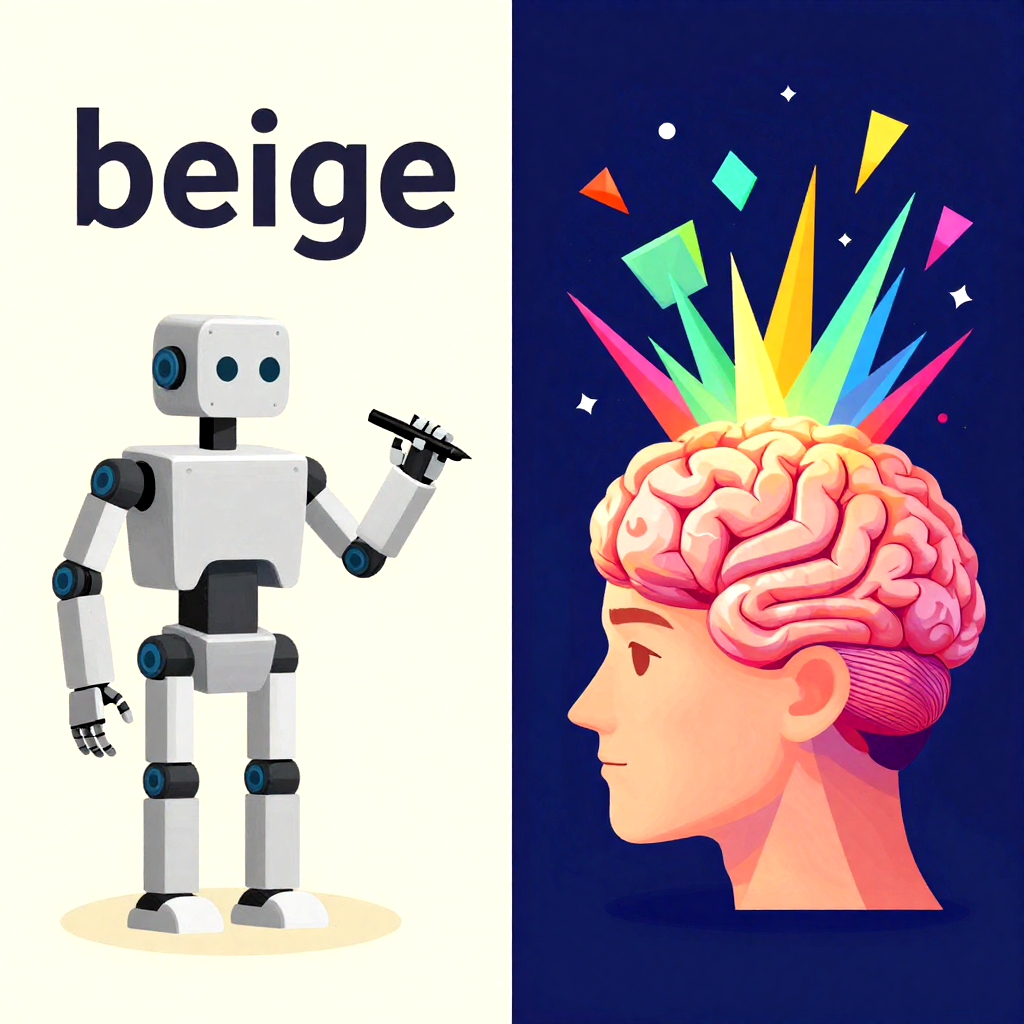
    Comparison chart of generic AI vs personality-driven AI output

    Conclusion

    Zero-fluff output doesn’t come from better luck with AI, it comes from strong inputs, a fast workflow, and AI content prompts built for authority. Pick one pillar today, generate five drafts, then do a 10-minute polish pass that adds proof and removes filler. Save the prompt library, run the 20-minute workflow once, and commit to one week of consistent publishing that still sounds like a human with standards.

  • 20 Best AI Prompts for Support Desk Automation

    20 Best AI Prompts for Support Desk Automation

    AI Prompts for Customer Service: A Practical Prompt Library for Support Desk Automation

    Customer support is no longer a race against the clock, it’s a race for precision. Anyone can reply fast. The teams that win are the ones that reply accurately, in the right tone, with the right next step, every time.

    That’s what AI prompts for customer service are for. Think of them as reusable instructions you can paste into an AI tool to draft replies, triage tickets, summarize long threads, and write clean internal notes. When they’re done well, you get faster first replies, consistent voice across agents, fewer repeat tickets, and less burnout.

    Foundations of effective support prompting (so the AI sounds like your best agent)

    A good support prompt has five parts: role, goal, inputs, constraints, and voice. Miss any of these and you’ll see the usual problems: generic replies, wrong assumptions, or a message that sounds nothing like your brand.

    Start by using placeholders so prompts work across tickets: [customer_name], [order_id], [device], [plan], [error_code], [ticket_thread], [policy_link], [status_page_link]. Then decide what the AI can infer and what it must ask. If order status or subscription tier matters, don’t let the model guess. Pull it from your help desk, CRM, or billing system, then paste it in as “source of truth.”

    Before you use any prompt, run this quick check:

    • Do I have the customer’s exact ask pasted in?
    • Do I have the key account facts (plan, order status, timestamps) included?
    • Do I want a customer-facing reply, or internal notes, or both?
    • Did I set “never” rules (no guessing, no unsafe requests)?
    • Did I define the output (length, tone, format, one question at a time)?

    If you want extra ideas for building a prompt pack, this roundup of ChatGPT prompts for customer service teams is a helpful reference point, even if you tailor everything to your own voice.

    Set guardrails: tone, length, reading level, and what the AI must not do

    Guardrails are where support prompts get real. Specify a voice like “warm, professional, plain language,” plus boundaries like “keep it under 120 words for chat.”

    Add “never” rules that protect your team and customers:

    • Never invent account details, order status, or outage causes.
    • Never promise refunds, credits, or cancellations without checking [policy_link].
    • Never ask for full card numbers, passwords, or one-time codes.
    • Never instruct account changes without safe verification (your approved steps).

    These lines keep AI helpful without turning it into a liability.

    Give the AI the right context: the fastest way to improve accuracy

    Accuracy rises fast when you paste the right inputs. For most tickets, include: the customer’s last message, relevant history, plan level, device, error codes, steps already tried, and links to the correct help article.

    For long threads, use a two-step pattern: summarize then answer. It forces the model to read before it writes. For short tickets, answer only is fine.

    In February 2026, one clear trend is “agentic” support flows, where AI handles more of the journey end to end, with human handoffs for risk. That only works when prompts carry context, rules, and a clean escalation path.

    Customer responses and personalization prompts that still feel human

    Customers don’t want a wall of text. They want clarity, ownership, and a next step that makes sense. Your prompts should produce replies that are short, specific, and calm, even when the customer isn’t.

    A simple trick: require the AI to ask one question at a time if details are missing. That reduces back-and-forth and stops the “20 questions” feeling.

    Also write prompts by channel. Chat should be tighter. Email can include a bit more detail and structure. If you support multiple channels, consider keeping a small library in your help desk macros, then a longer version in an internal wiki.

    If you’re collecting ideas from outside sources, keep them as inspiration, not as final copy. For example, these AI prompts for customer service can spark use cases, but your tone rules and policies should be the center of your own prompt pack.

    Prompts for fast, on-brand replies to common questions (copy, paste, send)

    Your “everyday” prompts should create replies that sound like your best agent on their best day. They should include a greeting, a clear answer, one optional clarifying question, and a clean close.

    Make the model choose the simplest path. No jargon, no “as an AI,” no long disclaimers. If it needs more info, it should say exactly what and why.

    Prompts for high-stakes moments: angry customers, VIPs, refunds, and policy limits

    High-stakes tickets fail when the reply sounds robotic or when it overpromises. Your prompt should force these elements in order:

    1. empathy, 2) restate the issue, 3) what you can do now, 4) what you can’t do yet, 5) next step and timeline.

    Also bake in a hard stop: if the ticket touches billing changes, cancellations, account access, or legal claims, the AI drafts a reply but flags it for human approval.

    Internal triage and documentation prompts to keep the queue under control

    A big chunk of “support work” isn’t customer messaging. It’s sorting, tagging, routing, summarizing, and writing notes nobody wants to write. This is where customer service AI prompts pay off fast because the work is repetitive and the output format is predictable.

    A good triage prompt produces the same fields every time: category, priority, owner team, and a reason. That consistency makes reporting cleaner and escalations easier to handle.

    If you’re evaluating platforms that support AI-assisted triage and macros, this overview of AI help desk software options gives useful context on what teams are using in 2026.

    Prompts that classify, prioritize, and route tickets with a clear reason

    Ask the AI to detect urgency (deadlines, service down, payment failed), sentiment (angry, confused, calm), and complexity (tier 1, tier 2). Require a one-sentence justification so agents trust the routing.

    Add a specific flag for risk: security, billing disputes, chargebacks, and identity issues should always route to a human.

    Prompts that turn messy threads into clean notes, summaries, and next steps

    When a ticket gets escalated, the worst handoff is “see thread.” Your prompt should create a tight brief with: customer goal, key facts, steps tried, exact error messages, what worked, what didn’t, and what tier 2 should do next.

    This is also a strong way to reduce reopen rates. If the notes are clean, the next agent doesn’t reset the conversation.

    Resolution optimization and proactive support prompts that reduce repeat tickets

    Resolution is where tone meets truth. AI can guide troubleshooting, but it must do it safely and in small steps. The best prompts force a one-step-at-a-time flow and require confirmation before moving on.

    Proactive support also matters more in 2026 than it did a few years ago. Customers expect updates across channels, not silence. Prompts that generate delay notices, incident updates, and onboarding tips can cut ticket volume before it even hits the queue.

    If you want broader prompt sourcing outside support, this list of sources for ChatGPT prompts can help you build a process for prompt maintenance and testing, not just a one-time library.

    Prompts for step-by-step troubleshooting that ends with a clear confirmation

    Strong troubleshooting prompts do three things: keep steps small, avoid assumptions, and end with a “did it work?” confirmation. They also offer one helpful link at the end so customers can self-serve next time.

    For account access and password resets, require identity checks. The AI should ask for safe verification using your approved method, not sensitive data.

    Prompts for proactive messages: delay alerts, known issues, onboarding tips

    Proactive messages should be helpful, not salesy. They should state what happened, what it means, what to do now, and when you’ll update again. Always include placeholders for ETA, workaround, and a link to your status page or help article.

    Best practices for implementing AI prompts in real support workflows

    Prompts don’t help if they live in someone’s notes app. Put them where work happens: help desk macros, snippets, a shared doc, or an internal wiki page tied to your ticket categories.

    Also decide what must be human-approved. A practical rule: anything that changes money, access, or legal position requires review. Everything else can be AI-assisted with agent oversight.

    In February 2026, many teams are moving toward more “agentic” automation, but customer trust still hinges on easy human handoffs. Recent reporting also shows a meaningful share of customers worry AI blocks access to a real person, so your workflow should make escalation obvious and fast.

    How to roll out safely: start small, test, then automate more

    Start with your top 10 ticket types. Build a prompt pack for those. Run side by side for two weeks: AI draft plus human edit. Track common failure modes, then adjust guardrails and context requirements before expanding.

    Require human approval for: refunds and credits, cancellations, account ownership changes, disputes, and any security-related request.

    How to keep prompts fresh: monthly reviews, edge cases, and quality checks

    Prompts go stale when policies change, product UI changes, or new bugs appear. Do a monthly review with a lightweight scorecard: accuracy, tone match, time saved, repeat contacts, and CSAT.

    When a prompt fails, save the ticket as an “edge case” example. Add one line to the prompt that would have prevented the miss. Over time, your library gets sharper without becoming longer.

    A 3D isometric illustration of a robot and a human agent working together

    The 20 best AI prompts for support desk automation (ready to copy and tailor)

    1. Brand voice and rules setup: “You are a customer support agent for [company]. Write in a warm, professional tone at an 8th-grade reading level. Keep chat replies under [word_limit]. Never guess account details, never promise refunds without checking [policy_link], never request passwords or full payment info. If account changes are needed, ask for safe verification using [verification_method].”
    2. Default reply (chat): “Draft a chat reply to [customer_name]. Use the brand voice rules. Answer based only on: [knowledge]. If you need more info, ask one clarifying question. End with one next step and a short closing.”
    3. Default reply (email): “Draft an email to [customer_name] about [issue]. Use the brand voice rules. Include: short greeting, clear answer, steps (if needed), what happens next, and a friendly sign-off. Ask one clarifying question only if required.”
    4. Concise 100-word answer: “Rewrite the reply below to be under 100 words, keep it kind and direct, remove filler, and keep one clear next step. Reply text: [draft_reply]. If info is missing, ask one question.”
    5. Personalize without being creepy: “Personalize this reply using only safe details from the ticket, like plan level and device. Don’t mention history older than this thread. Inputs: [customer_message], [plan], [device]. Draft reply.”
    6. Rewrite for clarity and tone: “Rewrite the message below so it’s easier to understand, avoids jargon, and sounds calm. Keep meaning the same. Message: [text]. Add one clarifying question if the customer can’t act without it.”
    7. De-escalation for angry customers: “Customer is upset: [customer_message]. Write a calm reply that: acknowledges frustration, restates the issue, takes ownership of the next step, avoids blame, and sets expectations (timeline if known). Ask one question only if needed to proceed.”
    8. VIP handling: “Treat this as a VIP ticket. Draft a reply that’s warm and efficient. Confirm priority handling, give a clear next step, and provide a timeline. Inputs: [customer_message], [account_value], [current_status]. Do not overpromise.”
    9. Refund or credit request (policy check first): “Customer asked for a refund/credit: [customer_message]. Check eligibility using [policy_text] and [order_details]. If eligible, explain the option and next steps. If not eligible, explain why in plain language and offer alternatives allowed by policy. Do not promise anything outside the policy.”
    10. Cancellation request with safe verification: “Draft a reply to a cancellation request. Before making changes, ask for safe verification using [verification_method]. If verified, confirm what will be canceled, effective date, and what happens to access. Keep it short.”
    11. Ticket triage classifier: “Classify this ticket using the info below. Output fields: Category, Priority (low/medium/high), Sentiment (calm/frustrated/angry), Complexity (tier 1/tier 2), Suggested team, One-sentence reason. Ticket: [customer_message]. Context: [account_context].”
    12. Security or billing risk flag: “Review the ticket for security or billing risk. If risk exists, label Risk: YES, explain why, and recommend human review. If no risk, label Risk: NO. Ticket: [thread].”
    13. Transcript to clean ticket summary: “Summarize this thread for the ticket record. Use bullets with these fields: Customer goal, Key facts (dates, order_id), Steps tried, Errors (exact text), Current status, Next best action. Thread: [ticket_thread].”
    14. CRM note in consistent format: “Create a CRM note from this ticket. Format: Outcome, Customer sentiment, What we changed (if anything), Links sent, Follow-up date, Owner. Inputs: [ticket_thread], [actions_taken].”
    15. Tier 2 handoff brief: “Write a tier 2 handoff that a new agent can act on in 60 seconds. Include: customer goal, reproduction steps, environment (device/app/version), logs or attachments mentioned, what we already tried, and the exact question for tier 2. Inputs: [thread], [device], [error_code].”
    16. Knowledge base answer draft: “Draft a customer-facing KB answer for: [issue]. Use plain language, include prerequisites, step-by-step fix, and ‘If this doesn’t work’ section. Keep it accurate to: [source_notes].”
    17. KB update suggestion from tickets: “Based on these recent tickets: [ticket_samples], suggest one KB improvement. Output: proposed title, what to add/change, and the exact confusing customer phrasing to include. Keep it brief.”
    18. Order delay resolution reply: “Customer says order is late: [customer_message]. Use order data: [order_status], [eta], [carrier_info]. Draft a reply that confirms status, gives the ETA, offers the next step (track link or support action), and states compensation rules only if allowed by [policy_link]. Ask one question if key info is missing.”
    19. Password reset flow with verification: “Guide the customer through a password reset. Before any account action, request safe verification using [verification_method]. Then give one step at a time. After each step, ask if it worked. End by confirming the customer can sign in and share one relevant help link: [help_link].”
    20. Full workflow prompt (reply plus logging plus feedback): “Using the brand voice rules, create: (1) a customer reply, (2) internal ticket notes, and (3) tags and priority. Inputs: [customer_message], [account_context], [policy_text], [steps_tried]. If billing, security, cancellation, or legal is involved, mark ‘Human approval required.’ End the customer reply by asking one short feedback question like ‘Did this fix it?’”
    A professional digital workspace showing a clean AI chat interface

    Conclusion

    Precision support doesn’t come from typing faster, it comes from using prompts that set rules, add context, and force clear next steps. Pick your highest-volume ticket types, lock in tone and “never” rules, add placeholders, then test prompts on real conversations before you expand.

    Save the best ones as macros, review them monthly, and watch what happens to first response time and reopen rates. Copy the prompt pack above, customize it for one queue, and pilot it with your team this week.

  • 40 Creative Ebook Writing Prompts & Templates to Kickstart Your Book

    40 Creative Ebook Writing Prompts & Templates to Kickstart Your Book

    Ebook Writing Prompts: 40 Creative Prompts and Templates to Start Your Book

    Blank page, too many ideas, not enough time, it’s the same wall almost every ebook hits. Whether you’re a business owner trying to build authority or a storyteller ready to share your world, getting started is the hardest part.

    If you’ve been asking, “where can i get creative prompts for ebooks?”, you’re in the right place. This post gives you ebook writing prompts you can actually use, plus plug-and-play templates that turn a spark into pages fast. You’ll get 40 total prompts split into non-fiction and fiction, along with fill-in-the-blank structures you can reuse for future books.

    Here’s the simple system, pick a prompt, plug it into a template, write a messy first draft, then polish. Micro-example: Prompt, “Teach one result you get for clients in 30 days.” Working title, The 30-Day Client Onboarding Fix. Quick outline, (1) the real problem, (2) the 30-day plan week by week, (3) scripts, checklists, and a recap.

    If you want a quick video to keep momentum, this one can help: https://www.youtube.com/watch?v=P08jrZhyNxw

    Why creative ebook writing prompts work when you feel stuck

    When you’re stuck, it’s rarely because you “don’t have ideas.” It’s because your brain is juggling too many options at once, audience, angle, structure, title, and what to write first. That’s a lot to decide while staring at a blank page.

    Creative ebook writing prompts work because they shrink the decision down to one job: respond. A good prompt acts like a doorway. You don’t need to design the whole house, you just need to walk through and describe what you see on the other side. Once you get a few pages down, momentum takes over, and suddenly you’re not “trying to write a book,” you’re finishing the next section.

    The best prompts also force clarity. They push you to name who the ebook is for, what problem it solves, and what change the reader gets. That’s the difference between a notebook full of interesting thoughts and a sellable ebook someone will pay for.

    The 3-part prompt formula that turns ideas into a sellable ebook

    If you only steal one thing from this post, make it this. When your idea feels fuzzy, put it through a simple promise-based sentence. This turns “I could write about productivity” into “I know exactly what this ebook does, and for whom.”

    Fill-in format:

    For (who), who struggles with (problem), I will show a simple path to (result) in (timeframe or steps).

    Why it works:

    • It gives you an instant reader and use case, so your content stops drifting.
    • It sets a clear finish line, which makes outlining easier.
    • It doubles as the seed for your subtitle, sales page, or email pitch.

    A quick way to use it: write 3 versions in 3 minutes. Pick the one that feels most specific, not the one that sounds the nicest.

    Two short examples you can model:

    • Business example: For freelance designers, who struggle with clients ghosting after proposals, I will show a simple path to closing projects with a clearer process in 5 steps.
    • Wellness example: For busy parents, who struggle with stress eating at night, I will show a simple path to calmer evenings and steadier habits in 14 days.

    If you want to pressure-test your premise, it helps to treat it like the “spine” of the ebook. If the premise is strong, chapters become obvious. If it’s weak, every chapter feels like guesswork. This is the same reason a solid book premise saves time before you write, as explained in a practical nonfiction premise guide.

    How to pick the right prompt in 10 minutes (so you actually finish)

    Not every prompt is worth your time, even if it sounds fun. The right one is the prompt that matches your energy, your schedule, and what people already want.

    Here’s a fast scoring method you can do in one sitting. Pick 3 prompts from your list, then score each one from 1 to 5 on three factors:

    1) Interest (1 to 5)
    How badly do you want to write this right now?

    • 1 = you’re forcing it
    • 3 = you could write it if needed
    • 5 = you have opinions, stories, and examples ready

    2) Proof of demand (1 to 5)
    How confident are you that real humans want this?

    • 1 = you’re guessing
    • 3 = you’ve heard a few people mention it
    • 5 = clients, followers, or search results keep bringing it up

    A simple demand check: search the topic and see if people are already reading and sharing related ideas. Even a broad prompt list can show what readers gravitate toward, like these writing prompts to beat writer’s block, then you can narrow into your niche.

    3) Effort (1 to 5)
    How hard will this be to draft and package?

    • 1 = requires heavy research, complex visuals, or tons of case studies
    • 3 = moderate effort, you’ll need a few references
    • 5 = you can teach it from experience and keep it clean

    Add your scores. The highest total usually wins, but use this tie-breaker if two prompts are close:

    Rule for time-poor writers: choose the prompt you can outline in one page today.

    That one-page outline rule matters because it exposes hidden complexity. If you can’t outline it simply, you’ll likely stall mid-draft. If you can, you’re holding a prompt that fits your current bandwidth, and that’s what gets finished.

    To make the one-page outline easier, aim for a basic arc:

    1. What’s going wrong (the real problem, not the symptom)
    2. What to do instead (your method, steps, or framework)
    3. How to apply it fast (examples, scripts, checklists, or a 7-day plan)

    When you pick prompts this way, you stop choosing ideas based on mood alone, and start choosing ideas you can actually ship.

    10 high-converting non-fiction ebook writing prompts readers will pay attention to

    High-converting non-fiction ebooks do two jobs at once: they solve a real problem and they make you look like the obvious next step. The quickest way to get there is to choose prompts that come with built-in structure (so you can outline fast) and a clear outcome (so readers know exactly why they should care).

    Use the prompts below like a menu. Pick the one that matches your audience’s current headache, then write the book like a helpful guide, not a diary. Keep your chapters tight, your examples real, and your promise specific.

    Authority builders (use these to grow trust and leads)

    These ebook writing prompts are built for consultants, creators, and service pros who want to turn expertise into trust. Each one naturally becomes a clean framework, which makes it easier to write and easier to sell.

    1. The “Fix Your Funnel” Audit Ebook: Write an ebook that walks the reader through a step-by-step audit of their current process (lead source, offer, sales call, delivery, referrals). Include a scoring rubric (1 to 5) and “if you scored low, do this next” actions for each section. Treat it like a guided self-diagnosis, not a lecture.
    2. The “Before You Hire Me” Checklist Ebook: Create a pre-project checklist your best clients wish they had earlier. Structure it as phases (prepare, choose, set up, avoid mistakes), then add a one-page checklist at the end of each phase. This works well for brand designers, ads managers, business coaches, virtual assistants, and any done-for-you service.
    3. The 30-Day “Minimum Effective Change” Plan: Write a 30-day plan that gets one measurable result (more booked calls, calmer mornings, consistent content, better sleep). Break it into weeks, and keep each week focused on one constraint. If you want a simple packaging model for business ebooks, skim Semrush’s ebook writing guide and template and mirror the “problem, steps, proof, next action” flow.
    4. The “Do It Like This” Playbook (with scripts): Turn your method into a playbook that includes scripts, swipe files, templates, and decision rules. Give the reader “when X happens, say Y” language. A good playbook reads like a calm senior teammate sitting next to you. For inspiration on what a true playbook can look like (and how it uses checklists), see The Audit Management Playbook.

    Tip that makes these convert harder: end every chapter with one small action step and one quick win. The action step keeps the reader moving, the quick win builds belief. Belief is what turns “nice ebook” into “I need to work with you.”

    Problem-solvers (use these for fast downloads and strong reviews)

    Problem-solving ebooks get downloaded because the pain is urgent. They get good reviews because the reader can feel progress quickly. The trick is to write to one person, in one situation, with one promise, not “everyone who struggles with life.”

    Here are six prompts tied to clear pain points:

    1. Burnout reset for high-achievers: Write a 14-day burnout reset for people who can’t take a full break (parents, managers, founders). Include “warning signs,” a daily 10-minute reset, and a boundary script they can copy. Anchor it in practical coping tools, not vague self-care. If you need a reference point for how burnout books position the problem and promise, look at Burnout Recovery.
    2. Time management for the “always busy” week: Write a guide for people who keep a full calendar but still miss the important work. Frame it around one workweek, with a simple time map, a meeting filter, and a “daily shutdown” routine.
    3. Beginner guide that skips the fluff: Pick one skill your audience keeps Googling (email marketing, meal prep, strength training, bookkeeping). Write “the beginner guide I wish I had,” with a glossary, a 5-step starter plan, and three common mistakes.
    4. Niche health, one symptom, one plan: Choose a narrow health lane you can speak to responsibly (sleep consistency, desk pain, digestion basics, blood sugar-friendly habits). Build a 21-day plan with simple tracking and “what to do when you miss a day.” Keep it supportive, and avoid medical claims.
    5. Habit building for people who hate tracking: Write a habit book for readers who fall off on day three. Base it on tiny actions, friction removal, and identity cues (for example, “make the habit easy to start, hard to ignore”). Include a “restart protocol” for when motivation drops.
    6. Simple tech for non-techy people: Write a tech comfort guide for one annoying problem (inbox overload, password chaos, file clutter, notifications). Add before-and-after setups and a five-minute weekly routine. For a modern angle on time and tech stress, see using technology to find more time.

    Note on specificity (this is what drives downloads): write for one reader, in one situation, with one promise. Not “busy professionals,” but “freelance designers who lose evenings to admin.” Not “get organized,” but “clear your inbox in 20 minutes a day for a week.” When you nail that, your ebook feels like it was written for them, because it was.

    10 genre-defying fiction ebook ideas that still feel easy to outline

    Genre-bending stories sell because they feel familiar and fresh at the same time. You can mix mystery with fantasy, romance with sci-fi, or horror with cozy vibes, then keep the outline simple by using rules, repeating events, or a clear case to solve.

    The best part is that these ebook writing prompts don’t ask you to invent everything at once. They give you a solid “story engine” so each chapter has a job. Pick one prompt, decide your core genre (mystery, romance, thriller, etc.), then choose one extra flavor (speculative, cozy, horror, satire). That’s enough to start outlining today.

    High-concept starters you can expand into a series

    High-concept doesn’t mean complicated. It just means you can explain the hook in one sentence, and the hook naturally produces book two, three, and beyond. Use any of these as a series spine.

    1. The 30-day reset town (cozy mystery + climate sci-fi)
      Every 30 days, the coastal town “resets” to the same morning, same weather, same missing person report. A small group remembers. Each book covers one reset cycle and one “impossible” case that leaves a clue for the larger mystery: who built the reset, and why?
    2. The library that loans out memories (romance + speculative thriller)
      A secret library lets patrons borrow other people’s memories, but each loan comes with a “late fee” paid in real time from your own life. Each book follows a new pair (or rivals) chasing a different memory, while the librarian’s hidden agenda slowly shows itself.
    3. The interplanetary small-claims court (comedy + legal sci-fi)
      Your main character settles petty disputes between humans and aliens (stolen shipping pods, disputed moons, trademarked star names). The cases are episodic, easy to outline, and each one reveals a bigger conspiracy about who is rewriting interstellar law.
    4. The mirror city with one strict rule (urban fantasy + heist)
      There’s a city behind the mirrors, and the rule is simple: you can take anything you want, but you must leave something of equal emotional value. Each book is a new “job” with a clean structure (plan, break-in, twist, escape), plus an ongoing arc about what the mirror city is feeding on.
    5. The influencer house that eats secrets (horror + satire + mystery)
      A viral creator mansion promises fame, but the house records every secret spoken inside and trades them like currency. Each book features a new season of contestants and a new disappearance. The series arc is the protagonist’s slow realization that the house isn’t haunted, it’s harvesting.
    3D isometric view of an open digital book with floating creative icons and lightbulbs representing writing prompts.

    Quick ebook tip on cliffhangers and chapter length: for ebooks, aim for short chapters that end on a question, a reveal, or a choice (not a random pause). A clean target is 1,200 to 2,000 words per chapter, so readers keep tapping “next” without feeling tired.

    If you want a simple way to test whether your premise is “high-concept enough,” the idea-engine style prompts at Finding Your High-Concept can help you tighten your one-sentence hook.

    Character-first prompts that write the plot for you

    If plot makes you freeze, start with a person who wants something badly. Then the story becomes a chain of decisions. Use this simple method for each prompt: want, obstacle, choice, cost. Write one sentence for each. That’s your outline.

    1. Want: to erase a mistake, fear: being found out (speculative + drama)
      A teacher finds an app that deletes one real-world event per user, but the deleted event still exists in someone else’s memory.
      • Want: erase the night that ruined their life
      • Obstacle: the app demands a “replacement memory” from someone else
      • Choice: steal a memory from a loved one or accept the truth
      • Cost: they become the villain in someone else’s story
    2. Want: to protect a sibling, secret: they caused the danger (thriller + paranormal)
      A protective older sibling joins a support group for families haunted by the same “entity.” The twist is they summoned it years ago as a kid.
      • Want: keep the sibling alive
      • Obstacle: the entity only backs off when fed a confession
      • Choice: confess publicly or offer someone else’s secret
      • Cost: they lose the one relationship they were trying to save
    3. Want: to be loved, fear: they’re unlovable (romance + sci-fi)
      Two people fall for each other using a dating service that matches by future compatibility, not current chemistry. One person learns the system predicts they will hurt everyone they love.
      • Want: real love, not a score
      • Obstacle: the service flags them as “high-risk”
      • Choice: run before it gets serious or stay and face it
      • Cost: love becomes an act of courage, not comfort
    4. Want: to belong, secret: they’re the reason the town is cursed (cozy fantasy + mystery)
      A new baker arrives in a small town where every full moon, one object comes to life and causes chaos. The baker knows why: they made a childhood wish that never stopped echoing.
      • Want: a home and friends
      • Obstacle: the town suspects newcomers
      • Choice: admit the truth or frame the real “usual suspect”
      • Cost: belonging means taking blame, not earning praise
    5. Want: to be free, fear: freedom will ruin them (heist + coming-of-age)
      A sheltered assistant steals one item per week from their powerful boss, planning a clean escape. The problem is each stolen item fixes a different fear, and also ties them deeper to the boss’s world.
      • Want: independence
      • Obstacle: the boss enjoys the chase
      • Choice: take the final item and disappear or expose the boss instead
      • Cost: freedom means losing the identity they built to survive

    If you want extra “what if” fuel for character hooks like these, ScreenCraft’s “What If” prompts are great for pushing one desire into a full plot without making it messy.

    How to use templates to structure your ebook without overthinking it

    When you pick one of these ebook writing prompts, the fastest way to turn it into a real book is to stop inventing structure from scratch. A template gives you a clear “container” so your brain can focus on writing the useful parts.

    Here’s the mindset shift that helps: your first ebook doesn’t need to cover everything, it just needs to deliver one clean result. Think of a template like a set of bumpers in bowling. You can still throw your own style, stories, and examples, but the ball stays in play.

    Below are two simple ebook templates you can reuse again and again, depending on whether you want a quick lead magnet or a more interactive workbook.

    Template 1: The 7-chapter “quick win” guide (best for lead magnets)

    This is the easiest structure when you want a lead magnet that feels valuable, but doesn’t turn into a 200-page monster. The goal is one fast, believable win, not a full certification.

    Length target: aim for 6,000 to 12,000 words. That’s long enough to be credible, short enough to finish, and perfect for a download.

    Use this 7-chapter outline:

    1. The promise (what they’ll get): Say the outcome, who it’s for, and how fast they can apply it. Keep it direct.
    2. The real problem: Explain what’s actually causing the pain (not just the symptom). Add one quick story or example.
    3. The method (your simple framework): Name your approach in 3 to 5 parts. This becomes the “map” for the reader.
    4. Step 1: The first action that creates momentum. Make it small and doable in one sitting.
    5. Step 2: The part that gets results. Show a clear before-and-after, include a mini example.
    6. Step 3: The part that makes it stick. Add a rule of thumb, boundary, or habit.
    7. Troubleshooting + next steps: Cover the top 5 things that go wrong, then point to what to do next (your email sequence, consult, course, or a deeper guide).

    To stay short, cut anything that looks like a “nice-to-know” detour:

    • Long backstory about your personal journey (keep it to a paragraph, max).
    • Deep theory or history. Replace it with one simple reason and move on.
    • Too many case studies. One strong example beats five weak ones.
    • Tool lists. Mention only what’s required, then link to a resource page later.

    If you want a visual starting point for layout, a ready-to-edit template like the Lead Magnet Ebook Template can help you keep pages clean and consistent while you focus on the writing.

    Template 2: The workbook ebook (best for coaches and educators)

    If your audience wants action more than information, a workbook ebook is the best format. It turns passive reading into progress, which means higher completion rates, better results, and more “you wrote this for me” feedback.

    The key is repetition. Each module should feel familiar, so the reader never has to re-learn your format. A simple flow looks like this:

    • Short lesson: Teach one idea in 1 to 2 pages. Pretend you’re explaining it to a smart friend over coffee.
    • Example: Show it in the real world. Use a client scenario, a sample schedule, a sample script, or a filled-in version of the exercise.
    • Exercise: Give them space to do the work. Keep instructions tight and specific.
    • Reflection: Add 3 to 5 prompts that help them notice patterns, not just “how do you feel?”
    • Progress tracker: A simple way to mark wins each week (checkboxes, a 1 to 10 scale, or “what I did, what happened, what I’ll change”).

    Make it skimmable on purpose. Workbook readers flip pages fast, looking for the next prompt. So use short paragraphs, clear labels, and lots of white space. Prompts, checklists, and repeatable pages are your friends here.

    Personalization also matters, because not everyone has the same time or skill level. Build optional paths into your workbook so people can self-select without feeling behind:

    • Beginner path: fewer steps, more guidance, smaller goals
    • Busy path: “minimum version” exercises that take 10 minutes
    • Advanced path: extra prompts for deeper work or faster growth

    You can even label these inside the pages as Beginner, Busy, and Advanced so readers instantly know what to do next. If you want examples of how workbook layouts stay readable (without looking childish), browse a few stunning workbook templates for coaches and borrow the spacing and page rhythm for your own PDF.

    Scale your first draft into a published ebook people finish and share

    A first draft is proof you showed up, not proof the ebook is ready. The jump from “done writing” to “ready to publish” is where most people stall, especially during client-heavy weeks. The good news is you don’t need marathon sessions or a complicated process. You need a short plan, a clean pass for quality, and a simple way to ship.

    If you started with one of these ebook writing prompts, you already have the most important ingredient: a clear direction. Now it’s about turning that direction into a smooth reading experience that feels reliable, useful, and easy to recommend.

    The 14-day writing plan for busy weeks (no marathon sessions)

    This plan assumes you’re busy, tired, and still serious about finishing. Block 30 to 60 minutes a day. If you miss a day, don’t “catch up” with a 3-hour grind. Just pick up the next day and keep moving.

    Rule that makes the whole plan work: write ugly first, edit later. Your draft’s job is to exist. Your edits can make it smart.

    Here’s a simple day-by-day schedule you can follow:

    • Day 1 (45 minutes): Define the promise
      • Write one sentence: who it’s for, what problem it solves, what result they get.
      • List 5 chapter headings that support that promise.
    • Day 2 (45 to 60 minutes): Build the outline
      • Turn your 5 headings into a “chapter job” list (what each chapter must do).
      • Add 3 bullets under each chapter: point, example, action step.
    • Day 3 (30 to 45 minutes): Write the opener
      • Draft the first 1 to 2 pages.
      • End with a simple “what you’ll do next” so the reader keeps going.
    • Day 4 (45 to 60 minutes): Draft Chapter 1
      • Focus on clarity, not style.
      • Drop in a quick story or mini-case to make it feel real.
    • Day 5 (45 to 60 minutes): Draft Chapter 2
      • Add one concrete example (a script, a sample schedule, a worked example).
    • Day 6 (45 to 60 minutes): Draft Chapter 3
      • Keep sections short so it reads well on phones.
    • Day 7 (30 minutes): Quick “gap pass”
      • Skim what you wrote and add placeholder notes like “add example here.”
      • Do not rewrite yet.
    • Day 8 (45 to 60 minutes): Draft Chapter 4
      • Aim for “helpful friend,” not “perfect teacher.”
    • Day 9 (45 to 60 minutes): Draft Chapter 5
      • Add a simple troubleshooting section (what to do when they get stuck).
    • Day 10 (30 to 45 minutes): Draft the close
      • Recap the method in 5 bullets.
      • Add a clear next step (download, email reply, consult, next book).
    • Day 11 (45 to 60 minutes): Revision pass (structure)
      • Cut repeats, move sections around, tighten chapter order.
      • Check that every chapter supports the promise from Day 1.
    • Day 12 (45 to 60 minutes): Edit pass (clarity)
      • Shorten long paragraphs.
      • Replace vague lines with specifics (numbers, steps, examples).
    • Day 13 (45 to 60 minutes): Polish + formatting
      • Clean headings, spacing, bullets, and consistency.
      • Test on your phone, a tablet, and a desktop.
    • Day 14 (45 to 60 minutes): Cover + export
      • Create or buy a cover, then export your ebook files.
      • Prepare your listing copy (title, subtitle, description, keywords, categories).

    If you want a second reference point for pacing, this 14-day ebook writing plan is a helpful reminder that short daily sessions beat “someday” every time.

    Quality check before you hit publish (so your ebook feels professional)

    Readers don’t share ebooks that feel messy. They share ebooks that feel like someone took care of them, the same way you trust a clean restaurant kitchen. Before you upload anything, run a quick quality pass that checks both content and presentation.

    Use this short checklist before you hit publish:

    • Clear promise: The first pages say who the ebook is for and what result they can expect.
    • Tight chapters: Each chapter has one main point and doesn’t wander.
    • Examples included: You show, not just tell (a sample plan, script, template, or mini-case).
    • Consistent terms: You don’t call it “framework” in one chapter and “system” in another unless you mean different things.
    • Clean formatting: Headings look consistent, spacing is readable, bullets align, links work.
    • Strong opener: The first 1 to 2 pages hook attention and set expectations fast.
    • Strong close: The ending summarizes the method and leaves the reader feeling capable.
    • Call to action: You tell them what to do next (reply to an email, download a worksheet, join your list, buy the next book).

    One extra step that prevents bad reviews: test the file on multiple screens. Kindle readers, phones, tablets, and apps all behave a bit differently. A practical reminder is in how to check an ebook before publishing.

    Distribution choice (keep it simple): pick one path to start. You can always expand later, but shipping one clean version beats managing five platforms while you are still learning.

    • Marketplace upload (like Amazon KDP): Best when you want built-in search traffic and a familiar buying experience. You give up some control, but you gain reach.
    • Selling direct (like Gumroad or your site): Best when you want higher margins, customer emails, and bundles (ebook plus templates, audio, bonuses). You do more of the marketing.

    If you feel stuck deciding, choose based on your next 30 days. If you already have an audience, direct can work fast. If you need discovery, a marketplace is easier. For a platform comparison, see Amazon KDP vs. Gumroad in 2025, then commit to one option for this first release so you actually ship.

    diverse group of entrepreneurs brainstorming ebook titles

    Conclusion

    Whether you’re a business owner looking to build authority or a storyteller ready to share your world, getting started is the hardest part. If you’ve been asking “where can i get creative prompts for ebooks?”, you’re in the right place. These 40 ebook writing prompts and templates are built to bridge the gap between inspiration and a finished manuscript, so you can move past writer’s block and get real pages done.

    The market is still hungry for fresh voices and useful ideas (the global e-book market is estimated around $18.85B in 2026), but momentum beats perfection every time. Save this list, print the templates, set a 14-day deadline, and keep your promise small enough to finish. The goal is a shipped ebook, not a masterpiece on your hard drive.

    Your simple 3-step action plan:

    1. Choose a prompt.
    2. Choose a template.
    3. Write a rough intro plus your table of contents.

    Start small, finish, then improve on book two. Your book is waiting to be written.

  • 20 Powerful Prompts to Scale Your Social Media Content System

    20 Powerful Prompts to Scale Your Social Media Content System

    Build a Small Business Social Media Content Engine (With 20 Prompts That Scale)

    If you run a small business, social media can feel like a slow leak in your week. You sit down to post “something,” and two hours vanish. Do that a few times and you’ve burned 10 to 15 hours just trying to look active. The posts feel random, the message drifts, and your brand voice slips the moment you rush.

    A small business social media content engine fixes that. Think of it like a simple machine on your workbench: one solid idea goes in, and a week of posts comes out. It runs on repeatable prompts, a few templates, and a light calendar that keeps you consistent on LinkedIn and X (with optional Instagram or TikTok).

    This is a practical framework plus 20 copy-paste prompts you can reuse. AI can draft, but you’ll add the real opinion, the real story, and the real details so it still sounds like you. The goal is simple: cut social time by about 75 percent, stay consistent, and still sound human.

    The Foundation of a Small Business Social Media Content Engine

    An engine has four parts.

    Inputs are raw material, your ideas and proof. Processing is how you shape that material with prompts and templates. Outputs are the posts you publish. Feedback is what you learn from performance, then feed back into the next week.

    This matters because most owners try to “be creative” on demand. That’s like trying to cook dinner by inventing a new recipe every night. A content engine wins with consistency, not constant inspiration.

    To ground your system in good habits, use public guidance on how platforms work and what they reward. A solid starting point is Hootsuite’s social media calendar process, then simplify it for your business.

    Pick your engine inputs: audience pains, offers, proof, and point of view

    Your engine runs better when the inputs are real. Not “content ideas,” real signals from customers and the work you already do.

    Here are reliable input sources:

    • Customer questions from email, DMs, and support.
    • Sales objections you hear every week.
    • Onboarding docs, SOPs, and checklists.
    • Reviews and testimonials (use the exact words).
    • Case studies and measurable outcomes (even small wins).
    • Behind-the-scenes decisions (why you chose option A over B).
    • Founder beliefs and “rules” you operate by.

    Mini exercise: write five “hills you’ll die on” opinions. Short, sharp, and a little risky (but still fair). Example: “Most content calendars fail because they’re too full.” Those opinions anchor voice, and they keep AI drafts from sounding like everyone else.

    Authenticity matters more in 2026 because AI-written posts are everywhere. Real stories cut through. Clear opinions cut through. Even one specific detail (a number, a mistake you made, a line a client said) can make a post feel alive.

    If you want a broader view of turning one idea into many assets, read Forbes on prompts that multiply content, then bring the concept back into your own voice and proof.

    Build your brand voice once, so every prompt sounds like you

    A voice shouldn’t change based on your mood or your calendar. Build it once, then reuse it like a blueprint.

    Create a one-page “voice card”:

    1. Who you help:
    2. What you help them do:
    3. Tone in five words:
    4. Banned phrases (words you never want to sound like):
    5. Signature formats (your defaults, like hook, 3 bullets, close):
    6. Compliance notes (claims you won’t make, disclosures you must add)

    Now store it in your AI tool as a reusable snippet. Each week, paste it first.

    Base prompt (save this):
    “Here’s my Voice Card. Memorize it and apply it to every draft. If my request conflicts with the Voice Card, ask a clarifying question before writing. Voice Card: [paste voice card].”

    Two guardrails keep this honest: don’t let AI invent results, and don’t let it smooth out your edges. Your edges are your brand.

    Designing a Dynamic Social Media Content Calendar Template

    A calendar should feel like a rail, not a cage. You need structure, but you also need room for timely posts, quick experiments, and replies. The point is to show up with a steady presence, even during busy weeks.

    If you like seeing examples of simple templates, Simply Business’ small business calendar template is a helpful reference. The best calendar is the one you’ll actually use.

    A simple weekly calendar that balances trust, reach, and sales

    Use a 7-day pattern that matches how people buy. They need trust, proof, and a clear next step.

    A clean weekly pattern:

    • 2 authority posts (how-to, frameworks, lessons).
    • 1 story post (a mistake, a win, a moment that changed how you work).
    • 1 proof post (case study, results, screenshots, before and after).
    • 1 conversation post (a question that invites smart replies).
    • 1 offer post (soft CTA, clear next step).
    • 1 repurpose day (clip, carousel, thread, or a tighter rewrite).

    Platform fit:

    • LinkedIn rewards depth, clarity, and comments. It’s strong for narrative plus insight.
    • X rewards speed, sharp takes, and short sequences (threads or tight singles).

    Minimum viable schedule for busy weeks: 3 posts.

    • One authority post.
    • One story or proof post.
    • One offer post.

    That alone can keep your presence stable while you handle client work.

    Your batching routine: one 60-minute session to plan, draft, and queue

    Your engine should run in one sitting. Put it on your calendar like a meeting.

    A simple 60-minute workflow:

    1. Collect inputs (10 min). Pull questions, objections, wins, and notes.
    2. Pick 3 themes (10 min). Choose what you’ll repeat all week.
    3. Run prompts to draft (20 min). Draft fast, don’t polish yet.
    4. Edit with voice plus one real detail (15 min). Add names, numbers, context, and your opinion.
    5. Schedule and tag (5 min). Queue it in a scheduler, then stop thinking about it.

    Quick rules that save you from mush:

    • One goal per post (teach, build trust, or sell).
    • One CTA (comment, DM, click, or book).
    • Read it out loud once.
    • Cut fluff. If a line doesn’t earn its spot, delete it.

    Tool choice doesn’t matter as much as the flow. Most modern AI tools are improving at remembering brand voice and supporting end-to-end workflows (draft, edit, schedule, track). Still, human review matters for facts, claims, and tone.

    Prompts for High-Conversion Copywriting and AI Generation

    The fastest way to scale without losing quality is to standardize how you ask for content. That’s what content creation system prompts for small business do. They act like operating instructions. Same input, predictable output.

    Before you use any prompt below, paste your Voice Card first. Then paste the prompt. Keep a “proof bank” nearby (testimonials, outcomes, screenshots, quotes, numbers) so your posts don’t float.

    If you want more general prompt ideas, Buffer’s AI social media prompts are a useful supplement. The prompts below are built to run as a repeatable system.

    20 powerful prompts you can copy, paste, and reuse

    1. “Create 5 angles for [offer] for [audience]. Include one contrarian angle and one beginner angle. Pick the best and explain why.”
    2. “Write a clear point of view on [topic]. Include one strong opinion I can defend, plus 3 supporting reasons.”
    3. “Choose the best format for [platform] for this idea: [idea]. Options: short post, thread, carousel outline, story. Justify the choice.”
    4. “Give me 10 hooks for [topic] for [audience]. No hype, no emojis, make them specific.”
    5. “Write 5 bold but defensible claims about [topic]. Flag any claim that needs proof.”
    6. “Create a curiosity hook that opens a loop about [problem], then close it in the body.”
    7. “Write a hook that calls out a specific mistake: ‘If you’re doing X, you’re getting Y.’ Use [tone].”
    8. “Write an educational post that teaches a 3-step method for [goal]. Add a simple example for [industry].”
    9. “Turn this into a checklist people will save: [process]. Keep it short and practical.”
    10. “Write a ‘Do and Don’t’ post about [topic]. Make the Do side actionable, make the Don’t side painful.”
    11. “Do a teardown of this: [screenshot/landing page/post]. Give 5 fixes, with the biggest impact first.”
    12. “Write a mini case study for [client type] using [proof]. Structure: problem, what we changed, result, lesson.”
    13. “Write a story post about a mistake I made with [topic]. Include one real moment and one clear opinion.”
    14. “Create a before and after narrative for [offer]. Before: what life looks like. After: what changes, with believable detail.”
    15. “Write a conversation post that asks one sharp question about [topic]. Add 2 example answers to model the replies.”
    16. “Write a hot take on [topic] with guardrails. Be firm, don’t insult anyone, invite thoughtful disagreement.”
    17. “Write a soft CTA post for [offer]. Teach something first, then offer a next step with low pressure.”
    18. “Write a direct CTA post for [offer]. Handle these objections: [objection 1], [objection 2]. Keep it honest.”
    19. “Edit this draft to sound human and like my Voice Card. Remove jargon, shorten sentences, keep my opinion sharp: [paste draft].”
    20. “Create a [platform] carousel outline or a 45-second video script on [topic]. Include a shot list and on-screen text.”

    Multichannel Scaling: Repurposing One Idea into Ten Posts

    Repurposing fails when it becomes copy and paste. It works when you shift the angle while keeping the core idea. Same point, different doorway.

    This is how you keep a premium presence across LinkedIn and X without sounding like a content mill. You’re not repeating yourself, you’re teaching the same lesson from different seats in the room.

    The 1-to-10 repurposing map (without sounding like a content mill)

    Start with one core insight, a single sentence you believe. Then produce 10 outputs:

    1. A LinkedIn post (tight story plus lesson).
    2. A LinkedIn carousel outline (7 to 10 slides).
    3. An X thread (7 to 12 posts, one idea per post).
    4. An X single punchy post (one sharp takeaway).
    5. A short video script (30 to 60 seconds).
    6. A newsletter paragraph (deeper context, calmer tone).
    7. An FAQ post (answer one common question).
    8. A myth vs fact post (correct a wrong assumption).
    9. A client story post (problem, change, result).
    10. A swipe-file caption variant (same idea, new wording).

    Angle knobs to keep it fresh: audience level (new vs advanced), goal (teach vs sell), lens (mistake vs method), proof (data vs story).

    If you add visuals, do it with intent. A real screenshot, a whiteboard photo, or a quick screen recording often builds trust faster than polished graphics. For image workflows and prompt ideas, see Social Media Examiner’s AI image strategy.

    A single repurposing prompt that adapts tone and format by platform

    Master repurpose prompt (not part of the 20 above):

    “Repurpose this core idea into platform-specific drafts: [paste core idea + proof]. Platforms: LinkedIn and X. For each platform, give 3 hook options, the final post, and one consistent CTA. Follow platform length and formatting norms. Do not invent stats. If a claim needs proof, ask me for a source or rewrite it as an opinion.”

    Add original media when you can. One photo from your day or one quick Loom-style clip can make the post feel grounded.

    Measuring and Iterating Your Prompt-Driven System

    A content engine gets stronger when you treat it like a product. You ship, you measure, you improve. You don’t guess.

    Skip vanity metrics that don’t connect to business. Focus on signals that show intent and trust.

    The small set of metrics that tells you what to post more of

    Track a short list, then compare month over month:

    • Save rate (or bookmarks).
    • Comments or replies per view.
    • Profile clicks.
    • Link clicks (only when you use links).
    • Watch time for video.
    • DM volume.
    • Assisted leads (people who mention a post on calls).

    A simple scorecard keeps you honest:

    Metric TypePick ThisWhy it matters
    North star[leads, calls booked, trials]Ties content to revenue
    Engagement signal 1Saves or bookmarksShows real value
    Engagement signal 2Comments or repliesShows trust and reach

    Social can also raise branded search and word of mouth, but keep that optional. If tracking it feels heavy, skip it.

    Your monthly reset: prune weak prompts, double down on winners

    Once a month, run a 30-minute reset:

    • Export your top 10 posts.
    • Tag each by topic and format (authority, story, proof, offer).
    • Find patterns (what topic, what hook, what length).
    • Update three prompts based on what worked.
    • Build next month’s pillar list from those patterns.

    Testing rule: change one thing at a time. Swap hook type, then measure. Shorten length, then measure. Change CTA, then measure.

    Trust rules that protect your brand:

    • If AI helped, be transparent when it matters (like client work or claims).
    • Never fake testimonials.
    • Never invent results, screenshots, or numbers.

    Conclusion

    A content engine is how you stop treating social media like a daily emergency. It’s a small machine that runs on your proof, your opinions, and prompts that don’t drift.

    • Create your Voice Card once.
    • Pick 3 content pillars from real customer pain.
    • Set the weekly calendar pattern (or the 3-post minimum).
    • Use the 20 prompts to draft 7 posts fast, then add one real detail.
    • Review metrics after two weeks, then refine the system.

    Save the prompt list, then publish one post today. The engine gets easier after the first run.

  • Ditch Vague Prompts: Unlock the 5 Elite Secrets of Engineers

    Ditch Vague Prompts: Unlock the 5 Elite Secrets of Engineers

    The Five Unspoken Laws of Elite AI Prompting (Stop Hoping, Start Engineering)

    If you’ve ever run the same prompt twice and gotten two very different levels of quality, you’ve felt the real problem: you’re not “using AI,” you’re managing ambiguity. That’s why you lose time polishing outputs that should’ve been solid on the first pass.

    The shift is simple. Stop collecting prompt hacks and start building intent architecture. You’re not asking for magic, you’re specifying a job, with requirements and acceptance tests.

    Vague prompt (hit or miss):
    “Write a LinkedIn post about our product.”

    Engineered prompt (repeatable):
    “Write a 140 to 170-word LinkedIn post for CTOs, focus on reduced incident response time, include one metric from the notes, end with a single question, no hashtags.”

    That difference is the gap between casual users and architects of intent. Here are The Five Unspoken Laws of Elite AI Prompting that close it.

    The transition from prompt hacks to intent architecture

    Copying “winning prompts” fails because models vary, tasks vary, and your context changes every week. Even within one tool, small input shifts can change what the model assumes. When assumptions change, quality swings.

    Elite prompting treats each request like a system: inputs, rules, checks, then a loop. You define what matters, what’s allowed, and what “done” looks like. The result is consistency across writing, analysis, planning, and coding. Better yet, it scales across teams because the prompt becomes a reusable template, not a one-off message.

    If you want a baseline from a reputable source, OpenAI’s guidance on clear instructions and formats is a solid reference point, see OpenAI prompt engineering best practices.

    What casual users do (and why it keeps backfiring)

    Most prompting failures come from missing specs, not model limits. Common patterns look like this:

    • Asking for “a great answer” with no audience or purpose, which leads to generic tone.
    • Providing no source material, which pushes the model to fill gaps (and sometimes invent).
    • Skipping output format, which creates long, rambling responses.
    • Forgetting constraints like length, scope, or exclusions, so the model wanders.
    • Never defining “good,” which turns revisions into guesswork.

    The model isn’t being stubborn. It’s doing what it’s trained to do: complete the text in a plausible way.

    What elite users do instead, they reduce guesswork on purpose

    Elite users assume the model will fill blanks, then they remove the risky blanks. They front-load context, set constraints, and run a short refinement loop. This is less “talk to a chatbot” and more “write a spec.”

    Before: “Summarize this report.”
    After: “Summarize for a CFO in 6 bullets, each under 18 words, focus on budget impact and risk, quote only from the report text pasted below.”

    Same model, same report, very different outcome.

    Law 1: Contextual anchoring and semantic precision, make the AI stand on your facts

    When outputs feel fluffy, it’s usually because the prompt is built from adjectives instead of anchors. “Make it better” has no stable meaning. Concrete nouns do. Numbers do. Examples do.

    Contextual anchoring means you give the model a base to stand on: your facts, your definitions, your boundaries. Semantic precision means you choose words the model can’t reinterpret without getting caught.

    This is also where teams save the most time. The more shared context you bake into the prompt, the fewer back-and-forth messages you need.

    Anchor the task with “who, what, why, and what you already know”

    Keep it short. Five items is enough:

    Objective, Audience, Constraints, Inputs, Success criteria.

    Here’s a prompt skeleton you can reuse:

    Objective: Draft an email that confirms next steps after a sales call.
    Audience: IT director at a 500-person company.
    Inputs: Call notes (below) and pricing tier summary (below).
    Constraints: 120 to 160 words, friendly but direct, no buzzwords.
    Success criteria: Includes 3 next steps, one clear deadline, and a single CTA.

    When possible, paste real materials (notes, tables, policies, drafts). That’s how you stop “best guess” writing.

    Replace fuzzy words with testable meaning

    Translate vague language into targets the model can hit. A simple swap changes everything:

    Vague phrasePrecise replacement
    “Make it professional”“Write at an 8th to 9th-grade level, no slang, no hype”
    “High-level overview”“4 sections with headings, 1 paragraph each”
    “Optimize this”“Reduce to 220 to 260 words, keep all key claims, remove repetition”
    “Make it more engaging”“Add one analogy, one concrete example, and a clear takeaway”

    When “good” is measurable, first-pass accuracy jumps.

    Law 2: The strategic implementation of constraints, clarity is a force multiplier

    Constraints are not limitations, they’re guardrails. They keep the model from exploring paths you’ll reject anyway. Good constraints cut revision time because they reduce the model’s degrees of freedom.

    Use a few high-impact constraints, then prioritize them. Too many rules can conflict, and the model may satisfy the wrong ones. Pick the constraints that affect shipping: structure, length, scope, and tone.

    For a practical roundup of constraint styles and prompt patterns, see DigitalOcean’s prompt engineering best practices.

    Use output contracts: format, length, and structure that ships

    An output contract is a mini spec for the response. Three copy-ready examples:

    1. “Reply in bullets only, 7 bullets max, each under 14 words.”
    2. “Reply as a table with columns: Risk, Impact, Mitigation, Owner.”
    3. “Reply as a 7-day plan with daily time estimates and dependencies.”

    If the task depends on missing data, add: “If you lack info, call out assumptions and list what you’d need to confirm.”

    Add quality gates so the model checks itself before you do

    A quality gate is a short self-check instruction. Keep it plain:

    Ask it to (a) list assumptions, (b) flag missing info, (c) verify internal consistency, (d) avoid invented numbers, and (e) ask up to 3 questions if uncertain.

    This doesn’t eliminate errors, but it catches the obvious ones early, which is where most wasted time lives.

    Law 3: Persona synthesis and domain simulation, don’t ask for answers, borrow expert minds

    Personas are not theater. They set standards, vocabulary, and priorities. A “clear writing editor” persona will cut fluff. A “compliance reviewer” persona will spot risky claims. The trick is to choose personas that change the content, not just the voice.

    Use one persona for straightforward tasks. Use a small panel when the stakes are high or the problem is cross-functional.

    Pick personas that change the output, not just the tone

    A few that reliably improve business and technical work:

    • Skeptical CFO (catches weak ROI logic and vague metrics)
    • Staff engineer (catches hand-wavy technical claims)
    • Compliance reviewer (catches unprovable promises and risky wording)
    • Editor for clarity (cuts filler and improves structure)
    • Customer support lead (spots confusion points and missing steps)

    Each persona acts like a filter. You’re choosing which mistakes you want to prevent.

    Run a quick “expert panel” to surface blind spots fast

    Keep it to three voices to avoid noise:

    Act as three reviewers: skeptical CFO, staff engineer, and clarity editor.
    For each, list: (1) risks, (2) missing info, (3) best next step.
    Then produce a single reconciled final answer that addresses their points.

    This pattern turns one response into a mini review cycle, without scheduling a meeting.

    Law 4: Recursive refinement and the iterative loop, your first prompt is a draft

    Iteration isn’t babysitting. It’s planned refinement. You should expect 2 passes for most work, and 3 passes for high-risk output. The goal is controlled improvement, not endless chat.

    When accuracy matters, generate two or three options, pick the best base, then refine. That beats trying to force perfection from a single shot with a bloated prompt.

    Use the two-pass loop: draft, critique, rebuild

    A simple script:

    1. Produce v1 based on the output contract.
    2. Critique v1 against: clarity, completeness, correctness, tone match.
    3. Produce v2 with changes applied, keep the same constraints.

    This gives you structure without turning the process into a project.

    When accuracy matters, force the model to show its work safely

    You don’t need a long reasoning monologue. Ask for a brief checklist:

    “Before finalizing, list assumptions, then verify each claim is supported by the provided inputs.”

    Other safe patterns: “solve, then verify,” “generate 3 answers and compare,” and “state uncertainties clearly.” These reduce confident nonsense without bloating the output.

    Law 5: Turn prompts into reusable blueprints (so results survive model updates)

    The final law is the one most people skip: convert your best prompts into assets. A great prompt is a blueprint with slots, not a single message tied to one task.

    Save a template with labeled fields (Objective, Audience, Inputs, Constraints, Output contract, Quality gates, Persona, Refinement loop). Then version it. Run it on 5 to 10 similar tasks and adjust until it’s stable.

    If you want an example of thinking in systems rather than one-off prompts, see Casey West’s take on evolving prompts into system “masterpieces”. The point is not style, it’s repeatability.

    Conclusion

    The difference between luck and consistency is design. The Five Unspoken Laws of Elite AI Prompting boil down to: anchor with facts, constrain the output, borrow expert filters, iterate on purpose, then reuse what works. That’s how you get fewer revisions, a more consistent voice, and prompt templates your team can run without you. Build one prompt blueprint today, reuse it for your next 10 tasks, and watch how quickly “hit or miss” turns into “mostly right on the first pass.”

  • Mastering AI: The Ultimate Guide to Becoming a Prompt Engineer

    Mastering AI: The Ultimate Guide to Becoming a Prompt Engineer

    What Is an AI Prompt Engineer? A Practical Guide for 2026 and Beyond

    Prompt engineering is no longer a niche hobby; it is a foundational pillar of the 2026 digital economy. By mastering the ability to direct generative AI, you position yourself at the forefront of the next technological revolution. Whether you are looking to pivot careers or enhance your current professional workflow, the time to master the prompt is now.

    That’s why the ai prompt engineer role exists. A prompt is a short set of instructions and context you give an AI model so it can produce an output. Prompt engineering is the art and science of speaking ‘AI’ to maximize output quality and reliability.

    This guide keeps things calm and practical. You’ll learn what prompt engineers do (and don’t do), what skills matter most, how to read job posts without getting misled, the core techniques pros rely on, and how to stay valuable as tools and models change.

    What an ai prompt engineer actually does in 2026 (and what they don’t)

    An ai prompt engineer designs, tests, and maintains the instructions that make generative AI systems produce reliable results for a real business task. That can mean customer support replies that follow policy, summaries that fit a strict template, or data extraction that returns consistent fields.

    The key shift is this: prompts aren’t just chat messages. In many companies, prompts are product inputs. They sit next to code, UI copy, routing logic, and evaluation tests. A good prompt reduces risk and rework the same way good code does.

    Professional prompt engineering also looks different from casual prompting. Casual prompting is about getting a decent answer once. Professional work is about repeatability across many users, inputs, and edge cases. It includes testing, tracking changes, documenting decisions, and aligning outputs with business goals like accuracy, tone, and compliance.

    What prompt engineers usually don’t do is “find a magic phrase” that works forever. Models update, data changes, and the prompt that was perfect last month can drift. The job is closer to maintaining a living system than writing a one-time script.

    For a hiring-oriented view of the role’s scope, the Prompt Engineer job description is a useful baseline, even if real jobs vary a lot.

    A day in the life, testing prompts, adding context, and checking for errors

    Most days aren’t spent in a single chat window. They’re spent comparing outputs and tightening the process that produces them. Success in this field requires more than just a creative vocabulary. Key prompt engineering skills include a deep understanding of LLM architecture, linguistic analysis, and basic Python for automation. You must also possess strong critical thinking to identify model hallucinations and bias.

    A typical day can include writing prompt drafts, running batches of test inputs, and reviewing the outputs side by side. When results fail, the prompt engineer looks for the root cause: missing context, unclear constraints, conflicting instructions, or a formatting requirement the model keeps ignoring. The ability to iterate through experimentation is vital, as the best prompts are often the result of dozens of minor adjustments to tone, context, and constraints.

    Documentation matters more than people expect. Prompt engineers often keep a library of templates, notes on what changed and why, and examples of failures. That record helps teammates avoid repeating mistakes, and it helps explain output behavior when a stakeholder asks, “Why did it answer like that?”

    Quality checks also come up daily. You might flag hallucinations (confident wrong answers), tone issues, privacy risks, or biased phrasing. In many teams, you’ll also verify sources or require the model to respond with “not enough info” when the input doesn’t support a claim. A typical generative AI prompt engineer job description involves designing reusable prompt templates, testing model robustness against adversarial inputs, and collaborating with software developers to integrate AI into products.

    Where prompt engineers sit on a team, product, data, engineering, and legal

    Prompt engineering is cross-team work. A prompt engineer often starts by gathering requirements from product and support. What’s the user trying to do, what is “good,” and what’s unacceptable? Companies across finance, healthcare, and marketing are hiring for these roles to streamline workflows. These positions often command six-figure salaries because they require a unique intersection of domain expertise and AI fluency.

    From there, they translate that into success metrics. For a support assistant, it might be fewer escalations or faster resolution time. For an internal summarizer, it might be time saved per ticket and a drop in formatting errors.

    They also partner with engineering and data teams when prompts are part of an API workflow, when retrieval is needed, or when outputs feed downstream systems. If your model produces JSON that drives an automation, a single extra comma can break production.

    In regulated industries, legal and compliance join the loop. That can include privacy rules, customer data handling, or content boundaries. Prompt engineers help set guardrails so the model doesn’t accidentally generate disallowed advice or reveal sensitive info.

    Skills you need to master generative AI (no computer science degree required)

    You don’t need a computer science degree to become effective here. You do need strong written communication, comfort with testing, and enough technical fluency to work inside real systems.

    Think of the skill set in three buckets, each tied to a business outcome:

    Skill areaWhat it helps you doWhat improves in practice
    Clear writingGive the model unambiguous instructionsMore consistent tone, fewer off-topic answers
    Technical basicsRun prompts at scale and integrate into toolsFaster iteration, fewer production surprises
    EvaluationMeasure quality and catch regressionsFewer hallucinations, safer outputs

    If you want a broader primer on prompt engineering as a discipline, IBM’s guide to prompt engineering provides a solid map of common patterns and terms.

    Core language skills, clear instructions, constraints, tone, and format

    The most important skill is plain writing. Not poetic writing, not academic writing, but instructions that leave little room for guesswork.

    Pros get specific about audience, reading level, and what the output should look like. They don’t say, “Summarize this.” They say, “Summarize for a busy support manager, 6th to 8th grade reading level, 5 bullets max, each bullet under 18 words, include one ‘next step’ bullet.”

    Constraints do real work. Length limits, required sections, banned topics, and “do and don’t” rules reduce messy output. So does telling the model what to do when it lacks data. “If you can’t confirm from the provided text, say ‘Not stated.’” That one line can cut hallucinations fast.

    Role and goal also matter, when used with restraint. “You are a customer support agent” is useful. A long fictional backstory usually isn’t. The win is focus, not theatrics.

    Finally, always specify the output format. If a downstream tool expects headings, bullets, or fields, you must say so. Models don’t read your mind, and “make it neat” is not a format.

    Technical basics that make you hireable, LLM limits, Python, and APIs

    You don’t need to become a full-time engineer, but you should understand model limits.

    LLMs can sound certain while being wrong. They can miss details when context is long. They can also react strongly to small wording changes, which is why testing matters. If you treat one successful run as proof, you’ll ship surprises.

    Basic Python helps because it lets you run quick experiments: load a CSV of test inputs, call a model, save outputs, and compare versions. You can do this with simple scripts, not a complex app. Familiarity with APIs also helps because many prompt roles sit inside products, not just chat tools.

    You’ll also run into “prompt chains,” where one prompt cleans input, another generates a draft, and a final prompt checks policy or formatting. The bigger the workflow, the more technical comfort pays off.

    A close-up of a human hand with realistic skin texture typing on a sleek, transparent glass keyboard.

    How pros judge quality, accuracy checks, rubrics, and version control

    Professional prompting is judged by outcomes, not vibes.

    Teams often create a small evaluation set: 20 to 200 representative inputs, including edge cases. Then they define a rubric. Did it follow the format, stay within policy, avoid unsafe claims, and match the tone?

    Version control is a hidden superpower. Prompts change often, and model updates can shift behavior. Tracking versions like code helps you answer, “What changed?” and roll back if a new version makes things worse.

    Safety checks are part of quality, not an add-on. That includes biased phrasing, sensitive attributes, and personal data. A prompt engineer doesn’t just push for better answers, they push for fewer risky ones.

    For practical tactics that map well to software teams, LaunchDarkly’s prompt engineering best practices is a strong reference.

    How to read a prompt engineering job description without getting tricked

    Job posts for prompt engineering range from “write better prompts” to full AI product work. The same title can mean three different jobs.

    When you read a description, look for the real deliverables. Are you producing reusable templates? Building evaluation sets? Training teams? Owning production monitoring? The more a role touches measurement and deployment, the more senior it tends to be.

    Salary ranges also swing because the field is new and job sites measure pay differently. As of January 2026, US pay often lands roughly in the $93,000 to $147,000 range for many roles, with seniors sometimes much higher in top markets. Treat any single number as a snapshot, not a promise.

    For a high-level view of roles and pay data gathered from public sources, Coursera’s prompt engineering jobs guide is a helpful comparison point.

    Common responsibilities in job posts, prompt libraries, optimization, and team training

    A lot of postings list “optimize prompts,” but what they mean is “ship a system others can use.”

    In practice, that can include a prompt library with naming conventions, templates for common tasks, and system instructions that encode tone and safety rules. It can include writing internal docs so support, marketing, and ops teams can use AI without breaking policy.

    Many roles also include monitoring. If outputs are used in production, someone has to watch failure rates, route tricky cases to humans, and report quality trends. You may spend more time measuring and fixing than writing brand-new prompts.

    Training shows up too. Teams want workshops and playbooks because the fastest way to improve results is often to raise the baseline skill across the org, not to centralize every prompt request.

    What to put in a portfolio, before and after examples with measurable wins

    Hiring managers want proof you can improve outcomes, not just produce clever text. A strong portfolio shows a baseline, an improved version, and a way you measured the change.

    Good project ideas include a support chatbot that follows policy and tone, a strict-format sales email summarizer, a “safe content” generator that refuses disallowed requests, and a data extraction task that returns consistent JSON fields. Another strong piece is a mini test suite that catches common failures.

    Try to show numbers, even small ones. Time saved per task, drop in formatting errors, fewer human edits, higher pass rate on your rubric. Screenshots and write-ups beat claims.

    If you want inspiration for how teams describe the skill in 2026, Tredence’s prompt engineering career guide offers a useful snapshot of how the market talks about use cases and expectations.

    Prompt techniques that separate beginners from pros, from zero-shot to agent workflows

    Beginners often write one big prompt and hope it works. Pros choose a technique based on the task, then test it against realistic inputs.

    The progression is simple. Start with a direct instruction (zero-shot). Add examples when the format matters (few-shot). Break complex work into steps when accuracy matters. Then turn it into a workflow that can run the same way every time.

    The common mistake is adding more words instead of better structure. Long prompts can still be unclear. Tight prompts with good examples often win.

    Zero-shot and few-shot prompts, when examples beat long instructions

    A zero-shot prompt gives instructions without examples. It’s fast and often good enough for brainstorming, summarizing, and simple rewriting.

    Few-shot prompting adds a couple examples that match the exact output format you want. This is best when structure matters, like labeling tickets, generating a specific template, or rewriting in a precise voice.

    Choose examples carefully. Short is better than long. Match the same fields, same tone, and same edge cases you expect in real use. If your examples include a subtle mistake, models can copy it. If your examples skew toward one type of customer or scenario, you can accidentally bias the outputs.

    The goal is not to teach the model everything. It’s to show what “correct” looks like in your context.

    Chain-of-thought, tree-of-thoughts, and self-consistency for harder problems

    Some tasks need more reasoning, like comparing policy clauses, multi-step calculations, or deciding between options with tradeoffs.

    A common approach is to ask the model to think step by step, then provide a clean final answer. In many business settings you don’t want the reasoning shown, you want the result. You can request that explicitly: “Do your reasoning privately, then output only the final decision and a one-sentence justification.”

    For tough problems, reliability improves when you generate multiple candidate answers and pick the most consistent one. This “self-consistency” approach helps when one run is shaky, but patterns across runs reveal the stable answer.

    Tree-of-thoughts is a similar idea: explore a few paths, then choose the best. In practice, it often looks like “generate three approaches, critique each, then select one.”

    Role, context, and structure patterns that reduce messy outputs

    Messy outputs usually come from missing context, unclear priorities, or vague formatting.

    A simple standard can help teams scale: Context, Role, Action, Format, Tone. You provide the necessary facts, assign a sensible role, describe the task, define the exact output shape, and set voice rules.

    Structure is where teams get the biggest gain. If you need a table, say so. If you need fields, name them. If you need a refusal when info is missing, make that a rule. Prompts that read like a contract beat prompts that read like a conversation.

    Once you have a strong template, lock it down and reuse it. Then treat changes as versioned releases, with tests.

    How to future-proof your career as AI tools change

    The job title might shift, but the advantage stays the same: you can turn business intent into reliable machine output.

    Tools will keep moving toward workflows, monitoring, and safer deployment. Companies don’t just want someone who can get a good answer once. They want someone who can build a system that performs on Tuesday night with messy input and real users.

    This is also where domain knowledge matters. A prompt engineer who understands support ops, finance workflows, healthcare language, or security review will outperform a generalist, even with the same model access.

    The role is shifting from “prompt writer” to “AI workflow designer”

    Many teams now expect multi-step flows: retrieve relevant context, generate a draft, run a compliance check, and output a final result in a strict format.

    That shift pushes the role closer to product and engineering. You’re not only writing prompts, you’re designing the steps around them, including fallback behavior when the model is unsure.

    Multimodal work is growing too. Models can take text plus images, like screenshots, forms, or product photos. That creates new prompt problems: instructing the model what to look for, how to describe it, and how to avoid guessing when the image is unclear.

    A practical learning plan, practice projects, feedback loops, and credible signals

    A good learning plan looks like real work in a small box.

    Pick one business task you can measure. Build a prompt template with strict format rules. Create a small test set (at least 10 cases) and a scoring rubric. Run your tests, improve the prompt, then document what changed and why.

    Try to get feedback from humans who do the task today. If a support lead says, “This still reads too stiff,” that’s useful signal. If an analyst says, “Field B is missing half the time,” that’s a clear bug.

    Certs can help, but proof wins. A simple portfolio write-up with tests, failures, and improvements will carry more weight than a badge with no artifact.

    Conclusion

    An ai prompt engineer turns clear communication into dependable AI outputs. The skill stack is simple writing, basic technical fluency, and a testing mindset. Job posts make more sense when you read them as deliverables, not buzzwords, and the best techniques focus on structure, examples, and evaluation. Prompt engineering is no longer a niche hobby; it is a foundational pillar of the 2026 digital economy. By mastering the ability to direct generative AI, you position yourself at the forefront of the next technological revolution. Whether you are looking to pivot careers or enhance your current professional workflow, the time to master the prompt is now.

    This week, do three things:

    1. Build one reusable prompt template with strict output rules.
    2. Create 10 test cases and a simple pass-fail rubric.
    3. Publish a short portfolio write-up showing before and after results.

    The tools will change. The ability to make AI behave in a real workflow won’t.

    FAQ:

    Who Is an AI Prompt Engineer’s Supervisor?
    It depends on the organization, but you could report to a Head of Innovation, a Creative Director, or an AI Operations Manager.

    What Does It Take to Excel at This Job?
    You must be curious above all else. It’s less about coding in Python and more about understanding how to break complex problems into step-by-step instructions a machine can follow, and how to coax the desired output from the AI.

    How Can Someone Break Into This Field?
    No specific degree is required yet, as the field is so new, but this is changing as many schools and online programs develop curricula for this new area. For now, experts recommend building a portfolio of “Before and After” examples: show a basic prompt and the average result, then show your engineered prompt and the superior result.

  • Is Google Veo Better Than Sora? The Creative AI Battle

    Is Google Veo Better Than Sora? The Creative AI Battle

    Google Veo vs OpenAI Sora: Is Veo Better Than Sora in 2026?

    If you make videos for a living, this isn’t a fun side debate anymore. It’s a weekly decision that affects deadlines, budgets, and how many tools you have open at once. As of early 2026, Veo 3.1 and Sora 2 are two of the biggest names in generative video, and they’re pushing creators in different directions.

    I keep hearing the same question in marketing chats and creator Discords: Is Google Veo better than Sora? The honest answer is, it depends on what I need to ship this week, ads, social clips, story moments, or a repeatable workflow my team can follow.

    In this post, I’m doing a practical, creator-first comparison. No fanboy takes, no vague hype, just what matters when I’m trying to publish on time and keep quality high.

    The rise of generative video, from novelty clips to real production

    A year ago, most AI video felt like a proof of concept. It looked cool for a tweet, then fell apart when you tried to build a full sequence. In 2026, that’s changed. Motion is cleaner, shots hold together longer, and the big shift is that audio is now showing up inside the generators, not as a separate “fix it later” step.

    That matters because video production is usually death by a thousand handoffs. Script here, visuals there, voice somewhere else, then editing, then sound, then captions, then exports. When the generator can produce footage that’s already close to “publishable,” I’m saving time in the most expensive part of the process, revisions.

    What “good enough” means also shifted. I’m not asking these tools to replace a full crew for a brand film. I’m asking for fast turnaround and consistency: same character, same product, same vibe, without spending half a day patching mistakes in post. If the clip looks professional in a paid ad or a TikTok stitch, it’s doing its job.

    If you want a snapshot of where the current conversation sits, this head-to-head coverage from Tom’s Guide on Veo 3.1 vs Sora 2 lines up with what I’ve seen in creator circles: Veo tends to look more “polished” out of the gate, while Sora tends to move like it understands the real world.

    What “good” AI video means for marketers and creators in 2026

    When I test tools like this, I don’t start with brand claims. I start with a checklist that maps to actual work.

    Visual sharpness is first because compression is brutal on social platforms. If the source is mushy, the final upload is worse. Motion realism is next, especially for humans, hands, and fast camera moves. Then there’s character and object consistency, the thing that decides whether I can build a multi-shot sequence or just a single pretty clip.

    After that, I look at prompt control, including camera language (push-ins, pans, lens feel) and whether the model follows directions without improvising. Clip length and extend tools matter because short clips can still work, but only if stitching and continuity aren’t a nightmare.

    Finally, there’s audio quality and publishing fit. If audio is native but messy, I’m back to external tools. If export formats don’t match where my audience is (16:9 for YouTube, 9:16 for Reels), I’m losing time again.

    The tradeoff nobody says out loud, control vs surprise

    Here’s the tension I keep running into: some models feel like a directed shoot, others feel like a magic trick. The “magic” ones can surprise me with gorgeous moments, but they can also ignore brand rules or invent details I didn’t ask for.

    In client work, I usually need control. Consistent product color, consistent logo placement, consistent tone. Surprise is fun, but revisions are not. For weekly content, surprise can actually help because it sparks ideas and gives me something fresh to cut around.

    That’s why the Google Veo vs OpenAI Sora debate is really a workflow debate. Do I want predictable outputs I can systematize, or do I want a tool that might give me one clip that stops the scroll?

    Google Veo 3.1, sharp visuals, cinematic prompts, and a Google-first workflow

    Veo 3.1 feels like it was built for people who think in “shots.” When I write prompts, it responds well to director-style language: camera movement, framing, lighting cues, and transitions. In a marketing workflow, that’s gold because I can describe a product shot the way I’d brief a contractor editor.

    Recent comparisons and creator tests in January 2026 also highlight Veo’s editing and control features, including scene extension and first and last frame guidance. Some surfaces report high-resolution output options, while many creator-facing exports are commonly discussed around 1080p. What matters to me is the look: Veo often lands crisp textures and clean lighting that reads as ad-ready.

    Audio is a big deal here too. Veo can generate soundscapes, effects, and dialogue with lip sync in the same run. It’s not perfect, but it reduces the number of times I have to bounce between tools just to get a usable draft.

    Access is another practical win. Veo 3.1 is showing up through Google’s ecosystem (Flow, Gemini experiences, and developer paths), which usually means more creators can actually use it without waiting on an invite.

    For a deeper external breakdown of the feature set and tradeoffs people are reporting, I’ve cross-checked notes against this Sora 2 vs Veo 3.1 comparison guide, mainly to sanity-check where the community agrees and where it doesn’t.

    The Veo features that help me move faster from idea to publish

    When I’m trying to ship, these are the Veo-style advantages I feel right away:

    • Predictable multi-shot structure: I can prompt in beats (establishing shot, product close-up, end card feel) and get outputs that cut together with less fighting.
    • Extend and continuity tools: When I can guide first and last frames or extend a scene, I spend less time forcing a new generation to match the old one.
    • Clean, ad-ready polish: Lighting and texture often look “finished,” which helps when a client wants premium without premium time.
    • Audio in the same pass: Even if I replace it later, having dialogue and SFX early speeds up approvals because stakeholders can “feel” the spot.

    Where Veo still trips me up

    Veo isn’t a free pass. The biggest issue I still see is consistency across shots when the subject is a character or a specific product. I can get close, then a small detail drifts (a face shape changes, a pattern shifts, a logo warps). That’s the difference between “usable” and “client-safe.”

    Generation speed can also be a factor. If I’m iterating fast, waiting on multiple renders slows momentum. And daily caps or usage limits can become real on heavy production days, especially if I’m doing variations for A and B testing.

    My take: Veo is at its best when I treat it like a controlled shoot, not a slot machine.

    OpenAI Sora 2, lifelike motion, believable physics, and story-first clips

    Sora 2’s calling card is motion that feels natural. When it works, it looks like the scene has weight. People don’t glide, objects don’t float, and movement follows cause and effect in a way that sells the illusion.

    In creator discussions and recent comparisons, Sora 2 is often described as strong on temporal consistency and physical believability, especially for action and complex movement. Clip length is still a practical limit for many users. Commonly reported ranges are up to about 15 seconds for standard access, with higher limits for some tiers, then you stitch longer sequences.

    Access can also be tighter. Many people still describe full use as restricted or invite-gated, and there isn’t a public API in the way some teams want for production pipelines. On the upside, Sora’s placement inside the broader OpenAI ecosystem can make ideation fast, especially when you’re already writing scripts and concepts in the same environment.

    If you want another multi-tool comparison that includes Sora and Veo side-by-side, this Sora 2 vs Gen-3 vs Veo overview is useful for framing what each tool prioritizes.

    What Sora does best when I want wow-factor and natural movement

    When I’m chasing realism, I notice Sora’s strengths in scenes like:

    People walking through a space, with believable posture and timing. Hair and fabric reacting to motion instead of sticking to the body. Fast camera movement where the world holds together, not just the main subject. Animals moving in a way that doesn’t scream “animation.” Water, crowds, and busy backgrounds that still feel coherent. Simple action scenes where one event clearly causes the next.

    If I’m making a short, punchy clip meant to earn attention, that physical “truth” matters more than pixel-level sharpness.

    Where Sora can slow down a production workflow

    The friction shows up when I try to build a full sequence. If each generation is a great single shot, I still have to stitch multi-shot scenes together, match pacing, and keep continuity. That can become a lot of manual editing work.

    Audio can also be a mixed bag. Sora can produce strong synced sound for short clips, but I’ve seen creators mention unprompted music choices or sound layers that don’t match the brand tone, which means extra cleanup. Safety rules can limit certain concepts, and sometimes that’s the right call, but it can also block a perfectly normal ad idea that happens to look like a restricted category.

    If my team can’t get consistent access, that’s the biggest blocker. A tool isn’t part of my workflow if only one person can use it.

    The technical showdown, which one is better for my exact use case?

    This is the part most comparisons skip. “Better” isn’t a single score. It’s whether the tool matches the job.

    Across recent head-to-heads, a pattern shows up: Veo often wins on pro polish, prompt accuracy, and creator controls. Sora often wins on motion realism, physical believability, and that hard-to-fake feeling that a scene is “real.”

    I keep both mental buckets handy. If I’m building marketing assets that need to look consistent and on-brand, I favor the tool that behaves. If I’m trying to earn attention with movement and emotion, I favor the tool that moves like life.

    Side-by-side comparison I actually care about (quality, length, audio, control, access)

    Visual quality: If I need a crisp, ad-like finish, my pick is Veo. If I need the scene to feel alive, my pick is Sora.

    Clip length and extending: If I want a base clip plus extending and scene tools for longer sequences, my pick is Veo. If I only need short hero shots, my pick is Sora.

    Audio reliability: Both can generate native audio, dialogue, and effects. If I need short synced dialogue that lands fast, my pick is Sora. If I want audio inside a broader, edit-friendly workflow, my pick is Veo.

    Prompt control and camera language: If I’m writing prompts like a shot list (lens feel, pans, dolly-style movement), my pick is Veo.

    Consistency across shots: Neither is perfect, but Veo’s “ingredients” and editing-style tools make it easier for me to push toward consistency. My pick is Veo for structured campaigns.

    Speed and availability: If I’m blocked by access, the best model is the one I can actually use today. My pick is Veo for availability. My pick is Sora when I have access and only need a few high-impact renders.

    A broader comparison that also looks at other generators can be helpful when you’re choosing a stack. This Veo 3.1 vs Sora 2 comparison roundup is one example of how people are benchmarking across tools.

    My quick picks: ads, social content, product demos, and short films

    • Performance ads for a new app: I pick Veo because I can control product shots and keep the look consistent across variants.
    • UGC-style TikTok (talking to camera vibe): I pick Sora if I need natural human movement and believable micro-expressions.
    • Explainer with voiceover and b-roll: I pick Veo because it’s easier to produce a set of clean shots that cut well under VO.
    • Brand film mood piece (10 to 30 seconds stitched): I pick Veo when the priority is art direction and cohesive lighting, I pick Sora when the priority is lifelike motion in a few hero moments.
    • Storyboard animatic for a client pitch: I pick Veo for predictable shot planning and faster iteration with less chaos.
    • One-shot “wow” clip for social: I pick Sora because realism sells the moment.

    Looking ahead, Google Nano AI and what the next Veo vs Sora round could look like

    The next phase isn’t just “who makes prettier video.” It’s who reduces tool fatigue. That’s why I’m watching Google’s smaller, faster creation layers, often discussed as Nano AI (some communities even nickname it “Nano Banana”), and how those assets plug into Gemini and Google apps.

    If Google makes it easy to generate consistent images, layouts, and brand bits in the same place where work already happens (docs, slides, ads workflows), then video generation becomes one step in a connected pipeline. For a busy marketing team, that can matter more than a 5 percent quality bump.

    On the OpenAI side, I’m watching whether Sora becomes easier to use at scale, not just as a showcase tool. If Sora keeps its realism edge and adds stronger production controls, it becomes harder to ignore for serious work.

    How Nano AI hints at Google’s end-to-end creative stack

    I think the real Google advantage is integration. If my brand character, product packshot, and design templates live close to where I plan campaigns, then Veo can inherit those constraints. That’s how you get fewer off-brand outputs and fewer “fix it in Photoshop” moments.

    In practical terms, I’m looking for tighter loops: generate an image asset, approve it, push it into a video scene, extend it, then export in the right format for YouTube Shorts or paid social without juggling five subscriptions. Even if each step isn’t perfect, the time saved on exports and handoffs is huge.

    What I would watch for next from OpenAI

    Here’s what would push Sora from “amazing clips” to “daily driver” for me:

    • Broader access for teams, so I can build a repeatable process.
    • Longer clips with stable continuity, so story sequences require less stitching.
    • More predictable audio controls, so music and tone don’t get added without asking.
    • Better multi-shot editing tools, like shot locking and consistent characters across scenes.
    • Higher-resolution options, especially if Veo’s output keeps getting sharper in creator tools.
    Nano Banana AI and Veo integration chart

    Conclusion

    For my day-to-day work, Veo is often the better choice when I need polished marketing output and a workflow that stays organized. Sora is often the better choice when I need realistic motion and story moments that feel like they came from a camera, not a generator. The smartest way I’ve found to decide is simple: pick one project, run the same prompt in both, grade the results with a checklist, then commit for a month so I stop tool hopping. If you’re choosing between Google Veo vs OpenAI Sora, what are you making right now, ads or stories?

    FAQ:

    What is Google Mixboard?

    Google Mixboard is an integration layer that glues various AI components like Veo and Nano Banana together for a seamless creative workflow.

    How does Sora 2 compare to Google Veo?

    While OpenAI’s Sora 2 focuses on high-quality specialized video generation, Google Veo emphasizes integration and consistency within the Google ecosystem.

  • Must-Try AI Prompts for Business Success in 2026

    Must-Try AI Prompts for Business Success in 2026

    Must-Try AI Productivity Prompts for Business Success (2026)

    In 2026, the biggest productivity boost often comes from how you talk to an LLM, not which app you buy. The difference is simple: vague inputs create vague outputs, then you spend your day correcting, re-prompting, and pasting things together like a tired editor.

    The right AI productivity prompts cut the back-and-forth. They protect your calendar and give you outputs you can actually use: a plan you can present, a draft you can ship, a process you can assign.

    Below are ready-to-copy prompts for strategic planning, marketing, and operations. Customize the bracketed parts like [industry], [goal], [customer], and [constraints] so the model has something real to work with. I am including 15 additional Highly Optimized Business productivity prompts at the end of this article…enjoy!

    Strategic planning and market analysis prompts that save hours

    Most “business prompts” fail because they don’t ask for decisions. They ask for ideas. Leaders don’t need more ideas, they need a clear path, trade-offs, and what to do next Monday.

    A solid strategy prompt has three parts:

    • Context: where the business is right now (and what’s broken).
    • Constraints: budget, headcount, timeline, compliance, tools.
    • Output format: tables, bullets, KPIs, and explicit next actions.

    If your team is experimenting with AI agents and automation, bake that into the prompt. You want the model to assume a 2026 pace: faster testing cycles, more automation options, and competitors who can change direction quickly. If you want more examples of 2026-oriented business prompt sets, skim a 2026 business prompt collection and notice how the best ones force structured outputs.

    One prompt to build a 12-month strategy, goals, risks, and KPIs

    Use this when you’re planning a new year, a new quarter, or a reset after a messy period. It’s designed to produce a plan you can paste into a memo or a deck with minimal edits.

    Copy-ready master prompt (CEO advisor mode):

    Act as my CEO advisor and operator. Build a 12-month strategy for a business in [industry].

    Context: We sell [product/service] to [customer type]. Our team size is [team size]. Our budget for growth is [budget]. Our current bottleneck is [current bottleneck]. Our biggest constraint is [constraint: time, compliance, cash, hiring, etc.].

    Assumptions: If you must assume anything, label it clearly as an assumption.

    Output format (plain language, bullets):

    1. 3 to 5 strategic priorities for the next 12 months (each with a one-sentence “why now”).
    2. A roadmap by quarter (Q1 to Q4) with the main initiatives and dependencies.
    3. A KPI list with targets (include leading and lagging indicators).
    4. The top 8 risks (market, execution, legal, tech, brand) and mitigation steps.
    5. A next 7 days action plan with owners (use roles, not names), time estimates, and what “done” looks like.

    Keep it realistic for 2026. Include where AI automation or agents could reduce manual work, but don’t propose anything that requires a full rebuild.

    One-line tip: Use it after you’ve written a messy brainstorm, it’s great at turning chaos into a clean plan.

    Market and competitor intel prompts that turn research into decisions

    Research is expensive because it’s sticky. Notes end up scattered across tabs, and nobody turns them into a move. These prompts force the model to summarize, label uncertainty, and recommend action.

    If you want inspiration for marketing and sales prompt structures that include test plans, the 2026 sales and marketing prompt guide is a good reference point for how prompts can demand usable outputs, not fluff.

    Prompt 1: Competitor deep dive (top 5)

    You are my competitive analyst. For [market], analyze the top 5 competitors to [our company] (include direct and “good enough” substitutes).

    For each competitor, provide:

    • Positioning in one sentence
    • Core offers and pricing model (flag unknowns)
    • Strengths and weaknesses
    • Distribution channels (where they win attention)
    • Recent news and likely strategic direction (label assumptions)

    End with:

    • A “sources to verify” list (what I should check manually)
    • 3 recommended moves we can make in the next 30 days
    • A one-paragraph summary I can send to my exec team

    One-line tip: Use it before budgeting, it helps you spend where the market is actually pulling.

    Prompt 2: 2026 customer trends and buyer personas

    Act as a customer insights lead for [industry]. Based on 2026 buyer behavior, generate 3 buyer personas for [product/service].

    For each persona include: job-to-be-done, triggers, objections, success metrics, buying committee (if any), and what makes them trust a vendor.

    Label assumptions, list “unknowns,” and give 3 messaging angles we should test first.

    One-line tip: Use it when your content sounds generic, it forces real-world objections.

    Prompt 3 (optional): Market alert for policy changes or seasonal shifts

    Monitor [topic: regulation, platform policy, supply chain, seasonal demand] that could impact [industry] in the next 90 days.

    Provide:

    • What might change (and why it matters)
    • Which parts of our funnel or ops are exposed
    • A “prepare vs panic” recommendation

    Label assumptions and end with 3 actions we should take now.

    One-line tip: Use it at the start of each month, it keeps surprises smaller.

    High-impact content and marketing prompts you can use every week

    Most AI-written marketing fails for the same reason bad meetings fail: nobody sets an agenda. If you don’t define audience, proof points, and tone, the model fills the space with shiny words that don’t convert.

    The fix is simple. Make the prompt carry your brand’s spine:

    • Who it’s for (one segment, not “everyone”)
    • What you can prove (results, data, demos, reviews)
    • What you want them to do next (one clear step)

    If you want a quick view of how marketers are structuring prompt packs this year, see Knack’s 2026 marketing prompt guide for examples of prompts that ask for multiple variants and specific formats.

    Content generator prompts for blogs, LinkedIn posts, and case studies

    Prompt 1: Blog outline plus first draft (ready to edit)

    You are a senior content strategist and editor. Write a blog post for [audience] promoting [offer] without hype.

    Topic: [topic]
    Goal: [lead gen, demo requests, newsletter sign-ups, product adoption]
    Brand voice: [direct, helpful, a bit casual, no buzzwords]
    Proof points to include: [2 to 5 facts, outcomes, customer quotes, data points]
    Constraints: short paragraphs (1 to 3 sentences), no fluff, avoid clichés, avoid exaggerated claims.

    Deliverables:

    1. A tight outline with H2 and H3 headings
    2. A first draft with a strong hook in the first 3 lines
    3. A short checklist at the end (5 bullets max)
    4. A CTA that fits [offer] and feels natural

    Write in plain US English, keep sentences short, and keep the tone practical.

    One-line tip: Use it when you have a topic but no time, it gets you to “editable draft” fast.

    Prompt 2: LinkedIn post pack (angles that don’t sound the same)

    Create 8 LinkedIn posts for [audience] about [topic] connected to [offer].

    Requirements:

    • Each post uses a different angle: story, data, lesson, mistake, checklist, myth-bust, behind-the-scenes, simple how-to
    • 120 to 220 words each
    • Short sentences, no hype, no generic “AI will change everything” claims
    • Include a soft CTA at the end (comment, DM, or read)

    Provide 3 alternate opening lines for the best 2 posts.

    One-line tip: Use it weekly, then save the strongest openings as your personal swipe file.

    Sales and campaign prompts for emails, landing pages, and A/B tests

    If your sales emails feel “AI-ish,” it’s usually missing two things: real context and a real next step. Your prompt should include the ICP, the offer, the proof, and what to cut.

    Prompt 1: 5-email sequence with follow-ups

    You are my outbound copywriter for [audience/ICP]. Create a 5-email sequence to promote [offer].

    Inputs:

    • Persona: [job title, industry, company size]
    • Pain: [top pain]
    • Proof: [case study, metric, review, credential]
    • Personalization fields: [first_name], [company], [relevant_trigger]
    • CTA: [book a 15-min call, reply with yes/no, start trial]

    Deliverables: subject line options (3 each), email copy, and follow-up logic if they don’t reply. Keep it human, short, and direct. End each email with one clear next step.

    One-line tip: Use it after you’ve defined proof, otherwise it will sound like a brochure.

    Prompt 2: Landing page draft with objections and FAQ

    Draft a landing page for [offer] aimed at [audience].

    Include:

    • 5 headline options
    • A simple “who it’s for, who it’s not” section
    • Benefits tied to outcomes (not features)
    • 6 common objections with answers
    • FAQ (6 questions)
    • A short section called “What we removed” where you cut fluff and explain why

    Keep the copy grounded, avoid buzzwords, and make the CTA obvious.

    One-line tip: Use it when your current landing page is long but still unclear.

    Prompt 3: A/B testing plan that prioritizes what matters

    You are my growth analyst. For [page/email/ad], generate 10 A/B test variations.

    Provide: emphasizes, audience fit, risk level, and estimated effort. Then recommend what to test first based on impact and speed.

    End with a one-week testing plan and what success metrics to watch.

    One-line tip: Use it when you’re stuck debating wording, it forces prioritization.

    Operational efficiency and internal docs hacks with AI productivity prompts

    Ops work expands to fill the week. Emails multiply, meetings sprawl, and “quick questions” turn into slow leaks.

    The best ops prompts do three things: they name owners, they set deadlines, and they produce a format you can paste into tools like Notion or Google Docs. They also acknowledge a 2026 reality: you can automate a lot without writing code, as long as you map the process cleanly first.

    For examples of prompt starter packs built for regulated work, see Thomson Reuters’ AI prompt starter pack. The most useful part is the structure: clear scope, clear outputs, and a “client-ready” bar.

    Ops automation prompts that map tasks, tools, and time saved

    Use this when your team keeps saying “we should automate that” but nothing happens.

    Copy-ready prompt: Weekly process audit and automation plan

    Act as my operations analyst. Audit our weekly processes for [team/department].

    Inputs:

    • Tools we use: [Google Workspace, Notion, Slack, HubSpot, Airtable, Zapier, Motion, etc.]
    • Work types: [sales ops, support, onboarding, billing, reporting]
    • Constraints: [security/compliance rules, approvals, budget]

    Output:

    1. List the top 10 repeat tasks (with frequency and who does them)
    2. An impact vs effort table (impact, effort, risk, time saved per week)
    3. Recommend what to automate first (top 3) and explain why
    4. A simple build plan using our tools (step-by-step, no code)
    5. Risk checks: data access, permissions, audit trail, approvals
    6. A 2-week rollout plan with owners, deadlines, and a rollback plan if it breaks

    One-line tip: Use it after you’ve tracked work for a week, even messy notes help.

    Documentation prompts for meetings, SOPs, and a searchable knowledge base

    Docs are boring until you need them. Then they’re gold.

    Prompt 1: Meeting transcript summary that people will read

    Summarize this meeting transcript for a busy team.

    Output format:

    • Decisions made (bullets)
    • Action items (owner, deadline, next step)
    • Open questions (who will answer, by when)
    • Risks or dependencies

    Keep terms consistent, use short paragraphs, and end with a “new hire version” summary in 5 bullets.

    One-line tip: Use it right after meetings, speed beats perfection.

    Prompt 2: SOP creation from messy notes

    Turn these notes into a clear SOP for [process].

    Requirements:

    • Step-by-step instructions with numbered steps
    • Screenshot placeholders like [Screenshot: …]
    • Edge cases and what to do
    • QA checklist (what to verify before marking done)
    • Owner and review cycle (monthly/quarterly)

    Use simple words, no long paragraphs, consistent terms.

    One-line tip: Use it when only one person “knows how it works.”

    Prompt 3: Clean, tagged knowledge base page

    Convert these messy notes into a knowledge base page for [team].

    Include: title, summary, tags, related pages (placeholders), and a quick “if you only read one thing” section. Keep it scannable and consistent with our terms.

    One-line tip: Use it before onboarding a new hire, it reduces repeat questions.

    Here are your bonus productivity prompts to copy and paste as needed!

    Productivity Prompts:
    1. Draft a comprehensive daily agenda for a project manager, prioritizing tasks based on urgency and impact, and allocating time blocks for meetings, deep work, and team check-ins.

    2. Generate a detailed outline for a business proposal aimed at securing funding for a new software product, including sections for executive summary, market analysis, financial projections, and team structure.

    3. Analyze the key takeaways from the provided transcript of a 30-minute team meeting, identifying action items, responsible parties, and deadlines for each.

    4. Compose a professional email to a prospective client introducing our services, highlighting three key benefits relevant to their industry, and suggesting a follow-up call.

    5. Brainstorm five innovative strategies for improving customer retention in a SaaS business, detailing the implementation steps and expected outcomes for each.

    6. Summarize a lengthy industry report (provided separately) into a concise executive brief, focusing on emerging trends, competitive landscape, and strategic recommendations.

    7. Create a project plan timeline for launching a new marketing campaign, breaking down tasks into phases, assigning estimated durations, and identifying potential dependencies.

    8. Develop a script for a 5-minute internal presentation explaining the benefits of adopting a new CRM system, targeting employees with varying technical proficiencies.

    9. Refine the tone and clarity of the attached draft press release to ensure it is professional, engaging, and effectively conveys our company’s recent achievement to a broad audience.

    10. Generate a list of 10 potential interview questions for a Senior Software Engineer role, focusing on technical skills, problem-solving abilities, and team collaboration experience.

    11. Outline a learning path for an employee looking to master data analytics, suggesting online courses, practical projects, and relevant certifications.

    12. Identify and categorize the common objections a sales team might encounter when selling a premium subscription service, and suggest effective rebuttals for each.

    13. Craft a compelling social media post (LinkedIn format) announcing a new product feature, emphasizing its value proposition and including a clear call to action.

    14. Provide a structured framework for conducting a SWOT analysis for a small e-commerce business, including specific questions to consider for each category.

    15. Develop a set of standardized responses for frequently asked customer support questions regarding product setup and troubleshooting.

    16. Analyze the attached competitor analysis report and identify three distinct competitive advantages our company can leverage in its next marketing campaign.

    17. Generate a checklist for onboarding new remote employees, covering essential tasks from IT setup to team introductions and initial project assignments.

    18. Explain the core concepts of ‘Agile methodology’ in project management to someone with no prior knowledge, using simple language and relatable examples.

    19. Formulate three different subject line options for an email announcing a company-wide policy change, ensuring they are clear, professional, and encourage opening.

    20. Propose a structured approach for conducting a quarterly business review (QBR), outlining key metrics to discuss, stakeholders to involve, and agenda items.

    Conclusion: a prompt checklist you’ll reuse all year

    Good prompts feel like handing someone a clear brief, not tossing them a vague task. Before you hit enter, run this quick checklist: role, goal, context, constraints, format, examples, and a clear quality bar.

    Start with one prompt per category, then improve it after each use. Save your best versions as shared templates so the whole team writes, plans, and documents the same way.

    Pick one prompt today, paste it into your LLM, and customize the brackets. You’ll feel the time come back fast.

    FAQ:


    What is the difference between generic and expert-level AI prompts?

    Generic prompts offer broad, often unusable advice, while expert-level instruction sets provide specific context, roles, and constraints to generate actionable business assets.

    How do AI prompts improve business productivity in 2026?

    By acting as shortcuts to complex tasks like strategic planning and marketing analysis, precision prompts allow leaders to focus on high-level decision-making rather than manual execution.

  • Why Did They Name It “Nano-Banana Pro”?

    Why Did They Name It “Nano-Banana Pro”?

    Most tech names sound like license plates. A few letters, a number, maybe “v2,” and everyone moves on. That’s why “Nano-Banana Pro” sticks out. It sounds like a snack, not software, and yet it became a real label people use when talking about a serious image model.

    In simple terms, Nano-Banana Pro is tied to the image model many people first met as “Nano Banana,” a nickname that circulated more widely than the technical name (often referenced as Gemini 2.5 Flash Image in developer conversations). This post explains the Nano Banana meaning, why is Nano Banana called that, and why the name later picked up a “Pro” tag.

    What “Nano-Banana Pro” refers to in plain English

    “Nano Banana” started as a human-friendly name for something that, on paper, reads like a spec sheet. In many technical references, the underlying model is associated with Gemini and its “Flash” family, which is meant to be quick and practical for day-to-day use. For background on the broader Gemini model family, see Gemini’s model overview [https://en.wikipedia.org/wiki/Gemini_(language_model)].

    So where does “Nano-Banana Pro” fit?

    • “Nano Banana” is the sticky nickname, the one people remember and repeat.
    • “Pro” usually signals a higher-tier option, like a more capable version, a premium mode inside an app, or a label that helps separate “the one everyone memes” from “the one teams build on.”

    The label also matches how people actually use these tools. The popular use cases are not abstract. They are practical, visual tasks that are easy to show in a screenshot:

    Image edits that don’t fall apart: Small changes like swapping a background, adjusting lighting, or changing an outfit without rewriting the whole scene.

    Consistent characters: Keeping the same person or mascot recognizable across multiple images, instead of getting a “new face” every time.

    Remixing photos: Turning a real photo into a poster, a comic style frame, or a cleaner restoration-like look.

    Readable text in images: Adding signs, labels, and short headlines that look intentional, not like scrambled letters.

    “Pro” fits because it signals expectation. People read it as “the version meant for heavier use,” even if the exact feature list depends on where it’s offered.

    Nano Banana meaning, “nano” plus “banana,” and why it sounds memorable

    At face value, the Nano Banana meaning is almost comically simple: nano suggests something tiny, lightweight, or fast, and banana is… a banana. It is silly on purpose.

    That silliness is the whole point. A name like “Gemini 2.5 Flash Image” is accurate, but it’s hard to repeat in a group chat. “Nano Banana” is short, rhythmic, and weird enough to stand out. It also avoids a common problem in AI naming: confusion. Many models sound the same, but nobody mixes up “Nano Banana” with anything else.

    It functions like a bright sticker on a plain box. The sticker does not explain everything inside, but people remember it.

    Why is Nano Banana called that, the short answer before the deeper story

    The short version is that “Nano Banana” began as a rushed codename used for blind testing, then it escaped into public talk because people liked both the results and the name. It wasn’t designed as a polished marketing brand first. The full story is more personal than most folks expect.

    The real origin story, a 2:30 a.m. codename made for LMArena

    The clearest explanation comes from Google itself. In Google’s account of the name’s origin, the codename was picked under pressure, late at night, because the team needed something to label a model for a public evaluation setting. That setting is often described as side-by-side testing, where models appear under hidden identities so users judge outputs without bias. In that kind of environment, a codename is a practical necessity, not a branding exercise.

    Google tells the story in How Nano Banana got its name [https://blog.google/products-and-platforms/products/gemini/how-nano-banana-got-its-name/]. The key point is simple: the name was born from the need to move fast, not from a long naming workshop.

    That timing mattered. The model’s performance started getting attention, and the name acted like a handle people could grab. When a model shows up in a testing arena and produces surprisingly good images, the community needs a quick label to compare notes. A catchy codename makes that easy.

    This is also where the “Pro” add-on makes sense later. Once a nickname becomes the common word people use, it’s hard to replace it with something bland. Over time, product naming tends to bend toward what users already say out loud.

    A mashup of personal nicknames, “Nano” plus “Naina Banana”

    The most human part of the story is that “Nano Banana” was not pulled from a random-word generator. It grew out of personal nicknames connected to Product Manager Naina Raisinghani, as Google describes in its write-up.

    Friends called her “Naina Banana,” and “Nano” was used as shorthand tied to her height and her love of computers. Put those together in a late-night sprint, and “Nano Banana” appears. It sounds like a joke because, in a way, it was. It just happened to be a joke that shipped.

    That’s also why the name feels oddly warm compared to standard AI labels. It has an inside-story vibe, like a scribble on a whiteboard that never got erased.

    Why “Nano” didn’t feel totally random for a “Flash” style model

    Even with the personal origin, “nano” also reads like it belongs in a technical family. “Nano” has long been used in tech to suggest smaller scale or lighter footprint, whether or not the model is literally tiny. For a “Flash” style model, which is framed around speed and practicality, “Nano” feels like a natural fit. It hints at quickness and efficiency, even if it started as a nickname first.

    So the name worked on two levels at once: personal and plausible. That combination is rare, and it helps explain why it stuck.

    How a placeholder name turned into the brand people actually use

    Viral names usually need two ingredients: something worth sharing, and a label that makes sharing effortless. “Nano Banana” had both.

    First, people were impressed by the outputs they could show immediately. Image models spread through examples, not through spec sheets. A single before-and-after edit or a consistent character across scenes tells the story faster than paragraphs ever could.

    Second, the name did the marketing work by itself. “Nano Banana” is easy to type, easy to remember, and funny without trying too hard. That makes it travel. A long technical name tends to get shortened anyway, and this one arrived pre-shortened.

    Coverage from January 2026 continued to amplify the story, including a recap of how the name was chosen and how widely it circulated after launch. PCMag’s reporting is one example, in here’s how the Nano Banana AI model got its name [https://au.pcmag.com/ai/115383/heres-how-googles-nano-banana-ai-model-got-its-name].

    Once a nickname becomes the default term, teams face a choice: fight it, or adopt it. Adoption often wins.

    The model’s edits got attention, the name made it easy to spread

    There is a simple pattern behind many tech nicknames. If the thing works, people talk about it. If the name is fun, more people join the conversation.

    In this case, users needed a quick label for comparisons, prompts, and shared results. “Nano Banana” became the shorthand for a specific “look” and behavior people recognized, even when the official references used more formal model names.

    That’s why the question “Why is Nano Banana called that” keeps coming up. The name sounds like a meme, but it points to a real tool people were actively using and discussing.

    “Pro” is the signal that it’s not just a meme anymore

    Adding “Pro” changes the tone. It tells users and buyers that this is meant to be taken seriously, even if the core name is playful.

    In product naming, “Pro” usually communicates one or more of these ideas:

    A higher tier: More capability, more control, or fewer limits than a base mode.

    A clearer lane: A way to separate casual use from creator or developer use.

    A stable label: Something that can become a line of products over time, not a one-off nickname.

    So “Nano-Banana Pro” reads like a bridge between two worlds: the internet’s favorite nickname, and a naming system that can live on pricing pages and in app menus.

    An infographic showing a clear flow from 'Technical Name (Gemini 2.5 Flash)' to 'Nano Banana (Nickname)' to 'Nano-Banana Pro (Official Label)', using playful yet professional graphics.

    Conclusion

    Nano-Banana Pro has a strange name for a straightforward reason. It started as a rushed codename for public testing, it came from personal nicknames, and it also happened to match the “fast and practical” feel people associate with Flash-style models. Once the model impressed users, the name spread because it was easy to repeat.

    The Nano Banana meaning is simple: small, fast energy plus a silly banana hook. And that answers the main question of why it’s called that. In AI, a name people remember can matter almost as much as the benchmarks, because memory is what turns a tool into a habit.

    FAQ:


    What exactly does “Nano-Banana Pro” refer to?

    Nano-Banana Pro is the human-friendly and widely recognized nickname for a specific, serious image model, technically associated with the Gemini 2.5 Flash family. It’s designed for quick and practical day-to-day use in image generation.

    Why was the name “Nano Banana” chosen initially?

    The name ‘Nano Banana’ emerged as a more accessible and memorable alternative to the complex technical specifications of the underlying AI model. It helped make the model relatable and easier to discuss among a broader audience.

    What does the ‘Pro’ addition signify in ‘Nano-Banana Pro’?

    The ‘Pro’ tag typically indicates an enhanced, professional, or more advanced version of the original ‘Nano Banana’ concept. It denotes improvements, specific features, or a refined iteration within the model’s development.

    Is Nano-Banana Pro related to Google’s Gemini AI?

    Yes, Nano-Banana Pro is directly tied to the Gemini model family, specifically within its ‘Flash’ series. This series is characterized by its efficiency and practicality for various image-related tasks.

  • Create Viral Videos with AI: Prompt Hacks That Actually Work

    Create Viral Videos with AI: Prompt Hacks That Actually Work

    What if anyone could make fun, shareable videos that blow up online, using simple AI tools? You can. Today’s apps can write the script, build the visuals, add a voice, and slap on captions in minutes. No studio, no fancy gear, just your idea and a smart prompt.

    AI makes video creation fast because it handles the heavy lifting. Type what you want, pick a style, and get a ready-to-post clip. New tools even offer hooks, pacing, and subtitles by default, so beginners can move from idea to upload in one session.

    The real cheat code is in your prompts. Think of prompt hacks as secret instructions that tell the AI exactly what vibe, timing, and visuals to produce. Ask for a strong hook, keep it short, set a clear mood, and call out the format for TikTok, Reels, or Shorts.

    In this post, you’ll get the exact prompts and tweaks that boost watch time and shares. You’ll see which tools are fastest for quick wins, which give you the best look, and how to guide them with simple, repeatable scripts. By the end, you’ll have plug-and-play prompts, time-saving tips, and a posting plan that helps your next video hit. Ready to try one today?

    Pick the Best AI Tools to Build Your Videos Quickly

    You do not need a studio to post scroll-stopping clips. These AI tools speed up scripting, visuals, voice, and edits, so you can publish more often with a tighter look. Use them to test hooks fast, keep your style consistent, and stack more wins per week.

    InVideo AI: Turn Ideas into Full Videos in Minutes

    InVideo AI turns a prompt into a ready-to-share video with script, stock shots, captions, and music. You also get huge stock media, team comments, and simple customization for colors, fonts, and layouts. It shines for social clips that hit hard in the first three seconds.

    • Quick win: paste your hook, set length to 20–30 seconds, and pick vertical.
    • Try the AI generator to auto build shorts from text with subtitles and B-roll. See the tool here: InVideo AI video generator.
    • For more formats and presets, check the InVideo video maker page.

    Canva: Easy Edits for Eye-Catching Social Posts

    Canva is ideal for mixing video with bold graphics, captions, and stickers. The template library is huge, and the AI tools can resize, remove backgrounds, and suggest layouts that fit TikTok, Reels, and Shorts. That polish earns more saves and shares.

    • Quick win: start with a trending Reels template, swap in your clips, then add punchy text on beat.
    • Use the Canva AI Video Editor to auto-cut dead space and add music that matches the pace.

    AI Studios: Add Human-Like Avatars to Your Clips

    AI Studios by DeepBrain AI gives you human-like avatars with natural text-to-speech in many languages. Pick a template for a product pitch, quick ad, or explainer, then type your script. Personal touches like names, on-screen captions, and brand colors make it feel real.

    • Quick win: open with an avatar greeting, then cut to product shots with captions and a call to action in the last five seconds.

    Google Veo and Runway: Pro Videos from Simple Prompts

    Use Google Veo for crisp, cinematic clips from text prompts, then polish inside Runway. Veo helps with motion, lighting, and style. Runway adds timeline edits, inpainting, upscaling, and text-to-video that is great for variations.

    • Quick win: prompt Veo for a 5-second hook shot, then finish the 20-second piece in Runway.
    • Fast viral ideas: before-and-after reveals, listicles with B-roll, meme remixes with bold captions, or quick duets that stitch a reaction.

    Use These Prompt Hacks to Make AI Videos Pop

    You do not need long scripts to keep people watching. Strong prompts set the tone, pick the best shots, and time the beats. Short-form viewers stick around when the opening hits, the story flows, and the visuals feel tight. Data backs it up. Nearly 6 in 10 short videos get watched for 41 to 80 percent of their length, so your first seconds and pacing matter a lot. See more in these short-form video statistics. Also, TikTok’s monthly time spent is massive, which means a great hook can spread fast. Check the latest attention span stats across platforms.

    Hook Viewers Right Away with Strong Openings

    Smartphone displaying a captivating short-form video generated by artificial intelligence, with social media engagement icons

    Your opening should do one of three things: share a surprising stat, crack a quick joke, or ask a simple question. That primes the viewer to wait for the payoff.

    • Keep it to one sentence.
    • Add a visual cue in the first second.
    • Promise a result the viewer wants.

    Example prompt for InVideo AI: Produce a high-impact, 20-second vertical video specifically for Instagram Reels, designed to educate quickly. Opening Hook: Immediately display on-screen text: "You’re losing 70% of views in 3 seconds." Visual Transition: Instantly cut to rapid B-roll footage of individuals scrolling on mobile devices. Narrative & Solution: Feature a witty narrator introducing the solution: "Let’s fix that in 3 steps." Audio & Visual Style: Employ bold, highly legible captions, sharp, punchy sound effects, and an energetic pop music track at 120 BPM to maintain engagement. Concluding Message: End with a prominent title card clearly stating the key takeaway: "Hook, Pace, Payoff." Mandatory: Enable auto-captions.

    Tell Stories That Keep People Watching

    Viewers stay for tension and payoff. Ask the AI for a simple arc: setup, problem, solution, result. Add emotion words to guide tone.

    • Use time boxes: 5s setup, 10s middle, 5s payoff.
    • Call out the feeling for each beat, like surprise, relief, or pride.

    Example prompt for Runway: Craft a high-impact 25-second social media video concept, designed with a bright and modern aesthetic, showcasing a creator's journey from a common trend mishap to mastery. Opening (0-5s, Engage Curiosity): The creator attempts a popular, visually appealing trend but encounters an immediate, relatable setback or humorous blunder. Mid-Section (5-15s, Build Tension/Solution): Present three distinct, rapid-fire visual demonstrations of corrective actions or expert tips, utilizing quick cuts and informative on-screen graphics/overlays to highlight the solutions. Climax (15-25s, Deliver Relief/Impact): A compelling before-and-after split-screen reveals the significant, polished transformation, emphasizing the successful outcome. Production Style: Maintain subtle, organic camera motion. Utilize warm, inviting lighting throughout. Feature a confident, instructional voiceover. Implement dynamic, verb-triggered kinetic typography for captions.

    Boost Appeal with Smart Visuals and Sounds

    Write what you want to see and hear. Name colors, angles, textures, and music mood. Ask for seamless stock, not random clips.

    • Use 1 color family and 1 font for brand recall.
    • Call out sound hits that match on-screen actions.

    Example prompt for Canva: Produce a dynamic 30-second vertical video designed for social media Reels, showcasing hands-on professional work. Integrate your logo prominently. Feature three distinct stock clips depicting detailed, hands-on work, complemented by concise, bold text overlays that highlight key messages. Adhere to an electric blue and white color palette, using Montserrat font for all text. Implement energetic swipe transitions synchronized precisely with the beat of a modern hip-hop track featuring light bass. Position captions mid-screen, utilizing white text with a black shadow for optimal readability. Conclude the video with your custom voiceover delivering the tagline. Ensure the final export includes burned-in captions and is formatted with safe margins suitable for Instagram Reels.

    Turn Your AI Videos into Viral Hits with Smart Strategies

    Close-up view of a robotic arm equipped with a video camera, showcasing modern technology. Photo by Pavel Danilyuk

    You do not need luck to go viral. You need smart timing, clear prompts, and a push for comments and shares. Post short tests first, follow trends with your twist, and keep a steady schedule. Then use AI to read the room fast and adjust.

    • Stand out with a fresh angle: remix a trend with your brand voice or a quick demo.
    • Post at peak times: reach more people when your audience is active.
    • Spark comments: end with a question or a tag prompt.
    • Stay consistent: train the algorithm with steady, quality posts.

    Time Your Posts for Maximum Reach

    Timing is a multiplier. Aim for when your viewers are scrolling, not when you have free time. Use your analytics to spot spikes. If you are new, start with industry ranges, then tune by audience data. See broad posting windows in this guide on the best times to post by platform.

    Use AI to scan trends and plan fast:

    • Ask a chatbot to summarize top sounds and topics in your niche today.
    • Pull your last 10 posts, then have AI flag the top hour blocks and common traits.
    • Draft a weekly posting plan with 2 to 3 time slots per platform.

    Try: Review my last 20 Shorts. List the top 3 days and top 3 posting hours that drove the most watch time and new viewers. Suggest a 2-week schedule with A/B times.

    Post short clips first, like 8 to 15 seconds, to test your hook and topic before you build a longer cut.

    Get Shares by Encouraging Interaction

    Views spread when people respond. Tell them what to do, in a way that fits your story. Add the nudge in the last 3 to 5 seconds while the payoff is fresh. For more ideas on CTAs that get replies, check this guide to creating engaging social content.

    Ways to prompt action:

    • Ask a choice: “Team A or B?”
    • Invite tags: “Tag a friend who needs this.”
    • Prompt saves: “Save this for your next shoot.”
    • Open a loop: “Part 2 tomorrow, comment ‘Part 2’ if you want it.”

    AI prompt examples to add CTAs naturally:

    • Craft a friendly outro (max 12 words) including one question and one clear call-to-action.
    • Generate two distinct, non-salesy concluding lines for a piece of informational content, each designed to genuinely invite reader comments and foster thoughtful discussion. Focus on open-ended questions or invitations that encourage personal reflection or sharing of experiences.
    • Craft a concise and impactful social media caption for a [TYPE OF POST, e.g., 'new product launch', 'event announcement', 'blog promotion']. The caption should feature an attention-grabbing opening line, a single, unambiguous call-to-action (e.g., 'Shop Now', 'Learn More', 'Register Today'), and exactly three specific, low-competition hashtags relevant to [INDUSTRY/THEME]. Ensure the output clearly delineates the hook, CTA, and hashtags.

    These steps, plus strong prompts, help your clips earn watch time, spark comments, and grow fast.

    An abstract representation of an AI brain, with data streams flowing into a visual representation of a short, engaging video clip

    Conclusion

    You have the pieces you need. Tools like InVideo AI, Canva, AI Studios, Google Veo, and Runway make the build simple, prompts shape the hook and pacing, and smart timing and CTAs push shares. Short, clear, and punchy wins more watch time, then your posting plan compounds results.

    Pick one tool and one prompt hack, and try it today. Start with a 15 to 30 second test, add bold captions, and close with a clean ask. Post, review the numbers, then tweak the hook or beat timing on the next cut.

    There is real joy in watching a clip take off, comment by comment, share by share. That rush is closer than you think.

    Drop your first AI video in the comments. Tell us the prompt you used and what you would change next time.

    FAQ:
    What kind of AI tools can help me make viral videos?

    AI tools range from script generators (like ChatGPT), video creators (like InVideo, Descript, RunwayML), voiceover artists, and subtitle generators. Many platforms now integrate these features for an all-in-one solution, simplifying the video creation process.

    How do AI prompts make my videos go viral?

    Smart AI prompts act as blueprints, guiding the AI to generate content with specific viral elements: strong hooks, fast pacing, trending styles, and optimized formats for platforms like TikTok or Reels. They ensure consistency and relevance to current trends.

    Do I need technical skills to create AI-powered viral videos?

    No, that’s the beauty of it! Modern AI video tools are designed for ease of use, often with intuitive interfaces. If you can type a clear, descriptive prompt, you can create a video. The focus is on your idea and the prompt, not complex editing software.

    What’s the ‘real cheat code’ mentioned for AI video creation?

    The ‘real cheat code’ lies in mastering your prompts. By using specific instructions for vibe, timing, visuals, hooks, and desired platform formats (TikTok, Reels, Shorts), you can direct the AI to produce content highly optimized for virality.