The Founder’s Guide to Vibe Coding: Building Full-Stack Apps with Natural Language
For a couple of decades, the barrier to entry for building software was steep. If you had a million-dollar idea but couldn’t write code, you faced a dilemma: spend months learning Python or JavaScript, or spend tens of thousands of dollars hiring a development agency. That bottleneck is finally breaking with the new AI Vibe Coding trend.
Welcome to the era of Vibe Coding.
Vibe Coding isn’t about sloppy work; it’s about shifting your focus from syntax (the grammar of code) to intent (the goal of the software). It means describing what you want in natural language and letting AI handle the translation into functional applications. For lean startups and non-technical founders, this is a paradigm shift. It allows you to validate ideas in days rather than months. You don’t need to know how the engine works to drive the car, but you do need to know how to steer. This guide will teach you how to hold the wheel.
What Is Vibe Coding? The Rise of AI-Assisted Development Definition and Origin
Vibe Coding is a newer approach to software development that goes past basic autocomplete. Instead of only suggesting code line by line, it uses AI to turn a developer’s intent into working code.
At its core, Vibe Coding shifts programming away from strict syntax and toward intent. In other words, the focus moves from writing every command by hand to describing what the software should do. This is why the idea is closely tied to Natural Language Programming.
The term gained wide attention through Andrej Karpathy, who described a style of building software where developers guide AI with plain-language prompts and high-level direction. That idea spread quickly because it matched what many programmers were already starting to experience with modern AI tools.
1. Step 1: Formulating the ‘Vibe’
The biggest mistake founders make when using AI is being vague. If you tell an AI builder to “make a clone of Uber,” you will get a generic, broken shell. To succeed, you must act as a Product Manager, not just a dreamer. You need to translate your vision into a structured narrative that the AI can execute.
Start by defining the User Flow. Describe the journey step-by-step. For example: “A user lands on the homepage, clicks ‘Sign Up,’ enters their email, and is immediately taken to a dashboard where they can upload a PDF.” Be specific about what happens next.
Next, outline your Data Needs. Even without knowing database schema, you can describe relationships. Tell the AI: “Users need to have profiles. Each profile should store a history of their uploads and their subscription status.” This helps the AI structure the backend logic correctly.
Finally, set the UI/UX Tone. Don’t just say “make it look nice.” Say, “Use a minimalist design with a dark mode option. The primary action buttons should be bright green, and the font should be modern sans-serif.” The more sensory details you provide, the closer the initial output will match your vision. Treat the AI like a brilliant junior developer who knows every coding language but knows nothing about your specific business logic.
Inside the Process: How Natural Language Turns Into Running Code A technical guide for non-technical founders
Large language models (AI Platforms) are the new compilers. They convert plain English into usable code, which is a core idea behind Vibe Coding. Context windows and ongoing prompt loops matter because they keep the model grounded in the task, the codebase, and the goal. Autonomous AI coding agents add another layer. They don’t just suggest code, they can plan steps, write files, test outputs, and keep moving through a build process with limited supervision.
2. Step 2: Choosing Your AI Arsenal
Not all tools are created equal. Some are designed for pure speed, while others offer more control. Here is how to choose the right platform for your vibe coding journey.
Replit Agent: This is arguably the most powerful all-in-one solution for beginners. It runs in your browser and handles everything from setting up the server to deploying the app. It’s ideal if you want a hands-off experience where the AI manages the environment for you.
Bolt.new & Lovable: These tools specialize in generating full-stack web applications instantly in the browser. They are fantastic for prototyping marketing sites or simple SaaS (Software as a Service) tools. They excel at creating beautiful frontends quickly.
Cursor with Vercel: If you want slightly more control and plan to eventually hand the code off to a human developer, use Cursor. It is an AI-powered code editor. You can write prompts to generate features, then deploy the result to Vercel (a hosting platform). This workflow creates standard code files that are easier to migrate later.
The Strategy: Absolute beginners start with Replit or Bolt for your initial prototype to validate the idea quickly. If the product gains traction and you need complex custom logic, migrate to Cursor so you own the codebase directly. Don’t get bogged down choosing the perfect tool; pick one and start building. Many AI platforms such as, Claude, Open AI and Gemini and others offer vibe coding options that are competing but to really vibe-code with ultimate control is with a paid platform as above. Prices vary between each company.
3. Step 3: The Reality Check (QA & Debugging)
AI is incredibly capable, but it is not infallible. It can hallucinate features that don’t work or create security gaps. Once your app is generated, you must enter the Quality Assurance (QA) phase. Do not assume the first build is production-ready.
Your job is to try to break the app. Click every button. Submit empty forms. Try to log in with incorrect passwords. When you find a bug, don’t try to fix the code yourself. Instead, describe the error to the AI in plain English.
For example, instead of saying “Fix the null pointer exception,” say, “When I click submit without entering a name, the app crashes instead of showing an error message.” The AI can usually identify the logic error and patch it instantly.
Keep a log of issues. If the AI fixes one thing but breaks another, revert to the previous version. Most of these platforms have version history. Remember, you are the gatekeeper of quality. The AI builds the house, but you must inspect the foundation before inviting guests over.
4. Step 4: Beyond the MVP
There comes a point where “vibe coding” hits a ceiling. This usually happens when you need complex integrations, high-scale performance, or strict security compliance. AI-generated code is often functional but not always optimized for scale. It might be messy or redundant under the hood.
Once you have validated your MVP (Minimum Viable Product) and have paying customers, you need to plan for sustainability. This is the time to consider refactoring. You might keep using AI to add small features, but you should begin documenting how the system works.
Crucially, know when to bring in a technical lead. If your user base grows to thousands, or if you are handling sensitive financial data, you need a human expert to audit the architecture. A technical lead can take your vibe-coded prototype and rebuild the core infrastructure to be robust and secure. There is no shame in this; you used AI to save money and time on validation, which allows you to invest wisely in engineering later. Use vibe coding to get to the starting line, not to win the marathon alone.
Why Vibe Coding Matters for Solo Founders and Startups Business
Vibe coding helps solo founders and startups build and launch an MVP in far less time. As a result, teams can test ideas sooner, gather feedback earlier, and move toward product-market fit without long development cycles.
It also lowers the barrier for non-technical founders and domain experts. With tools powered by natural language processing, people can turn ideas into working products with simple prompts and clear direction, even without deep coding experience.
Cost matters at the early stage, too. Instead of spending large agency budgets on initial builds, founders can shift that money toward validation, customer research, and growth. That makes Vibe coding a practical choice for startups that need speed, flexibility, and tighter control over early spending.
The Founder’s Glossary
To help you communicate effectively with your AI tools and future hires, here are five essential terms decoded.
Frontend vs. Backend: Think of a restaurant. The Frontend is the dining area—the menus, the decor, and where the customer sits (what users see in their browser). The Backend is the kitchen—where the food is cooked, ingredients are stored, and orders are managed (the server and database logic users don’t see).
API Integration: An API (Application Programming Interface) is like a waiter. It takes a request from the frontend (the customer) to the backend (the kitchen) and brings the response back. API Integration means connecting your app to external services, like telling your app to talk to Stripe for payments or Google Maps for location.
Deployment: This is the process of making your software available to the public. While you build on your local computer or a sandbox, Deployment pushes your code to a live server so anyone with an internet link can use it.
State Management: This refers to how your app remembers things. If a user adds an item to a cart, State Management ensures the cart icon updates to show ‘1 item’ even if the user navigates to a different page. It keeps the data consistent across the user’s session.
Environment Variables: These are secret settings kept separate from your main code. Think of them as the keys to your safe. You wouldn’t write your password on a sticky note on your monitor; similarly, Environment Variables store API keys and passwords securely so they aren’t exposed if your code is shared.
The power to build is now in your hands. You no longer need permission to create. With the right vibe, the right tools, and a pragmatic approach to testing, you can turn abstract ideas into tangible products. Start small, test often, and let the AI handle the syntax while you focus on the vision. Your product awaits. To get you started, here is a few prompts to try:
The DX-First Developer Experience Cheat Sheet Act as a senior developer advocate specializing in modern web ecosystems. Create a ‘Vibe Coding Tech Stack Cheat Sheet’ that focuses exclusively on Developer Experience (DX) and achieving ‘flow state.’ For each category (Frontend, Backend, Database, Auth, Deployment), select one ‘high-vibe’ tool known for low friction (e.g., Next.js, Supabase, Vercel, Tailwind). For each selection, provide: 1) The ‘Vibe’ (a 1-sentence aesthetic description), 2) Why it is ‘Vibe-heavy’ (focus on speed and lack of boilerplate), and 3) A ‘Pro-Tip’ for maximizing productivity. Tone: Professional, modern, and high-energy. Format: Markdown table followed by detailed bullet points. Audience: Full-stack developers who value rapid shipping.
Minimalist Aesthetic Founder’s Stack Guide Create a curated ‘Vibe Coding’ cheat sheet tailored for a solo founder building a sleek, minimalist SaaS. The tone should be aspirational, concise, and sophisticated. Structure the guide into three tiers: ‘The Core’ (The essential language and framework), ‘The Polish’ (UI/UX and animation libraries like Framer Motion), and ‘The Infrastructure’ (Serverless and Edge computing). Limit descriptions to 20 words per tool. Emphasize tools that support ‘coding by intuition’ and ‘aesthetic-driven development.’ Target audience: Design-engineers and creative technologists. Total word count: Under 500 words.
Viral Tech-Twitter Vibe Stack ThreadGenerate a witty and high-energy Twitter thread script (10-12 tweets) titled ‘The 2024 Vibe Coding Tech Stack Cheat Sheet.’ Use a mix of industry jargon and contemporary tech-culture slang (e.g., ‘shipping,’ ‘zero-config,’ ‘aura’). Each tweet should highlight a specific tool or workflow hack that defines the ‘vibe coding’ movement. Include a ‘hot take’ on why traditional enterprise stacks are ‘vibe killers.’ Use emojis strategically to enhance the visual appeal. Target audience: The Tech Twitter/X community and early-stage startup builders. Ensure the final tweet includes a call to action for users to share their own ‘vibe-heavy’ tools.
Minimalist Aesthetic Founder’s Stack
Curated for Vibe Coding
For the design-engineer who sculpts digital experiences through intuition and taste. This is your stack.
The Core
Essential language, framework, and tools for coding by feeling.
Next.js — The edge-ready React framework with file-based routing that mirrors your mental model of the page.
TypeScript — Type safety that sharpens intent, embedding design constraints directly in the code.
Tailwind CSS — Utility classes that enable constraint-driven design, composing style at the speed of thought.
tRPC — End-to-end typesafe APIs that vanish glue code, letting you shape the experience unimpeded.
Cursor — The AI-native editor where you converse with your codebase, turning intuition into implementation.
The Polish
UI/UX and motion libraries for that signature feel.
shadcn/ui — Beautifully crafted, copy-paste components that give full control over the aesthetic.
Framer Motion — Declarative animations that turn intention into fluid motion with minimal code.
Lucide Icons — Crisp, consistent iconography that scales from outline to solid, always refined.
Vaul — A drawer component so smooth it feels native; perfect for mobile-first gestures.
Lenis — Buttery smooth scrolling with easing that makes every scroll a tactile delight.
The Infrastructure
Serverless and edge, so you can ship like a studio.
Vercel — Deploy with edge functions and analytics; the platform co-created by the Next.js team.
Neon — Serverless Postgres that branches like Git, empowering fearless experimentation.
Clerk — Authentication components so polished they feel like a design system, not a box-ticking exercise.
Stripe — Payments infrastructure that handles the complexity, leaving you with a clean checkout.
Resend — Transactional email that renders beautifully, matching your app’s minimalist soul.
FAQ
What is “Stop Writing Syntax: The Founder’s Blueprint for 10x Vibe Coding”?
It’s a 2026 guide, presented as a developer-focused video blueprint, built around a simple shift: founders should stop writing code line by line and start directing AI with plain-language intent. The core promise is speed, because AI agents handle much of the syntax, scaffolding, and iteration. Based on the available source material, it’s positioned more as a practical method than a formal book release.
What does “vibe coding” actually mean?
Vibe coding means describing what you want software to do, then letting AI tools generate and revise the code. Instead of focusing on syntax first, you work at the level of product goals, flows, and constraints. In practice, that makes the founder or developer more of a decision-maker and editor, while AI handles much of the implementation.
Who created it?
The current source material doesn’t clearly name a single author. The concept appears in a 2026 developer guide video, and the framing draws on broader AI-assisted coding ideas, including what the source calls the “Karpathy Paradigm of Abductive Programming.” So, if you’re looking for a confirmed byline, there isn’t one in the cited material.
Is vibe coding only for non-technical founders?
No, although it’s especially appealing to founders who want to move fast without deep expertise in syntax. Technical builders can use the same approach to prototype, debug, refactor, and ship faster. The difference is that experienced developers are usually better at setting guardrails, reviewing outputs, and catching weak code early.
Does vibe coding replace software engineering basics?
It doesn’t remove the need for judgment. The current advice tied to this approach still includes planning before you build, using version control, writing tests, fixing errors methodically, documenting changes, and refactoring often. AI can speed up delivery, but product clarity, architecture choices, and code review still matter if you want reliable software.
10 Google SEO Algorithm Hacks Google Never Spells Out (Copy-Paste Prompt Library, 2026)
Google never hands out a step-by-step ranking recipe, and that’s the point. If you want repeatable wins, you build repeatable tests, then you document what moves the needle.
The February 2026 Discover Core Update was a fresh reminder that visibility can shift fast, especially in Discover. Clickbait took a hit, while topical authority, freshness, and originality tended to climb, so guessing gets expensive.
In this post, “prompt hacks” means safe, ethical prompt patterns that help you model intent, structure, and quality signals. These Google SEO algorithm hacks aren’t tricks to spoof rankings, they’re a practical way to pressure-test your content against what the SERP rewards.
Most SEOs are playing checkers while Google’s RankBrain plays 4D chess. Stop guessing ranking factors and start leveraging advanced prompt engineering to reverse-engineer the SERPs with these proven Google SEO algorithm hacks that go beyond basic best practices.
You’ll get a technical cheat sheet plus a copy-paste prompt library you can adapt for ChatGPT or Claude, so you can ship cleaner briefs, tighter pages, and stronger update-proof coverage.
The Underground SEO Prompt Vault, 10 algorithm prompt hacks Google never spells out
If you already know the basics, you know the frustration. Google hints at “helpful” and “relevant,” but it rarely tells you what that looks like on a real page.
This vault is different. Each hack below is a copy-paste prompt pattern that turns the SERP into a spec. You use it to map entities, spot intent gaps, predict “thin content” risk, make trust visible, and decide what to refresh. Think of it like doing a forensic audit on the winners, then building a page that earns its spot without keyword stuffing or headline tricks.
Use this when you want relevance that reads natural, because you are covering the topic’s “cast of characters,” not repeating a phrase 30 times.
Copy-paste prompt (entity map + coverage plan)
Write like a senior SEO and NLP analyst. I will paste: (1) my target query, (2) the top ranking page URLs (or their pasted text), and (3) my draft (optional).
Your job:
Extract entities from the top results and organize them as:
Relationships in plain language (for example: “X causes Y,” “X is a type of Y,” “X is measured by Y,” “X is required for Y”)
Output an Entity Coverage Plan for my page:
What entities must appear in the intro vs mid-body vs FAQ
Which entities need definitions, comparisons, or examples
Suggested internal link targets (hub pages, glossary, related how-tos)
Create a simple scoring rubric:
Must have (missing these makes the page feel incomplete)
Should have (adds depth and matches the SERP expectations)
Nice to have (bonus depth, optional)
Provide a one-page brief I can hand to a writer:
Entities to include
Relationships to explain
3 “proof points” to add (data, steps, screenshots, examples)
Rules:
Do not invent facts, stats, or citations.
If an entity implies a claim (prices, dates, performance, legal guidance), flag it as “Needs source”.
Add a “Verify” list at the end with the exact claims I should confirm using reputable sources before publishing.
Gotcha: entity mapping fails when you feed summaries. Paste raw sections from the top pages, so the model can see what they actually explain, not what someone says they explain.
Hack 2, Intent gap discovery prompt (find what winners answer that you do not)
Ranking pages often win because they answer the next question before the searcher asks it. This prompt finds those missing chunks, then hands you a patch list you can apply fast.
Hack 3, Helpful Content classifier simulator (predict what feels thin or made for SEO)
This is your “would a human trust this?” filter. Run it before you publish and after every major edit. It is especially useful for Discover, where clickbait and vague writing can cost you.
Hack 4, E-E-A-T signal reinforcement logic (make trust visible on the page)
E-E-A-T is not a badge you claim. It is evidence you show. This prompt forces you to put trust signals where readers look first, and where evaluators expect them.
You are an editor building E-E-A-T into a page without hype. I will give you: the topic, the audience, and a draft (optional). Create a tailored E-E-A-T reinforcement plan.
Output: Topic-specific E-E-A-T checklist Include recommendations for:
Author credibility (what qualifies the author for this topic)
Product testing notes (if relevant, what you tested and how)
About page elements (team, contact, mission, funding, conflicts, ads)
Mini templates (fill-in ready):
Author bio template (short)
[Name], [role]
Why you should trust this: [years doing X, specific projects, credentials you truly have]
What I did for this guide: [hands-on actions taken, what was tested, what was reviewed]
Contact: [email or contact page], [LinkedIn or profile if real]
“How we tested” block template
What we tested: [tools/products/processes]
Test setup: [devices, location, versions, constraints]
What we measured: [speed, cost, accuracy, outcomes]
What we did not do: [limitations to avoid misleading readers]
Date tested: [month year], Last verified: [month year]
Rules:
No invented credentials, awards, clients, or lab tests.
If a trust signal is missing (no author page, no contact, no citations), call it out directly.
Hack 5, Content decay and freshness predictor (know what to refresh, and what to leave alone)
Not every dip means “rewrite everything.” Sometimes you need a single screenshot update, a new date, and a clearer section. Other times, the SERP has moved on and your page is stale.
Copy-paste prompt (decay risk + refresh plan + timestamps)
You are a content strategist. I will provide:
URL (or pasted content)
Target query set (5 to 20 queries)
Last updated date
Any known constraints (cannot change URL, limited dev help, etc.)
Step 1: Predict decay risk drivers Score each driver as low, medium, or high risk, with a reason:
Tools and UI churn (SaaS dashboards, platform updates)
SERP churn (new formats, new competitors, fresh articles dominating)
Trust drift (old screenshots, outdated citations, dead links)
Step 2: Refresh decision Give one of these calls for the page:
Small update (1 to 2 hours)
Medium refresh (half-day)
Full rewrite (1 to 3 days)
Step 3: Refresh plan Provide:
The exact sections to update
What to add, remove, or re-order
A “proof upgrade” list (new screenshots, new examples, updated data points)
Internal link adjustments (what to point to, what to trim)
Step 4: Freshness timestamp strategy Recommend a simple approach:
When to change “Last updated”
When to keep the old date (minor edits only)
A “Verified on” note for fast-changing facts (prices, interfaces, policies)
Discover note (required): Explain how to keep updates timely and relevant without sensational headlines. Flag any headline rewrites that feel like clickbait.
One extra sanity check helps: compare your update cadence to pages that keep winning, then match their rhythm, not their word count.
Advanced reverse engineering prompts for clusters, Knowledge Graph, and SERP volatility
If Hack 1 through 5 helped you build a page that “reads right” to Google, this section helps you build a site that “fits right” in the SERP. That means three things: (1) your internal architecture matches how people learn and buy, (2) your brand and authors look like real entities, not anonymous bylines, and (3) you plan for ranking turbulence before it shows up in Search Console.
These Google SEO algorithm hacks are less about rewriting paragraphs, and more about shaping the signals around them. Use the prompts as repeatable checklists, then keep the outputs as living docs you update every quarter.
Hack 6, Hidden topic cluster identification (build a hub that actually earns topical authority)
A topic cluster fails when every page sounds the same. You want a hub-and-spoke map where each spoke has a job, a unique angle, and a clean internal link path back to the hub.
Write like a senior SEO strategist. Turn my seed topic into a hub-and-spoke content cluster that earns topical authority.
Input I will provide:
Seed topic:
Target audience:
Business model (lead gen, SaaS, ecommerce, publisher):
Primary conversion (email opt-in, demo, sale):
Existing URLs on my site (optional):
10 SERP observations I noticed (optional):
Your output must include:
Hub page spec (pillar)
Recommended hub page title, primary intent, and “promise” in 1 sentence
Required sections (H2 list) based on user problems and decision stages
5 internal links the hub should point to, with suggested anchor text
Spoke map (cluster pages) Create 10 to 16 spoke pages grouped by stage:
Start here (definitions, basics, setup)
Do the thing (step-by-step, templates, tools)
Choose (comparisons, alternatives, pricing logic)
Fix (errors, edge cases, troubleshooting)
Prove (case studies, benchmarks, examples, “what good looks like”)
For each spoke page, include:
Working title
Primary search intent
Unique coverage requirement (what it covers that no other page in the cluster covers)
3 “must-answer” questions
Internal links in and out (link to hub, and 1 to 3 sibling pages)
Cannibalization warning (what NOT to cover because another page owns it)
Entity and related-topic layer
List 15 to 30 related entities (people, tools, standards, metrics, places, products)
Show where they belong (hub vs specific spokes)
Quick validation step (required)
Based on the current SERP pattern, list the repeated subtopics you expect to appear across multiple top results
Based on People Also Ask patterns, list 8 to 12 questions we must cover somewhere in the cluster
Highlight 3 gaps the SERP repeats poorly (thin answers, missing steps, vague definitions), then propose the spoke page that should own each gap
Rules:
Avoid making multiple pages compete for the same query.
Don’t pad with “ultimate guide” clones.
If a spoke requires first-hand testing or screenshots, tag it Needs proof.
If you need a mental model for why this works, skim a current breakdown of topic cluster architecture for 2026 and compare it to your site map. The best hubs feel like a well-labeled toolbox, not a junk drawer.
Hack 7, Knowledge Graph entry architect (connect the dots with clear identity signals)
Google can only connect dots that are consistent. If your name, bio, logo, and social profiles drift, the graph gets fuzzy. That fuzz shows up as mixed brand mentions, wrong facts in summaries, or authors that never “stick” to a topic.
This prompt creates an identity pack you can standardize across your site and profiles. It won’t “force” a Knowledge Panel, and nobody should promise that. It will, however, help you look like one clear entity everywhere you show up.
Copy-paste prompt (brand or author identity pack + SameAs plan)
Act like an entity SEO consultant. Build a safe, consistent identity pack for my brand or author.
Input I will provide:
Entity type (Brand or Author):
Preferred display name:
Secondary name variants I’ve used (old brand names, abbreviations):
One-sentence description (draft):
Location (city, state, country), if relevant:
Official site URL:
Profiles I control (list URLs):
Topics I publish on (3 to 8):
Any confusing overlaps (similar names, past domains, rebrands):
Output required:
Canonical identity
Canonical name (exact spelling and punctuation)
Short description (max 160 characters) that avoids hype
Longer description (2 to 3 sentences) that matches my About page tone
Primary topic set (the few themes I want to be known for)
SameAs targets (cautious and strict)
Recommend 5 to 12 SameAs links from ONLY the profiles I control
For each, explain why it helps disambiguation
Flag anything I should NOT include (old profiles, scraped pages, low-trust directories)
On-site placement plan
Where to place identity signals (site header/footer, About page, author page, contact page)
What to keep consistent (logo file, brand name, bio phrasing, address format)
A “conflict check” list (what to audit for mismatched facts)
Schema guidance (no spam)
Which schema types fit (Organization, Person, Article, LocalBusiness only if accurate)
A warning list of schema behaviors to avoid (fake awards, fake reviews, stuffing SameAs)
Reminders to include at the end (required):
Use only profiles you control.
Keep facts consistent across pages and profiles.
Don’t add schema that claims things you can’t prove.
For a practical refresher on how sameAs should be used (and when it should not), see sameAs vs knowsAbout guidance. Keep it boring and consistent, boring wins here.
Quick gut-check: if a stranger read your About page and three profiles, would they describe you the same way?
Hack 8, SERP volatility stress test prompt (plan for updates before they hurt)
Most teams “optimize” for the SERP they see today. The teams that keep rankings optimize for the SERP that might show up next month.
This stress test prompt models common shifts: freshness boosts, forum-heavy results, more video blocks, local packs moving up, or plain old brand bias. You don’t need a crystal ball, you need a plan that holds up across scenarios. That’s how you avoid waking up to a slow bleed after an update.
You are my SERP volatility analyst. I will provide a target query (or topic), my page URL (or pasted draft), and notes on what currently ranks.
Input I will provide:
Target query:
Current top 5 results (URLs or summary notes):
My page’s purpose (what it helps the user do):
My evidence assets (photos, screenshots, original data, first-hand notes):
My constraints (no dev help, limited rewrite time, cannot change URL):
Simulate these SERP shifts (required):
Freshness weight increases (newer pages and recent updates rise)
Forums and UGC gain visibility (Reddit, Quora, niche communities)
Video and visual results expand (YouTube, short clips, image packs)
Local intent becomes stronger (map pack, “near me,” regional bias)
Brand bias increases (big brands and well-known publishers rise)
For each shift, output:
What would likely happen to my page (specific vulnerability)
Risk list (top 3 reasons I could drop)
Hardening actions (5 to 8 actions, ordered by impact)
Add first-hand proof (what proof, where to place it)
Improve UX (what to change on-page)
Expand coverage (which missing sections, which entities)
Clarify intent (what to rewrite so it matches what searchers want)
Internal links (which supporting pages to build or link)
Channel-specific note (required): Tie the analysis to Discover volatility using the February 2026 Discover Core Update as an example. Explain why a page could stay stable in Search, yet swing in Discover, based on originality and headline quality.
Rules:
Don’t recommend fake freshness (changing dates without meaningful updates).
Don’t recommend spammy schema or manufactured “engagement.”
If a fix requires new reporting, testing, or screenshots, tag it Needs effort.
To ground your stress test in reality, keep an eye on a public volatility source like the Advanced Web Ranking volatility tracker. Also, if you publish content that depends on Discover, read the reporting on the February 2026 Discover update and treat it like a separate distribution channel with its own risks.
User signals, recovery playbooks, and the copy paste prompt library you can use today
Rankings don’t move just because a page “has the right keywords.” They move because searchers get what they came for, fast, and they don’t regret the click. This section gives you two practical playbooks (satisfaction and recovery), plus a compact prompt library format you can drop into your workflow today.
Hack 9, User signal emulation strategy (improve real satisfaction, not fake clicks)
User signals are mostly a byproduct of clarity, speed, and task completion. If the page answers late, wanders, or hides key info, users bounce, even if the content is “good.”
Copy-paste prompt (satisfaction lift audit, safe and ethical)
Write like a senior UX editor and SEO. I will paste: (1) the page content (above the fold and full body), (2) target query and 3 close variants, (3) current title tag and meta description, (4) 5 internal links I can add, (5) any constraints (no dev help, cannot change layout, etc.).
Your job:
Rewrite the first screen so it answers the query in 2 to 3 sentences, then offers next steps.
Propose a table of contents that matches how a rushed reader scans (top tasks first).
Add “fast paths” to key info (jump links, mini summary boxes, decision shortcuts).
Improve internal linking (what to link to, suggested anchor text, and where it fits).
Fix titles and headings for clarity (no hype, no vague promises).
Make the page more snippet-ready (definitions, lists, short steps, clean comparisons).
Hard rules:
Do not recommend bots, click farms, misleading titles, or any deceptive tactics.
Do not invent stats, tests, or credentials.
Every recommendation must quote the exact line from my input that triggered it.
Hack 10, Algorithm update recovery blueprint (triage a drop with calm, repeatable steps)
When traffic drops, the first mistake is treating it like one problem. Separate channels and symptoms before you touch content. This matters even more after Discover-focused updates, where Search can stay flat while Discover swings hard (see the reporting on the February 2026 Discover update).
Copy-paste prompt (recovery checklist + 7/30/90 day plan)
Act like an SEO incident responder. I will paste: (1) the date range of the drop, (2) Search Console export summary (top pages, queries, clicks, impressions, CTR, position), (3) whether the loss is Discover-only or Search-wide, (4) page types hit (blog, category, product, news), (5) 5 competitor examples that gained.
Output required:
Diagnosis by symptom: Discover-only vs Search-wide, intent mismatch, thin clusters, trust gaps, outdated info, internal cannibalization.
A 7-day plan (triage, stop the bleeding), 30-day plan (repairs and consolidation), 90-day plan (authority and coverage).
What to measure in Search Console: query groups, page groups, CTR shifts, average position by template, and Discover vs Search separated.
If Discover dropped but Search did not, don’t rewrite your whole site. Fix headlines, originality, and topical consistency first.
Technical cheat sheet, the exact prompt templates, inputs, and output scoring
Keep the library compact and strict. Each prompt should ship with three things: inputs, outputs, and a score.
Use this simple scoring rubric on every output:
Green: Clear fixes tied to your pasted text, includes a final checklist, no invented facts.
Yellow: Good ideas, but missing “where this came from” quotes, or too many generic tips.
Red: Recommends manipulation, guesses metrics, or can’t map advice to your inputs.
Two tips that improve output quality fast:
Give SERP context (top headings, People Also Ask themes, and what’s ranking now).
Require traceability: “Cite the line from my input that caused each recommendation,” then end with a final checklist you can hand to a writer or dev.
Conversion path, offer the Stealth SEO Prompt Library PDF with a simple opt in page
Your opt-in page should feel like a tool checkout counter, not a sales pitch.
What the landing page should say:
Who it’s for: in-house SEOs, agency leads, and niche publishers who need repeatable QA.
Promise: save time and reduce guesswork during publishes and updates.
Trust elements: “No spam,” “one-click unsubscribe,” and “preview before you opt in.”
Add a small preview section with a screenshot list of prompt titles (Hack 1 through Hack 10). Then place CTAs in three spots: top of the post (for scanners), mid-post (after 4 to 5 hacks), and end of post (for readers who want the full system). This keeps the conversion path clean while the main article stays focused on the Google SEO algorithm hacks that actually hold up over time.
FAQ
You’ve got the prompts, the playbooks, and the mindset. Now it’s time for the questions that pop up after you try this in the real world, when rankings wobble, stakeholders panic, or your AI-assisted draft starts sounding suspiciously like every other page on the SERP.
These answers stick to what holds up: observable SERP patterns, clear quality signals, and workflows you can repeat without gambling your site.
Are “Google SEO algorithm hacks” real, or is that just marketing?
They’re real if you define them the right way. A “hack” is not a loophole. It’s a repeatable shortcut to clarity that helps you ship pages Google can understand and people actually want. In other words, you’re not trying to trick the algorithm, you’re trying to remove uncertainty.
Think of it like tuning an instrument. You’re not cheating the song, you’re making sure the notes ring true. The prompt patterns in this article do three practical things:
They force specificity (entities, steps, constraints, examples).
They surface missing intent coverage (what searchers ask next).
They make trust visible (experience signals, sourcing, accuracy checks).
Google’s systems are automated and behavior-driven, so manipulation tends to decay fast. Meanwhile, pages that read like they were written by someone who actually did the work usually survive multiple updates.
If you want the safest mental model, anchor your “hacks” to how discovery and ranking work at a systems level. Google explains the basics in its own documentation, which is still the best reality check when tactics start getting weird: how Google Search works.
Bottom line: the hacks that last are the ones that help you align content with intent, comprehension, and trust, without fake signals.
A good rule: if a tactic needs secrecy to work, it probably won’t work for long.
What actually changed with the February 2026 updates, especially for Discover?
Two things mattered most in practice: originality and headline-to-content alignment. Discover is less forgiving because it behaves like a feed, not a query box. If the title over-promises or the content feels like a remix, the click might happen once, but distribution often shrinks.
This is also why some sites felt “fine” in Search while Discover traffic dropped. Search can reward a solid answer to a specific query. Discover rewards content that looks fresh, distinctive, and worth showing to someone who did not ask for it.
If you publish into Discover, treat it like its own channel with its own creative rules:
Use clear headlines that match the article’s first 10 seconds.
Add strong visuals (not generic stock, and not mismatched images).
Show proof of work (screenshots, field notes, before-after, real examples).
Keep updates honest. Don’t change dates without meaningful edits.
For a current snapshot of the broader February volatility and what people observed around that period, see the February 2026 Google Webmaster Report. It’s useful because it reflects what site owners actually felt, not just what we wish were true.
Practical takeaway: if Discover is important for you, write like you’re earning attention, not capturing it.
How do I use AI prompts without publishing “thin AI content” that gets filtered?
Use AI like a planner and critic, not a ghostwriter. The fastest way to end up with thin content is asking for “a complete article” and pasting it live. That creates pages that sound smooth, yet lack the signals that separate a real guide from a rephrase.
A safer workflow is three passes, each with a different job:
SERP modeling pass: Use prompts to map entities, intent gaps, and section requirements. You’re building a spec, not a draft.
Drafting pass: Write the core yourself (or with AI help), but insert real constraints and decisions. Add the “how you know” details.
Adversarial edit pass: Make the model attack your page as if it’s trying to disqualify it. Then fix what it flags.
When you’re unsure what “safe prompting” looks like in 2026, aim for outputs that demand proof and structure. For example:
Ask for decision rules (when A is better than B).
Ask for edge cases (who this advice fails for).
Ask for verification lists (what claims need sources).
Ask for first-hand placeholders (what screenshots or tests you must add).
Also, don’t ignore format. AI Overviews and other summary surfaces tend to prefer content that answers fast, then supports the answer. This guide on structuring content for those citations is a helpful reference point: optimize content for Google AI Overviews.
If your draft could be published under any competitor’s logo without anyone noticing, it’s too generic.
I lost traffic after an update. What’s the fastest way to diagnose without thrashing my site?
Start by separating where you lost visibility and what changed in the SERP. Most bad decisions happen when people treat “traffic down” as one problem.
Run this triage in order:
Split channels: Search vs Discover vs News (if relevant). A Discover drop often needs different fixes than a Search drop.
Group the damage: Which page types fell (guides, reviews, category pages, templates)? Pattern beats anecdotes.
Check intent drift: Did the top results shift from “how-to” to “best” to “near me” to “forum”? Your content may still be “good” but pointed at the wrong job.
Audit for thin clusters: A few weak pages can drag perception across a topic area, especially if internal linking amplifies them.
Only after that should you edit. Otherwise, you risk “fixing” the wrong thing and creating a new mess.
If you want a consolidated view of what tends to move during algorithm churn, keep a running reference like Google algorithm updates explained. Use it as context, not as a checklist.
Don’t rewrite everything. First, identify the smallest set of changes that would make a user trust the page faster.
Do FAQ sections still help SEO in 2026, or are they just filler?
They help when they’re surgical, not when they’re a junk drawer. A strong FAQ does three jobs your main sections often can’t do cleanly:
It captures follow-up intent without bloating the core narrative.
It clarifies edge cases (exceptions, constraints, regional differences).
It supports scan behavior, especially on mobile.
A weak FAQ repeats basics or stuffs in keywords. Google can spot that, and readers bounce because it wastes time. A strong FAQ reads like you’re answering real objections you’ve heard from clients, bosses, or your own inner skeptic.
To keep FAQs high-signal, use these rules:
Each answer must include at least one of: a constraint, a step, a test, or a decision rule.
Ban empty answers like “it depends” unless you immediately explain what it depends on.
If you mention a claim that can change (pricing, UI steps, policies), add a “verified on” note and update it when you refresh the article.
Finally, don’t treat FAQ as an SEO trick. Treat it like the part of the page where you stop presenting and start helping. Done right, it supports the same goal as the rest of these Google SEO algorithm hacks: making the page more useful, more specific, and harder to replace.
Should I “opt out” of AI search features, or try to get cited in AI answers?
For most sites, opting out is a business decision, not an SEO flex. If search features reduce clicks for your query set, you still might want to show up because citations can influence brand demand, email signups, and downstream conversions.
The smarter play is to structure content so it’s easy to cite:
Put the direct answer in the first 1 to 2 sentences of a section.
Follow with proof, steps, and caveats.
Use consistent terminology for key entities (don’t rename the same thing five ways).
Add a short “what to do next” path so readers who do click can act fast.
At the same time, track results honestly. If you see impressions rising while clicks fall, you’re not crazy, you’re seeing the new normal for some SERPs. Lumar’s roundup is a decent pulse-check on how SEO and AI search features have been evolving: SEO and AI search news for February 2026.
The practical stance: optimize for being understood and cited, then build conversion paths that don’t rely on one click to pay the bills.
Conclusion
These Google SEO algorithm hacks work because they turn vague ranking talk into a repeatable checklist, entities, intent coverage, proof, trust surfaces, and freshness. Still, there’s no magic prompt that guarantees rankings, but this system helps you think like the SERP, then write like a human who actually did the work.
Keep it simple: pick one page, run 2 to 3 prompts (entity map, intent gaps, and a strict helpfulness audit), make the edits, then validate against the live SERP and Search Console. After that, repeat on the next page, and you build momentum without thrashing your whole site.
Most importantly, protect originality and accuracy, especially for Discover where clickbait gets filtered faster and “remix” content fades. Download the Stealth SEO Prompt Library PDF, put the prompts into your workflow, and ship pages that earn trust before they ask for attention.
AI Agents for Market Research: Strategic Automation That Actually Holds Up
Market data moves faster than most teams can track. Competitors change pricing overnight, new features ship weekly, and customer sentiment swings with a single outage. Meanwhile, manual research still feels like the same old grind: expensive, slow, and hard to repeat.
AI agents for market research solve a different problem than chatbots. An AI agent is software that can plan work, run tasks across tools, check results, then keep going until it hits a goal. That means fewer hours spent collecting screenshots and copying notes, and more time spent making decisions.
The payoff is real: quicker competitor insights, stronger trend detection, cleaner reports, and less busywork. Still, agents need guardrails. Use them to move faster, but keep humans on the hook for high-stakes calls.
What makes an AI agent different from a chatbot (and why it matters for research)
A chatbot answers questions you ask. An agent finishes a job you assign.
That shift matters because market research is rarely one question. It’s a workflow: find sources, collect evidence, normalize messy text, compare against last week, then write a brief that leadership can act on. If you’ve ever watched an analyst juggle 14 browser tabs, a spreadsheet, and a slide deck, you already understand why “just ask the model” isn’t enough.
In early 2026, the bigger story is reliability. Many teams are past the demo stage and now care about run-after-run consistency, logs, and failure modes. Recent industry reporting also points to a wide adoption gap: large spend on agents, but a much smaller share running them at scale, mostly because mistakes and security issues still show up in production.
The agent loop in plain English: observe, think, act, then double-check
A good research agent works in a loop:
Observe: pull signals from approved sources (web pages, reviews, CRM notes, social posts).
Think: decide what matters (pricing change vs. copy tweak), then plan steps.
Act: run tasks like extracting tables, summarizing reviews, or clustering themes.
Double-check: cite sources, verify numbers, and flag uncertainty.
That last step is where most “agent hype” falls apart. Without evaluation, you get confident summaries that may be wrong. With evaluation, you get a system that can say, “I found three sources, two disagree, so I’m marking this as unconfirmed.”
A simple architecture for a market research agent team
Most teams start small: one agent plus a few tools (browser, scraping, spreadsheet export). Later, they split responsibilities into a team.
Here’s a practical structure that holds up:
Data connectors: web, app store reviews, Reddit, YouTube transcripts, newsletters, CRM, call transcripts.
Planning agent: breaks the assignment into steps and schedules runs.
Specialists: competitor agent, trends agent, sentiment agent, SEO research agent.
Judge (QA) agent: checks citations, catches weird jumps in logic, and runs sanity checks.
Reporting layer: sends alerts, updates dashboards, and drafts weekly briefs.
Frameworks like LangChain, CrewAI, and AutoGPT-style projects help orchestrate tools, but they’re not magic. Think of them as wiring. The real advantage comes from tight inputs, repeatable rubrics, and clear “stop conditions.” If you want a quick tour of what’s popular right now, this 2026 AI agent frameworks tier list gives helpful context.
High-impact workflows you can automate end-to-end with AI agents
The best workflows share one trait: humans hate doing them, but leaders still need the output. Agents shine when the work is repetitive, multi-source, and time-sensitive.
A realistic cadence is simple: daily monitoring for changes, weekly summaries for teams, and a monthly memo for leadership. In addition, many companies now run “risk scans” that watch supply chain or regulatory news, then alert procurement or ops when a vendor or region spikes in negative coverage.
If an agent can’t show where it got a claim, treat it like a rumor, not a finding.
Competitor gap analysis that updates itself every week
A competitor agent collects structured and unstructured signals, then compares them to your offer.
What it collects: pricing pages, feature lists, release notes, help docs, status pages, job posts, and key landing pages. How often it runs: daily change detection, weekly synthesis. What the output looks like: a “what changed” brief, plus a prioritized gap list mapped to your roadmap. So what decision it supports: whether to adjust packaging, shift positioning, or fast-track a feature.
The best version doesn’t just say “Competitor X added SSO.” It tells you where, when, and what it might mean. For example, it can trigger an alert when a competitor changes tier names, rewrites their hero section, or adds enterprise language to SMB pages.
Trend spotting from many sources, not just one dashboard
Trend spotting fails when you only watch one channel. A research agent should scan across places where demand shows up early.
What it collects: niche forums, Reddit threads, product review sites, YouTube transcript summaries, newsletters, and news coverage. How often it runs: light daily scans, deeper monthly scoring. What the output looks like: a monthly trend memo with evidence links and representative quotes. So what decision it supports: what to build next, what to stop building, and which vertical to target.
The key is separation: short-term noise vs. durable demand. Agents can score momentum by counting repeated themes across sources, then checking if the same theme appears in “money conversations” (pricing complaints, switching stories, procurement requirements).
Social listening at scale, with sentiment you can trust
Sentiment is easy to compute and easy to get wrong. Agents can help, but only if you add quality checks.
What it collects: brand and competitor mentions, review text, support forums, and public social posts. How often it runs: daily ingestion, weekly QA sampling. What the output looks like: a sentiment dashboard plus 10 real quotes that explain the score. So what decision it supports: which product pain to fix first, and which message to avoid.
Add a simple “trust layer”:
Re-check a sample of labels each run and track false positives.
Keep a “do not infer” list for sensitive topics (health, protected traits, personal identity).
Tag sentiment by theme (price, reliability, integrations, support), not just positive or negative.
A “hidden intent” prompt library for market intelligence
Most research teams lose time because every analyst writes prompts differently. A shared library fixes that.
What it collects: the same source text you already have (reviews, calls, surveys), but with consistent interpretation prompts. How often it runs: every time new text lands, with monthly prompt tuning. What the output looks like: structured fields like buyer stage, switching trigger, objection type, and compliance needs. So what decision it supports: sharper positioning, better sales enablement, and cleaner SEO topic selection.
A practical library includes prompts for:
Buyer stage (curious, comparing, ready to buy, renewal risk)
Objections (setup time, trust, vendor lock-in, reporting gaps)
Compliance needs (SOC 2, HIPAA, data residency, audit logs)
Consistency matters because it lets you compare month to month without the “prompt drift” effect.
Synthetic users and simulated focus groups, when to use them and when not to
Synthetic users can speed early learning, especially when you’re still shaping positioning and don’t have enough interviews. They can also mislead you if you treat simulation like reality.
Use synthetic focus groups for idea pressure-testing, not for pricing validation or final messaging. They work best when you already have some real inputs, such as interview snippets, win-loss notes, and support tickets. Without that grounding, the agent will mirror your assumptions.
A simple way to explain it to stakeholders: synthetic users are like a flight simulator. Great for practice, but you still need a real test flight.
For research on agent evaluation and bias risks in decision contexts, the paper What Is Your AI Agent Buying? is a helpful reference point.
How to create persona-based agents to test messages and concepts
Persona agents should be built from your own evidence, not invented backstories.
Inputs that work well: ICP notes, actual interview quotes, onboarding feedback, support tickets, and churn reasons. Outputs to ask for: reactions to landing pages, friction points on pricing pages, likely objections, and alternative positioning angles.
One rule keeps this honest: require the persona agent to cite the source snippets you fed it. If it can’t trace a claim to an input, it should label it as a hypothesis, not a “persona truth.”
Reducing bias, avoiding fake confidence, and validating with real data
Agents can amplify bias in two ways: they overfit to the docs you feed them, and they speak with calm confidence even when evidence is thin.
Safeguards that don’t slow you down:
Compare synthetic insights to a small set of real interviews each month.
Run a red-team prompt that tries to poke holes in the top recommendation.
Use holdout checks (keep some data out, then test if the agent’s themes still appear).
Label outputs clearly: synthetic insight vs. observed insight.
That labeling alone prevents bad meetings. Leaders stop treating simulated reactions as customer facts.
Turning agent outputs into an executive-ready research and SEO roadmap
Agent output becomes useful when it answers three questions: what changed, why it matters, and what we’re doing next. Otherwise, you just automated a messy inbox.
The strongest teams set a single reporting standard across product, marketing, and insights. They also pick one “system of record” for findings, such as a doc hub or research repository, so insights don’t disappear into Slack.
This is also where model choice comes in. Teams often use a stronger reasoning model (for example, GPT-4-class or Claude-class) for planning and QA, and a cheaper model for high-volume labeling. Open models (for example, Llama-class) can fit privacy needs when data can’t leave your environment.
Automating keyword clustering and topic maps without losing intent
Keyword clustering breaks when it ignores intent. Agents can help, but you need a workflow that starts with real language.
A solid pipeline looks like this:
Collect queries from Search Console, competitor pages, and customer wording from reviews and calls.
Cluster by intent, not by shared words.
Label each cluster with a plain-English promise (what the searcher wants to achieve).
Map clusters to funnel stage, then draft one content brief per cluster.
Quality checks matter here. Remove near-duplicates, separate brand terms, and spot clusters that don’t match actual SERP patterns.
From raw signals to a one-page plan: priorities, owners, and timelines
To keep decisions clean, use a simple scoring model before you ship work to teams. This table is easy to reuse in a monthly review.
Factor
What it means
Score (1 to 5)
Impact
Revenue, retention, pipeline, or risk reduction
Effort
Engineering or content time required
Confidence
Strength of evidence and source agreement
Time sensitivity
Competitor move, launch window, or news cycle
After scoring, convert the top items into three deliverables: weekly alerts (changes and risks), a monthly insight report (themes and evidence), and a quarterly roadmap (bets with owners).
Assign clear owners: marketing for content and positioning, product for feature gaps, sales for objections and enablement. Track outcomes with a short set of metrics, such as traffic, conversion rate, churn drivers, and win rate.
Guardrails that keep agents safe and credible
Agent failures are rarely mysterious. They come from weak boundaries.
Put these in place early:
Source citations for every claim that might influence spend or strategy.
“Show your work” requirements (what sources were used, what changed since last run).
Rate limits and domain allowlists for web actions.
Approval gates for external actions (posting, emailing, purchasing).
Full logging so you can replay decisions.
Also plan for common threats. Prompt injection can sneak instructions into scraped pages. Data leakage can happen when proprietary notes get pasted into the wrong system. Human review should be mandatory for pricing moves, legal topics, and any recommendation with major budget impact.
FAQ (Readers Asked Questions Frequently)
Are AI agents for market research worth it for small teams? Yes, if you start with one workflow that saves hours weekly, such as competitor change alerts. Avoid building a “do everything” system first.
What’s the safest first use case? Monitoring public competitor pages and summarizing changes is low-risk, because the sources are visible and easy to verify.
Do agents replace surveys and interviews? No. Agents speed collection and synthesis. You still need real customer conversations for truth and nuance.
How do I stop hallucinations from entering a report? Require citations, run a QA agent that checks quotes and numbers, and block “uncited claims” from the final brief.
What tools do I need to get started? A model, a browser or scraping tool, a place to store sources, and a report template. Frameworks can help later, but process matters more than tooling.
Conclusion
If market data feels like a moving train, agents are how you stop sprinting beside it. Start with one workflow, either competitor change tracking or a monthly trend memo. Define inputs, success criteria, and QA checks, then expand into a small agent team with a judge step.
Next, turn outputs into action with a one-page plan and clear owners. With the right guardrails, AI agents for market research won’t just automate busywork, they’ll improve how fast your team learns.
Download the AI Research Agent Architecture Diagram, grab the Python starter script for a basic competitor analysis agent, and use the hidden intent prompt pack to standardize insights across teams.
Etsy SEO Listing Optimization: 25 ChatGPT Prompts for Better Titles, Tags, and Descriptions
You didn’t start an Etsy shop because you love writing titles and descriptions. You started because you make good stuff, and you want people to find it without living on social media.
That’s where Etsy SEO listing optimization gets practical. You don’t need fancy tricks. You need a repeatable workflow you can run on any listing: research what buyers type, write a clear title, answer questions in the description, set strong tags and attributes, then measure and improve.
The prompts below are plug-and-play, but they still need your real product facts. The “proven results” part isn’t hype, it’s built on patterns that tend to work across marketplaces: clarity, relevance, and conversion-friendly copy.
Find high-intent search phrases buyers actually type into Etsy
Think of Etsy search like a matchmaking system. Etsy isn’t trying to “reward” you, it’s trying to show buyers items that match their words and intent. If your listing language doesn’t match what people type, you’re basically whispering into a crowded room.
Start simple. Use Etsy’s search bar suggestions, they’re a real-time window into buyer phrasing. Check the top listings that look like yours and notice the repeated wording, not the shop names. Then open Shop Stats and look at search terms you already appear for, even if they’re low traffic. Those are clues you can build on.
Also watch seasonality and gifting patterns. Buyers often search by use case and recipient, not by technical product terms. “Teacher gift” can matter more than “ceramic mug,” depending on what you sell. Strong phrases often include a combo of: item type, material, style, size, recipient, occasion, and personalization.
Prompt pack: 5 prompts to uncover winning search phrases and angles
Buyer phrase brainstorm (safe + specific): “Act as an Etsy buyer. Based on this product info (type, materials, style, size, price range, occasion, who it’s for, ship-from location, personalization options), list 20 long-tail search phrases I could type into Etsy. For each phrase, add (a) why it fits the item, and (b) ‘best for’ (gift, home decor, everyday use, event). Use US spelling and avoid trademark terms.”
Use-case and problem angle finder: “Using the product facts below, generate search phrases grouped by use case (how it’s used) and buyer problem (what it helps with). Output 5 phrases per group, add a 1-line note on buyer intent for each. Use US spelling, no brand names, no medical promises.”
Recipient and occasion matcher: “Create Etsy search phrases that include recipient + occasion for this product. Include at least: birthday, wedding, baby shower, housewarming, holiday, thank-you, coworker, teacher, mom, dad. Provide 18 phrases, explain why each makes sense, and label ‘best for’.”
Style and aesthetic translator: “Translate these product details into buyer-friendly style terms (aesthetic, vibe, decor style). Then write 15 search phrases that combine the item + one style word + one differentiator (material, size, color, personalization). Add a short reason for each.”
Competitor phrase gap check: “Here are 5 competitor listing titles (paste). Based on my product facts (paste), suggest 12 search phrases I can truthfully target that competitors miss. Include a ‘risk’ note for phrases that might be too broad or hard to prove in photos. Use US spelling and avoid trademark terms.”
Quick filter: how to pick the phrases worth using (without overthinking it)
A phrase is worth using when it passes a quick truth test. Can you prove it with photos and details? Does it match what the buyer wants, not just what the item is? A good phrase also includes a differentiator so you’re not fighting the entire category at once.
Use this fast checklist:
Exact match to what you sell (no “close enough” words).
Not too broad (avoid single generic words as your main target).
Includes a differentiator you can back up (material, size, style, recipient, occasion).
Photo-proof (a buyer can see it’s true in your first few images).
Avoid misleading terms, competitor brand names, keyword stuffing, and trend words that don’t fit the item.
Write Etsy titles that rank and still sound like something a human would click
Your title is like the label on a jar. If it’s messy, people don’t trust what’s inside. A strong Etsy title leads with the main phrase, stays readable, then adds a few helpful details that reduce doubt.
Keep it human. You’re not writing for a robot, you’re writing for a busy shopper scanning a results page on their phone. Pick 2 to 3 qualifiers that matter most, like material, style, recipient, occasion, or personalization. If a word doesn’t help a buyer understand the product faster, cut it.
This is where Etsy SEO listing optimization often goes wrong. Sellers cram in repeats of the same idea, then the title becomes hard to read. Clarity tends to win, especially when your photos and description support the same promise.
Prompt pack: 5 prompts to generate scroll-stopping, keyword-smart titles
Clean and minimal: “Write 8 to 12 Etsy title options for my product using this main search phrase near the beginning: (phrase). Add 2 to 3 qualifiers (material, size, style, recipient, occasion). Keep it easy to read, no ALL CAPS, no spammy separators, no trademark terms. Then pick the best title and explain why.”
Gift-focused: “Create 8 to 12 Etsy title options that clearly read as a gift. Include recipient + occasion when it fits. Put the main phrase near the beginning. Keep it natural, US spelling, no brand names, no exaggerated claims. Choose a best pick with reasoning.”
Problem-solution angle (without hype): “Based on my product facts, write 8 to 12 Etsy titles that highlight the buyer need it meets (organization, comfort, keepsake, decor upgrade, etc.). Front-load the main phrase, add only true qualifiers. End by selecting the best title and why it should get clicks.”
Style aesthetic angle: “Write 8 to 12 Etsy title options that include one style keyword (examples: minimalist, rustic, boho, modern, cottage, farmhouse) only if it honestly matches the product. Put the main phrase near the beginning and keep the title readable out loud.”
Personalization-led: “Write 8 to 12 Etsy titles that highlight personalization (name, date, color choice, custom text). Include the main phrase near the beginning and one concrete spec (material or size). Avoid spammy wording. Pick the best title and explain why.”
Title QA in 30 seconds: a simple checklist before you publish
Before you hit publish, read the title like you’re the buyer. If it sounds confusing out loud, it’ll feel confusing on the results page.
Does it match the first photo?
Does it say what it is (not just the vibe)?
Does it hint who it’s for or how it’s used?
Does it include one key spec (size or material)?
Does it mention personalization (only if offered)?
Is it readable, no weird symbol clutter?
Tiny example: “Cute Bracelet Gift” becomes “Personalized Name Bracelet, Dainty Stainless Steel Gift for Her.” Same idea, clearer promise.
Turn product details into a description that answers questions and drives sales
Descriptions aren’t just “extra text.” They’re your silent sales help, the part that reduces messages, returns, and hesitation. Buyers want to know: What is it, what do I get, what size is it, how does it feel, how fast will it ship, and what do I do if something goes wrong?
A simple structure keeps you from rewriting from scratch every time:
Start with a two-line hook that says what it is and why it’s worth clicking. Then use labeled sections with short paragraphs and a few bullets where needed: what it is, size and materials, how to use, why you’ll love it, personalization steps, shipping and processing, care, returns.
Accessibility matters too. Short paragraphs help everyone, especially mobile shoppers. Clear labels help skimmers find answers fast.
Benefit-led opening (2 versions): “Write the first 2 lines of my Etsy description in two versions (short and full). Make it benefit-led but factual. Use US English, simple words, no fluff, no guaranteed outcomes. End with a short, natural CTA.”
Messy notes to scannable format: “Here are my messy notes (paste). Turn them into an Etsy description with clear labels and short paragraphs. Include a few bullets only where it helps. Output 2 versions (short and full). Keep all facts accurate.”
Size and materials clarity: “Write a ‘Size and Materials’ section for my listing using these exact details (paste). Include units clearly, add a quick ‘fit check’ tip for buyers, and keep it easy to skim. Output short and full.”
Personalization instructions that prevent mistakes: “Create a ‘How to Personalize’ section with step-by-step instructions using my options (paste). Include what buyers must type at checkout, examples of formatting, and what happens if they leave it blank. Output short and full.”
Gift-ready version: “Rewrite my description for gift buyers. Include recipient ideas, giftable moments, and what the package experience is like (based on my notes). Keep it honest and simple. Output short and full, include a gentle CTA.”
Care and cleaning instructions: “Based on these materials and finishes (paste), write clear care instructions. Include what to avoid, how to clean, and storage tips. Keep it short, safe, and factual. Output short and full.”
What’s included (zero confusion): “Write a ‘What’s Included’ section that clearly lists exactly what the buyer receives, including quantity, variations, and what is not included. Add a line that sets expectations for handmade variation if true. Output short and full.”
FAQ builder: “Create 6 to 10 FAQs for this product based on common Etsy buyer questions (shipping, sizing, materials, customization, returns, gift notes). Answer in 1 to 3 sentences each, plain US English. Output short and full versions.”
Tone variations plus compliance and trust: “Write three versions of my full description in (a) minimalist, (b) warm, (c) playful tone, while keeping every product fact identical. Add a trust section that avoids medical claims, avoids promises of results, and sets clear expectations. End each version with a short Etsy-appropriate CTA.”
Make it feel real: add proof, specifics, and a clear next step
AI can make text sound polished, but buyers trust specifics. Add the details only you know: exact material names, exact sizes, how it’s made (hand-stamped, laser-cut, wheel-thrown), and what the finish looks like in real light. If it solves a problem, say it plainly, like “keeps cords off the desk,” not “transforms your workspace.”
Also add a clear next step. Tell them how to pick a size, where to leave personalization, or when to order for a certain date.
Before you paste, do a quick check for: correct units (inches vs cm), accurate personalization fields, realistic processing time, and returns or exchange terms that match your shop policies.
Dial in tags and attributes with AI so Etsy knows when to show your listing
If titles are your storefront sign, tags and attributes are the filing system behind the counter. They help Etsy match your listing to different buyer phrasing. The goal isn’t to repeat the same words everywhere, it’s to stay accurate while covering natural variations.
Use a mix of item type, materials, style words, recipients, occasions, and use cases. Keep it consistent with your photos and description. If you tag “linen” but it’s polyester, you might get clicks, but you’ll also get returns and unhappy reviews.
Avoid trademarked terms and misleading tags. If you’re unsure a term is risky, skip it and choose a plain alternative.
Prompt pack: 5 prompts to generate tags, attributes, and smart variations
No-repeat tag brainstorm: “Using my product facts (paste), generate a prioritized list of Etsy tag ideas with no repeats or near-duplicates. Mix item type, material, style, recipient, occasion, and use case. Flag any terms that might be trademarked or too broad.”
Long-tail to short-tag conversions: “Here are 15 long-tail phrases (paste). Convert them into shorter tag-friendly phrases while keeping the meaning. Remove duplicates, prioritize buyer intent, and tell me what to swap first.”
Synonym and buyer-language expansion: “List buyer-style synonyms for my main phrase and top features (material, style, use). Then propose 12 tag variations that sound like real shoppers. Use US spelling, no brand names, avoid misleading terms.”
Attribute suggestions from product facts: “Based on these product details (paste), suggest the most relevant Etsy attributes to select (color, size, room, occasion, style, personalization). Explain why each helps matching, and list 3 attribute choices that are risky or inaccurate for my item.”
Seasonality refresh plan: “Create a seasonality update plan for my listing tags and attributes by month and gifting moments. Suggest what to add, what to remove, and what to keep stable year-round. Keep it realistic for my product.”
Measure what worked, then iterate without rewriting everything
Optimization gets easier when you stop guessing. Take a baseline, change one thing at a time, and give it time to settle. If you change title, photos, tags, and price all at once, you won’t know what helped.
In Shop Stats, watch a small set of signals: views and visits from search, the search terms you’re showing up for, favorites, add to cart, conversion rate, and revenue. You’re looking for movement in the right direction, not perfection.
A busy seller-friendly rule: improve one listing, then copy the winners to similar products. It’s like finding a good cookie recipe, then using it for the whole batch.
A simple 14-day listing test plan for busy sellers
Day 1: Record your baseline stats and current title, first two description lines, and tags. Day 2: Update the title only (keep photos the same). Day 5: Update the first two lines of the description. Day 8: Adjust tags and attributes based on what you targeted. Day 14: Review Shop Stats and decide what stays.
A “win” can look like better search terms, more visits from search, or a higher add-to-cart rate. If results are flat, don’t panic. Keep the clearest version, then test a new main phrase or tighten your qualifiers. If you must change photos during the test, log the date so you can explain the bump or dip.
Prompt: turn your Shop Stats into the next round of improvements
“Here’s my listing info (product facts, current title, current tags, first 2 lines of description), plus my Shop Stats notes for the last 14 days (views, visits, top search terms, favorites, add to cart, orders). Analyze what’s working and what’s unclear. Suggest the next 3 actions in priority order. Then provide (1) a revised title, (2) revised first 2 lines of the description, and (3) a tag swap list (remove, add). Use US English, avoid trademark terms, and keep all claims factual. (I removed customer names and private details.)”
Conclusion
Etsy growth doesn’t require rewriting your whole shop in one weekend. Run the same loop every time: find buyer phrases, write a readable title, answer questions in the description, set accurate tags and attributes, then measure and iterate.
Pick one listing today, copy the 25 prompts into your workflow, fill in your product facts, and publish one improved version. After 14 days, keep what worked, then roll those wins across similar listings.
What Is an AI Prompt Engineer? A Practical Guide for 2026 and Beyond
Prompt engineering is no longer a niche hobby; it is a foundational pillar of the 2026 digital economy. By mastering the ability to direct generative AI, you position yourself at the forefront of the next technological revolution. Whether you are looking to pivot careers or enhance your current professional workflow, the time to master the prompt is now.
That’s why the ai prompt engineer role exists. A prompt is a short set of instructions and context you give an AI model so it can produce an output. Prompt engineering is the art and science of speaking ‘AI’ to maximize output quality and reliability.
This guide keeps things calm and practical. You’ll learn what prompt engineers do (and don’t do), what skills matter most, how to read job posts without getting misled, the core techniques pros rely on, and how to stay valuable as tools and models change.
What an ai prompt engineer actually does in 2026 (and what they don’t)
An ai prompt engineer designs, tests, and maintains the instructions that make generative AI systems produce reliable results for a real business task. That can mean customer support replies that follow policy, summaries that fit a strict template, or data extraction that returns consistent fields.
The key shift is this: prompts aren’t just chat messages. In many companies, prompts are product inputs. They sit next to code, UI copy, routing logic, and evaluation tests. A good prompt reduces risk and rework the same way good code does.
Professional prompt engineering also looks different from casual prompting. Casual prompting is about getting a decent answer once. Professional work is about repeatability across many users, inputs, and edge cases. It includes testing, tracking changes, documenting decisions, and aligning outputs with business goals like accuracy, tone, and compliance.
What prompt engineers usually don’t do is “find a magic phrase” that works forever. Models update, data changes, and the prompt that was perfect last month can drift. The job is closer to maintaining a living system than writing a one-time script.
For a hiring-oriented view of the role’s scope, the Prompt Engineer job description is a useful baseline, even if real jobs vary a lot.
A day in the life, testing prompts, adding context, and checking for errors
Most days aren’t spent in a single chat window. They’re spent comparing outputs and tightening the process that produces them. Success in this field requires more than just a creative vocabulary. Key prompt engineering skills include a deep understanding of LLM architecture, linguistic analysis, and basic Python for automation. You must also possess strong critical thinking to identify model hallucinations and bias.
A typical day can include writing prompt drafts, running batches of test inputs, and reviewing the outputs side by side. When results fail, the prompt engineer looks for the root cause: missing context, unclear constraints, conflicting instructions, or a formatting requirement the model keeps ignoring. The ability to iterate through experimentation is vital, as the best prompts are often the result of dozens of minor adjustments to tone, context, and constraints.
Documentation matters more than people expect. Prompt engineers often keep a library of templates, notes on what changed and why, and examples of failures. That record helps teammates avoid repeating mistakes, and it helps explain output behavior when a stakeholder asks, “Why did it answer like that?”
Quality checks also come up daily. You might flag hallucinations (confident wrong answers), tone issues, privacy risks, or biased phrasing. In many teams, you’ll also verify sources or require the model to respond with “not enough info” when the input doesn’t support a claim. A typical generative AI prompt engineer job description involves designing reusable prompt templates, testing model robustness against adversarial inputs, and collaborating with software developers to integrate AI into products.
Where prompt engineers sit on a team, product, data, engineering, and legal
Prompt engineering is cross-team work. A prompt engineer often starts by gathering requirements from product and support. What’s the user trying to do, what is “good,” and what’s unacceptable? Companies across finance, healthcare, and marketing are hiring for these roles to streamline workflows. These positions often command six-figure salaries because they require a unique intersection of domain expertise and AI fluency.
From there, they translate that into success metrics. For a support assistant, it might be fewer escalations or faster resolution time. For an internal summarizer, it might be time saved per ticket and a drop in formatting errors.
They also partner with engineering and data teams when prompts are part of an API workflow, when retrieval is needed, or when outputs feed downstream systems. If your model produces JSON that drives an automation, a single extra comma can break production.
In regulated industries, legal and compliance join the loop. That can include privacy rules, customer data handling, or content boundaries. Prompt engineers help set guardrails so the model doesn’t accidentally generate disallowed advice or reveal sensitive info.
Skills you need to master generative AI (no computer science degree required)
You don’t need a computer science degree to become effective here. You do need strong written communication, comfort with testing, and enough technical fluency to work inside real systems.
Think of the skill set in three buckets, each tied to a business outcome:
Skill area
What it helps you do
What improves in practice
Clear writing
Give the model unambiguous instructions
More consistent tone, fewer off-topic answers
Technical basics
Run prompts at scale and integrate into tools
Faster iteration, fewer production surprises
Evaluation
Measure quality and catch regressions
Fewer hallucinations, safer outputs
If you want a broader primer on prompt engineering as a discipline, IBM’s guide to prompt engineering provides a solid map of common patterns and terms.
Core language skills, clear instructions, constraints, tone, and format
The most important skill is plain writing. Not poetic writing, not academic writing, but instructions that leave little room for guesswork.
Pros get specific about audience, reading level, and what the output should look like. They don’t say, “Summarize this.” They say, “Summarize for a busy support manager, 6th to 8th grade reading level, 5 bullets max, each bullet under 18 words, include one ‘next step’ bullet.”
Constraints do real work. Length limits, required sections, banned topics, and “do and don’t” rules reduce messy output. So does telling the model what to do when it lacks data. “If you can’t confirm from the provided text, say ‘Not stated.’” That one line can cut hallucinations fast.
Role and goal also matter, when used with restraint. “You are a customer support agent” is useful. A long fictional backstory usually isn’t. The win is focus, not theatrics.
Finally, always specify the output format. If a downstream tool expects headings, bullets, or fields, you must say so. Models don’t read your mind, and “make it neat” is not a format.
Technical basics that make you hireable, LLM limits, Python, and APIs
You don’t need to become a full-time engineer, but you should understand model limits.
LLMs can sound certain while being wrong. They can miss details when context is long. They can also react strongly to small wording changes, which is why testing matters. If you treat one successful run as proof, you’ll ship surprises.
Basic Python helps because it lets you run quick experiments: load a CSV of test inputs, call a model, save outputs, and compare versions. You can do this with simple scripts, not a complex app. Familiarity with APIs also helps because many prompt roles sit inside products, not just chat tools.
You’ll also run into “prompt chains,” where one prompt cleans input, another generates a draft, and a final prompt checks policy or formatting. The bigger the workflow, the more technical comfort pays off.
How pros judge quality, accuracy checks, rubrics, and version control
Professional prompting is judged by outcomes, not vibes.
Teams often create a small evaluation set: 20 to 200 representative inputs, including edge cases. Then they define a rubric. Did it follow the format, stay within policy, avoid unsafe claims, and match the tone?
Version control is a hidden superpower. Prompts change often, and model updates can shift behavior. Tracking versions like code helps you answer, “What changed?” and roll back if a new version makes things worse.
Safety checks are part of quality, not an add-on. That includes biased phrasing, sensitive attributes, and personal data. A prompt engineer doesn’t just push for better answers, they push for fewer risky ones.
How to read a prompt engineering job description without getting tricked
Job posts for prompt engineering range from “write better prompts” to full AI product work. The same title can mean three different jobs.
When you read a description, look for the real deliverables. Are you producing reusable templates? Building evaluation sets? Training teams? Owning production monitoring? The more a role touches measurement and deployment, the more senior it tends to be.
Salary ranges also swing because the field is new and job sites measure pay differently. As of January 2026, US pay often lands roughly in the $93,000 to $147,000 range for many roles, with seniors sometimes much higher in top markets. Treat any single number as a snapshot, not a promise.
Common responsibilities in job posts, prompt libraries, optimization, and team training
A lot of postings list “optimize prompts,” but what they mean is “ship a system others can use.”
In practice, that can include a prompt library with naming conventions, templates for common tasks, and system instructions that encode tone and safety rules. It can include writing internal docs so support, marketing, and ops teams can use AI without breaking policy.
Many roles also include monitoring. If outputs are used in production, someone has to watch failure rates, route tricky cases to humans, and report quality trends. You may spend more time measuring and fixing than writing brand-new prompts.
Training shows up too. Teams want workshops and playbooks because the fastest way to improve results is often to raise the baseline skill across the org, not to centralize every prompt request.
What to put in a portfolio, before and after examples with measurable wins
Hiring managers want proof you can improve outcomes, not just produce clever text. A strong portfolio shows a baseline, an improved version, and a way you measured the change.
Good project ideas include a support chatbot that follows policy and tone, a strict-format sales email summarizer, a “safe content” generator that refuses disallowed requests, and a data extraction task that returns consistent JSON fields. Another strong piece is a mini test suite that catches common failures.
Try to show numbers, even small ones. Time saved per task, drop in formatting errors, fewer human edits, higher pass rate on your rubric. Screenshots and write-ups beat claims.
If you want inspiration for how teams describe the skill in 2026, Tredence’s prompt engineering career guide offers a useful snapshot of how the market talks about use cases and expectations.
Prompt techniques that separate beginners from pros, from zero-shot to agent workflows
Beginners often write one big prompt and hope it works. Pros choose a technique based on the task, then test it against realistic inputs.
The progression is simple. Start with a direct instruction (zero-shot). Add examples when the format matters (few-shot). Break complex work into steps when accuracy matters. Then turn it into a workflow that can run the same way every time.
The common mistake is adding more words instead of better structure. Long prompts can still be unclear. Tight prompts with good examples often win.
Zero-shot and few-shot prompts, when examples beat long instructions
A zero-shot prompt gives instructions without examples. It’s fast and often good enough for brainstorming, summarizing, and simple rewriting.
Few-shot prompting adds a couple examples that match the exact output format you want. This is best when structure matters, like labeling tickets, generating a specific template, or rewriting in a precise voice.
Choose examples carefully. Short is better than long. Match the same fields, same tone, and same edge cases you expect in real use. If your examples include a subtle mistake, models can copy it. If your examples skew toward one type of customer or scenario, you can accidentally bias the outputs.
The goal is not to teach the model everything. It’s to show what “correct” looks like in your context.
Chain-of-thought, tree-of-thoughts, and self-consistency for harder problems
Some tasks need more reasoning, like comparing policy clauses, multi-step calculations, or deciding between options with tradeoffs.
A common approach is to ask the model to think step by step, then provide a clean final answer. In many business settings you don’t want the reasoning shown, you want the result. You can request that explicitly: “Do your reasoning privately, then output only the final decision and a one-sentence justification.”
For tough problems, reliability improves when you generate multiple candidate answers and pick the most consistent one. This “self-consistency” approach helps when one run is shaky, but patterns across runs reveal the stable answer.
Tree-of-thoughts is a similar idea: explore a few paths, then choose the best. In practice, it often looks like “generate three approaches, critique each, then select one.”
Role, context, and structure patterns that reduce messy outputs
Messy outputs usually come from missing context, unclear priorities, or vague formatting.
A simple standard can help teams scale: Context, Role, Action, Format, Tone. You provide the necessary facts, assign a sensible role, describe the task, define the exact output shape, and set voice rules.
Structure is where teams get the biggest gain. If you need a table, say so. If you need fields, name them. If you need a refusal when info is missing, make that a rule. Prompts that read like a contract beat prompts that read like a conversation.
Once you have a strong template, lock it down and reuse it. Then treat changes as versioned releases, with tests.
How to future-proof your career as AI tools change
The job title might shift, but the advantage stays the same: you can turn business intent into reliable machine output.
Tools will keep moving toward workflows, monitoring, and safer deployment. Companies don’t just want someone who can get a good answer once. They want someone who can build a system that performs on Tuesday night with messy input and real users.
This is also where domain knowledge matters. A prompt engineer who understands support ops, finance workflows, healthcare language, or security review will outperform a generalist, even with the same model access.
The role is shifting from “prompt writer” to “AI workflow designer”
Many teams now expect multi-step flows: retrieve relevant context, generate a draft, run a compliance check, and output a final result in a strict format.
That shift pushes the role closer to product and engineering. You’re not only writing prompts, you’re designing the steps around them, including fallback behavior when the model is unsure.
Multimodal work is growing too. Models can take text plus images, like screenshots, forms, or product photos. That creates new prompt problems: instructing the model what to look for, how to describe it, and how to avoid guessing when the image is unclear.
A practical learning plan, practice projects, feedback loops, and credible signals
A good learning plan looks like real work in a small box.
Pick one business task you can measure. Build a prompt template with strict format rules. Create a small test set (at least 10 cases) and a scoring rubric. Run your tests, improve the prompt, then document what changed and why.
Try to get feedback from humans who do the task today. If a support lead says, “This still reads too stiff,” that’s useful signal. If an analyst says, “Field B is missing half the time,” that’s a clear bug.
Certs can help, but proof wins. A simple portfolio write-up with tests, failures, and improvements will carry more weight than a badge with no artifact.
Conclusion
An ai prompt engineer turns clear communication into dependable AI outputs. The skill stack is simple writing, basic technical fluency, and a testing mindset. Job posts make more sense when you read them as deliverables, not buzzwords, and the best techniques focus on structure, examples, and evaluation. Prompt engineering is no longer a niche hobby; it is a foundational pillar of the 2026 digital economy. By mastering the ability to direct generative AI, you position yourself at the forefront of the next technological revolution. Whether you are looking to pivot careers or enhance your current professional workflow, the time to master the prompt is now.
This week, do three things:
Build one reusable prompt template with strict output rules.
Create 10 test cases and a simple pass-fail rubric.
Publish a short portfolio write-up showing before and after results.
The tools will change. The ability to make AI behave in a real workflow won’t.
FAQ:
Who Is an AI Prompt Engineer’s Supervisor? It depends on the organization, but you could report to a Head of Innovation, a Creative Director, or an AI Operations Manager.
What Does It Take to Excel at This Job? You must be curious above all else. It’s less about coding in Python and more about understanding how to break complex problems into step-by-step instructions a machine can follow, and how to coax the desired output from the AI.
How Can Someone Break Into This Field? No specific degree is required yet, as the field is so new, but this is changing as many schools and online programs develop curricula for this new area. For now, experts recommend building a portfolio of “Before and After” examples: show a basic prompt and the average result, then show your engineered prompt and the superior result.
Most people don’t need “better AI.” They need outputs they can ship: a landing page that converts, an email sequence that sells, a product image set that looks consistent, a proposal that wins the deal.
That’s what Nano-Banana Pro Prompts are for. “Nano” is the mindset of small, efficient prompting, fewer tokens, more signal. “Banana” is a creative persona mode that pushes specificity, style, and bold choices, without slipping into sloppy or risky claims. Put them together and you get fast, repeatable work you can sell.
If you want AI profit, these AI prompt themes are built for conversion-focused assets, not random idea dumps. Pick a theme, produce one deliverable, package it, repeat.
The Nano-Banana method: small prompts, big signal, less fluff
Nano-Banana works because it forces clarity. Instead of asking for “copy for my offer,” you define role, constraints, and the exact deliverable. You also stop the model from filling space with vague advice.
Here are the core rules that keep outputs sharp:
Define the role (copy chief, performance marketer, e-commerce merchandiser, creative director).
Set constraints (length, reading level, tone, banned claims, required sections).
Provide inputs (offer, audience, price, proof, objections, brand voice).
Specify the output format (a wireframe, an email series, a checklist, a table).
Add acceptance criteria (must include one primary CTA, must include FAQs, must include 3 objections plus rebuttals).
This is the main idea: your prompt should read like a mini-brief, not a chat message.
“Done” is not “good ideas.” Done is a deliverable you can sell or ship today, like a 7-email welcome series, a landing page draft with FAQ, or a set of 12 ad variants.
If you’re using Nano-Banana for visuals, the same rules apply. Visual work sells when it’s consistent. That’s why features like reliable text rendering and character consistency matter for business assets. Tools and guides in the Nano Banana ecosystem have put a lot of focus on brand-ready outputs such as consistent characters and readable text inside images, which is a big reason creators are selling visual packs and product images faster (see examples in Nano Banana Pro marketing prompts).
A simple structure that keeps results consistent
You don’t need a long prompt. You need a repeatable shape. Use labeled sections so you can swap inputs without rewriting everything.
A clean structure looks like this:
Field
What to include
Example detail
Context
What you’re selling and why now
“New bundle, limited-time bonus”
Task
The deliverable
“Write a landing page wireframe + copy”
Inputs
Audience, offer, proof, price
“Freelance designers, $49”
Rules
Constraints and must-haves
“No made-up stats, 8th-grade reading level”
Output format
How to present it
“Headlines, sections, FAQs, CTA button text”
Quality checks
Acceptance criteria
“Include 3 objections with rebuttals”
One small trick: write your acceptance criteria like a checklist. It keeps the model from wandering, and it makes it easier to review work quickly.
Safety, brand, and client-ready rules that prevent mistakes
If you want approvals fast (and fewer revisions), add guardrails that match real client expectations:
No made-up facts: If you didn’t provide numbers, require “proof placeholders” instead of invented stats. Flag uncertainty: If something is unknown, the output should say “needs confirmation” and list what to verify. Avoid trademark misuse: Ask for “inspired-by” language when needed, and avoid logos unless you have rights. Add disclaimers for finance and health: Simple, clear disclaimers reduce risk and back-and-forth. Keep one voice: Define tone and banned phrases, then require consistency across every asset.
This isn’t about being cautious for its own sake. It’s about protecting your time. Fewer fixes equals more deliverables per week, which is how AI profit becomes real.
For more inspiration on prompt patterns people share and reuse, scan a practical breakdown like viral Nano Banana prompt structures, then adapt those ideas into client-safe workflows.
25 Nano-Banana prompt themes you can monetize this week
Below are 25 AI prompt themes grouped by intent. Each one includes what it produces, who buys it, and how to package it so it feels like a product, not a random file.
Landing page wireframe plus copy: Produces section order, headlines, body copy, FAQ, CTA. Buyers: founders, agencies. Package: funnel-in-a-box draft.
Upsell and order bump mapper: Produces order bump ideas, upsell sequence, price ladder. Buyers: e-commerce, info products. Package: “cart value booster” kit.
Webinar or VSL script builder: Produces hook, big promise, story, proof, CTA loops. Buyers: educators, high-ticket sellers. Package: 20-minute VSL script plus outline.
Lead magnet outline creator: Produces checklist, mini-guide, or email course outline. Buyers: newsletter operators. Package: 3 lead magnets, pick one.
Conversion audit checklist: Produces prioritized fixes for a page, with impact and effort notes. Buyers: agencies, solopreneurs. Package: monthly retainer audit.
A lot of creators monetize this by being the “implementation specialist,” not the idea person. Real buyers pay for finished assets. For examples of monetizable Nano Banana business paths, see AI business models built around Nano Banana.
Content that sells (themes 10 to 17)
Short-form video script factory: Produces 15 to 45-second scripts with 5 hooks. Buyers: creators, local businesses. Package: 30 scripts per month.
Carousel and thread builder: Produces swipeable structure, punchy lines, CTA slide. Buyers: LinkedIn and X creators. Package: “12 carousels, 4 threads.”
SEO blog brief plus outline: Produces search intent, headings, FAQs, internal link ideas. Buyers: SaaS and affiliates. Package: content calendar + 4 briefs.
Product-led storytelling posts: Produces case-study style posts with before/after and proof placeholders. Buyers: apps, service providers. Package: weekly story series.
Swipe file remixer (ethical): Produces original angles based on patterns, not copying. Buyers: marketers. Package: “20 fresh hooks from 5 reference ads.”
Comment-to-DM conversion scripts: Produces polite, non-spammy replies that move to DM with consent. Buyers: social sellers. Package: script library by scenario.
Repurposing map: Produces a plan to turn one video into 10 assets across platforms. Buyers: busy founders. Package: Notion board plus weekly map.
This category is where bursty output pays off. You can generate variety fast, but still keep one voice by locking rules and acceptance criteria.
Products, creative assets, and visuals (themes 18 to 25)
Brand voice and style guide generator: Produces do and don’t list, words to use, words to avoid, sample paragraphs. Buyers: small brands. Package: voice guide + 10 examples.
Localization and cultural rewrite kit: Produces US-to-UK or US-to-AU versions, simpler reading level, local terms. Buyers: SaaS, e-commerce. Package: 5 key pages localized.
Client proposal and scope builder: Produces scope, timeline, deliverables, revision limits, and assumptions. Buyers: freelancers. Package: proposal template plus 3 scope tiers.
If you want a deeper library of visual styles you can adapt into client-safe prompt packs, browse a catalog like Nano Banana image prompt styles and translate style names into brand guidelines your clients can approve.
Turn prompt themes into paid “prompt packs” and services
The biggest shift is mental: stop selling prompts as “cool tricks.” Sell them as repeatable production systems. Your buyer doesn’t want a prompt, they want a result with less time and fewer edits.
Practical monetization paths that work without hype:
Freelancing (asset delivery): You deliver the landing page, emails, ad set, or product visuals. Prompting stays behind the scenes. Productized services (fixed scope): “7-email welcome sequence in 72 hours” or “20 product images in 48 hours.” Template packs (DIY): Sell Nano-Banana Pro Prompts as a kit with brief forms, examples, and usage notes. Retainers: Monthly content packs, ad variants, or conversion audits. Bundles: Combine themes, like “Offer + Landing Page + Welcome Emails,” so the value feels obvious.
Pricing gets easier when you anchor it to outcomes and time saved. A $300 prompt pack feels expensive. A $300 “Funnel Copy Starter Kit” that replaces a week of work feels cheap.
If you need prompt inspiration for visual and marketing use cases, a curated collection like Nano Banana Pro prompt examples can help you see how others package consistent outputs, then you can write your own prompts in your own voice.
Three easy packaging plays: done-for-you, done-with-you, DIY
Done-for-you: You deliver final assets. Include an intake form, one round of revisions, and “proof placeholders” the client can fill. Done-with-you: A live session plus templates. Include a workshop agenda, the prompt set, and a shared doc where you run prompts together. DIY: Sell prompt packs. Include brief prompts, main prompts, QA checks, and example outputs so buyers don’t get stuck.
The best part: you can build one theme once, then sell it in three formats.
Quality checks that protect results and your reputation
A simple QA checklist catches most problems before a client sees them:
Clear goal and one target audience
One primary CTA (not five)
Consistent voice across every asset
No false claims, no invented numbers
Proof placeholders where evidence is needed
Compliance notes for sensitive topics
Final formatting exactly as requested (headings, bullets, length)
Keep a reusable “client intake” prompt too. Better inputs mean fewer reruns, which is the quiet engine behind steady AI profit.
Conclusion
Pick one of the 25 AI prompt themes and create one deliverable in the next 60 minutes. Keep it small, keep it structured, and make “done” look like something a buyer can use today.
That’s the point of Nano-Banana Pro Prompts: small prompts, strong constraints, client-ready outputs. Start with one theme, package it, sell it, then expand into a full prompt pack that fits your niche.
FAQ:
What are “Nano-Banana” pro prompts?
Nano-Banana prompts refer to highly efficient, low-token prompt engineering techniques (‘Nano’) combined with methods to achieve creative, unrestricted, or distinct AI outputs (‘Banana’), often bypassing generic responses and limitations.
How do these prompts help unlock AI profit?
By generating highly specific, conversion-focused, and unique content, these prompts enable users to create valuable AI-powered assets for marketing, sales, content creation, and more, leading to tangible business outcomes and increased profit margins.
Are these high-yield prompts suitable for beginners in AI?
While the article focuses on advanced, high-yield themes, many concepts can be adapted for beginners. However, professionals with some foundational prompt engineering experience will likely gain the most immediate and profound benefits.
Where can I apply these Nano-Banana prompt themes?
These themes can be applied across various AI models and platforms for diverse tasks such as copywriting, social media content, product descriptions, market research analysis, content outlines, generating unique creative narratives, and developing distinct AI personas.
What if anyone could make fun, shareable videos that blow up online, using simple AI tools? You can. Today’s apps can write the script, build the visuals, add a voice, and slap on captions in minutes. No studio, no fancy gear, just your idea and a smart prompt.
AI makes video creation fast because it handles the heavy lifting. Type what you want, pick a style, and get a ready-to-post clip. New tools even offer hooks, pacing, and subtitles by default, so beginners can move from idea to upload in one session.
The real cheat code is in your prompts. Think of prompt hacks as secret instructions that tell the AI exactly what vibe, timing, and visuals to produce. Ask for a strong hook, keep it short, set a clear mood, and call out the format for TikTok, Reels, or Shorts.
In this post, you’ll get the exact prompts and tweaks that boost watch time and shares. You’ll see which tools are fastest for quick wins, which give you the best look, and how to guide them with simple, repeatable scripts. By the end, you’ll have plug-and-play prompts, time-saving tips, and a posting plan that helps your next video hit. Ready to try one today?
Pick the Best AI Tools to Build Your Videos Quickly
You do not need a studio to post scroll-stopping clips. These AI tools speed up scripting, visuals, voice, and edits, so you can publish more often with a tighter look. Use them to test hooks fast, keep your style consistent, and stack more wins per week.
InVideo AI: Turn Ideas into Full Videos in Minutes
InVideo AI turns a prompt into a ready-to-share video with script, stock shots, captions, and music. You also get huge stock media, team comments, and simple customization for colors, fonts, and layouts. It shines for social clips that hit hard in the first three seconds.
Quick win: paste your hook, set length to 20–30 seconds, and pick vertical.
Try the AI generator to auto build shorts from text with subtitles and B-roll. See the tool here: InVideo AI video generator.
Canva is ideal for mixing video with bold graphics, captions, and stickers. The template library is huge, and the AI tools can resize, remove backgrounds, and suggest layouts that fit TikTok, Reels, and Shorts. That polish earns more saves and shares.
Quick win: start with a trending Reels template, swap in your clips, then add punchy text on beat.
Use the Canva AI Video Editor to auto-cut dead space and add music that matches the pace.
AI Studios: Add Human-Like Avatars to Your Clips
AI Studios by DeepBrain AI gives you human-like avatars with natural text-to-speech in many languages. Pick a template for a product pitch, quick ad, or explainer, then type your script. Personal touches like names, on-screen captions, and brand colors make it feel real.
Quick win: open with an avatar greeting, then cut to product shots with captions and a call to action in the last five seconds.
Google Veo and Runway: Pro Videos from Simple Prompts
Use Google Veo for crisp, cinematic clips from text prompts, then polish inside Runway. Veo helps with motion, lighting, and style. Runway adds timeline edits, inpainting, upscaling, and text-to-video that is great for variations.
Quick win: prompt Veo for a 5-second hook shot, then finish the 20-second piece in Runway.
Fast viral ideas: before-and-after reveals, listicles with B-roll, meme remixes with bold captions, or quick duets that stitch a reaction.
Use These Prompt Hacks to Make AI Videos Pop
You do not need long scripts to keep people watching. Strong prompts set the tone, pick the best shots, and time the beats. Short-form viewers stick around when the opening hits, the story flows, and the visuals feel tight. Data backs it up. Nearly 6 in 10 short videos get watched for 41 to 80 percent of their length, so your first seconds and pacing matter a lot. See more in these short-form video statistics. Also, TikTok’s monthly time spent is massive, which means a great hook can spread fast. Check the latest attention span stats across platforms.
Hook Viewers Right Away with Strong Openings
Your opening should do one of three things: share a surprising stat, crack a quick joke, or ask a simple question. That primes the viewer to wait for the payoff.
Keep it to one sentence.
Add a visual cue in the first second.
Promise a result the viewer wants.
Example prompt for InVideo AI: Produce a high-impact, 20-second vertical video specifically for Instagram Reels, designed to educate quickly. Opening Hook: Immediately display on-screen text: "You’re losing 70% of views in 3 seconds." Visual Transition: Instantly cut to rapid B-roll footage of individuals scrolling on mobile devices. Narrative & Solution: Feature a witty narrator introducing the solution: "Let’s fix that in 3 steps." Audio & Visual Style: Employ bold, highly legible captions, sharp, punchy sound effects, and an energetic pop music track at 120 BPM to maintain engagement. Concluding Message: End with a prominent title card clearly stating the key takeaway: "Hook, Pace, Payoff." Mandatory: Enable auto-captions.
Tell Stories That Keep People Watching
Viewers stay for tension and payoff. Ask the AI for a simple arc: setup, problem, solution, result. Add emotion words to guide tone.
Use time boxes: 5s setup, 10s middle, 5s payoff.
Call out the feeling for each beat, like surprise, relief, or pride.
Example prompt for Runway: Craft a high-impact 25-second social media video concept, designed with a bright and modern aesthetic, showcasing a creator's journey from a common trend mishap to mastery. Opening (0-5s, Engage Curiosity): The creator attempts a popular, visually appealing trend but encounters an immediate, relatable setback or humorous blunder. Mid-Section (5-15s, Build Tension/Solution): Present three distinct, rapid-fire visual demonstrations of corrective actions or expert tips, utilizing quick cuts and informative on-screen graphics/overlays to highlight the solutions. Climax (15-25s, Deliver Relief/Impact): A compelling before-and-after split-screen reveals the significant, polished transformation, emphasizing the successful outcome. Production Style: Maintain subtle, organic camera motion. Utilize warm, inviting lighting throughout. Feature a confident, instructional voiceover. Implement dynamic, verb-triggered kinetic typography for captions.
Boost Appeal with Smart Visuals and Sounds
Write what you want to see and hear. Name colors, angles, textures, and music mood. Ask for seamless stock, not random clips.
Use 1 color family and 1 font for brand recall.
Call out sound hits that match on-screen actions.
Example prompt for Canva: Produce a dynamic 30-second vertical video designed for social media Reels, showcasing hands-on professional work. Integrate your logo prominently. Feature three distinct stock clips depicting detailed, hands-on work, complemented by concise, bold text overlays that highlight key messages. Adhere to an electric blue and white color palette, using Montserrat font for all text. Implement energetic swipe transitions synchronized precisely with the beat of a modern hip-hop track featuring light bass. Position captions mid-screen, utilizing white text with a black shadow for optimal readability. Conclude the video with your custom voiceover delivering the tagline. Ensure the final export includes burned-in captions and is formatted with safe margins suitable for Instagram Reels.
Turn Your AI Videos into Viral Hits with Smart Strategies
You do not need luck to go viral. You need smart timing, clear prompts, and a push for comments and shares. Post short tests first, follow trends with your twist, and keep a steady schedule. Then use AI to read the room fast and adjust.
Stand out with a fresh angle: remix a trend with your brand voice or a quick demo.
Post at peak times: reach more people when your audience is active.
Spark comments: end with a question or a tag prompt.
Stay consistent: train the algorithm with steady, quality posts.
Time Your Posts for Maximum Reach
Timing is a multiplier. Aim for when your viewers are scrolling, not when you have free time. Use your analytics to spot spikes. If you are new, start with industry ranges, then tune by audience data. See broad posting windows in this guide on the best times to post by platform.
Use AI to scan trends and plan fast:
Ask a chatbot to summarize top sounds and topics in your niche today.
Pull your last 10 posts, then have AI flag the top hour blocks and common traits.
Draft a weekly posting plan with 2 to 3 time slots per platform.
Try: Review my last 20 Shorts. List the top 3 days and top 3 posting hours that drove the most watch time and new viewers. Suggest a 2-week schedule with A/B times.
Post short clips first, like 8 to 15 seconds, to test your hook and topic before you build a longer cut.
Get Shares by Encouraging Interaction
Views spread when people respond. Tell them what to do, in a way that fits your story. Add the nudge in the last 3 to 5 seconds while the payoff is fresh. For more ideas on CTAs that get replies, check this guide to creating engaging social content.
Ways to prompt action:
Ask a choice: “Team A or B?”
Invite tags: “Tag a friend who needs this.”
Prompt saves: “Save this for your next shoot.”
Open a loop: “Part 2 tomorrow, comment ‘Part 2’ if you want it.”
AI prompt examples to add CTAs naturally:
Craft a friendly outro (max 12 words) including one question and one clear call-to-action.
Generate two distinct, non-salesy concluding lines for a piece of informational content, each designed to genuinely invite reader comments and foster thoughtful discussion. Focus on open-ended questions or invitations that encourage personal reflection or sharing of experiences.
Craft a concise and impactful social media caption for a [TYPE OF POST, e.g., 'new product launch', 'event announcement', 'blog promotion']. The caption should feature an attention-grabbing opening line, a single, unambiguous call-to-action (e.g., 'Shop Now', 'Learn More', 'Register Today'), and exactly three specific, low-competition hashtags relevant to [INDUSTRY/THEME]. Ensure the output clearly delineates the hook, CTA, and hashtags.
These steps, plus strong prompts, help your clips earn watch time, spark comments, and grow fast.
Conclusion
You have the pieces you need. Tools like InVideo AI, Canva, AI Studios, Google Veo, and Runway make the build simple, prompts shape the hook and pacing, and smart timing and CTAs push shares. Short, clear, and punchy wins more watch time, then your posting plan compounds results.
Pick one tool and one prompt hack, and try it today. Start with a 15 to 30 second test, add bold captions, and close with a clean ask. Post, review the numbers, then tweak the hook or beat timing on the next cut.
There is real joy in watching a clip take off, comment by comment, share by share. That rush is closer than you think.
Drop your first AI video in the comments. Tell us the prompt you used and what you would change next time.
FAQ: What kind of AI tools can help me make viral videos?
AI tools range from script generators (like ChatGPT), video creators (like InVideo, Descript, RunwayML), voiceover artists, and subtitle generators. Many platforms now integrate these features for an all-in-one solution, simplifying the video creation process.
How do AI prompts make my videos go viral?
Smart AI prompts act as blueprints, guiding the AI to generate content with specific viral elements: strong hooks, fast pacing, trending styles, and optimized formats for platforms like TikTok or Reels. They ensure consistency and relevance to current trends.
Do I need technical skills to create AI-powered viral videos?
No, that’s the beauty of it! Modern AI video tools are designed for ease of use, often with intuitive interfaces. If you can type a clear, descriptive prompt, you can create a video. The focus is on your idea and the prompt, not complex editing software.
What’s the ‘real cheat code’ mentioned for AI video creation?
The ‘real cheat code’ lies in mastering your prompts. By using specific instructions for vibe, timing, visuals, hooks, and desired platform formats (TikTok, Reels, Shorts), you can direct the AI to produce content highly optimized for virality.
Why AI Prompts Transform Your Graphic Design Workflow
AI prompts turn your ideas into clear design directions. They cut grunt work, suggest color palettes and layouts, and speed up iteration. In 2025, adoption is mainstream. Designers use prompts to move from concept to draft in minutes, not hours. Reports show AI use in design up by 55 percent year over year, and tools like Firefly have generated billions of images. This shift lets you focus on style, story, and polish, not repetitive steps. For more context on tools and benefits, see this overview of AI for graphic design and this guide on AI tools reshaping design in 2025.
Save Time and Boost Creativity with Smart Prompts
Well-structured prompts replace lengthy back-and-forths with fast, usable drafts. You can lock a color palette, set a layout grid, and test type pairings in one pass.
Example, turning a vague idea into a full visual:
Vague: “We need a summer sale poster.”
Smart prompt: “Create a bold A3 poster for a fashion summer sale, 40 percent off, warm coral and teal palette, high-contrast headline, sans-serif H1 and humanist sans for body, asymmetrical layout with hero photo on right, clean white space, export for print and Instagram.”
In minutes you get several options with tuned colors, hierarchy, and spacing. Then you add your brand voice, swap imagery, and finesse micro-typography. The prompt does the heavy lifting, you handle the unique touches. This also helps non-designers produce professional results without guesswork.
Overcome Common Design Blocks Using AI Guidance
Blank-page syndrome fades when you start with structured prompts. Ask for three layout variants, two color schemes, and one type system. You now have scaffolding, not a void.
Practical tip for authentic work:
Generate options with clear constraints, like tone, audience, and medium.
Pick one, then apply personal edits, such as custom iconography, branded patterns, and refined kerning.
Run one more prompt for targeted tweaks, like “increase contrast in CTA” or “reduce visual noise.”
AI handles complex elements like grids, spacing, and palette harmony, while you steer direction. The result is faster cycles, stronger ideas, and consistent outputs that still feel human.
Top AI Tools and Ready-to-Use Prompts for Stunning Graphics
Use these 2025-ready tools to move from prompt to polished design fast. Each one supports clear, simple prompts, then gives you on-brand results you can tweak in minutes.
Canva Magic Studio: Quick Templates and Edits
Canva’s AI suite pairs smart templates with fast text and image edits. Try it when you need social posts, posters, or quick turnarounds.
Magic Design: Auto-generates layouts, type pairs, and color themes based on your brief. See how it works with Magic Design.
Magic Write: Draft headlines, captions, and post copy in seconds. Learn more on Magic Write.
Magic Edit: Select, describe, and transform objects inside your image.
Sample prompt: “Create a social media post template for a summer sale using bright colors and fun fonts.”
Result: bold, seasonal templates with playful type. Customize by swapping brand colors, locking your logo, and saving as a branded template.
Designs.ai: From Logos to Full Graphics
This suite covers logos, brand kits, and even simple videos, which is ideal for small teams.
Logo Maker: Generates marks and wordmarks with color and font options.
GraphicMaker and Videomaker: Build ads, social sets, or short promos using stock assets.
Prompt: “Design a logo for a new eco-friendly brand with a green theme.”
Result: multiple green-forward logo options. Tweak shapes, choose a modern sans, and export a full kit for web and print. Great for startups that need speed and range.
Adobe Firefly: Text-to-Image Magic
Firefly creates high-quality images and stylized type from concise prompts.
Generative images: Photoreal or stylized results with strong lighting and texture controls.
Text effects: Apply styles to lettering for posters and hero graphics.
Prompt: “Generate an image of a cozy living room with a warm color palette.”
Refinement tips: add lens type, lighting, and materials. For example, “soft window light, oak wood, linen textures, 35mm look.” Use negative cues to avoid clutter.
Freepik AI Suite and PNG Maker: Streamline Image Tasks
Pair Freepik’s AI tools with PNG Maker to speed up production for ads and product pages.
Generate and upscale: Create concepts, then boost resolution for print or large banners.
Background removal: Clean product shots for stores or marketplaces.
Prompt: “Remove the background from a photo of a product to use on a website.”
Workflow: remove the background, upscale for crisp edges, then drop into a brand template. Result, consistent, studio-like assets ready for email, PDPs, and ads.
Craft Effective Prompts to Get the Designs You Want
Strong prompts turn ideas into on-brand visuals fast. Start simple, then add detail with purpose. Use references, call out color and type, and define the mood so the AI makes choices you actually want. For more prompt fundamentals, skim this short guide on writing AI prompts with clear structure.
Key Elements of a Strong AI Prompt
Great prompts share four parts:
Subject: What you want designed and for whom.
Style: Visual direction, references, or art movements.
Too much detail overwhelms the model. Fix it by stripping to must-haves, then add one constraint per test.
Lack of clarity causes random results. Name the audience, platform, size, and palette.
Conflicting styles confuse output. Pick one style reference at a time.
Ignoring output specs wastes time. Include format and resolution upfront.
Test and tweak:
Start with a lean prompt.
Review, then adjust one variable, like palette or type.
Run 2 to 3 variations, compare, and keep the winner.
Lock what works, then refine micro details like spacing or contrast.
Final tip: iterate in small steps. Each pass should answer one question, not five.
Conclusion
AI prompts turn vague ideas into clear, on-brand visuals with speed. You set the intent and constraints, the tools handle drafts, grids, color, and type. The workflow you saw, from Canva Magic Studio to Firefly and Designs.ai, proves that anyone can move from concept to a strong first pass in minutes.
Start today. Pick one tool, write a simple prompt, and ship a small asset, like a social post or header. Keep what works, adjust one variable, then run a second pass. Your eye for story and polish completes the result.
Share your first AI design in the comments, or test one of the prompt templates above and post what you made. Keep exploring small tweaks, like color, spacing, or tone, and lock your best settings. AI speeds the steps, your taste sets the standard. Together, they make stunning design feel repeatable and within reach. Thanks for reading, and see you in the next build.
FAQ Section What are AI prompts in graphic design and how do they work?
AI prompts are textual instructions given to artificial intelligence tools (like Midjourney or Firefly) to generate specific visual content, design elements, or creative directions. They work by guiding the AI’s algorithm to produce desired graphic designs based on the input text, transforming ideas into visual outputs rapidly.
How do AI prompts significantly speed up the graphic design process?
AI prompts streamline design by automating initial concept generation, suggesting layouts, color palettes, and variations, and generating multiple drafts in minutes. This allows designers to bypass repetitive tasks and move from a raw idea to a refined concept much faster than traditional methods.
What kind of graphic designs can be created using AI prompts?
AI prompts can create a wide array of graphic designs, including logos, illustrations, marketing materials, social media visuals, website mockups, product renders, abstract art, and even detailed scene compositions, depending on the AI tool’s capabilities and the specificity of the prompt.
Will AI technology eventually replace human graphic designers?
AI is generally viewed as an augmenting tool rather than a replacement for human graphic designers. It automates repetitive tasks and assists with ideation, allowing designers to focus on higher-level strategic thinking, artistic direction, client communication, and the critical human element of empathy and storytelling in design.
What are some best practices for writing effective AI prompts for graphic design?
Effective AI prompts are clear, concise, and specific. Best practices include using descriptive adjectives, specifying styles (e.g., ‘minimalist’, ‘photorealistic’), defining colors or moods, and mentioning desired elements or compositions. Iteration and experimentation are key to refining prompts for optimal results.
ChatGPT can speed up almost any daily task, from drafting emails to planning campaigns, but it needs clear prompts to shine. When you start with a blank box, results vary. With the right template, you get focused, repeatable output that saves real time.
That is where free prompt packs help. They are ready-made templates for writing, marketing, and business that tell ChatGPT what role to take, what data to use, and what format to return. You fill in a few details, then get consistent results without guesswork.
Think of them like checklists for AI. A blog outline becomes a clean structure with headings. A product launch turns into emails, social posts, and ad copy that align.
Here is a quick story. Mia, a solo marketer, used a free launch pack to map a 7-day email series, a social calendar, and a landing page brief. She finished in one afternoon, and said it saved her three hours she used to spend rewriting and fixing tone.
In 2025, these packs matter for both beginners and pros. Starters get a clear path to ask better questions. Power users get role-specific templates for sales, SEO, customer support, and planning that they can tweak and stack.
You will see prompts that handle outlines, briefs, reports, and scripts, plus checklists for research and QA. Many include fields for audience, brand voice, and goal, so you keep control of the output. Use them as is, or adjust and save your own set.
Up next, the top free prompt packs for writing, marketing, and business, plus simple tips to customize them for your workflow.
Why Free ChatGPT Prompt Packs Boost Your Success
Free prompt packs take the guesswork out of AI. You get proven templates that guide ChatGPT to produce consistent, on-brand output without endless trial and error. In 2025, when your calendar is packed, that means faster drafts, fewer rewrites, and more time for real work. Bloggers lock in SEO structure. Marketers spin up campaigns. Founders get plans and summaries that read clean and clear.
Save Time and Cut Frustration
You no longer start from scratch. Prompt packs ship with tested templates, so you skip the messy part of figuring out what to ask. Vague prompts lead to vague results. Clear templates produce clear output.
Try this simple shift:
Instead of: “Write emails for my product launch.”
Use a pack’s sequence prompt: Act as a lifecycle email strategist. Create a 5-part launch sequence for [product], targeting [audience]. Use [brand voice], include subject lines and preview text, and add one CTA per email.
Result, you get a tight series with structure, tone, and calls to action, ready to paste into your ESP. Busy week? You can go from idea to draft in minutes. That means your Monday planning block now fits emails, a landing page outline, and a social caption set without stress.
Good packs cover niches, from writing and marketing to sales, self-improvement, and operations. They help you match outputs to your audience, product, and tone.
Role-play prompts: Make ChatGPT act like an SEO strategist, email copywriter, or project manager. You get expert-level structure with your inputs layered in.
Audience alignment: Set persona, pain points, and benefits, then keep that thread across blogs, emails, and ads.
Customization: Swap in your brand voice, format, and length. Save a “house style” version with your rules for readability, grade level, and banned phrases.
Example wins:
A blogger uses an SEO brief prompt to map keywords, headings, FAQs, and internal links, then drafts faster with fewer edits. For more prompt ideas to adapt, see this large reference list: 500+ Best Prompts for ChatGPT (Ultimate List for 2025).
A marketer plugs in an email sequence prompt to generate hooks, angles, and subject line tests that match the brand and campaign goal.
You get consistent output, faster iterations, and templates you can refine over time. That is how small daily wins stack into big results.
Top Free Prompt Packs to Grab in 2025
If you want quick wins, start with proven packs and tweak them to fit your style. Most of these are free, updated often, and easy to remix. I also like LivePlan’s business starters for planning and TechPoint’s 300 for productivity, both handy for day-to-day work.
GitHub’s Awesome Collection for All Users
The classic GitHub list is open source, broad, and battle tested. You get prompts for many AI models, not just ChatGPT, and the community ships edits often. Beginners can fork it, add their own prompts, and build a personal library over time. Check the main repo here: f/awesome-chatgpt-prompts.
What you will find:
Roles and formats for writing, coding, research, and study
Community contributions, so fresh ideas show up weekly
Easy customization, just copy, adapt, and save
RightBlogger’s Prompts for Creative Writing
RightBlogger shares 25 free prompts built for writers who want clean drafts fast. You get blogging, copy, and fiction templates with SEO intent baked in. The set helps you nail topic focus, headings, and search-friendly language that ranks.
Highlights:
Blog outlines and briefs that map headers, FAQs, and internal links
Copy prompts for hooks, intros, CTAs, and edits
Fiction starters to spark plots, scenes, and dialogue
This giant pack covers almost every topic you can name. It shines with expert simulations, like acting as a senior copywriter, interviewer, strategist, or editor. Use it to draft faster, pressure test ideas, or prepare interviews and surveys.
Why it works:
Huge variety, easy to scan
Role prompts that structure output like a pro
Strong starting points for repeatable workflows
Team-GPT’s Marketing Essentials
Marketers get 25 prompts ready for SEO, social, and email. Use them to plan content, build calendars, and ship campaigns with less back-and-forth. The set fits daily tasks, from keyword maps to subject line tests.
What you get:
SEO prompts for briefs, outlines, and on-page fixes
Social prompts for hooks, formats, and captions
Email prompts for sequences, angles, and A/B tests
Pick one today, run it with your brand voice, and save your best version.
Simple Steps to Use Prompt Packs Effectively
Prompt packs work best when you treat them like starting points, not final scripts. Pick a pack that fits your task, add the right context, then test and tweak until the output matches your brand. In 2025, clear inputs, examples, and guardrails produce stronger results with fewer edits.
Here is a simple flow that keeps you fast and accurate:
Choose a pack aligned to your goal.
Add details about audience, tone, and format.
Include examples and rules that show what good looks like.
Generic prompts give generic results. Add your voice, audience, and formatting rules so the model writes like you.
Audience: Who is this for, and what do they care about?
Tone: Friendly, concise, confident, witty, or serious.
Format: Word count, headings, bullets, CTA, and any banned phrases.
Context: Product, goal, source notes, or key facts.
Example: Paste a short sample that shows the style you want.
Try this structure:
Role: Act as a [role].
Task: Create [deliverable] for [audience] to [goal].
Voice: [tone], avoid [banned items].
Format: [length], [sections], [CTA].
Example: “Here is a sample paragraph I like: […]”
For deeper control, set standing rules in your chat settings. See this guide on making instructions stick: Best Custom Instructions for ChatGPT.
Review and Refine Every Output
Never publish a first pass. Check facts, tone, and structure. AI can sound smooth yet miss details.
Scan for errors: Names, dates, data, claims, and links.
Fix bland spots: Ask for stronger verbs, sharper hooks, or tighter focus.
Iterate: Use follow-ups like, “Tighten to 120 words,” or “Add two examples.”
Combine prompts: Brief, outline, draft, then edit. One step per prompt keeps quality high.
Quick example, blog idea to draft:
Use an “idea generator” prompt for 10 topic ideas.
Pick one and run an “SEO outline” prompt with H2s and FAQs.
Feed the outline into a “draft” prompt with your voice and length.
Edit for accuracy and clarity. Add sources where needed.
Keep a small library of your best versions. Use them daily, and your output gets faster, cleaner, and more on-brand.
Conclusion
Free prompt packs turn a blank chat into a working system. You get proven templates, clear roles, and repeatable formats that cut draft time, reduce rewrites, and keep your voice steady across blogs, emails, and briefs. That is the simple edge in 2025, speed with quality you can trust.
Start small today. Pick one pack from the list above, drop in your audience, voice, and goal, then run a single task like an SEO outline or a 5-part email sequence. Save the best version, test it on your next task, and build a tiny library you reuse every week.
If you want momentum, stack two prompts for multi-step work. Outline, then draft. Brief, then edit. The gains add up fast, and you keep control of tone and structure at every step.
Grab one free pack now and experiment for 15 minutes. Share your first win in the comments, or subscribe for more practical AI tips and new prompt packs as they drop. Your next draft can be faster, cleaner, and on-brand, and you can get there today.
FAQ Section What are free ChatGPT prompt packs?
Free ChatGPT prompt packs are collections of pre-written templates designed to guide ChatGPT, ensuring specific, consistent, and high-quality outputs for various tasks like writing, marketing, and business operations.
How do prompt packs save time?
By providing ready-made structures and instructions, they eliminate the guesswork of starting with a blank prompt, leading to focused results faster and reducing the need for extensive rewriting or editing.
Can I customize these free prompt templates?
Yes, most free prompt packs are designed to be highly customizable. You can adjust fields for audience, brand voice, and specific goals, or even create and save your own modified versions for future use.
Who benefits most from using ChatGPT prompt packs?
Both beginners and experienced users benefit significantly. Beginners get a clear path to better AI interaction and consistent results, while pros can streamline role-specific tasks, enhance output consistency, and scale their AI usage efficiently.
Mara schedules posts at midnight, chases trends at dawn, and still sees crickets. The captions feel fine, the visuals look sharp, but comments stay quiet. The clock keeps ticking, and ideas run thin.
ChatGPT prompt packs fix that. They are ready sets of instructions that guide the AI to write posts, captions, hooks, and content plans fast. You plug in your brand, goals, and audience, then get fresh ideas on demand.
For Instagram and TikTok, this means scroll-stopping hooks, clean captions, and punchy scripts. You save hours, keep your voice, and spark new angles you would not try alone. Results improve when content stays consistent and on-brand.
This post breaks down how prompt packs work, what to include, and when to use them. You will see 2025 trends like smart content calendars that pick the best times to post, and AI-generated ad ideas that fit your niche. We will share examples, setup steps, prompts to copy, and a simple plan you can use today.
What Are ChatGPT Prompt Packs and How Do They Help Your Social Media Game?
Prompt packs are collections of clear instructions you feed into ChatGPT to get fast, on-brand content ideas. Think of them as recipe cards for captions, hooks, stories, carousels, and even weekly plans. In 2025, they shine when text meets visuals, since you can plan captions, story frames, and image ideas in one go. A small shop owner can line up a week of posts in an hour, then tweak tone and timing to fit the audience.
Start simple. You do not need a giant library to see results. Build a small set that fits one goal and one audience.
Pick your goal. Examples: more story views, more saves, or sales from DMs.
Define your audience. Say who they are and what they care about.
List 5 to 7 prompts for posts you use often, like Reels, carousels, and stories.
Add voice rules. Mention tone, banned words, and brand phrases.
Plan visuals. Pair each prompt with a simple image or video note.
Simple example prompt for an Instagram Story:
“Write 3 IG Story frames for swap in your business name, teasing a 20% weekend offer. Use one poll sticker, one tip, and one DM nudge. Keep lines under 12 words. Audience: young shoppers in your city. Goal: clicks to bio link.”
Customize every line. Swap in your niche, city, and product terms. If you sell sneakers, mention drop dates. If you run local events, add timing and location. Start with one goal for one week to build confidence, then expand.
For extra ideas, scan these prompt libraries and tailor them to your brand: the concise list of social prompts from Digital First AI and the broad 2025 prompt roundup at God Of Prompt.
Top Benefits for Busy Content Creators
Prompt packs keep your flow tight and your feed alive. You post more, stress less, and stay on voice.
Faster schedules: Batch a week of captions in 30 minutes. Example: a café doubles posting days without overtime.
Trend-ready ideas: Add a “trend check” line in your prompts. ChatGPT suggests hooks that fit current sounds or topics.
Clear funnel fit: Map prompts to awareness, consideration, and buy. Teaser reel, FAQ carousel, then DM-ready offer.
Better audience fit: Use audience notes, like slang and pain points. A student brand cut bounce and grew saves by 2x.
Consistent tone: Lock style rules right in the pack. Every post sounds like you, not a template.
Less decision fatigue: Open the pack, pick a prompt, post. You feel calm, not rushed, and you enjoy creating again.
In 2025, packs guide both words and visuals, so your captions, story frames, and image ideas match. That unity lifts reach and makes each post easier to ship.
Fresh 2025 Trends to Supercharge Your Prompt Packs
Your prompt packs can do more in 2025. Think longer plans, sharper platform fits, and ads that stop the scroll. Blend evergreen tips with timely moments. Pair text with quick visuals for speed and impact. Want proof it works? See holiday prompts that map to real dates in guides like January 2025 social media holidays.
Smart Content Calendars for Non-Stop Posting
Prompts now build 30-day maps that match your products, audience pain points, and sales windows. You save time, post steady, and avoid burnout.
Why it works: Fewer daily decisions, more consistent reach, cleaner story arcs.
Mix formats: Tips, behind-the-scenes, UGC, promos, FAQs, and live reminders.
Try: Create a 30-day calendar for a DTC skincare brand targeting acne-prone Gen Z. Include 3 reels per week, 2 carousels, 1 live Q&A, and 2 UGC reposts. Mark soft sells vs hard sells. Align with a mid-month bundle promo. Add alt-text suggestions and best posting times.
For more templates, explore this prompt list from SocialPilot.
Platform-Tailored Prompts for Instagram, TikTok, and More
Right tone, right format, right length. That combo boosts saves, shares, and watch time.
TikTok sample: Write a 15-second script with a bold hook and 3 quick cuts for a local coffee shop. Trendy sound, on-screen captions, CTA: “Comment your go-to order.”
Instagram sample: Write a carousel caption with a 2-line hook, 3 value tips, and a save-worthy summary for a fitness coach. Include 3 hashtag clusters.
Facebook sample: Write a friendly question-led post for a neighborhood bakery. Invite comments, include an event link, and end with a simple poll idea.
Test, track, and double down on what gets replies and shares.
Ad Ideas and Visual Boosts That Drive Results
Use prompts that shape tight hooks, crisp benefits, and clear CTAs. Link them to image tools or avatars for fast visuals.
2025 example: Generate 5 ad variations for a 48-hour spring sale on eco sneakers. Each needs a punchy hook, 2 benefits, social proof, and a “Shop Now” CTA. Suggest a product photo plus a lifestyle shot with alt-text.
Pair with quick visuals from your editor or stock. Expect higher clicks and leaner cost per sale when the hook and image align.
Real Examples and Smart Tips to Get Started Today
You do not need a massive library to see traction. Start with a few high-yield prompts, tuned to your niche, and ship posts that spark replies, saves, and clicks. Use the examples below, then tailor the voice and details to sound like you.
Prompt Examples That Spark Ideas Fast
Copy these and post faster. Each shows a raw prompt and a polished output you could use today.
Full 14-Day Calendar, filled for Sunny Sips Coffee
Raw prompt: Create a 14-day content calendar for Sunny Sips Coffee in Austin. Goals: more comments and 50 email signups. Mix: 4 Reels, 4 carousels, 4 stories, 2 live reminders. Include hooks, CTAs, and basic alt text.
Polished post: Day 3 Reel hook: “This latte art almost failed. Here is how we saved it.” CTA: Comment your go-to order. Alt text: Barista pours heart latte art. Story idea: 2-frame poll, “Cold brew or flat white?” Live reminder: “Friday 5 PM, free tasting. Tap to get a seat.”
Witty Captions for GlowNest Skincare
Raw prompt: Write 5 cheeky IG captions for GlowNest Skincare’s acne line. Keep under 120 words. Goal: more saves and replies.
Polished post: “Breakouts happen. Panic does not. Save this 3-step fix for your next flare.” CTA: Comment your skin type. Hashtags: #acnesupport #skincaretips
Ad Variations for TrailLite Running Shoes
Raw prompt: Write 3 paid social ad captions for TrailLite. Include one pain, two benefits, one proof line, and a clear CTA.
Raw prompt: Plan a 5-day UGC drive for CozyCrate. Goal: 60 tagged photos. Add daily prompts, an incentive, and comment-focused CTAs.
Polished post: Day 1 caption: “Show us your coziest corner. Tag #CozyCrateHome. We pick 5 winners for a $25 gift card.” CTA: Comment your favorite candle scent.
Swap details for relevance: location, product names, slang, and buyer pains.
Test voice: short lines, clear verbs, and your brand phrases. No corporate fluff.
Blend text with visuals: pair captions with Canva templates, simple color rules, and alt text for clarity.
Brand check: tone, banned words, and CTAs that match your funnel.
Refine in four steps:
Generate: run 3 prompt variations per post.
Edit: trim 20 percent, add one clear hook, one CTA.
Post: schedule at peak times, pin comments when helpful.
Track: watch comments, saves, and link clicks; keep winners, cut duds.
Tie posts to goals like lead growth or UGC, not vanity metrics. Update prompts when platforms tweak features or caption length. Keep it human. Share small stories, admit lessons, and talk like a person.
Want a head start? Grab a free starter pack idea: one calendar prompt, one caption prompt, one ad prompt, and one campaign prompt. Mix, post, and measure this week.
Conclusion
Mara is not chasing trends anymore. Her prompt pack runs the plan, her feed hums, and comments keep rolling.
That is the power here. Prompt packs save hours, lock voice, and ride 2025 moves like smart calendars, platform-fit scripts, and lean ad ideas. You get steady posts, sharper hooks, and real results you can track.
Start now. Take one prompt from this guide, plug in your brand, and publish today. Share a win in your next post, or invite replies and learn in public.
Keep it simple, keep it human, keep it consistent. Ready to fill your feed with great posts?
Thanks for reading. Drop your first prompt idea below, and tell us what happens. Easy mastery is closer than it looks.



















 Photo by

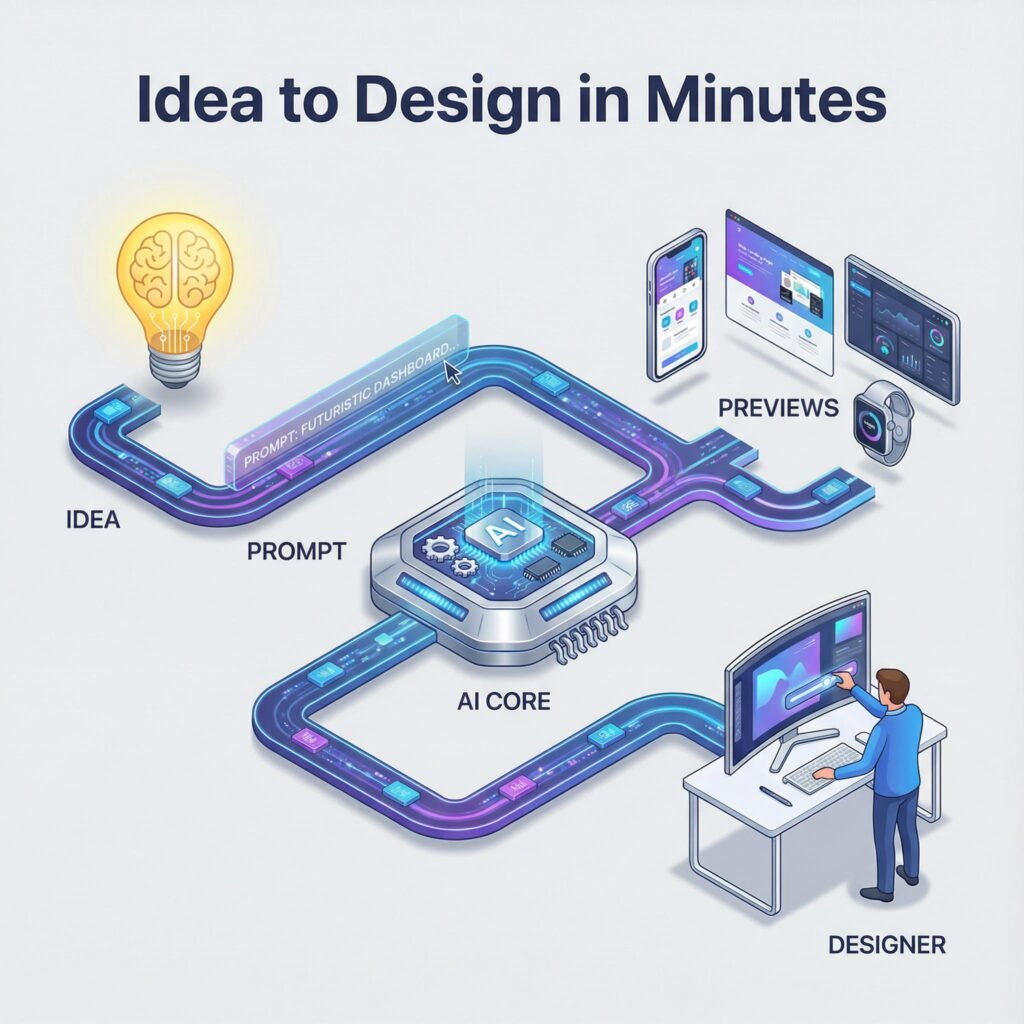




 Photo by
  Photo by