Intro: Exploring how AI technology is revolutionizing pet communication by translating animal behaviors and vocalizations into human-understandable insights. It covers the science behind pet communication, current AI tools available, practical implementation tips, and future possibilities while addressing ethical considerations.
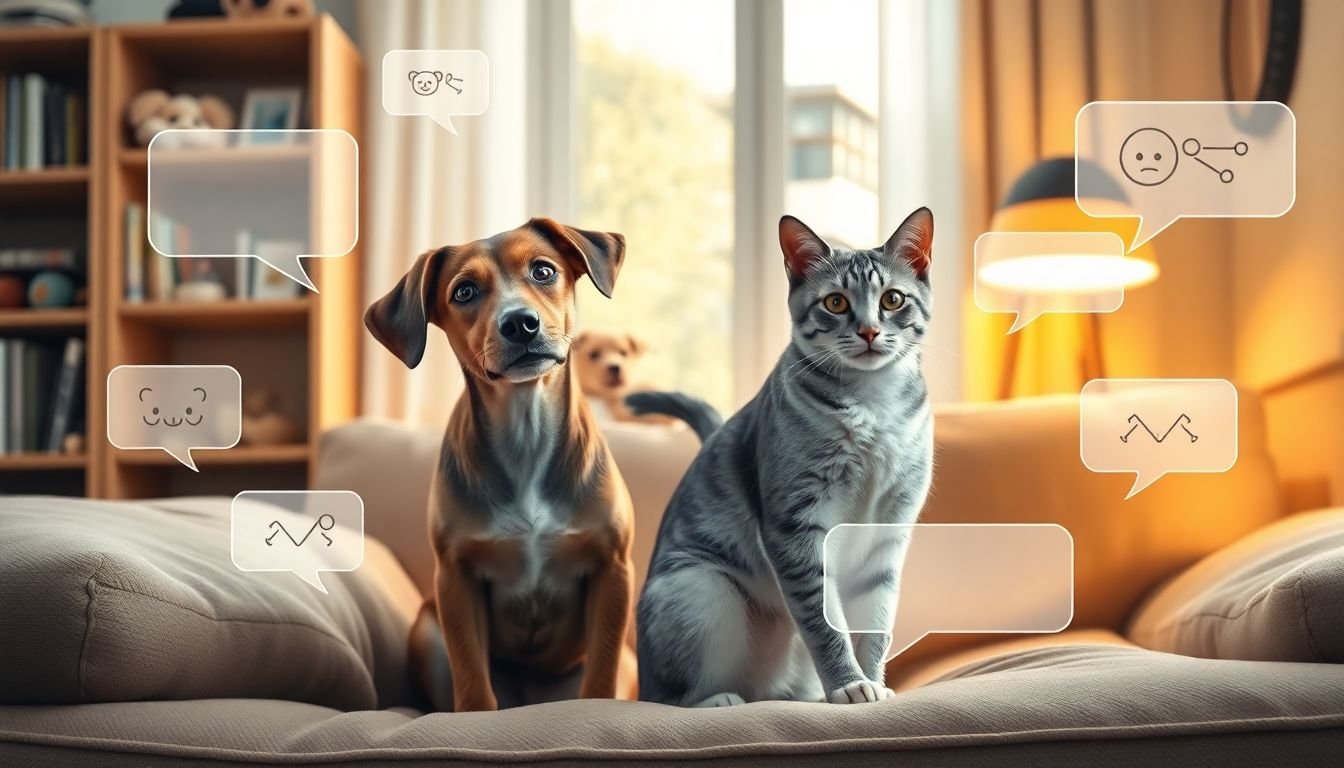
Ever curious about what your pet thinks? Wonder if a wag means happiness or a bark danger? Pets communicate well, but we often miss their signals. AI technology now makes understanding them easier. These tools translate animal behaviors into words we get. They’re changing how we care for and connect with our pets. This makes our bonds stronger and more meaningful.
The Science Behind Pet Communication and AI
How Pets Express Themselves Through Behavior and Vocalizations Animals don’t speak our language, but they send clear signals. A wagging tail shows joy, a growl means threat, and hiding shows fear. Body language, sounds, and scent cues tell us what’s happening inside their minds. For example, a stretching cat feels relaxed, while a hunched dog is scared. These signs can be subtle. If you’re not paying attention, you might miss what they’re trying to say. The Role of AI in Decoding Animal Signals AI brings new magic to animal communication. It uses machine learning and pattern recognition to analyze behaviors and sounds. By studying thousands of pet recordings and actions, AI systems learn to spot patterns. Recent research shows AI can identify specific emotional states with surprising accuracy. This technology gives pet owners a new way to understand their animals better. It’s like having a translator for your pet’s thoughts.
Limitations and Challenges of Current Technology
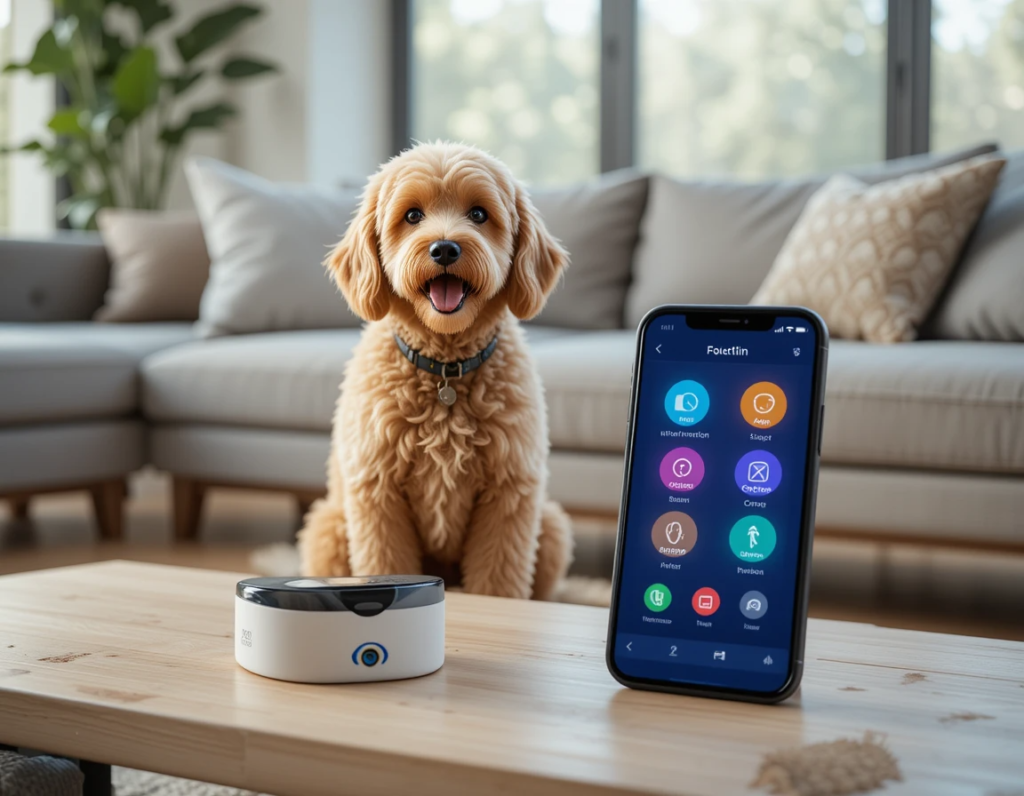
But it’s not perfect. AI can get confused by context or unusual behaviors. It might misinterpret a yawn or a specific bark if it’s not trained well. Animal behavior experts say AI is still evolving. It needs more data and refinement. We shouldn’t think of it as a crystal ball, but as a helpful tool. Its future is bright, and as it improves, so will its ability to read pets’ minds more accurately. Leading AI Tools for Understanding Your Pet Popular Devices and Apps in the Market Many companies now offer AI-powered pet translation tools. Notables include Furbo, PetPiper, and NoMoreWoofs. These devices serve different needs — some focus on real-time translation, others on analyzing behavior over time. Features often include automatic alerts for distress, health issues, or unusual activity. These tools make understanding pets easier and more reliable than ever before. How These Tools Work: From Data Collection to Interpretation Here’s how it all works: You set up a device near your pet. It captures sounds like barking, meowing, or whining, and monitors body language. The system uses voice recognition and cameras to analyze behavior. After processing, it translates signals into simple insights, delivered straight to your phone. Think of it as a digital interpreter that turns a bark into “I’m excited” or a swipe into “I’m nervous.”
Advantages of Using AI-Powered Pet Communication Tools
The benefits are clear. You gain a deeper understanding of your pet’s needs. This means better care, happier pets, and fewer surprises. These tools can also alert you if your pet shows signs of stress, illness, or discomfort. Plus, they strengthen your bond because you connect on a new level. Knowing what your pet really feels makes caring more personal. Practical Tips for Pet Owners Using AI to Decode Pet Talk Setting Up the Technology Correctly Proper setup is key. Place devices in quiet spots, away from distractions. Calibrate sensors according to instructions for the best results. Keep your pet comfortable — no one wants a stranger’s device staring at them all day. Also, check privacy settings to protect your data from outsiders. Interpreting the Data Accurately AI provides clues, but it’s up to you to interpret them. Use traditional pet knowledge — like habits and mood — combined with AI insights. If your pet’s behaviors seem unusual and AI warns you, consider seeing a vet. No device can replace professional advice. Using AI Insights for Better Pet Care Take AI feedback seriously. Adjust your training routines or home environment based on what you learn. If your pet shows signs of anxiety or pain, address it early. These tools can even help create more fun and engaging daily routines. This improves your pet’s overall well-being. Ethical Considerations and Future Outlook Animal Welfare and Privacy Concerns More monitoring means more data on your pet. Some worry about privacy or over-surveillance. It’s key to use these tools wisely — keep data safe and avoid being too invasive. It’s about respecting your pet’s dignity while learning more about them.
The Future of AI in Pet Communication
The future is bright. New AI features will detect emotions better and offer personalized care plans. Imagine a smart home that changes to match your pet’s mood or health. These advancements could strengthen our bond with pets and make caring for them more thoughtful and caring. Conclusion AI is opening new ways to understand your pet’s world. It’s like finding a secret language that brings us closer. These tools help us care better, respond quicker, and love more deeply. Whether you’re new to pet ownership or have been caring for animals for years, AI can be a game-changer. By embracing technology, we can build stronger, more caring relationships with our pets. When we truly understand each other, we all benefit.
Pets are no longer just animals; they are family members. Pet owners want the best for their furry friends, including advanced ways to keep them safe. Technology is changing fast, and AI is now part of daily life. From smart homes to health apps, AI is making pet care smarter and easier. In 2025, AI pet trackers become essentials that help owners stay connected and protect their pets like never before.
The Rise of AI Pet Trackers: A Game-Changer in Pet Care
Explosion in Pet Tech Market
The pet tech market is booming. More pet owners are buying smart devices every year. This growth is driven by the desire for better safety, health, and peace of mind. Among these devices, AI pet trackers lead the way. They attract consumers because they offer more than basic GPS — they provide insights and alerts that can save lives.
How AI Enhances Pet Monitoring
Traditional GPS and activity trackers only show location or activity level. AI-powered pet trackers do much more. They analyze data in real time using machine learning algorithms. These devices can identify patterns, predict issues, and send alerts instantly. This makes monitoring pets easier and more accurate. For example, if your dog starts acting strange, the tracker might flag this early, prompting you to see a vet.
Real-World Examples of AI Tracker Adoption
Companies like Whistle Health and FitBark are now working with veterinary clinics. Their data shows positive results. Pets using these trackers often show improved health and faster diagnosis of illnesses. The integration of AI helps veterinarians understand pet behavior and health trends over time, leading to better treatment plans.
Benefits of AI Pet Trackers for Pet Owners
Improved Safety and Security
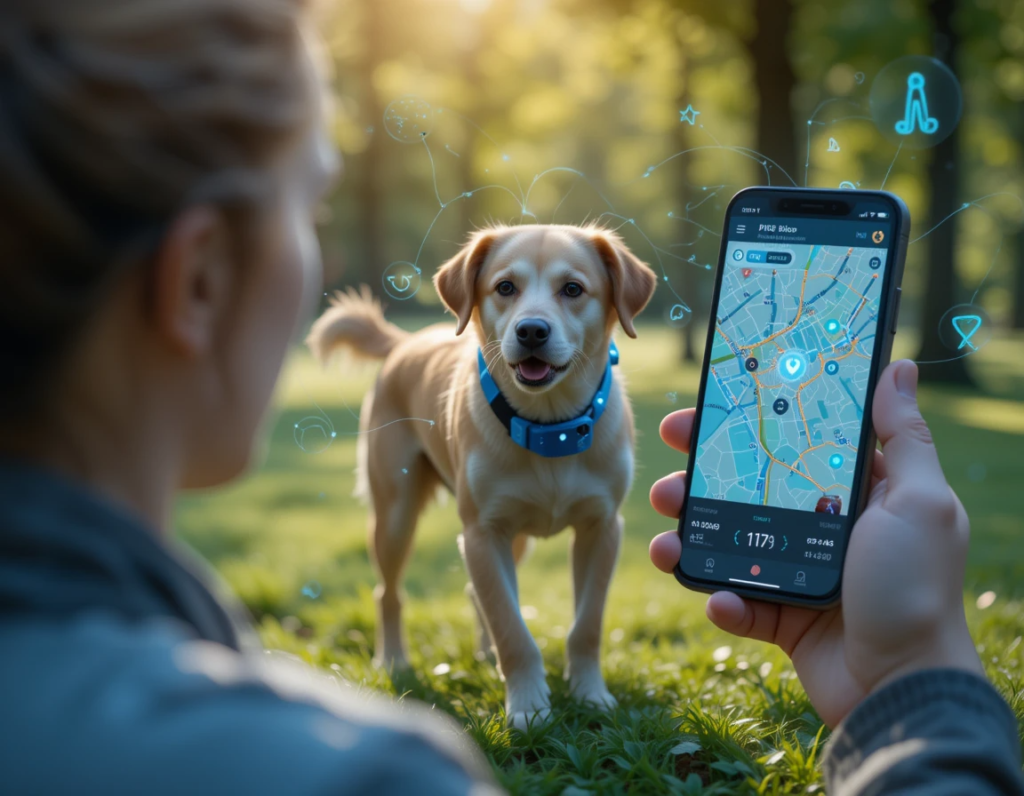
AI trackers keep pets safe with GPS location and fences. If your pet leaves a designated area, you get an instant alert. Some trackers detect falls or unusual movements too. This can be a lifesaver if your pet gets off the leash or wanders into danger.
Enhanced Health Monitoring
These trackers aren’t just for safety. They continuously check vital signs and activity levels. If something changes—like a drop in activity or abnormal heart rate—they can warn you early. This helps catch health issues before they become serious.
Peace of Mind and Convenience
Access everything from your phone. You can see your pet’s location, activity, and health stats at any time. Managing multiple pets? No problem. Share access with family or pet sitters easily and stay updated no matter where you are.
Actionable Tips
Check tracker data often and set custom alerts for your pet.
Use insights from the tracker to discuss health concerns with your vet.
Complement tech with regular vet visits for total pet health.
Technological Advancements Making AI Pet Trackers Essential
Integration of IoT and AI
The Internet of Things (IoT) connects your pet’s tracker with other smart devices. For instance, it can work with smart feeders, cameras, or home assistants. Cloud computing stores and processes pet data, making information available anytime and anywhere.
Features Expected in 2025
Upcoming trackers will come with biometric sensors to monitor heart rate, body temperature, and sleep. AI will analyze this data to reveal health risks early. They might even suggest behavioral changes or automatically alert you to safety concerns.
Data Privacy and Security
As these devices get smarter, guarding pet data becomes critical. Pet owners should look for trackers with encrypted data and secure cloud storage. Always verify how a company manages privacy and considers data security a top priority.
Challenges and Considerations
Cost and Accessibility
High-end AI pet trackers often cost between $150 and $300. For many, this can be a big investment. However, there are options for different budgets. Basic models might lack some features but still provide valuable safety.
Dependence on Connectivity
Poor internet can interfere with the performance of AI trackers. Offline data storage can help, but real-time alerts may wait until the connection improves. Always check the connectivity dependency before buying.
Ethical Concerns
Constant monitoring raises privacy issues. Some might see it as invasive. It’s important for pet owners to use these tools responsibly. Respect your pet’s privacy and avoid over-surveillance.
Future Trends in AI Pet Tracking
Personalization and Predictive Analytics
Future AI devices will learn your pet’s habits and predict problems before they happen. For example, if your cat shows signs of arthritis, the tracker might flag this early.
Integration with Smart Home Ecosystems
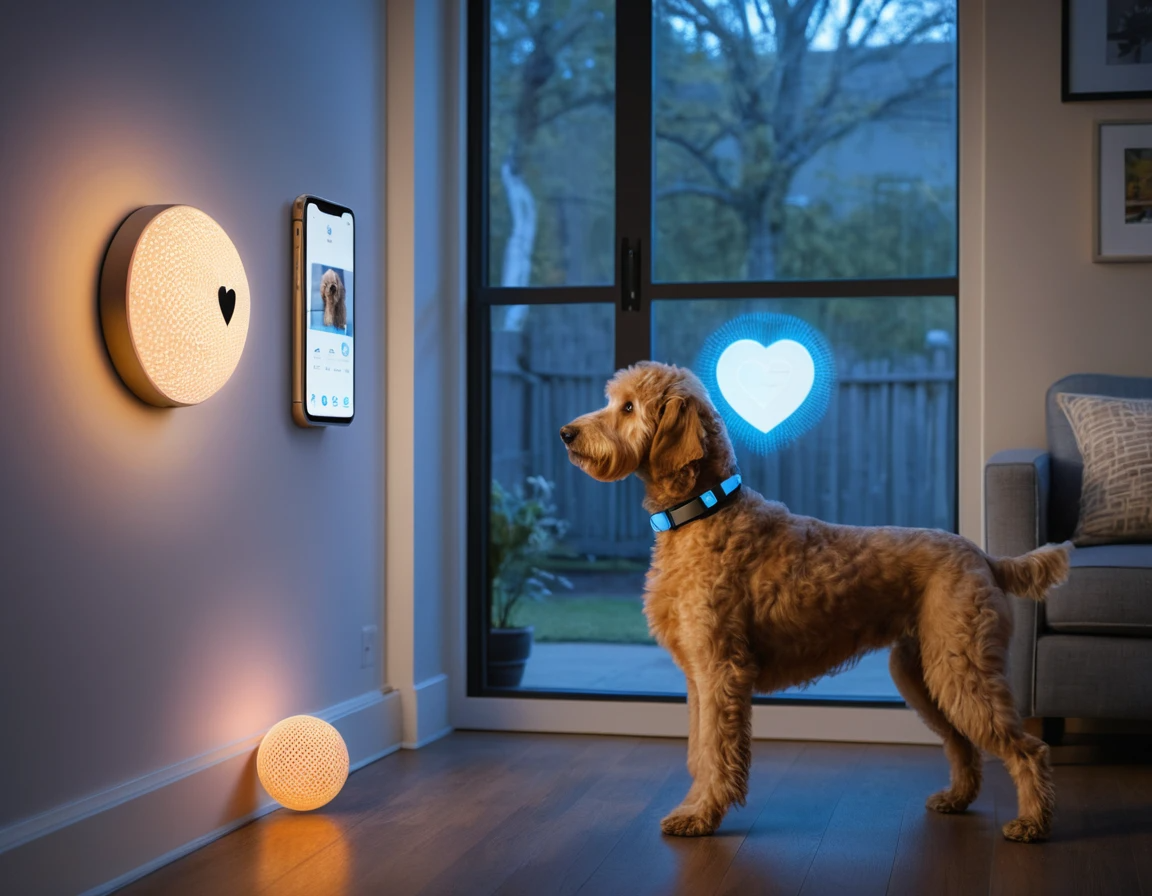
AI trackers will sync with other smart home devices. Think of a system that adjusts the thermostat based on your pet’s activity or notifies you if your pet is near the smart camera.
Regulatory and Industry Developments
Expect new standards, certifications, and best practices for AI pet trackers. As technology spreads, industry leaders will push for ethical and privacy-friendly products.
Conclusion
AI pet trackers in 2025 aren’t just gadgets; they’re vital tools for pet owners. They combine safety, health monitoring, and technology to protect and care for your furry friends. Whether you’re worried about safety or health, these devices have you covered. Think about your pet’s needs today and consider adopting AI-powered solutions. Your pet’s well-being and your peace of mind may depend on it.
Smart devices now watch our heartbeats and thermostats. AI pet surveillance is the new frontier. Cameras watch your cat’s naps, GPS tracks your dog’s adventures, and robots mimic love. But, how much is too much? Who benefits more—the pet, the owner, or the tech companies?
This blog explores AI pet tech’s promises and problems. We’ll look at health benefits and privacy concerns. Why is AI pet surveillance exciting and worrying at the same time?
1. The Rise of AI Pet Surveillance: Convenience or Control?
The pet tech market is booming, set to reach $17.25 billion by 2030. Devices like GPS trackers and smart feeders are leading the way. Companies like Tractive and Petcube offer cool features like 360° video and treat dispensers.
Mars Petcare’s “Dog Interpreter” campaign uses AI to translate dog reactions. It’s funny but shows a shift: pets are becoming data points. AI tools track sleep, activity, and sounds, creating detailed profiles.
But critics say this data focus turns pets into algorithms. A vet said, “A wagging tail tells a story, not just yes or no.”
2. Privacy in the Age of AI Pet Surveillance
Who owns your pet’s data? AI devices collect lots of info, from walking routes to home layouts. In 2025, California might regulate AI apps after a teen’s suicide. Could pet tech face similar rules?
Startups like Sylvester.ai and DIG Labs say they protect privacy. But, data breaches are a risk. Imagine hackers watching your home or selling your pet’s data. We need strong encryption and clear data policies.
3. AI Pet Surveillance as a Health Lifeline
Not all AI pet tech is bad. It’s changing vet care for the better. For example:
Fear Free and Sylvester.ai use cameras to detect pain in cats, spotting arthritis early.
Ollie’s DIG Labs lets owners scan their dog’s face for allergies and get meal plans.
Avant Wellness’s laser therapy uses AI for faster healing without surgery.
These tools help owners act early. A user said, “My cat’s AI tracker found kidney issues before symptoms showed—it saved her.”
4. The Emotional Cost of Digital Oversight
AI pet surveillance may give peace of mind but changes the bond with pets. In China, lonely people get AI pets like BooBoo. But can machines truly connect?
Pets respond to emotional cues, like voice tone, that machines can’t mimic. Relying too much on tech might make us less caring. Dr. Linda Chou says, “A treat-dispensing camera isn’t a hug.”
Conclusion: Where Do We Draw the Line?
AI pet surveillance is here to stay, offering undeniable benefits but demanding tough conversations. Should we prioritize convenience over companionship? Can we trust corporations with our pets’ biometric data? And how do we balance innovation with empathy?
The answer lies in mindful adoption. Use AI to enhance—not replace—the quirks and connections that make pet ownership meaningful. Share your thoughts: Is your pet’s privacy a price worth paying for their safety?
A Profound Question to Ponder
If AI could perfectly predict your pet’s every need, would you still cherish the messy, spontaneous moments that defy algorithms?
In a world where technology seems to be infiltrating every aspect of our lives, it’s natural to feel a bit hesitant about embracing AI in your pet care routine. After all, the bond between you and your furry companion is deeply personal and intuitive—something that technology could never replace, right? That’s a reasonable concern, but Pet Madness Inc.’s revolutionary AI-driven pet ecosystem, launched on March 7, 2025, is challenging those assumptions and may convince even the most skeptical pet parents to reconsider.
The $350 billion pet industry has remained relatively unchanged for decades, with innovations typically limited to new food formulations or slightly improved toys. “The pet industry is long overdue for a tech revolution,” says Alexa Elliot, CEO of Pet Madness Inc. Her perspective comes from personal experience: “For 37 years, my family ran a pet retail store, but like many small businesses, we lacked the resources to implement AI and cutting-edge technology.”
That gap in the market is precisely what Pet Madness aims to fill, creating the first-ever reciprocal AI pet network that connects pet owners, brands, veterinarians, and service providers. But what does this actually mean for you and your pet? Let’s explore ten ways this AI ecosystem could transform how you care for your four-legged family member.
1. Smart Collar Technology That Actually Understands Your Pet
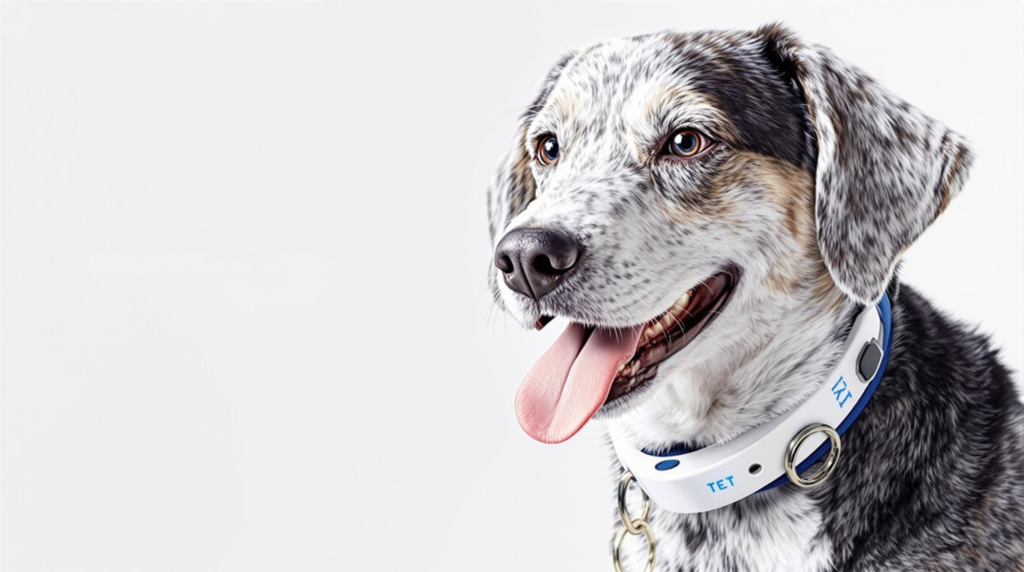
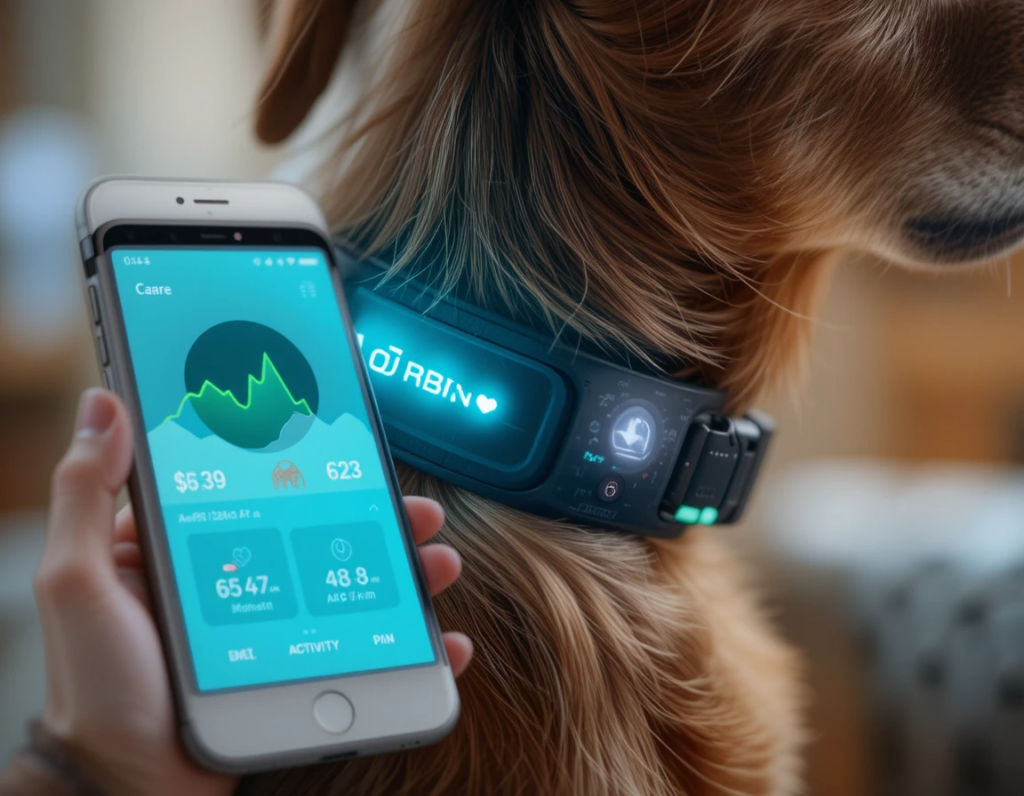
The Matrix Smart Collar, one of Pet Madness’s flagship products, goes far beyond simple GPS tracking. Using sophisticated sensors and AI algorithms, it monitors your pet’s vital signs, activity levels, and behavioral patterns to create a comprehensive health profile.
“Traditional pet collars are just accessories,” explains Dr. Maya Patel, a veterinarian who has been testing the Matrix Smart Collar. “This technology acts more like a silent guardian, constantly assessing your pet’s condition and alerting you to changes that might indicate a problem.”
For pet owners who worry about missing subtle signs of illness, this continuous monitoring provides peace of mind. The collar can detect unusual behavior patterns—like decreased activity or disrupted sleep—that might escape even the most attentive owner’s notice.
2. Health Alerts That Could Save Your Pet’s Life
Perhaps the most compelling aspect of Pet Madness’s AI ecosystem is its potential to detect health issues before they become critical. The Sparty AI system, named after Elliott’s late dog who suffered from seizures, analyzes data from the Matrix Smart Collar to identify concerning patterns.
“If Sparty had been wearing this collar, we might have detected his seizure condition earlier,” Elliott shares. “That’s what drives our mission—preventing other families from experiencing what we went through.”
The system can recognize subtle changes in gait that might indicate joint pain, irregular heart rhythms that could signal cardiac issues, or changes in water consumption that might point to kidney problems. For skeptics, consider this: these health indicators are based on established veterinary medicine, with AI simply making the monitoring process continuous rather than limited to occasional vet visits.
3. Personalized Recommendations Based on Your Pet’s Unique Needs
One size never fits all when it comes to pet care, and Pet Madness’s AI ecosystem acknowledges this reality. By analyzing your pet’s specific health data, breed characteristics, age, and activity levels, the system provides tailored recommendations for food, exercise, and care routines.
“What impressed me most was how the system adjusted its recommendations as my dog aged,” says Michael Torres, an early tester of the platform. “When Bella turned nine, the AI suggested modifications to her exercise routine and recommended supplements to support her joint health—things I wouldn’t have thought about on my own.”
This level of personalization addresses a common concern about AI: that it’s too generic to be useful. Instead, Pet Madness has created an ecosystem that becomes more individualized the more it learns about your specific pet.
4. Seamless Integration with Veterinary Care
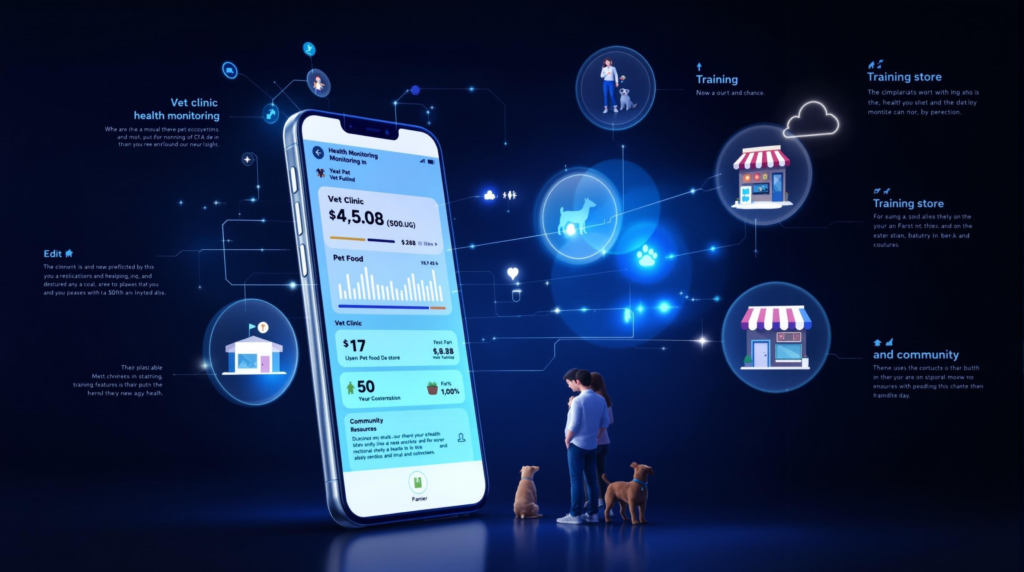
Perhaps the most practical benefit of Pet Madness’s ecosystem is how it bridges the gap between at-home care and professional veterinary services. The platform stores your pet’s health history, medication schedules, and real-time health data, which can be shared directly with your veterinarian.
“Having access to continuous health data between visits gives me a much clearer picture of a pet’s condition,” explains Dr. Sarah Johnson, a veterinarian participating in Pet Madness’s pilot program. “Instead of relying on an owner’s recollection of symptoms, I can see exactly what’s been happening with the pet over time.”
This data sharing can be particularly valuable in emergency situations, when every minute counts and accurate information is crucial for proper treatment.
5. Supporting Rescue Efforts and Shelter Pets
Beyond individual pet care, Pet Madness’s ecosystem has a broader mission: saving lives on a larger scale. Every purchase within the Sparty-powered network contributes to pet rescues and veterinary funding, with the company aiming to save over 2 million pets annually.
For shelter animals, the AI system can help match them with compatible homes by analyzing potential owners’ lifestyles and preferences against the animal’s temperament and needs. This data-driven approach to adoption could reduce return rates and ensure more successful long-term placements.
“We’re using technology not just to improve care for pets who already have loving homes, but to help those still waiting for their forever families,” Elliott emphasizes.
6. Streamlining the Daily Routines of Pet Ownership
Let’s face it: as much as we love our pets, managing their care can sometimes feel overwhelming. Pet Madness’s ecosystem aims to simplify these tasks through automation and smart reminders.
The platform can track vaccination schedules, medication needs, and grooming appointments. It can automatically reorder food and supplies before you run out. And perhaps most impressively, it can adjust these routines based on changing needs.
“When my cat was diagnosed with diabetes, the system helped me manage her medication schedule and dietary restrictions,” shares Emma Chen, another early adopter. “It took some of the stress out of a difficult situation.”
7. Building Community Through Shared Experiences
One of the more surprising aspects of Pet Madness’s ecosystem is its social dimension. The platform connects pet owners with similar pets or challenges, creating support networks and sharing knowledge.
For new pet owners, this community aspect can be invaluable. Have a question about your puppy’s behavior? The AI can match you with experienced owners who’ve navigated similar issues. Concerned about a recent diagnosis? Connect with others managing the same condition.
“Technology often gets criticized for isolating people, but we’re using it to bring pet lovers together,” says Elliott. “The AI helps make these connections meaningful by identifying genuine commonalities.”
8. Making Premium Pet Care More Accessible
High-quality pet care has traditionally come with a high price tag, but Pet Madness is working to democratize access through its AI-driven platform. By automating certain aspects of care and providing early detection of potential health issues, the system can help reduce overall veterinary costs.
“Prevention is always less expensive than treatment,” notes Dr. Johnson. “By catching problems early, pet owners can avoid costly emergency interventions and manage health issues more effectively.”
Additionally, the ecosystem’s partnership network creates opportunities for exclusive discounts and deals on premium products and services, making quality care more affordable for budget-conscious pet owners.
9. Addressing Privacy and Ethical Concerns
For those wary about the privacy implications of an AI-powered pet care system, Pet Madness has implemented robust data protection measures. Pet owners maintain control over who can access their pet’s information, with explicit consent required for data sharing.
“We understand that some people are hesitant about AI because of privacy concerns,” acknowledges Elliott. “That’s why we’ve designed our system with transparency and user control as guiding principles. Your pet’s data belongs to you, not us.”
The company has also established an ethics advisory board comprising veterinarians, animal welfare experts, and technology ethicists to guide the platform’s development and ensure responsible innovation.
10. Evolving With Your Pet Throughout Their Lifetime
Perhaps the most profound aspect of Pet Madness’s AI ecosystem is its ability to learn and evolve alongside your pet. Unlike traditional pet products that serve a single purpose, this technology adapts to changing needs across different life stages.
From puppyhood to senior years, the system adjusts its recommendations, monitoring parameters, and care protocols to address age-specific concerns. This longitudinal approach to pet care reflects a deeper understanding of the pet-owner journey.
“What we’re building isn’t just a product—it’s a companion for the entire journey with your pet,” explains Elliott. “We want to be there from those first playful days through the golden years, helping you provide the best possible care at every stage.”
Finding Balance in a Tech-Enhanced Pet Care World
As with any technological innovation, the key to successfully integrating AI into pet care lies in finding the right balance. Pet Madness’s ecosystem isn’t designed to replace the intuitive connection between you and your pet or substitute for professional veterinary care. Instead, it aims to enhance these relationships by providing additional insights and support.
For those still uncertain about embracing AI in this deeply personal aspect of life, Elliott offers this perspective: “Technology should never diminish the human-animal bond—it should strengthen it by giving you more quality time together and less worry.”
The pet industry’s transformation through AI is inevitable, but companies like Pet Madness are working to ensure this evolution happens thoughtfully, with the wellbeing of pets and the peace of mind of their owners as the primary focus.
Whether you’re an early adopter eager to try the latest pet tech or a skeptic still weighing the benefits against the concerns, Pet Madness’s AI ecosystem offers a compelling vision of how technology and tradition can coexist in the world of pet care. By addressing practical needs while respecting the irreplaceable nature of the human-animal bond, this innovation may indeed change how we think about caring for our beloved companions—not by replacing our intuition, but by giving it powerful new tools to work with.
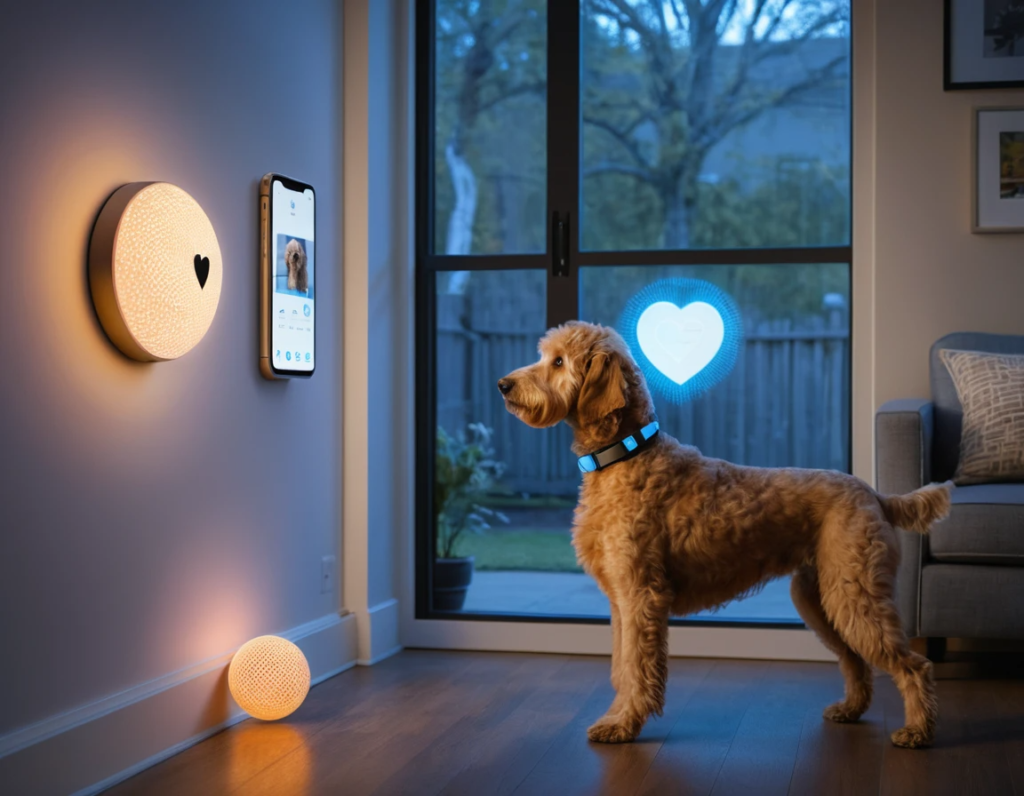
Imagine Sparky, your energetic terrier,, wearing a high-tech collar. This collar tracks his heart rate, activity, and sleep. If Sparky’s heart rate goes up too high, you’ll get a warning. Is this the future of pet care, or are we going too far?
Artificial intelligence (AI) is changing many areas of our lives. It’s also changing how we care for our pets. AI uses computers to analyze data, make predictions, and automate tasks in pet care.
AI can make pets’ lives better in many ways. But it also raises big questions. What do we do with all the pet data? Are we relying too much on technology? AI is exciting, but we need to think about ethics, data privacy, and not relying too much on it.
AI-Powered Pet Health Monitoring: A Pawsitive Step?
Wearable tech is now for pets too! They can wear smart collars and devices. These gadgets collect lots of data about your pet’s health and activity. They use algorithms to track vital signs, activity levels, sleep patterns, and even emotional states of pets.
Early Disease Detection: Catching Problems Before They Escalate
Imagine finding a disease early. AI can help with that. AI algorithms can analyze pet health data. They look for early signs of illness or distress before they become serious.
For example, sudden changes in activity levels or sleep patterns could mean it’s time for a vet visit. These algorithms find unusual patterns. They might notice changes in heart rate or activity levels. These small changes could be early warning signs. With AI, vets and pet owners can act fast.
Personalized Nutrition Plans: Tailoring Diets for Optimal Wellness
Every pet is different. A Great Dane has different needs than a tiny Chihuahua. AI can create custom diet plans. These plans consider breed, age, activity level, and health.
An AI program can suggest the perfect food and portions for your pet. AI analyzes genetic data, microbiome profiles, and individual health markers. This creates highly precise nutrition plans. AI assistants can design meals, generate shopping lists, and even provide personalized recipes. This helps your pet stay healthy and happy.
The Data Privacy Question: Who Has Access to Your Pet’s Information?
Think about all the data these devices collect. Heart rate, location, activity levels – it’s a lot! Who gets to see this information? Is it safe? Recent research has uncovered several alarming issues with pet tech applications.
User location data was visible in certain applications
Many apps included tracking software that gathered information on users and their devices
Several apps violated data protection regulations by tracking users before obtaining consent
These vulnerabilities could potentially allow malicious actors to access sensitive information about both pets and their owners. Data security is a big worry. What if someone misused your pet’s data? To safeguard your pet’s information, consider the following precautions:
Use unique, strong passwords for pet health apps and devices
Carefully review app permissions and privacy settings
Be cautious about sharing location data and other sensitive information
Choose reputable pet tech providers with strong privacy policies
Stay informed about the latest developments in pet tech security. These are vital questions we must ask. As the pet tech industry grows, it’s crucial for pet owners to stay vigilant about data privacy and for regulators to address these challenges.
AI-Driven Pet Entertainment and Companionship: Is It a Substitute for Human Interaction?
AI is also changing how we entertain our pets. Smart toys, robotic pets, and virtual assistants are becoming popular. But are these high-tech gadgets good for our pets? Do they replace real human interaction? When selecting a smart toy for your pet, consider: Your pet’s size and play style
The toy’s durability and safety features
The level of challenge appropriate for your pet’s age and intelligence
Smart Toys: Keeping Pets Mentally Stimulated and Engaged
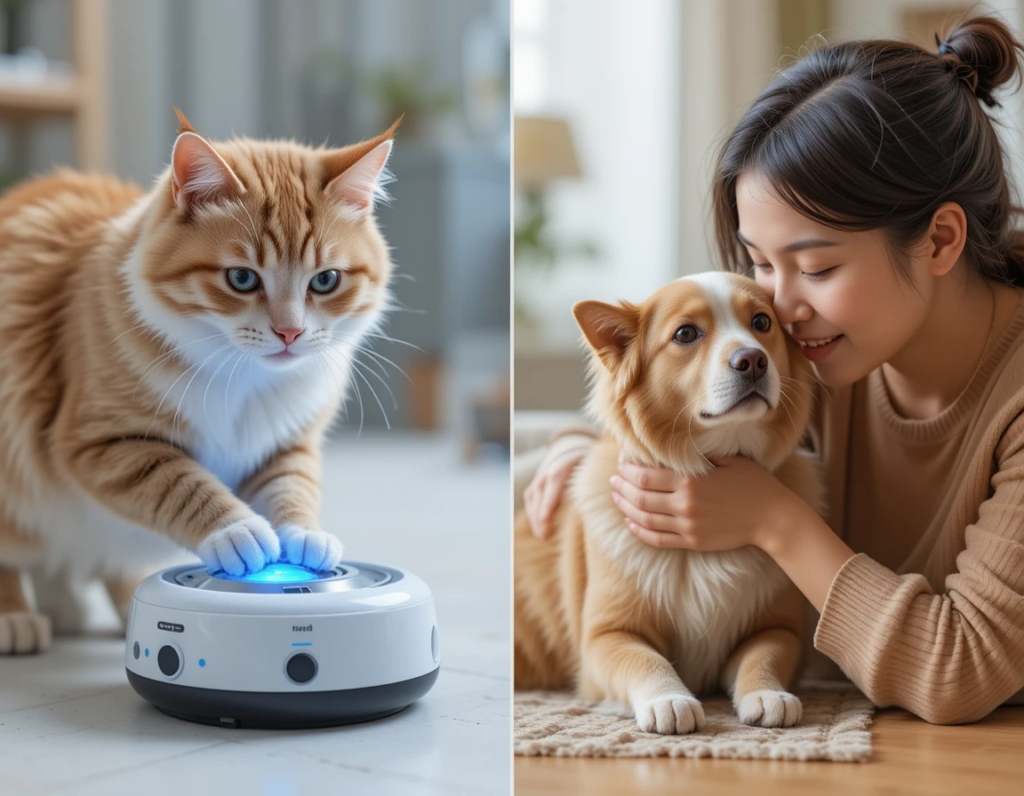
Bored pets can get into trouble. Smart toys can keep them entertained. These toys use AI to adapt to your pet’s play style.
Some toys even learn your pet’s preferences. The toys can adjust the difficulty as your pet learns. This keeps them challenged and engaged.
Robotic Pets: A Solution for Lonely Animals or a Poor Replacement for Affection?
Some pets get lonely when their owners are away. Robotic pets could be a solution. These robots can provide companionship.
They can play, interact, and even offer comfort. But can a robot replace real affection? It’s a tough question. For pets with serious separation anxiety, it might help.
The Risk of Over-Reliance: Are We Neglecting Real Interaction?
Technology is great, but it shouldn’t replace human interaction. The increasing prevalence of smart toys and AI-powered pet technologies has raised concerns.
It’s about over-reliance on these devices, potentially leading to neglect of real, meaningful interactions between humans and their pets. Pets need love, attention, and playtime with their owners. It is vital to maintain the bond with your pet.
Are we spending too much time with screens and not enough with our pets? Something to think about. The use of smart devices may have unintended consequences on pet behavior.
Some participants reported negative impacts on their pets’ behavior due to the introduction of these technologies. While smart pet technologies can provide valuable insights and convenience, it’s crucial to maintain a balance:
Use technology as a supplement, not a replacement for personal care and attention.
Prioritize direct interaction and playtime with pets.
Be mindful of how pets respond to smart toys and adjust usage according.
Regularly assess the necessity and impact of each pet tech device in use.
AI in Veterinary Medicine: Revolutionizing Diagnosis and Treatment?
AI is also transforming veterinary care. It’s helping vets diagnose and treat animals better than before. Let’s examine how AI is changing the game.
Enhanced Diagnostic Accuracy: Faster and More Reliable Results
AI can analyze X-rays and scans with amazing accuracy. AI-powered image recognition can spot diseases early. The result can be faster diagnoses.
This allows vets to start treatment sooner and improve outcomes. It is a true game-changer.
AI-Assisted Surgery: Precision and Minimally Invasive Procedures
Surgery can be scary, but AI can help. AI can assist surgeons during complex procedures. This leads to greater precision and accuracy.
AI can help with minimally invasive procedures. This could mean smaller incisions, less pain, and faster recovery for your pet.
Over-Dependence on Technology: Maintaining the Human Touch in Vet Care
Even with all this tech, vets still need to use their skills. Empathy, intuition, and experience are vital. A machine can’t replace a vet’s caring touch.
It is important to balance technology with human care.
Ethical Considerations and the Future of AI in Pet Care: Navigating the Unknown
AI in pet care is still new. One of the primary ethical concerns surrounding AI in pet care is the protection of sensitive data. AI-powered systems collect and analyze vast amounts of information about pets and their owners, raising critical questions about data privacy and security.
There are many ethical questions we need to consider. Veterinary practices must implement robust cybersecurity measures to safeguard this information from breaches or misuse. It’s crucial for practices to:
Inform clients about AI use and allow them to opt out if they have privacy concerns.
Limit data sharing and provide clear disclosures about how pet health data is obtained, stored, and used
Regularly audit and update AI systems to ensure ongoing compliance with data protection regulations What are the potential risks? How do we make sure AI benefits all pets? Currently, there is a lack of specific regulatory oversight for veterinary AI products, unlike human medical AI. The veterinary community must:
Advocate for the development of appropriate regulatory frameworks
Establish industry standards for the validation and testing of AI tools in veterinary contexts
Stay informed about legal changes and ensure ongoing compliance
Bias in Algorithms: Ensuring Fairness for All Breeds and Species
AI algorithms learn from data. If the data is biased, the algorithm will be too. Algorithmic bias in veterinary AI can stem from several factors:
Limited data diversity: AI systems trained on datasets that lack representation of various breeds, species, or health conditions may perform poorly for underrepresented groups.
Inherent biases in training data: Existing biases in veterinary practices or historical data can be perpetuated by AI algorithms.
Breed-specific assumptions: AI may inadvertently reinforce stereotypes or myths about certain breeds, leading to skewed recommendations. This could mean that certain breeds or species don’t benefit as much. Unchecked algorithmic bias can result in:
Misdiagnosis or delayed diagnosis for certain breeds or species
Unequal access to treatment options
Perpetuation of breed-specific health myths
Skewed research priorities and resource allocation We need to make sure AI is fair to all animals.
The Responsibility of Pet Owners: Making Informed Choices
As pet owners, we need to be informed. While AI offers numerous benefits, it’s crucial for owners to approach these innovations thoughtfully and critically. Pet owners should educate themselves about AI-powered pet care products before adoption. This includes:
Researching how the technology works
Understanding data collection and privacy policies
Evaluating the potential impact on their pet’s well-being It is important to understand the limits of AI technologies. Know the risks. Ask questions. Make smart choices for your pet.
The Future of Pet Care: Striking a Balance Between Technology and Tradition
AI has the potential to make pet lives better. Blending cutting-edge technology with traditional practices to create a more comprehensive and personalized approach to animal wellness. We need to strike a balance. Technology should enhance, not replace, the bond between pets and their owners. Regular physical interaction and playtime remain essential for a pet’s emotional well-being. Keep the bond between humans and animals strong. Use technology wisely. Holistic Approach: Combining tech-driven solutions with natural remedies and hands-on therapies can provide a more comprehensive approach to pet wellness.
Veterinary Oversight: While AI and telehealth services are valuable tools, they should complement rather than replace regular in-person veterinary check-ups. As we move forward, the key to successful pet care lies in leveraging technology to enhance traditional practices, not replace them. By striking this balance, we can ensure that our pets receive the best possible care, combining the wisdom of traditional methods with the innovations of the digital age. The future of pet care depends on it.
Conclusion
AI offers both benefits and risks for our pets. AI can improve health monitoring and entertainment. But we must consider data privacy and over-reliance on tech.
Responsible innovation and ethical considerations are vital. By thoughtfully integrating these advancements, the pet care industry can create a future where pets receive the best possible care. Stay informed. Make smart choices about using AI for your pets. Learn more and consider the possibilities, before deciding.
Is AI right for your pet? Find out more today. Start your research and protect your best friend.