
Tag: AIPets

  • 5 Tiniest AI Pet Robots in the World: Big Tech in Small Packages

    5 Tiniest AI Pet Robots in the World: Big Tech in Small Packages

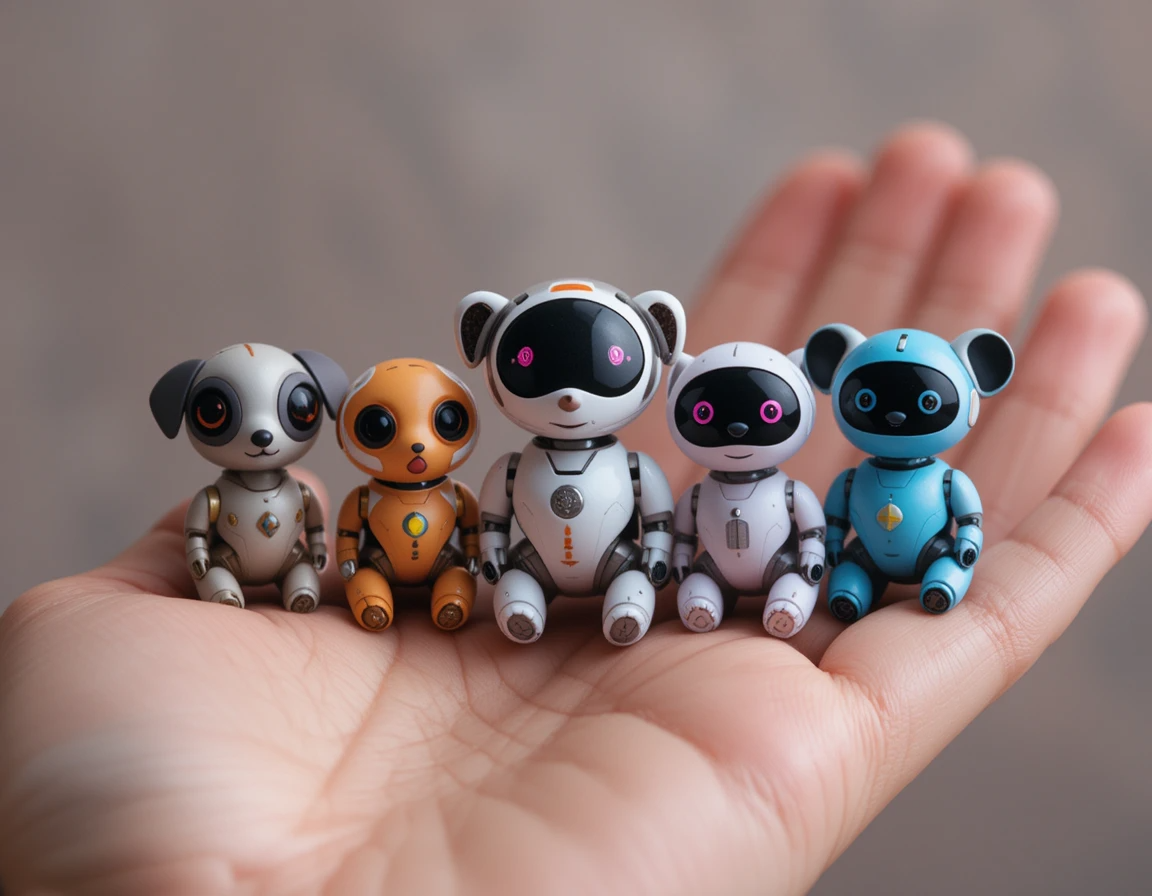
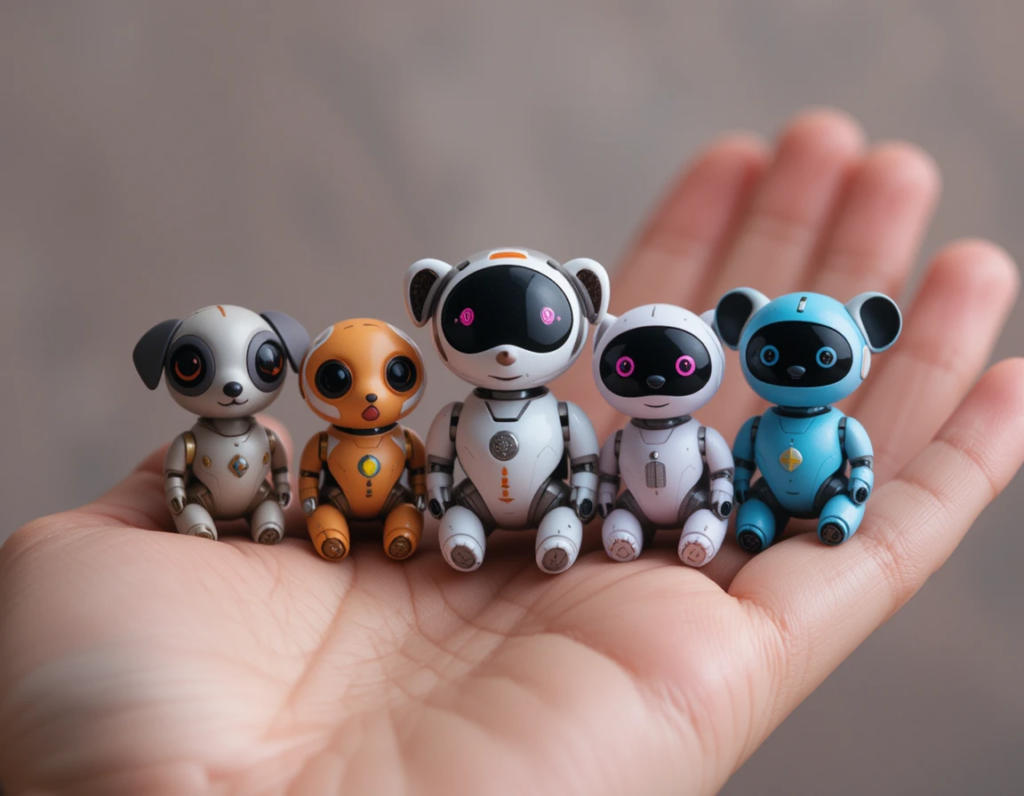
    "Five tiny AI pet robots sitting on an open palm, showcasing their pocket-sized dimensions and unique designs."

    Imagine a world where companionship fits right in your hand! Picture a tech gadget that’s also your friend. AI pet robots are here, and they’re changing how we think about personal tech.

    AI pet robots are like interactive toys with brains. They use artificial intelligence to act like real pets. They can play, learn, and even show affection. Now, let’s explore five of the tiniest AI pet robots. We’ll see what makes them special and how small they can really get.

    What Defines a “Tiny” AI Pet Robot?

    What does “tiny” really mean when we’re talking about robots? It’s all about size and weight. But it’s also about what these little guys can do despite their size.

    Size and Weight Considerations

    For our list, “tiny” means they can fit in your palm. These robots usually weigh less than a pound. They are made to be super easy to carry.

    Functional Capabilities vs. Size

    Making robots small comes with challenges. Smaller size can mean fewer features. But clever engineering can pack a lot into a little package. We want to see how well these robots balance size with skills.

    Top 5 Tiniest AI Pet Robots

    Here are five amazing AI pet robots that prove great things come in small packages.

    Aibo Pup

    Size and Dimensions: About 4 inches tall, 6 inches long, weighing around 0.6 pounds.

    Key Features: This miniature version of the famous Aibo robot dog can respond to touch and voice commands. It has a camera for face recognition and can learn tricks. Its small size makes it ideal for desks.

    Vector by Anki

    Size and Dimensions: Measures just 4 inches tall and weighs about 0.4 pounds.

    Key Features: Vector is a smart robot that loves to explore. It can recognize faces, navigate spaces, and even react to your emotions. Its tiny size belies its impressive AI.

    Eilik

    Size and Dimensions: Stands at 3.5 inches and weighs approximately 0.3 pounds.

    Key Features: Eilik is all about personality. This emotional robot reacts to touch, shakes, and even gets scared. Its small size adds to its charm.

    Zoomer Zupps Tiny Pups

    Size and Dimensions: These pups are around 2.5 inches tall, weighing only 0.2 pounds.

    Key Features: Zoomer Zupps are pocket-sized interactive pets. They respond to touch with cute sounds and actions. Collect them all for a tiny robot family.

    WowWee Chippies

    Size and Dimensions: Each Chippie measures about 3 inches and weighs around 0.25 pounds.

    Key Features: Chippies are small but full of energy. They explore their surroundings and react to your touch with different moods. Their compact size makes them great companions.

    The Tech Behind the Tiny: How is it Possible?

    Making these robots so small is no easy task. It takes some seriously cool technology.

    Advancements in Micro-Robotics

    Micro-robotics is about building tiny machines. This includes making smaller motors and moving parts. These parts let the robots move and interact with the world.

    AI and Machine Learning Optimization

    AI helps these robots “think”. Clever programming lets them learn and react, even with limited computer power. This means they can do a lot with very little.

    Sensor Technology Breakthroughs

    Tiny cameras and microphones act as the robot’s eyes and ears. These sensors let them see, hear, and respond to their surroundings. The smaller the sensors, the better.

    Benefits and Drawbacks of Miniature AI Pets
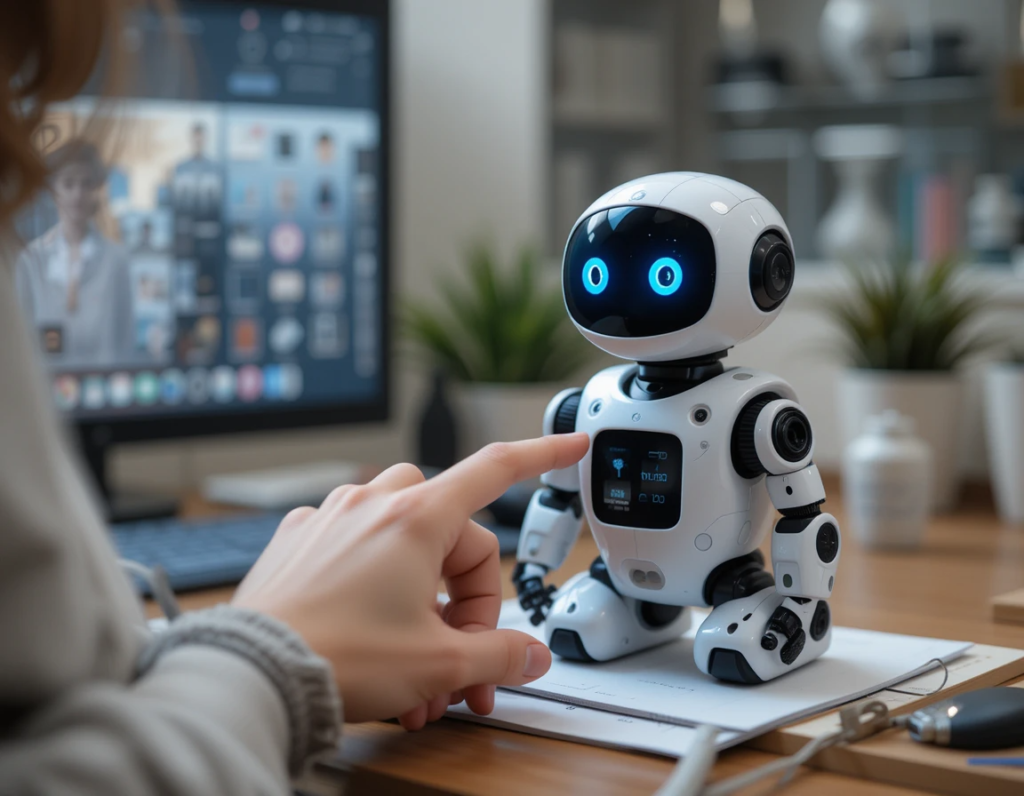
    "Person engaging with a small AI pet robot on their desk, demonstrating the emotional connection between humans and miniature robotic companions."

    Like any tech, tiny AI pets have their good and bad sides.

    Portability and Convenience

    These little robots are easy to take anywhere. They don’t need much space. This makes them perfect for small apartments or travel.

    Cost and Accessibility

    Smaller robots can sometimes be cheaper. But advanced features can still drive up the cost. It depends on what you’re looking for.

    Limited Functionality and Durability

    Tiny robots might not do as much as bigger ones. They can also be more fragile. But technology is always improving.

    The Future of Pocket-Sized Companions

    What’s next for these tiny tech pals? The future looks bright!

    Enhanced AI and Emotional Connection

    Expect smarter robots that understand you better. They might even show more realistic emotions. This could make them even better companions.

    Integration with Smart Home Ecosystems

    Imagine your robot pet controlling your lights or playing music. They could become a key part of your smart home.

    Ethical Considerations and Responsible Development

    As AI gets smarter, we need to think about privacy and safety. It’s important to develop these robots responsibly.

    Conclusion

    The five tiniest AI pet robots show how far technology has come. These little companions offer fun and connection in a small package. As technology advances, expect even more amazing things from these pocket-sized pals.

    Which of these tiny robots would you want as a pet? Share your thoughts in the comments below!
  • The Secret Alibaba AI Uses to Monitor Double Doodle Health—Vets Hate This!

    Alibaba AI and Double Doodles

    Alibaba’s AI Revolution: Multi-Sensory Tech and the Double Doodle Dog Health Connection

    What does high-tech AI have to do with your fluffy Double Doodle? More than you think! Alibaba, the tech giant, is making huge strides in multi-sensory AI. With the introduction of Qwen2.5-Omni, a groundbreaking multimodal large language model unveiled on March 27, 2025. This advanced AI system can process and generate various types of input simultaneously Meanwhile, Double Doodles, those adorable mixed-breed dogs, face unique health challenges. Turns out, AI could be the key to a healthier, happier life for these pups.

    Decoding Alibaba’s Multi-Sensory AI: A New Reality

    Multi-sensory AI means machines can understand the world like we do. They don’t just see; they hear, smell, touch, and maybe even “taste.” It’s a big deal because it lets AI tackle complex problems in a more human-like way. As AI continues to evolve, Alibaba’s multi-sensory AI represents a significant step towards more intuitive and human-like artificial intelligence, paving the way for innovative applications and advancements across industries.

    The Five Senses and AI: How Alibaba is Leading the Way

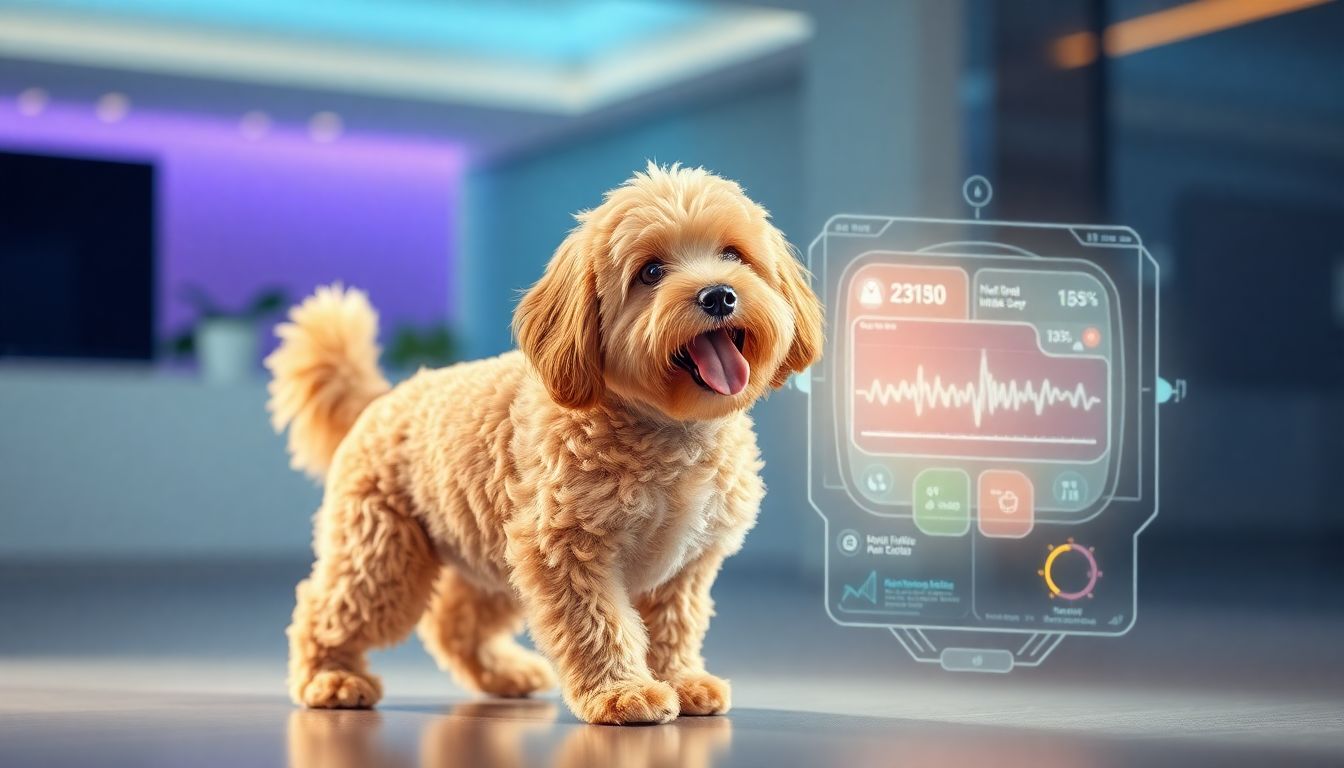
    Alibaba is working hard to incorporate all five senses into its AI. Visual AI spots defects in products on assembly lines. Voice assistants respond to your commands. But it goes further. Think of AI that can “smell” spoiled food or “feel” the texture of fabric. AI models like Qwen2.5-Omni could analyze multi-sensory data (images, videos, and audio) to detect early signs of common Double Doodle health issues such as hip dysplasia, ear infections, and allergies.

    For instance, Alibaba uses visual AI to check the quality of produce, ensuring only the best items reach consumers. Their voice assistants, like Tmall Genie, are household names in China. These examples show that AI is no longer limited to just seeing and hearing. AI-powered devices could continuously monitor a Double Doodle’s vital signs, activity levels, and behavior patterns, alerting owners to potential health concerns before they become serious

    Applications Across Industries: Beyond Consumer Tech

    This technology stretches far beyond online shopping. It is used in manufacturing, healthcare, and agriculture. Imagine AI that monitors the health of crops by “smelling” for diseases or detecting subtle changes through touch. As an open-source model, it reduces entry barriers for smaller companies and individuals to access advanced AI capabilities Alibaba holds patents in areas like AI-powered diagnostics. This demonstrates a deep commitment to innovation.

    Double Doodle Dog Health: Understanding the Unique Challenges

    Double Doodles are mixes of Poodles and Goldendoodles or Labradoodles. Their fluffy coats and playful nature make them popular pets. But this mix can also lead to specific health problems. Veterinarians could use AI models to analyze complex medical data, potentially improving the accuracy and speed of diagnosing conditions like mitral valve dysplasia or elbow dysplasia in Double Doodles

    Genetic Predispositions: What Makes Double Doodles Vulnerable

    Double Doodles are prone to certain health issues. These include hip dysplasia, eye problems like progressive retinal atrophy, and allergies. The mixed breeding can increase the risk of inheriting these conditions. Hip dysplasia causes pain and mobility issues. Eye problems can lead to blindness. Allergies can cause skin irritation and discomfort.

    Preventative Care is Key: Actionable Tips for Owners

    You can take steps to keep your Double Doodle healthy. Feed them a high-quality diet. Ensure they get regular exercise. Groom them regularly to prevent matting. Schedule routine checkups with your vet. Genetic testing can identify potential problems early on, too. It is important to catch issues early. AI could analyze genetic data to predict a Double Doodle’s susceptibility to inherited health problems, allowing for preventive measures and informed breeding practices

    The Intersection: How AI Can Revolutionize Double Doodle Care

    Here’s where Alibaba’s AI comes in. That same tech used in factories can help your furry friend.

    Early Disease Detection: AI-Powered Diagnostic Tools

    AI can analyze images and sounds to find early signs of disease. AI algorithms can check X-rays for hip dysplasia. They can analyze sounds for signs of heart problems. They can even spot skin conditions from photos. With AI, vets could detect problems faster.

    Personalized Nutrition and Exercise Plans: Tailored Recommendations

    AI can create custom diet and exercise plans for your dog. It considers breed, age, weight, and health. This helps your Double Doodle stay in shape and avoid health issues. Imagine an AI that recommends the perfect food blend based on your dog’s genetic makeup.

    Real-World Applications and Future Possibilities

    AI in veterinary medicine isn’t science fiction anymore. It is already happening.

    Case Studies: AI in Veterinary Medicine

    Some vets are using AI to diagnose heart conditions in dogs. Others use it to detect tumors on X-rays. Research programs are exploring how AI can improve pet health. This technology can save your dog’s life.

    The Future of Pet Care: A Tech-Driven Approach

    In the future, AI could transform pet ownership. It could provide early warnings about health problems. It could offer personalized care recommendations. It could even help vets make better decisions. But we should also consider the ethics of using AI on animals.

    Overcoming Challenges and Embracing Innovation

    Like any new technology, AI in pet care has challenges. We have to think about data privacy. We need to ensure AI algorithms are fair and unbiased.

    Data Privacy and Ethical Considerations

    Your dog’s health data is sensitive. It needs to be protected. We need to make sure AI algorithms don’t discriminate against certain breeds. Humans should always oversee AI decisions.

    The Path Forward: Collaboration and Education

    To make AI work for pets, collaboration is key. AI developers, vets, and owners need to work together. We all need to learn about the potential and limitations of AI. This is how we improve outcomes.

    Conclusion

    Multi-sensory AI has the power to change Double Doodle health management for the better. By embracing this tech and staying proactive, you can help your furry friend live a longer, healthier, and happier life. It is time to explore the AI-powered solutions available to help your pet. I will do a follow-up article on this subject as it is game changing for pets and humans alike!