Let’s be honest: it feels like we all suddenly became good at talking to AI. One moment, we were just searching on Google. The next, we’re carefully writing instructions for Midjourney, DALL-E, or ChatGPT. We’re trying to get the best image, a great blog post, or useful code. It’s like learning a new secret language.
But here’s a surprising idea: talking to AI isn’t new at all! Today’s smart AI tools seem like something from a movie. But the history of AI prompts actually goes back many years. It started in simple, yet very interesting ways. So, grab a drink, because we’re going to look at some fun AI facts and learn about how prompts really began.
The Genesis: When AI First Started “Listening” (Sort Of)
Imagine this: it’s the 1960s. Bell bottoms were popular, The Beatles were famous, and at MIT, a computer scientist named Joseph Weizenbaum was making something truly new. He wasn’t building robots or self-driving cars. He was making ELIZA.
ELIZA wasn’t a powerful AI, but she was one of the first programs that tried to talk using normal human language. Think of her as a very, very early chatbot. She was made to act like a therapist. People would type sentences, and ELIZA would reply. Often, she just turned their own words into questions.
For example: User: “My head hurts.” ELIZA: “Why do you say your head hurts?”
User: “I feel sad today.” ELIZA:”Can you tell me more about why you feel sad today?”
This was amazing for its time! People actually felt connected to ELIZA. They talked to her as if she were a real person. They were, in a way, giving her basic “prompts” – simple sentences. ELIZA used smart tricks like finding keywords to understand and reply. This wasn’t about making a realistic picture of a cat in space. But it was the very start of AI prompt history. It was the first step in teaching machines to “understand” and react to what humans say. It was a simple but very important beginning. It showed that people wanted to talk to machines.
The Long, Winding Road to Nuance: Decades of Dedication
After ELIZA’s simple way of talking, we started a journey that lasted many decades. Getting from those first, basic talks to today’s super smart AI tools took a lot of hard work. This included endless research in areas like natural language processing (NLP), machine learning (ML), and how computers understand language.
For many years, the problem was huge. How do you teach a machine to not just spot keywords, but to understand the meaning, the subtle differences, and the goal? How do you go from just repeating a user’s words to actually creating clear, new, and useful answers?
Scientists and engineers worked very hard. They created computer programs that could break down sentences, find different parts of speech, and later, understand how words relate to each other in meaning. Early tries were awkward, often giving funny, meaningless results. But with every new discovery – from simple math models to neural networks, and finally to the transformer system that makes today’s large language models (LLMs) work – AI got much, much better at “listening” and “understanding.”
This wasn’t just about using more data. It was about totally new ways of thinking about how machines learn language. It was about teaching AI to not just read words, but to understand the hidden meaning, to guess, and to combine ideas. The journey from ELIZA’s simple word matching to modern AI like GPT-4 is truly an amazing jump. GPT-4 can follow complicated, many-part instructions and create very clear, creative, and relevant answers.
Prompt Engineering: A Modern Art Form (and Science!)
Now, let’s jump to today. The idea of an AI prompt has grown into an art form called “prompt engineering.” It’s not just about typing a question anymore. It’s about creating a full instruction, a scene, a character, and a style guide, all at once.
You, the person making content or just exploring, are now like a movie director, writer, casting person, and art director, all rolled into one. You’re telling the AI: “Picture a fun, steampunk otter with one eye-glass, drinking tea in a busy old market. Make it look like a Hayao Miyazaki movie, with soft, warm light and lots of small details.”
That’s very different from “My head hurts,” right?
Today’s AI tools work best with these specific details. They can guess the mood, understand big ideas, and even follow complicated steps. The better you know how to “talk” to them – how to give them clear rules, examples, and background info – the better their results will be. It shows how amazing those decades of research were, that a machine can now understand such rich, detailed instructions and create something truly special. This change is a key part of our AI prompt history.
Fun Facts & Mind-Benders About AI Prompts
Besides the history, there are some really interesting AI facts and strange things about prompts that show how amazing this technology is:
The “Magic Word” Effect: Have you noticed that adding “please” or “thank you” to a prompt sometimes seems to make the answer better? AI doesn’t have feelings. But these polite words can slightly change how the AI “sees” what you want. This can sometimes lead to more helpful or obedient answers. It’s not magic, but a cool trick because politeness is in the data AI learns from.
AI’s Hidden Characters: With the right prompt, you can make an AI act like almost any character. Do you want it to be a grumpy pirate cook? A wise alien? A poet from Shakespeare’s time? Just tell it, and it will often play that role very well. Your prompt is more than just a command; it’s like a costume for the AI.
The Prompt as a “Start”: One simple prompt can be the start for a whole creative project. “Write a story about a lost key” can grow into a book, a script, or many pictures. All of this is guided by more prompts given later. It’s like a team dance between what a human wants and what the machine creates.
AI’s “Imagination” (or lack of it): AI can create very creative things, but it doesn’t “imagine” like humans do. It guesses the most likely next words or pixels based on the data it learned from. So, when you ask for “a purple elephant dancing on the moon,” it’s not making an image from nothing. It’s putting together parts it has seen from many pictures and texts to make something new. Still, the result feels like imagination, which is one of the coolest AI fun facts.
The “Making Things Up” Factor: Sometimes, AI just invents things – facts, sources, even whole events. This is often called “hallucination.” But a well-written prompt can help stop this. By giving clear rules, asking it to show its sources, or even telling it not to make up information, you can guide it to be more accurate. It’s a constant game of smarts!
“Best Ways” Change Quickly: What works as a great prompt today might not work as well tomorrow. As AI tools get better, the best ways to talk to them also change. Prompt engineering is a fast-changing area. This makes it one of the most exciting parts of using modern AI.
Why This Matters to You: The Creator & The Curious
So, why should you care about this AI prompt history or these fun AI facts? Whether you’re a blogger, a social media manager, a small business owner, or an artist who likes tech.
Because understanding how we got from ELIZA to GPT-4 isn’t just for quizzes. It gives you power. It helps you see the amazing tech jumps that let you create special pictures without buying common stock photos. Or write great text in minutes. It makes the magic less mysterious, showing you how it all works.
Knowing where AI prompts started and how AI’s “understanding” grew gives you a better gut feeling for how to write good prompts. It makes you want to try new things, to go further, and to see talking to AI not just as typing commands. Instead, see it as a chat with a smart tool that’s always getting better.
The empty prompt box isn’t just for words. It’s a doorway to creating. And with a bit of history and some fun facts, you’re more ready than ever to step through it and make something truly wonderful. So go ahead, speak your next great idea into being. The AI is listening, and it has come a very long way.
You know that feeling, right? You’re pouring your heart into a prompt, dreaming of digital masterpieces or prose so good it’d make Shakespeare shed a tear. But what do you get back? Something that looks like it was generated by a toaster oven on a Tuesday morning. If that rings a bell, then welcome aboard, fellow AI adventurer! You’ve just stumbled upon the single most important skill in this wild new world: prompting.
Prompting is both an art and a science – it’s about learning how to talk to your AI models to get truly mind-blowing results. Think of it as the secret handshake, the magic spell, the key that unlocks the difference between asking for “a cat” and getting “a fluffy ginger cat wearing a tiny pirate hat, gazing wistfully at a galaxy made of yarn, rendered in the style of Van Gogh.” Quite a jump, isn’t it?
But here’s the thing: mastering this skill takes time, practice, and a good dose of mad scientist experimentation. And honestly, who has endless hours for trial and error when you’ve got content to create, art to generate, and a digital empire to build?
That’s where AI prompt marketplaces come in! Picture them as your personal cheat sheet, a fast track to becoming an AI wizard. These platforms are packed with expertly designed prompts, ready to plug in and use. They’ll save you countless hours of head-scratching and help bring your AI dreams to life. PromptBase has been a big name in this area for a while – sort of the original prompt supplier. But just like there’s more than one flavor of ice cream (thank goodness!), there’s a whole universe of fantastic alternatives out there, just waiting for you to discover.
So, let’s take a look into the best PromptBase alternatives, looking at what makes each one special, how they’re priced, and the quality of their offerings. The goal? To help you find your perfect prompt paradise. Say goodbye to the frustrating prompt struggle; your AI journey is about to get a whole lot smoother, and more productive!
Why Explore Beyond PromptBase? (It’s Not You, It’s The Ever-Changing AI World!)
Look, PromptBase has been great; it really helped introduce prompt engineering to a wider audience. But the AI world moves at lightning speed! Different platforms are built for different AI models (think ChatGPT, Midjourney, Stable Diffusion, DALL-E), they offer unique community perks, or they specialize in specific kinds of prompts. So, checking out alternatives can mean:
More Variety: You’ll discover a wider array of styles, specific niches, and fresh creative approaches. Better Value: You might find more competitive pricing or subscription plans that genuinely fit how you work. Niche Focus: Some platforms are absolute pros in specific areas, whether that’s dazzling image generation or super-smart text content. Innovative Features: Expect cool new tools for building prompts, interacting with others, or even testing your prompts before you commit.
Ultimately, it’s about finding the perfect fit for your AI journey. Let’s jump into some of the best options out there!
Ready for the Grand Tour? Here are the PromptBase Alternatives You Should Know!
We’re about to explore a few key players in the prompt marketplace game. Each one brings something special to the table, so keep an eye out for what aligns best with your personal AI goals.
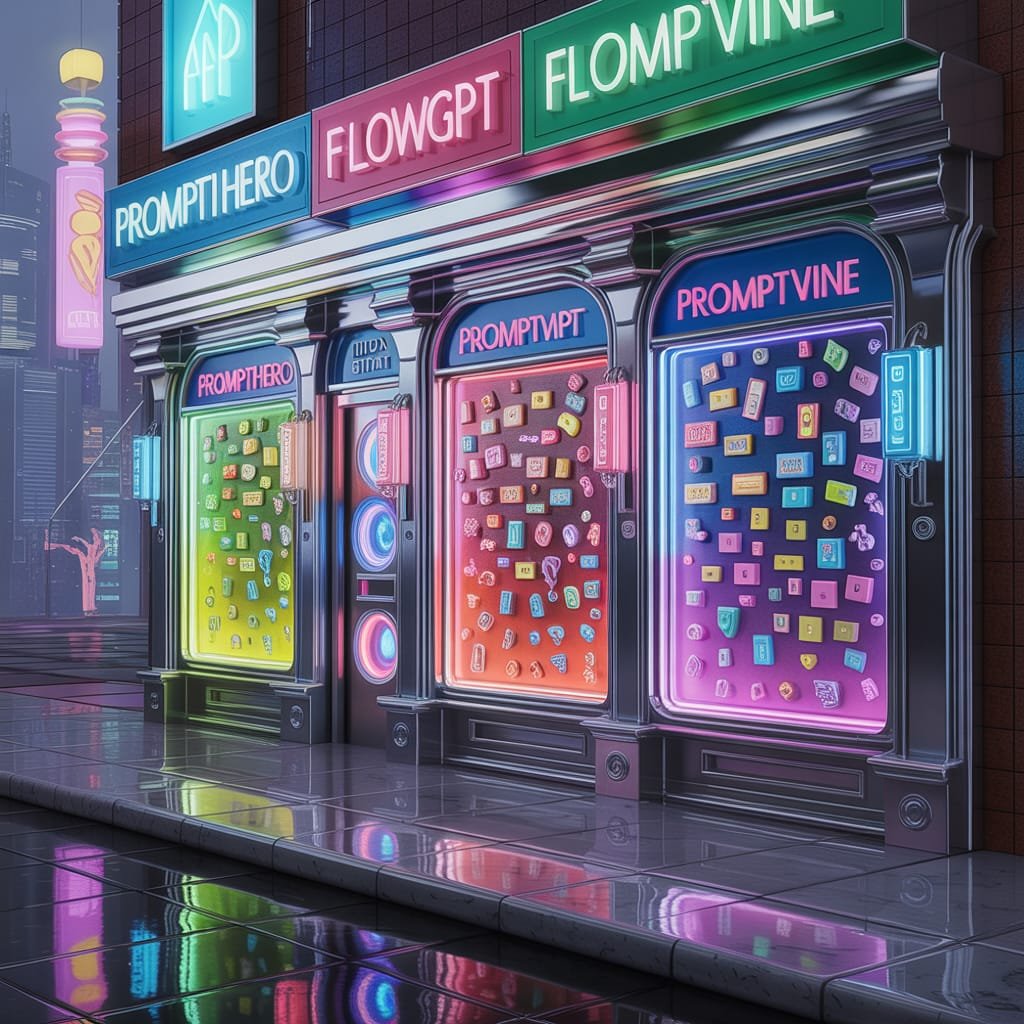
PromptHero: Your Go-To for Stunning AI Art
If you’re all about creating breathtaking visuals with AI – think Midjourney, Stable Diffusion, or DALL-E – then PromptHero is likely to become your new favorite spot. It’s like a massive online art gallery filled with incredible AI-generated images, and the best part? Every single one comes with the prompt that made it happen.
What’s so great about it?
Purely Visual: PromptHero lives and breathes image generation prompts. You’ll discover an astonishing variety of styles, subjects, and artistic directions. A Creative Community: It’s more than just a marketplace; it’s a bustling hub where artists show off their creations and the prompts they used. Think of it as a giant, interactive inspiration board. Explore and Create: You can browse trending prompts, easily filter by your preferred AI model, or even use their built-in builder to start crafting your own unique masterpieces. Mix of Free and Premium: Loads of prompts are shared freely by the community, which is fantastic for learning and experimenting without spending a dime. Plus, there’s a marketplace for those premium, perfectly tuned prompts. Model-Specific: Everything is clearly organized by AI model (Midjourney, Stable Diffusion, DALL-E 2, etc.), so finding exactly what you need is a breeze.
Pricing: You can explore a huge library of community-shared prompts for free. If you want premium, curated prompts, prices usually range from a few dollars for simpler ones to a bit more for highly complex or specialized creations. They also offer a Pro subscription if you’re looking for advanced features like prompt history or private prompts.
Quality: Generally, the quality is excellent, especially for the paid options. The community plays a big role here, with users rating and commenting on prompts, which acts as a helpful peer review system. And since it’s so visual, you can actually see the results before you commit, which is a massive advantage.
The Good Stuff:
Absolutely unbeatable for image generation prompts. A vibrant community and an endless gallery of inspiration. Fantastic filtering and search tools. You get both free and paid options. You can preview the output before you buy!
The Not-So-Good Stuff:
Not really built for text-based LLM prompts (like ChatGPT). The sheer volume of choices can feel a bit overwhelming at first.
Who’s it for? Artists, designers, content creators who depend on AI for visual content, or anyone eager to push the limits of AI image generation. If your AI-generated cat absolutely needs a tiny pirate hat and a galaxy made of yarn, this is where you’ll find the magic.
FlowGPT: The Word Wizard’s Secret Weapon for LLMs
If your AI goals lean more towards crafting amazing stories, churning out marketing copy, brainstorming fresh ideas, or simply having a super-smart conversation, then FlowGPT is a name you absolutely need to put on your radar. This platform is perfectly designed for Large Language Models (LLMs) like ChatGPT, putting the incredible power of words right at your fingertips.
What makes it stand out?
Purely Text-Based: Forget images – FlowGPT is all about text. You’ll discover prompts for just about anything: writing blog posts, social media updates, coding help, academic research, and even creative storytelling. Super Organized: Prompts are neatly tucked into clear categories like “Marketing,” “Writing,” “Coding,” “Education,” and “Fun,” so finding your way around is a breeze. Community-Powered: This platform thrives on its community, with users sharing their best prompts. There’s also a careful curation process to showcase the highest quality and most popular ones. Test Before You Use: Many prompts let you “try” them right on the platform, so you can get a feel for the output before you commit. Handy Collections: Users can put together and share collections of related prompts, giving you comprehensive solutions for specific projects or tasks.
Pricing: FlowGPT uses a freemium model. You’ll find a huge number of excellent prompts available for free, all shared by the community. For more advanced features, private prompts, or access to special collections, they offer subscription plans. The vibe here is definitely about sharing and learning together.
Quality: Since it’s user-contributed, quality can sometimes vary. However, the rating and review systems are really helpful for finding the best prompts. The popular, highly-rated ones are almost always fantastic, and being able to “try” prompts beforehand lets you check the quality for yourself.
The Good Stuff:
Absolutely brilliant for ChatGPT and other LLM prompts. An enormous, diverse library of text-based prompts. A strong, active community with helpful ratings and comments. You can test prompts directly on the platform. A fantastic resource for anyone learning text-based prompt engineering.
The Not-So-Good Stuff:
Zero focus on image generation prompts. Quality can be a bit hit-or-miss with less popular prompts.
Who’s it for? Writers, marketers, content creators, students, developers, customer service pros – basically, anyone who regularly uses LLMs for text. If you need your AI to whip up a witty limerick or a killer sales email, FlowGPT is your new best friend.
PromptVine: The “Something for Everyone” Marketplace
Picture a busy digital general store, but for prompts. You can find a little bit of everything here – from stunning image generation prompts to powerful text commands. That’s the feeling you get with PromptVine, a growing platform that aims to be your one-stop shop for all things AI prompts.
What makes it special?
Covers All Bases: PromptVine isn’t picky. You’ll discover prompts for Midjourney, Stable Diffusion, DALL-E, ChatGPT, and many other popular AI models, all neatly gathered in one place. Easy to Use: Its clean, intuitive design means even new users can browse, search, and buy prompts without getting tangled in confusing tech jargon. Curated Bundles: They often highlight curated collections or bundles of prompts, which offer excellent value if you’re working on specific projects (like a “Fantasy Art Pack” or a “Social Media Content Bundle”). Empowering Sellers: PromptVine really supports prompt engineers who want to sell their creations, providing them with tools and analytics. This focus often leads to a wonderfully diverse and constantly updated catalog. Ratings and Reviews: Just like other marketplaces, user feedback is key here, helping you quickly spot the high-quality prompts from the less effective ones.
Pricing: Similar to PromptBase, PromptVine usually works on a per-prompt purchase model. Prices will depend on how complex or valuable a prompt is, typically ranging from a few dollars to more for premium, multi-part prompt bundles. Keep an eye out for occasional discounts or special promotional bundles too!
Quality: You’ll generally find good quality here, as sellers are motivated to create effective prompts to get sales and positive reviews. The platform’s curation also helps ensure a solid standard. My advice? Always double-check those reviews before you buy!
The Good Stuff:
Perfect if you switch between different AI models (for both text and images). A clean, straightforward interface that’s a joy to navigate. Does a great job supporting prompt sellers, which means a wider, more varied selection for you. Always getting fresh prompts and new collections.
The Not-So-Good Stuff:
Won’t have the intense specialization you’d find in PromptHero for images or FlowGPT for text. It’s mainly a paid marketplace, so fewer free options compared to community-focused sites.
Who’s it for? Generalists, freelancers, small businesses, or anyone who juggles various AI tools for different tasks. If your afternoon involves needing a Midjourney logo prompt and a ChatGPT marketing slogan, PromptVine offers a super convenient, all-in-one solution.
How to Pick Your Perfect Prompt Paradise: A Quick Guide
Okay, you’ve seen the delicious buffet of options! Now, how do you choose the perfect plate for you? Don’t just pick the first one you see. Take a moment to think about these key questions:
Which AI tool do you use most often? Are you a Midjourney maestro or a ChatGPT wizard? Your main AI companion should definitely guide your choice of prompt marketplace.
What’s your budget like? Are you hunting for freebies to get started, or are you ready to invest in premium prompts that save you serious time? Remember, some platforms thrive on free community contributions, while others are mainly paid.
What kind of prompts do you need? Get specific! Are we talking niche, general, images, text, coding, marketing?
How important are community features to you? Do you love connecting with other prompt engineers, sharing your creations, and learning from their experiences? Some platforms have a much stronger community vibe than others.
What’s your learning style? Do you prefer seeing visual examples, reading detailed explanations, or getting hands-on and testing prompts interactively?
By thinking through these points, you’ll easily narrow down your options and discover a marketplace that genuinely levels up your AI game.
Maximizing Your Prompt Marketplace Experience: Pro Tips!
Buying prompts is just the beginning. To truly get ahead, here’s how to squeeze every last drop of value from your chosen prompt haven:
Don’t Just Buy – Learn! Take purchased prompts apart. Figure out what makes them tick. How are parameters used effectively? Try to reverse-engineer the magic behind them! Experiment and Iterate: Think of bought prompts as a launchpad, not the finish line. Tweak them, mash them up, and see what happens when you make small changes. Read Reviews (and Write Them!): User reviews are incredibly valuable. They tell you if a prompt actually delivers on its promise. And once you’ve tried one, do others a favor and share your honest feedback. Think About Selling Your Own: Once you get really good at prompt engineering, you might start creating prompts so brilliant that others would gladly pay for them! Many of these platforms make it easy to become a seller yourself. Stay Curious: The AI world is constantly evolving. Keep an eye out for new platforms, features, and fresh prompt engineering techniques.
The Final Prompt: Your AI Journey Starts Now!
The world of AI prompting is truly your oyster, and these marketplaces are here to help you find the pearls. While PromptBase has been a great starting point for many, the innovative alternatives we’ve explored offer specialized tools, thriving communities, and fresh ideas to truly elevate your AI creations.
No more frustrated conversations with that smart, but sometimes stubborn, AI. With the perfect prompt marketplace by your side, you’re not just using AI; you’re mastering it. So, go forth, explore, create, and let your AI handle the heavy lifting, all guided by the best prompts you can find!
Want to dive even deeper into AI content creation? Grab my free PDF, “ChatGPT Prompts Bundle for Content Creators!” Just send me an email.
The world of Artificial Intelligence is booming, but the key to unlocking its true power lies in one crucial skill: prompting. A well-crafted prompt can be the difference between generic, unusable text and a masterpiece of marketing copy, efficient code, or stunning art. But mastering this skill takes time. That’s where specialized AI prompting tools come in. They are the force multipliers for the modern creator, marketer, and developer. This curated list will guide you through the best tools on the market, helping you cut through the noise and choose the perfect solution to elevate your AI interactions, boost your output, and ultimately, save you precious time and mental energy. As an extra bonus I’ve included 50 prompts at the end to give these tools a try for yourselves. You’re welcome to copy and paste and use for whatever!
Jasper
Brief Overview: Jasper is a powerful, all-in-one AI content platform designed specifically for marketers and businesses to scale their content creation.
Key Features & Benefits: Brand Voice Consistency: Teach Jasper your brand’s style and tone, and it will apply it across all content, ensuring a unified brand identity. SEO Mode Integration: Built-in SEO suggestions (via SurferSEO) help you create content that ranks higher on search engines right from the start. Long-Form Document Editor: Go beyond short snippets and craft full-length blog posts, reports, and stories with a intuitive, word processor-like interface. Templates for Everything: Access over 50 templates for everything from Facebook ads and email subject lines to video scripts and creative stories.
Why We Love It: Jasper feels like having a professional copywriter on your team who never sleeps. Its focus on marketing-specific use cases makes it incredibly practical.
Affiliate Angle: If you’re frustrated with the disjointed nature of generating ideas in one tool, outlines in another, and final copy in a third, Jasper is your solution. It streamlines the entire content workflow into a single, powerful platform, making it an indispensable tool for agencies and content teams serious about scaling their output without sacrificing quality or brand voice. It’s the ultimate ROI play for content-driven businesses.
Copy.ai
Brief Overview: Copy.ai is a user-friendly AI writing assistant focused on generating high-converting marketing copy, social media content, and sales collateral at incredible speed.
Key Features & Benefits: Freemium Model: Get started immediately with a free plan that offers generous credits, making it perfect for beginners and those on a tight budget. Workflow Automation (“Infinity Mode”): Create custom workflows to generate not just one piece of content, but an entire series of related assets (e.g., a blog post, a social media carousel, and an email newsletter) from a single prompt. Vast Template Library: An extensive collection of templates for digital marketing needs, including cold emails, product descriptions, and LinkedIn bios. Multi-Language Support: Create content in over 25 languages, a huge advantage for global teams and marketers.
Why We Love It: Its incredibly low barrier to entry and focus on quick, effective copy make it a go-to for solopreneurs and social media managers.
Affiliate Angle: For anyone who needs to beat writer’s block and produce a week’s worth of social media posts or ad copy in an afternoon, Copy.ai is a game-changer. The free plan allows you to test its value risk-free, and the workflow automation features save so much time that the paid version quickly pays for itself. It’s the ultimate tool for maximizing your content output while minimizing effort.
ChatGPT Plus (by OpenAI)
Brief Overview: The subscription tier for the world’s most famous AI chatbot, ChatGPT Plus gives you reliable access to the advanced GPT-4 model, even during peak times.
Key Features & Benefits: Access to GPT-4: Experience significantly improved reasoning, creativity, and accuracy compared to the free GPT-3.5 model, handling complex prompts with ease. General-Purpose Powerhouse: Unlike niche tools, ChatGPT is a jack-of-all-trades, capable of assisting with coding, creative writing, brainstorming, analysis, and casual conversation. Priority Access: Skip the queue during high-demand periods, ensuring you can use the tool whenever inspiration strikes. Plugins & Browsing (Beta): Extend its capabilities with plugins for specific tasks (e.g., Expedia, Kayak, Wolfram) and allow it to access current web information.
Why We Love It: It’s the most versatile AI assistant available, acting as a Swiss Army knife for a huge range of intellectual tasks.
Affiliate Angle: If you’ve been disappointed by the downtime or limitations of the free version of ChatGPT, upgrading to Plus is a no-brainer. The leap in capability with GPT-4 is substantial, transforming it from a novelty into a truly professional-grade tool. For developers, writers, and researchers who need dependable, top-tier AI performance, the monthly fee is a minimal investment for a massive productivity boost.
Midjourney
Brief Overview: Midjourney is an AI program and service that generates stunning, high-resolution images from text descriptions (prompts) through a Discord channel.
Key Features & Benefits: Unmatched Aesthetic Quality: Widely regarded as producing the most artistic, visually beautiful, and photorealistic images of any mainstream AI image generator. Strong Community Aspect:** Learning happens in public on Discord, allowing you to see the prompts behind other users’ amazing creations and improve your own skills. High Customization: Use parameters to finely control aspect ratios, stylization, chaos, and specific models to get exactly the look you want. Iterative Refinement: Easily create variations and upscale chosen images to high resolution for practical use.
Why We Love It: For artists, designers, and concept creators, Midjourney is pure magic. The quality of output consistently inspires awe.
Affiliate Angle: Struggling to find the perfect stock image or commission expensive custom artwork? Midjourney puts the power of a digital artist in your hands. While there’s a learning curve to crafting the perfect prompt, the ability to generate completely unique, royalty-free visual assets for branding, blog posts, and mood boards is an incredible value. It’s not just a tool; it’s a source of unlimited creative inspiration.
PromptHero
Brief Overview: PromptHero is not a generator itself but a massive search engine for AI art prompts, allowing users to discover the prompts used to create specific images from DALL-E, Midjourney, and Stable Diffusion.
Key Features & Benefits: Reverse Image & Prompt Search: Find images similar to one you have or love, and see the exact prompt used to create them. Massive Learning Database: Deconstruct successful AI art to understand how specific keywords and phrases affect the final output. Community Rankings: See which prompts and images are most popular and effective, giving you a curated list of proven formulas. Save & Organize: Build collections of your favorite prompts and images for future projects.
Why We Love It: It dramatically shortens the learning curve for AI image generation by showing you what works, not just telling you.
Affiliate Angle: If you’ve ever wasted credits on failed image generations because you couldn’t find the right words, PromptHero is your secret weapon. It pays for itself by saving you time and subscription fees on your AI art tools. This is the ultimate resource for going from an AI art novice to a proficient prompt engineer, ensuring you get usable results every time.
Of course. Here are the remaining five products to complete your comprehensive roundup article.
Claude AI (by Anthropic)
Brief Overview: Claude is a next-generation AI assistant known for its conversational depth, long-context capabilities, and strong focus on safety and constitutional AI principles.
Key Features & Benefits: Massive Context Window: Claude can process and remember information from extremely long documents (up to 200K tokens), making it ideal for analyzing lengthy reports, contracts, or entire books. Nuanced Dialogue: Excels at complex reasoning, summarization, and open-ended conversation with a noticeably natural and helpful tone. Reduced Harmful Outputs: Built with a strong constitutional AI framework to be more cautious, honest, and less prone to generating harmful or biased content. Document Analysis: You can upload PDFs, Word docs, and other text files directly for Claude to read, summarize, and answer questions about.
Why We Love It: Claude feels like a thoughtful, intelligent partner, especially for deep work involving large amounts of text. Its ability to “remember” context over long conversations is unparalleled.
Affiliate Angle: If you’re working with dense legal documents, lengthy technical papers, or need to synthesize information from multiple large sources, Claude is your indispensable research assistant. It saves you hours of manual reading and analysis, allowing you to focus on strategic decision-making instead of information gathering. For professionals who value accuracy and depth, Claude offers a uniquely reliable AI experience.
Perplexity AI
Brief Overview: Perplexity AI is an AI-powered answer engine that combines the capabilities of a chatbot with the accuracy of a search engine, providing detailed answers with cited sources.
Key Features & Benefits: Source-Cited Answers: Every response includes footnotes linking directly to the sources it pulled information from, allowing for instant fact-checking and deeper research. Proactive Search: Instead of just answering your question, it often asks clarifying follow-ups to provide the most relevant and comprehensive answer possible. Focus & Search Modes: Tailor your search to specific domains like academic papers, computational knowledge, or general web search. Copilot Feature: An interactive AI guide that helps you explore topics thoroughly by asking you questions to narrow down your search.
Why We Love It* It eliminates the guesswork and frustration of verifying AI-generated information, making it the ultimate tool for researchers, students, and journalists.
Affiliate Angle: Tired of AI chatbots that confidently state misinformation? Perplexity solves the biggest trust issue in AI today. It’s the perfect tool for anyone who needs fast, accurate, and verifiable information without having to wade through pages of search results. For content creators who need to back up their work with credible sources, Perplexity isn’t just a nice-to-have; it’s a critical part of a responsible workflow.
Stable Diffusion (via DreamStudio)
Brief Overview: Stable Diffusion is a powerful open-source AI image generation model, and DreamStudio is its official, user-friendly web interface created by Stability AI.
Key Features & Benefits: Unprecedented Control: Offers a wide array of settings to fine-tune your generated images, including negative prompts (what not to include), sampler types, and step counts. Open-Source Foundation: Because the core model is open-source, it has a massive community constantly creating custom models and styles (e.g., generating photorealistic people, anime styles, 3D icons). Cost-Effective Credits: DreamStudio operates on a pay-as-you-go credit system, which can be very economical for users who don’t need a unlimited monthly subscription. Image-to-Image Editing: Upload an existing image and use a prompt to modify it, alter its style, or fill in parts of the picture.
Why We Love It: It offers the best balance of power, control, and affordability for serious AI art enthusiasts who want to tweak every aspect of the generation process.
Affiliate Angle: For the AI artist who has outgrown the constraints of simpler tools and wants granular control over their creations, Stable Diffusion through DreamStudio is the next step. The ability to use negative prompts alone is a game-changer for fixing common AI image errors. If you want to develop a unique artistic style and leverage the power of community-trained models, this platform offers a professional-grade toolkit without a hefty subscription fee.
Writer
Brief Overview: Writer is a full-stack generative AI platform built for the enterprise, focusing on secure, brand-consistent, and governed content creation at scale.
Key Features & Benefits: Enterprise-Grade Security & Governance:** Offers robust data encryption, strict access controls, and guarantees that your data is never used to train public models. Knowledge Graph: Teach Writer your company’s specific terminology, product details, and style guidelines, and it will adhere to them religiously. Workflow Integrations: Seamlessly integrates into existing workflows via APIs, Chrome extension, and direct plugins for tools like Figma, Slack, and Word. Built-in Fact Checking: Includes features designed to help verify claims and reduce hallucinations in generated text.
Why We Love It: It’s the most secure and customizable platform for large organizations that need to maintain strict brand voice and data security.
Affiliate Angle: If your legal and compliance teams are hesitant about adopting public AI tools, Writer provides a secure, auditable, and controlled solution. It’s not just a writing tool; it’s a knowledge management system that ensures every piece of content, from marketing to internal comms, is on-brand and accurate. For regulated industries and large teams, Writer mitigates the risks of AI while maximizing its benefits for productivity.
NovelAI
Brief Overview: NovelAI is a monthly subscription service for AI-assisted authorship, storytelling, and virtual companionship, with a strong focus on unfiltered creative freedom.
Key Features & Benefits: Uncensored Storytelling: Specifically designed to avoid the heavy-handed content restrictions of other AIs, allowing for a wider range of creative genres and themes. Memory & Lorebook: Powerful features that let you build a persistent world. The Memory section keeps track of key plot details, while the Lorebook is a wiki for your characters, settings, and rules. Image Generation: Includes a powerful image gen module (trained on anime/illustrative styles) perfectly suited for creating character art and scene illustrations for your stories. Customizable AI Personas:** Adjust the AI’s prose style, verbosity, and genre adherence to match your specific needs.
Why We Love It: It’s a sanctuary for writers of fiction and role-play who have been frustrated by other AIs refusing to follow their creative lead.
Affiliate Angle: Have you ever had an AI suddenly moralize or shut down a creative story idea? NovelAI is built on the principle that the user is the author, offering unparalleled freedom for storytellers, game masters, and writers exploring niche genres. Its unique Lorebook system ensures your story’s world remains consistent chapter after chapter. If you want an AI that collaborates on your terms without judgment, this is the ultimate creative sandbox.
How to Choose the Right AI Prompting Tool for You
Selecting the best tool depends entirely on your primary need: For Marketers & Bloggers: Jasper, Copy.ai, and Writer.com are top choices. For Developers & Analysts: ChatGPT Plus and Claude.ai excel. For Artists & Designers: Midjourney and Stable Diffusion are industry leaders. For Researchers & Curious Minds: Perplexity.ai and ChatGPT Plus are incredible resources. For Enterprises with Security Needs: Writer is the standout platform. For Fiction Writers & Role-Play: NovelAI is in a class of its own.
Most tools offer free trials or freemium plans—we highly recommend testing a few to see which interface and output style resonate with you.
Here are some image prompts to use to try the image generation platforms:
A hovering over ethereal massive huge moon. Mixed media of hyper-detailed digital illustration, a luminous painting inspired by William Blake, in a masterpiece with smooth clear clean edges
A deciphering bioluminescent crystal ball. Mixed media of hyper-detailed vector art, a mystical painting inspired by Salvador Dalí, in a masterpiece with smooth clear clean edges
A summoning ornate ancient ruins. Mixed media of hyper-detailed oil painting, a haunting painting inspired by Hieronymus Bosch, in a masterpiece with smooth clear clean edges
A sailing through holographic sci-fi city. Mixed media of hyper-detailed neon art, a futuristic painting inspired by Syd Mead, in a masterpiece with smooth clear clean edges
A repairing fractured dimension portal. Mixed media of hyper-detailed etching, a surreal painting inspired by M.C. Escher, in a masterpiece with smooth clear clean edges
A discovering whimsical enchanted forest. Mixed media of hyper-detailed watercolor painting, a dreamlike painting inspired by Arthur Rackham, in a masterpiece with smooth clear clean edges
A transforming cybernetic organism. Mixed media of hyper-detailed 3D rendering, a metallic painting inspired by H.R. Giger, in a masterpiece with smooth clear clean edges
A defending celestial nebula. Mixed media of hyper-detailed acrylic painting, a cosmic painting inspired by Chesley Bonestell, in a masterpiece with smooth clear clean edges
A conjuring iridescent mystical island. Mixed media of hyper-detailed mixed media artwork, a fantastical painting inspired by Alan Lee, in a masterpiece with smooth clear clean edges
A evoking melancholic abandoned laboratory. Mixed media of hyper-detailed charcoal sketch, a dramatic painting inspired by Zdzisław Beksiński, in a masterpiece with smooth clear clean edges
A navigating steampunk city. Mixed media of hyper-detailed collage, a vintage painting inspired by Jules Verne, in a masterpiece with smooth clear clean edges
A igniting glowing alien landscape. Mixed media of hyper-detailed digital Photoshop creation, an otherworldly painting inspired by Wayne Barlowe, in a masterpiece with smooth clear clean edges
A avenging cursed vampire castle. Mixed media of hyper-detailed ink drawing, a gothic painting inspired by Brom, in a masterpiece with smooth clear clean edges
A building colossal giant robot. Mixed media of hyper-detailed technical drawing, a mechanical painting inspired by Hayao Miyazaki, in a masterpiece with smooth clear clean edges
A banishing shadowy figure. Mixed media of hyper-detailed pen and ink drawing, a haunting painting inspired by Edward Gorey, in a masterpiece with smooth clear clean edges
A exploring bioluminescent bay. Mixed media of hyper-detailed pastel artwork, an ethereal painting inspired by Rebecca Guay, in a masterpiece with smooth clear clean edges
A revealing sacred shrine. Mixed media of hyper-detailed gold leaf art, a divine painting inspired by Klimt, in a masterpiece with smooth clear clean edges
A dancing in flamboyant ballroom. Mixed media of hyper-detailed art deco painting, an elegant painting inspired by Tamara de Lempicka, in a masterpiece with smooth clear clean edges
A repairing fractured time machine. Mixed media of hyper-detailed schematic, a retro-futuristic painting inspired by Moebius, in a masterpiece with smooth clear clean edges
A observing prismatic parallel universe. Mixed media of hyper-detailed op art, a psychedelic painting inspired by Alex Grey, in a masterpiece with smooth clear clean edges
A sculpting frozen ice fortress. Mixed media of hyper-detailed ice sculpture, a crystalline painting inspired by Andy Goldsworthy, in a masterpiece with smooth clear clean edges
A chasing luminous firefly. Mixed media of hyper-detailed miniature painting, a whimsical painting inspired by Beatrix Potter, in a masterpiece with smooth clear clean edges
A weaving intricate tapestry. Mixed media of hyper-detailed textile art, a textile painting inspired by Anni Albers, in a masterpiece with smooth clear clean edges
A decoding arcane manuscript. Mixed media of hyper-detailed calligraphy, an esoteric painting inspired by Aubrey Beardsley, in a masterpiece with smooth clear clean edges
A ascending colossal celestial event. Mixed media of hyper-detailed astronomical illustration, a cosmic painting inspired by Chesley Bonestell, in a masterpiece with smooth clear clean edges
A vaporizing ethereal dragonfly. Mixed media of hyper-detailed stained glass art, a luminescent painting inspired by Louis Comfort Tiffany, in a masterpiece with smooth clear clean edges
A navigating colossal steampunk city. Mixed media of hyper-detailed etching, an intricate painting inspired by Hayao Miyazaki, in a masterpiece with smooth clear clean edges
A healing fractured crystal ball. Mixed media of hyper-detailed watercolor painting, a serene painting inspired by Alphonse Mucha, in a masterpiece with smooth clear clean edges
A dismantling cybernetic organism. Mixed media of hyper-detailed technical drawing, a metallic painting inspired by H.R. Giger, in a masterpiece with smooth clear clean edges
A discovering bioluminescent bay. Mixed media of hyper-detailed digital illustration, an ethereal painting inspired by James Cameron, in a masterpiece with smooth clear clean edges
A conjuring iridescent mushroom. Mixed media of hyper-detailed macro photography, a psychedelic painting inspired by Alex Grey, in a masterpiece with smooth clear clean edges
A defending ancient manuscript. Mixed media of hyper-detailed calligraphy, a mystical painting inspired by John Howe, in a masterpiece with smooth clear clean edges
A ascending parallel universe. Mixed media of hyper-detailed astronomical illustration, a cosmic painting inspired by Chesley Bonestell, in a masterpiece with smooth clear clean edges
A repairing time machine. Mixed media of hyper-detailed schematic, a retro-futuristic painting inspired by Moebius, in a masterpiece with smooth clear clean edges
A evoking melancholic abandoned laboratory. Mixed media of hyper-detailed charcoal sketch, a haunting painting inspired by Zdzisław Beksiński, in a masterpiece with smooth clear clean edges
A weaving intricate tapestry. Mixed media of hyper-detailed textile art, a textile painting inspired by Anni Albers, in a masterpiece with smooth clear clean edges
A decoding arcane shrine. Mixed media of hyper-detailed gold leaf art, a divine painting inspired by Gustav Klimt, in a masterpiece with smooth clear clean edges
A chasing luminous firefly. Mixed media of hyper-detailed miniature painting, a whimsical painting inspired by Beatrix Potter, in a masterpiece with smooth clear clean edges
A sculpting frozen ice fortress. Mixed media of hyper-detailed ice sculpture, a crystalline painting inspired by Andy Goldsworthy, in a masterpiece with smooth clear clean edges
A observing prismatic nebula. Mixed media of hyper-detailed op art, a psychedelic painting inspired by Bridget Riley, in a masterpiece with smooth clear clean edges
A summoning ornate vampire castle. Mixed media of hyper-detailed ink drawing, a gothic painting inspired by Brom, in a masterpiece with smooth clear clean edges
A transforming holographic alien landscape. Mixed media of hyper-detailed neon art, a futuristic painting inspired by Syd Mead, in a masterpiece with smooth clear clean edges
A banishing shadowy figure. Mixed media of hyper-detailed pen and ink drawing, a haunting painting inspired by Edward Gorey, in a masterpiece with smooth clear clean edges
A navigating colossal celestial event. Mixed media of hyper-detailed astronomical illustration, a cosmic painting inspired by Chesley Bonestell, in a masterpiece with smooth clear clean edges
A deciphering fractured dimension portal. Mixed media of hyper-detailed etching, a surreal painting inspired by M.C. Escher, in a masterpiece with smooth clear clean edges
A igniting glowing enchanted forest. Mixed media of hyper-detailed digital Photoshop creation, a fantastical painting inspired by Alan Lee, in a masterpiece with smooth clear clean edges
A avenging cursed time machine. Mixed media of hyper-detailed technical drawing, a retro-futuristic painting inspired by Jules Verne, in a masterpiece with smooth clear clean edges
A discovering whimsical mushroom. Mixed media of hyper-detailed watercolor painting, a dreamlike painting inspired by Arthur Rackham, in a masterpiece with smooth clear clean edges
A hovering over ethereal massive huge moon. Mixed media of hyper-detailed vector art, a luminous painting inspired by William Blake, in a masterpiece with smooth clear clean edges
A repairing cybernetic organism. Mixed media of hyper-detailed 3D rendering, a metallic painting inspired by Masamune Shirow, in a masterpiece with smooth clear clean edges
A crystallizing luminous dragonfly. Mixed media of hyper-detailed stained glass art, a prismatic painting inspired by Louis Comfort Tiffany, in a masterpiece with smooth clear clean edges
A unraveling bioluminescent mushroom. Mixed media of hyper-detailed macro photography, a psychedelic painting inspired by Alex Grey, in a masterpiece with smooth clear clean edges
A resurrecting fractured ancient ruins. Mixed media of hyper-detailed charcoal sketch, a haunting painting inspired by Zdzisław Beksiński, in a masterpiece with smooth clear clean edges
A navigating colossal steampunk city. Mixed media of hyper-detailed etching, an intricate painting inspired by Hayao Miyazaki, in a masterpiece with smooth clear clean edges
A decoding iridescent crystal ball. Mixed media of hyper-detailed calligraphy, a mystical painting inspired by John Howe, in a masterpiece with smooth clear clean edges
A weaving ethereal tapestry. Mixed media of hyper-detailed textile art, a textile painting inspired by Anni Albers, in a masterpiece with smooth clear clean edges
A summoning ornate vampire castle. Mixed media of hyper-detailed ink drawing, a gothic painting inspired by Brom, in a masterpiece with smooth clear clean edges
A transforming holographic alien landscape. Mixed media of hyper-detailed neon art, a futuristic painting inspired by Syd Mead, in a masterpiece with smooth clear clean edges
A banishing shadowy figure. Mixed media of hyper-detailed pen and ink drawing, a haunting painting inspired by Edward Gorey, in a masterpiece with smooth clear clean edges
A sculpting frozen ice fortress. Mixed media of hyper-detailed ice sculpture, a crystalline painting inspired by Andy Goldsworthy, in a masterpiece with smooth clear clean edges
A observing prismatic nebula. Mixed media of hyper-detailed op art, a psychedelic painting inspired by Bridget Riley, in a masterpiece with smooth clear clean edges
A igniting glowing enchanted forest. Mixed media of hyper-detailed digital Photoshop creation, a fantastical painting inspired by Alan Lee, in a masterpiece with smooth clear clean edges
A avenging cursed time machine. Mixed media of hyper-detailed technical drawing, a retro-futuristic painting inspired by Jules Verne, in a masterpiece with smooth clear clean edges
A discovering whimsical mushroom. Mixed media of hyper-detailed watercolor painting, a dreamlike painting inspired by Arthur Rackham, in a masterpiece with smooth clear clean edges
A hovering over ethereal massive huge moon. Mixed media of hyper-detailed vector art, a luminous painting inspired by William Blake, in a masterpiece with smooth clear clean edges
A repairing cybernetic organism. Mixed media of hyper-detailed 3D rendering, a metallic painting inspired by Masamune Shirow, in a masterpiece with smooth clear clean edges
A evaporating luminous firefly. Mixed media of hyper-detailed miniature painting, a whimsical painting inspired by Beatrix Potter, in a masterpiece with smooth clear clean edges
A ascending parallel universe. Mixed media of hyper-detailed astronomical illustration, a cosmic painting inspired by Chesley Bonestell, in a masterpiece with smooth clear clean edges
A deciphering fractured dimension portal. Mixed media of hyper-detailed etching, a surreal painting inspired by M.C. Escher, in a masterpiece with smooth clear clean edges
A healing bioluminescent bay. Mixed media of hyper-detailed digital illustration, an ethereal painting inspired by James Cameron, in a masterpiece with smooth clear clean edges
A dismantling cybernetic organism. Mixed media of hyper-detailed technical drawing, a metallic painting inspired by H.R. Giger, in a masterpiece with smooth clear clean edges
A conjuring iridescent mystical island. Mixed media of hyper-detailed mixed media artwork, a fantastical painting inspired by Alan Lee, in a masterpiece with smooth clear clean edges
A defending celestial nebula. Mixed media of hyper-detailed acrylic painting, a cosmic painting inspired by Chesley Bonestell, in a masterpiece with smooth clear clean edges
A evoking melancholic abandoned laboratory. Mixed media of hyper-detailed charcoal sketch, a dramatic painting inspired by Zdzisław Beksiński, in a masterpiece with smooth clear clean edges
A navigating colossal celestial event. Mixed media of hyper-detailed astronomical illustration, a cosmic painting inspired by Chesley Bonestell, in a masterpiece with smooth clear clean edges
1|CONTENT STRATEGY / WRITING PROMPTS
Prompt: “Act as a social media strategist. Create a 30-day content calendar for Instagram Reels and Carousels in the [your niche] space with hooks that grab attention.’”
2 VIRAL HOOKS
Prompt: “Generate 25 viral-style hooks for social media posts, keeping them short, bold, and curiosity-driven.”
3 SCRIPT WRITER
Prompt: “Write engaging 30-second scripts for Instagram Reels based on these 5 topics: [insert topics]. Keep them punchy and fast- paced.”
4ICAPTION BUILDER
Prompt: “Write captions for Instagram Reels that expand on the scriot. include storytelling, and finish with a strong CTA to follow me.”
5 1 DESIGN IDEA GENERATOR
Prompt: “Suggest creative visual ideas for a carousel post on [topic] including layout, colors, and text placement.”
6 I VIDEO EDITOR
Prompt: “Give me editing instructions for a viral-style Reel, including transitions, text overlays, and trending effects.”
7 ISCHEDULER
Prompt: “Organize this content into a posting schedule, optimized for reach in US/UK/Canada time zones.’”
Final Thoughts
The right AI prompting tool doesn’t replace your creativity; it amplifies it. By handling the heavy lifting, these platforms free you to focus on strategy, refinement, and big-picture thinking. Investing in one is an investment in your own productivity and creative potential. Explore the options on this list, find the one that best fits your workflow, and start creating smarter, not harder.
Ready to transform how you work? Click on any tool above to visit their website and start your free trial today!
The realm of content strategy is in perpetual motion. For businesses to not only survive but thrive, continuous adaptation is paramount. Remaining at the forefront of emerging trends and innovative approaches is crucial for maintaining a robust brand identity and fostering meaningful connections with audiences in the ever-expanding digital sphere. The interplay of rapidly advancing technology and evolving internet usage patterns fundamentally reshapes how content is conceived, disseminated, and consumed. The established conventions are giving way to new paradigms.
This exploration delves into the defining characteristics of the next wave of content strategy, meticulously examining the impending forces poised to redefine how brands engage with their target audiences.
1. The Ascendancy of AI-Powered Content Creation and Optimization
Artificial intelligence is catalyzing a profound transformation across the entire content workflow. From initial conceptualization to post-publication performance analysis, AI offers a diverse suite of tools that streamline and enhance various aspects of content operations.
AI in Content Ideation and Generation: AI’s capabilities extend to brainstorming compelling topics, crafting impactful headlines, and even generating preliminary drafts of articles or social media posts. These tools significantly accelerate the content creation process. However, the indispensable role of human oversight remains critical. Human writers are essential for reviewing and refining all AI-generated content, ensuring not only accuracy but also the preservation of quality and the authentic brand voice.
AI for Content Personalization and Distribution: By meticulously analyzing vast amounts of user data, AI facilitates the delivery of content that resonates deeply with individual preferences. Consider a website dynamically presenting different articles to various visitors based on their browsing history and past interactions. AI makes such granular personalization possible by comprehending individual user desires and intelligently distributing content across diverse channels, thereby cultivating a significantly enriched user experience.
AI in Content Performance Analysis and SEO: AI excels at predicting content success and identifying novel optimization opportunities for search engines. This includes uncovering niche keywords that human analysis might overlook. Furthermore, AI automates the generation of comprehensive reports, providing clear, actionable insights into content performance, enabling teams to make data-driven decisions with unprecedented speed and efficiency.
2. Hyper-Personalization and Sophisticated Audience Segmentation
Modern consumers harbor an implicit expectation for content tailored precisely to their individual needs. Generic messaging, increasingly, falls on deaf ears. Therefore, the ability to customize content to individual preferences has never been more critical.
Leveraging Data for Deep Audience Insights: Businesses are increasingly harnessing their proprietary customer data and meticulously analyzing online user behavior. This granular approach facilitates a profound understanding of distinct audience segments, revealing their habits, preferences, and underlying motivations. Such deep insights are instrumental in crafting truly targeted and impactful content.
Creating Contextual and Personalized Content Experiences: Leading brands are exemplary in their ability to deliver highly personalized content experiences. This manifests in various forms, from email campaigns suggesting products based on purchase history to websites dynamically displaying articles aligned with individual interests. Social media advertisements, too, are increasingly contextualized to reflect recent searches and online activities. This approach transforms content from a mere sales pitch into a valuable, helpful resource, fostering deeper, enduring connections with the audience.
The Role of AI in Scaling Personalization Efforts: Historically, delivering unique content to a large audience presented significant logistical challenges. AI dramatically alters this landscape, empowering businesses to offer bespoke experiences to vast numbers of individuals without compromising quality. AI’s ability to rapidly process and analyze data enables the seamless matching of the right content with the right person at the optimal time.
3. The Dominance of Video and Immersive Content
Visual content continues its inexorable rise, with video and interactive formats assuming an increasingly dominant role. Consumers are allocating more time to watching and actively engaging with dynamic and compelling content.
Short-Form Video’s Enduring Appeal: Short-form video formats, popularized by platforms such as TikTok, Instagram Reels, and YouTube Shorts, maintain their immense popularity. Their ability to capture attention rapidly necessitates creativity and conciseness. Brands are strategically leveraging these platforms to disseminate quick tips, offer behind-the-scenes glimpses, or initiate engaging challenges, thereby keeping their audiences consistently captivated.
The Growth of Live Streaming and Interactive Video: Live broadcasts are experiencing a significant surge in popularity. Brands are hosting live Q&A sessions with industry experts, conducting interactive online workshops, and showcasing new products in real-time. The advent of shoppable videos, allowing direct purchases within the video itself, further enhances interactivity. These dynamic video formats actively invite audience participation, cultivating stronger community bonds.
Exploring Extended Reality (XR) and Immersive Storytelling: Emerging technologies like augmented reality (AR) and virtual reality (VR) are still in their nascent stages but offer unprecedented opportunities for brands to tell immersive stories. Imagine virtually trying on clothing via AR or embarking on a virtual tour of a product. These immersive experiences possess the potential to create indelible memories and offer a glimpse into the future of brand engagement.
4. Community Building and the Power of User-Generated Content (UGC)
A growing imperative for brands is to cultivate strong, engaged communities of followers and leverage the authenticity of content created by their own users. This approach fosters genuine trust and deeper connections.
Strategies for Building and Nurturing Brand Communities: Establishing dedicated online spaces where individuals can connect – be it a forum or a private social media group – is fundamental. Brands should actively encourage discussions, shared interests, and promptly respond to comments and questions. Facilitating connections between consumers and the brand, as well as among consumers themselves, significantly strengthens loyalty, transforming mere customers into fervent advocates.
The Power of Authentic User-Generated Content: User-generated content (UGC), encompassing customer reviews, photos, or videos, holds immense power. Consumers inherently trust UGC more than traditional brand advertisements due to its perceived authenticity and honesty. Actively soliciting customer experiences and showcasing the most compelling UGC across brand channels serves as powerful social proof, demonstrating genuine affection for the brand.
Monetizing and Rewarding Community Contributions: Recognizing and rewarding loyal community members is a powerful strategy. This can involve offering exclusive deals, providing early access to new products, or delivering proprietary content. Some brands even collaborate with their most influential fans as brand ambassadors, not only acknowledging their dedication but also amplifying brand reach.
5. Evolving SEO and Discoverability Beyond Traditional Search
The landscape of content discovery is undergoing a significant transformation, extending far beyond the confines of conventional Google searches. New avenues of discoverability are fundamentally reshaping how content gains visibility.
Voice Search and Conversational AI Optimization: The increasing adoption of voice assistants necessitates a shift in content optimization. Content must be structured to answer natural language queries, such as “Siri, where’s the closest coffee shop?” Optimizing for longer, conversational phrases, reflecting natural speech patterns rather than just keywords, is crucial for ensuring content appears when users interact with their voice-enabled devices.
Visual Search and Image Optimization: Images are increasingly becoming searchable entities. Users can now snap a photo of a plant for identification or search for similar outfits online. Therefore, ensuring high-quality images with clear, descriptive filenames and alternative text (alt-text) is paramount. This enables visual search engines to accurately understand and display your content.
Content Discoverability in Social Feeds and New Platforms: Social media algorithms dictate content visibility. To gain exposure, content must be inherently engaging within these platforms. A thorough understanding of each social media site’s algorithmic nuances is essential. Furthermore, exploring newer, niche platforms presents additional discoverability opportunities. Content strategy must adapt to the evolving ways in which people discover information outside of traditional search engines.
6. Sustainability and Ethical Content Practices
Corporate responsibility is emerging as a critical differentiator for brands. The manner in which content is created and shared carries significant weight, as consumers increasingly seek to support brands that prioritize more than just profit.
The Demand for Transparent and Authentic Brand Messaging: Modern consumers demand honesty from brands and actively seek companies with clearly articulated values. Brands must transparently communicate their mission and their commitment to ethical practices. Sharing philanthropic endeavors or sustainability initiatives builds trust and fosters deeper connections with consumers who resonate with authentic and principled brands.
Reducing the Carbon Footprint of Digital Content: Even digital content has an environmental impact. Websites and streaming services consume energy. Brands can mitigate their digital carbon footprint by optimizing content delivery, utilizing smaller file sizes, and opting for green hosting services. These measures contribute to more eco-friendly content production.
Ensuring Accessibility and Inclusivity in Content: Content must be universally accessible and inclusive. This entails incorporating captions for videos, employing clear and concise language, and designing websites that are navigable for individuals with disabilities. Creating content that embraces everyone demonstrates respect and significantly expands audience reach.
Conclusion
The future of content strategy unequivocally demands agility. Brands must leverage data-driven insights to make intelligent, informed decisions. Maintaining flexibility in strategy will be the cornerstone of sustained success.
Crucially, human creativity and empathy remain indispensable. Even amidst technological advancements, the human touch imbues content with a unique quality. Consumers connect with authentic stories and genuine voices, underscoring the enduring importance of human ingenuity.
Content strategy will continue its dynamic evolution. Continuous learning and iterative adaptation of plans are not merely advisable but essential. This ongoing journey ensures success in the years to come, navigating the complexities and opportunities of the ever-changing digital landscape.
Google has introduced a wave of AI innovations that change how we talk, create, and work together. Features like real-time voice translation and AI-powered glasses are big steps forward. They show how technology is improving our productivity. Here’s a guide of the top 10 Google AI updates changing the digital and AI world.
Google Meet now has a real-time voice translation feature. This makes talking across languages easy and natural.
With this feature, meetings become truly global. It’s great for business, education, and remote teams. It makes communication smooth and clear, without the need for interpreters.
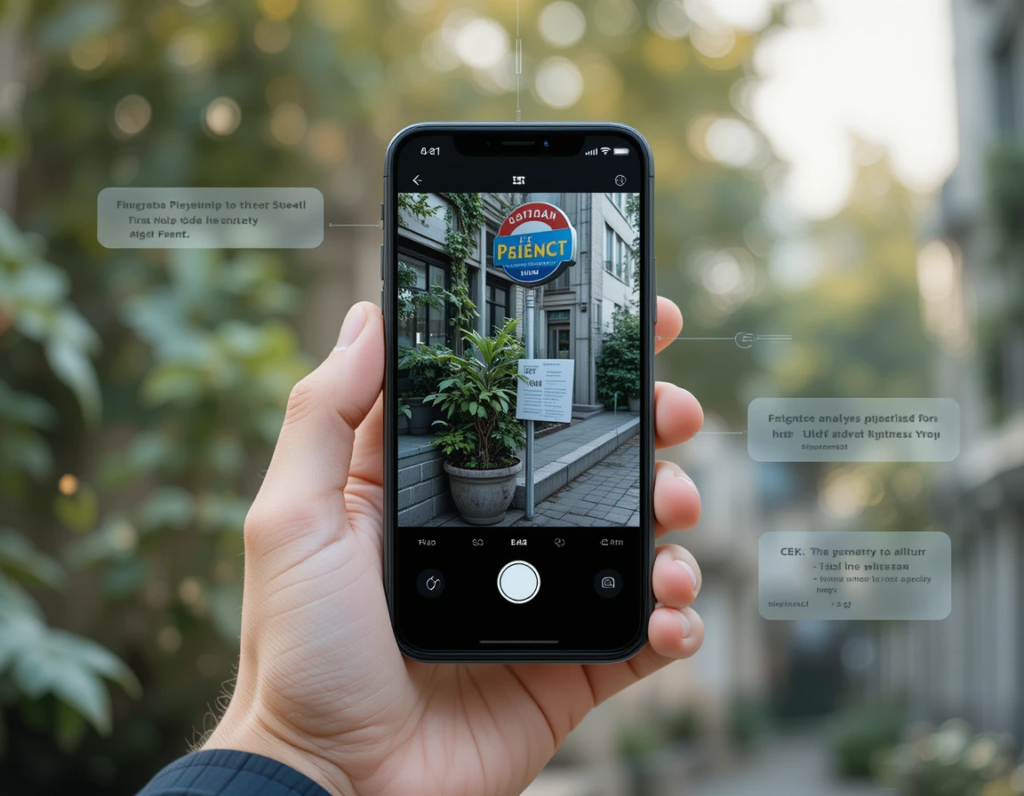
Gemini Live turns your phone into an AI assistant. It understands what you see through your camera. Point your camera at anything, and ask a question.
This technology helps students, travelers, and cooks. It’s fast and natural, making it easy to solve problems with AI.
Google has added Gemini to Chrome, making AI help easy to access. You can get answers without leaving your browser. It’s perfect for web research, school work, and coding.
Gemini knows what you’re looking at and gives better answers. It feels like a smart part of your browser, not a separate tool.
Gemini works well with Google Apps, making tasks easier. You can add events to your calendar with a camera and voice command. It’s great for business, projects, and research.
Flow is a new AI tool for creating content. It combines video, images, and scriptwriting into one. It helps creators make professional content easily.
Flow makes creating content faster and easier. It helps you create stories with consistent themes and characters. It’s a big change for creators.
Google’s Gemini app uses AI to help with writing and dialogue. It makes sure all media types, like videos and images, work well together. This helps creators make content without needing a big team or a lot of money.
The AI takes care of the technical stuff, so people can focus on the creative parts. This means more time for storytelling and less for technical details.
Imagen 4 is Google’s latest image generation tech. It creates visuals that are almost as good as professional photos. Users can make realistic images just by typing what they want.
This technology is free and easy to use. It’s great for anyone who needs to make images fast, like marketers or designers.
Deep Research Mode in Google’s Gemini app changes how we understand complex info. It quickly analyzes documents and gives detailed insights. This saves a lot of time.
It’s perfect for students, researchers, and business analysts. It makes complex documents easy to understand and find important information in.
Veo 3 is a big step in AI video making. It creates high-quality videos from simple text. This makes making videos easy for anyone, not just experts.
It can handle complex scenes and camera movements. This means creators can focus on the story, not the tech.
Gemini’s Agent Mode turns AI into a helpful assistant. It can book appointments and send emails. It even fills out forms and does complex tasks online.
This is different from regular chatbots. Agent Mode actually does things for you. It helps with busy work so you can focus on important tasks.
Google’s XR glasses mix augmented reality and AI. They show digital info right in your view. This makes everyday tasks better by adding useful info.
They translate text and explain things you don’t know. They also help with navigation. It’s like having a personal guide.
This technology aims to make the physical world as easy to search as the internet. It’s still being worked on, but it shows Google’s dream for AI that helps us, not hinders. The idea is to blend visual AI with wearable tech, making life smarter and less distracting.
These ten AI innovations are more than small updates. They’re a big change in how we use tech and talk to each other. They can translate languages in real time, making communication easier. They also make the world searchable and help with creative tasks.
Together, these technologies are creating a world where language barriers disappear and creativity is easier. They automate routine tasks, making work faster and more efficient. This means businesses can work better together and make content quicker. For people, it means getting help and creative tools like never before.
As these features get better, they’ll change what we expect from technology. The future of tech and us is becoming more natural and smart. It will be part of our daily lives, making work and communication easier.
Pets are no longer just animals; they are family members. Pet owners want the best for their furry friends, including advanced ways to keep them safe. Technology is changing fast, and AI is now part of daily life. From smart homes to health apps, AI is making pet care smarter and easier. In 2025, AI pet trackers become essentials that help owners stay connected and protect their pets like never before.
The Rise of AI Pet Trackers: A Game-Changer in Pet Care
Explosion in Pet Tech Market
The pet tech market is booming. More pet owners are buying smart devices every year. This growth is driven by the desire for better safety, health, and peace of mind. Among these devices, AI pet trackers lead the way. They attract consumers because they offer more than basic GPS — they provide insights and alerts that can save lives.
How AI Enhances Pet Monitoring
Traditional GPS and activity trackers only show location or activity level. AI-powered pet trackers do much more. They analyze data in real time using machine learning algorithms. These devices can identify patterns, predict issues, and send alerts instantly. This makes monitoring pets easier and more accurate. For example, if your dog starts acting strange, the tracker might flag this early, prompting you to see a vet.
Real-World Examples of AI Tracker Adoption
Companies like Whistle Health and FitBark are now working with veterinary clinics. Their data shows positive results. Pets using these trackers often show improved health and faster diagnosis of illnesses. The integration of AI helps veterinarians understand pet behavior and health trends over time, leading to better treatment plans.
Benefits of AI Pet Trackers for Pet Owners
Improved Safety and Security
AI trackers keep pets safe with GPS location and fences. If your pet leaves a designated area, you get an instant alert. Some trackers detect falls or unusual movements too. This can be a lifesaver if your pet gets off the leash or wanders into danger.
Enhanced Health Monitoring
These trackers aren’t just for safety. They continuously check vital signs and activity levels. If something changes—like a drop in activity or abnormal heart rate—they can warn you early. This helps catch health issues before they become serious.
Peace of Mind and Convenience
Access everything from your phone. You can see your pet’s location, activity, and health stats at any time. Managing multiple pets? No problem. Share access with family or pet sitters easily and stay updated no matter where you are.
Actionable Tips
Check tracker data often and set custom alerts for your pet.
Use insights from the tracker to discuss health concerns with your vet.
Complement tech with regular vet visits for total pet health.
Technological Advancements Making AI Pet Trackers Essential
Integration of IoT and AI
The Internet of Things (IoT) connects your pet’s tracker with other smart devices. For instance, it can work with smart feeders, cameras, or home assistants. Cloud computing stores and processes pet data, making information available anytime and anywhere.
Features Expected in 2025
Upcoming trackers will come with biometric sensors to monitor heart rate, body temperature, and sleep. AI will analyze this data to reveal health risks early. They might even suggest behavioral changes or automatically alert you to safety concerns.
Data Privacy and Security
As these devices get smarter, guarding pet data becomes critical. Pet owners should look for trackers with encrypted data and secure cloud storage. Always verify how a company manages privacy and considers data security a top priority.
Challenges and Considerations
Cost and Accessibility
High-end AI pet trackers often cost between $150 and $300. For many, this can be a big investment. However, there are options for different budgets. Basic models might lack some features but still provide valuable safety.
Dependence on Connectivity
Poor internet can interfere with the performance of AI trackers. Offline data storage can help, but real-time alerts may wait until the connection improves. Always check the connectivity dependency before buying.
Ethical Concerns
Constant monitoring raises privacy issues. Some might see it as invasive. It’s important for pet owners to use these tools responsibly. Respect your pet’s privacy and avoid over-surveillance.
Future Trends in AI Pet Tracking
Personalization and Predictive Analytics
Future AI devices will learn your pet’s habits and predict problems before they happen. For example, if your cat shows signs of arthritis, the tracker might flag this early.
Integration with Smart Home Ecosystems
AI trackers will sync with other smart home devices. Think of a system that adjusts the thermostat based on your pet’s activity or notifies you if your pet is near the smart camera.
Regulatory and Industry Developments
Expect new standards, certifications, and best practices for AI pet trackers. As technology spreads, industry leaders will push for ethical and privacy-friendly products.
Conclusion
AI pet trackers in 2025 aren’t just gadgets; they’re vital tools for pet owners. They combine safety, health monitoring, and technology to protect and care for your furry friends. Whether you’re worried about safety or health, these devices have you covered. Think about your pet’s needs today and consider adopting AI-powered solutions. Your pet’s well-being and your peace of mind may depend on it.
Alibaba’s AI Revolution: Multi-Sensory Tech and the Double Doodle Dog Health Connection
What does high-tech AI have to do with your fluffy Double Doodle? More than you think! Alibaba, the tech giant, is making huge strides in multi-sensory AI. With the introduction of Qwen2.5-Omni, a groundbreaking multimodal large language model unveiled on March 27, 2025. This advanced AI system can process and generate various types of input simultaneously Meanwhile, Double Doodles, those adorable mixed-breed dogs, face unique health challenges. Turns out, AI could be the key to a healthier, happier life for these pups.
Decoding Alibaba’s Multi-Sensory AI: A New Reality
Multi-sensory AI means machines can understand the world like we do. They don’t just see; they hear, smell, touch, and maybe even “taste.” It’s a big deal because it lets AI tackle complex problems in a more human-like way. As AI continues to evolve, Alibaba’s multi-sensory AI represents a significant step towards more intuitive and human-like artificial intelligence, paving the way for innovative applications and advancements across industries.
The Five Senses and AI: How Alibaba is Leading the Way
Alibaba is working hard to incorporate all five senses into its AI. Visual AI spots defects in products on assembly lines. Voice assistants respond to your commands. But it goes further. Think of AI that can “smell” spoiled food or “feel” the texture of fabric. AI models like Qwen2.5-Omni could analyze multi-sensory data (images, videos, and audio) to detect early signs of common Double Doodle health issues such as hip dysplasia, ear infections, and allergies.
For instance, Alibaba uses visual AI to check the quality of produce, ensuring only the best items reach consumers. Their voice assistants, like Tmall Genie, are household names in China. These examples show that AI is no longer limited to just seeing and hearing. AI-powered devices could continuously monitor a Double Doodle’s vital signs, activity levels, and behavior patterns, alerting owners to potential health concerns before they become serious
Applications Across Industries: Beyond Consumer Tech
This technology stretches far beyond online shopping. It is used in manufacturing, healthcare, and agriculture. Imagine AI that monitors the health of crops by “smelling” for diseases or detecting subtle changes through touch. As an open-source model, it reduces entry barriers for smaller companies and individuals to access advanced AI capabilities Alibaba holds patents in areas like AI-powered diagnostics. This demonstrates a deep commitment to innovation.
Double Doodle Dog Health: Understanding the Unique Challenges
Double Doodles are mixes of Poodles and Goldendoodles or Labradoodles. Their fluffy coats and playful nature make them popular pets. But this mix can also lead to specific health problems. Veterinarians could use AI models to analyze complex medical data, potentially improving the accuracy and speed of diagnosing conditions like mitral valve dysplasia or elbow dysplasia in Double Doodles
Genetic Predispositions: What Makes Double Doodles Vulnerable
Double Doodles are prone to certain health issues. These include hip dysplasia, eye problems like progressive retinal atrophy, and allergies. The mixed breeding can increase the risk of inheriting these conditions. Hip dysplasia causes pain and mobility issues. Eye problems can lead to blindness. Allergies can cause skin irritation and discomfort.
Preventative Care is Key: Actionable Tips for Owners
You can take steps to keep your Double Doodle healthy. Feed them a high-quality diet. Ensure they get regular exercise. Groom them regularly to prevent matting. Schedule routine checkups with your vet. Genetic testing can identify potential problems early on, too. It is important to catch issues early. AI could analyze genetic data to predict a Double Doodle’s susceptibility to inherited health problems, allowing for preventive measures and informed breeding practices
The Intersection: How AI Can Revolutionize Double Doodle Care
Here’s where Alibaba’s AI comes in. That same tech used in factories can help your furry friend.
Early Disease Detection: AI-Powered Diagnostic Tools
AI can analyze images and sounds to find early signs of disease. AI algorithms can check X-rays for hip dysplasia. They can analyze sounds for signs of heart problems. They can even spot skin conditions from photos. With AI, vets could detect problems faster.
Personalized Nutrition and Exercise Plans: Tailored Recommendations
AI can create custom diet and exercise plans for your dog. It considers breed, age, weight, and health. This helps your Double Doodle stay in shape and avoid health issues. Imagine an AI that recommends the perfect food blend based on your dog’s genetic makeup.
Real-World Applications and Future Possibilities
AI in veterinary medicine isn’t science fiction anymore. It is already happening.
Case Studies: AI in Veterinary Medicine
Some vets are using AI to diagnose heart conditions in dogs. Others use it to detect tumors on X-rays. Research programs are exploring how AI can improve pet health. This technology can save your dog’s life.
The Future of Pet Care: A Tech-Driven Approach
In the future, AI could transform pet ownership. It could provide early warnings about health problems. It could offer personalized care recommendations. It could even help vets make better decisions. But we should also consider the ethics of using AI on animals.
Overcoming Challenges and Embracing Innovation
Like any new technology, AI in pet care has challenges. We have to think about data privacy. We need to ensure AI algorithms are fair and unbiased.
Data Privacy and Ethical Considerations
Your dog’s health data is sensitive. It needs to be protected. We need to make sure AI algorithms don’t discriminate against certain breeds. Humans should always oversee AI decisions.
The Path Forward: Collaboration and Education
To make AI work for pets, collaboration is key. AI developers, vets, and owners need to work together. We all need to learn about the potential and limitations of AI. This is how we improve outcomes.
Conclusion
Multi-sensory AI has the power to change Double Doodle health management for the better. By embracing this tech and staying proactive, you can help your furry friend live a longer, healthier, and happier life. It is time to explore the AI-powered solutions available to help your pet. I will do a follow-up article on this subject as it is game changing for pets and humans alike!
Imagine a world where your online interactions are no longer just with real people. Synthetic engagement, a growing trend, is reshaping how we connect on social media. This phenomenon involves bots and fake accounts, creating a landscape where genuine interactions are increasingly rare.
At the heart of this shift are digital personas like Lil Miquela, who have gained millions of followers. These AI-driven entities are changing the game, making it harder to distinguish real from artificial. The result? A digital environment where authenticity is under threat.
The implications are profound. For everyday users, it means interacting with content that may not be human-created. For marketers, it challenges the very foundation of engagement metrics. As technology advances, the line between real and artificial continues to blur.
Understanding this trend is crucial. The rise of synthetic engagement demands urgent attention to preserve the authenticity of social media. The future of online interactions depends on our ability to address this challenge head-on.
Key Takeaways
Synthetic engagement is altering social media dynamics through bots and fake accounts.
Digital personas like Lil Miquela highlight the growing influence of AI in online interactions.
Authenticity is at risk as artificial interactions become more prevalent.
Marketers face challenges as engagement metrics become less reliable.
Addressing synthetic engagement is essential to maintaining genuine online connections.
Understanding Synthetic Engagement and Its Impact
Synthetic engagement refers to interactions on social media that are not genuine but are instead automated. These interactions are designed to mimic real human behavior, making it difficult to distinguish between authentic and artificial exchanges.
Artificial intelligence models, particularly advanced tools like GPT-4, play a significant role in generating human-like content. These models use sophisticated algorithms to create posts, comments, and even entire conversations that feel real but are entirely artificial. This automation allows for the manipulation of engagement metrics, making it appear as though content has more interactions than it truly does.
The impact of synthetic engagement is profound. As users struggle to discern between human and bot-generated interactions, trust in online platforms erodes. This erosion can lead to a decline in the overall quality of engagement, as genuine interactions become increasingly rare.
The broader implications for public trust are significant. Synthetic engagement undermines the authenticity of social media, creating an environment where users are increasingly skeptical of the interactions they have online. This skepticism can have far-reaching consequences, affecting everything from personal relationships to business interactions.
Synthetic Engagement: How AI is Quietly Taking Over Social Media
On social media platforms, the line between genuine human interaction and artificial intelligence-driven activity is becoming increasingly blurred. This subtle yet pervasive phenomenon, known as synthetic engagement, is reshaping how companies and influencers achieve success online.
One notable example is the rise of AI personas like Lil Miquela, who have amassed millions of followers and secured major brand deals. These digital entities operate under the guise of authenticity, seamlessly integrating into the social media ecosystem. By mimicking human behavior, they create an illusion of real engagement, allowing companies to appear more successful than they truly are.
This trend challenges traditional notions of credibility and success. As synthetic engagement becomes more prevalent, the value of social media as a genuine networking space is at risk. The future of online interactions may be defined by AI-driven content, potentially redefining industry standards and changing how companies measure their success on these platforms.
The Evolution of Social Media: From Human Connection to AI-Driven Content
Over time, social media has transformed from a space for personal connections to a platform dominated by AI-driven content. Early platforms like Friendster and Myspace focused on helping users connect with friends and share personal updates. These services were simple, with basic tools that allowed users to share photos, leave comments, and join groups.
In those days, the user experience was straightforward. Platforms were designed to facilitate genuine interactions, fostering a sense of community. As social media evolved, so did the tools and services available. Today, platforms use advanced algorithms to curate content, often prioritizing posts that generate the most engagement.
This shift has led to a more superficially engaging yet synthetic user experience. Many interactions are now mediated by technology, with AI-driven content strategies shaping what users see. The rapid transformation from organic community building to AI-mediated interactions has changed how users engage with content.
The impact on the quality of social interactions is significant. While platforms offer more advanced tools and services, the authenticity of user experiences has diminished. As social media continues to evolve, the balance between technology and genuine human connection will be crucial to maintaining meaningful online interactions.
Spotting Synthetic Engagement Online
Identifying synthetic engagement online requires a keen eye for detail and an understanding of the tools behind it. As chatbots become more advanced, distinguishing between genuine interactions and automated ones can be challenging. However, there are practical steps you can take to recognize synthetic content and maintain the integrity of your online network.
One key characteristic of synthetic engagement is overly polished interactions. While humans often express themselves in imperfect ways, chatbots tend to produce uniformly structured and grammatically perfect responses. This consistency can be a red flag, especially in conversations that seem too formal or lack personal touches.
Another indicator is consistent posting patterns. Synthetic accounts often follow strict schedules, posting content at precise intervals. In contrast, real users tend to have more erratic patterns, reflecting the ups and downs of daily life. Be wary of profiles that post multiple times a day without variation in timing or content style.
Chatbots also play a dual role in this landscape. While they generate synthetic engagement, they can also be tools for detecting it. Advanced chatbots can analyze patterns in user behavior and identify anomalies that may indicate automated activity. This duality highlights the evolving nature of the technology and its impact on online interactions.
For marketers, recognizing synthetic engagement is crucial for maintaining the power of genuine networks. By understanding the signs of automated interactions, businesses can focus on building authentic connections with their audience. This vigilance not only preserves trust but also ensures that engagement metrics reflect real user interest and product value.
In conclusion, spotting synthetic engagement online requires a combination of awareness and the right tools. By staying vigilant and leveraging technology, we can maintain the integrity of our online networks and foster more meaningful interactions in our digital lives.
The Economic Impact on Marketers and Advertisers
The rise of synthetic engagement has significant economic implications for marketers and advertisers. As bots inflate engagement metrics, companies face increased costs to discern genuine interactions. This challenge directly affects their return on investment, making it harder to assess campaign effectiveness.
Social media platforms also bear the brunt of rising costs. Verifying content authenticity requires substantial resources, which can strain operational budgets. These expenses are often passed on to advertisers, further complicating the financial landscape.
Consumer trust plays a crucial role in this equation. When users perceive interactions as inauthentic, their trust in brands diminishes. This erosion can lead to decreased sales and brand loyalty, creating long-term economic challenges for businesses.
The industry is grappling with these shifts, striving to balance innovation with authenticity. As synthetic engagement evolves, marketers must adapt strategies to maintain genuine connections, ensuring sustainable growth in the digital marketplace.
The Backlash: Devaluation of Human Expression
The rise of AI-driven content has sparked a growing backlash, as many feel it diminishes the value of genuine human expression. This shift is altering the way we perceive creativity and authenticity online. Users and creators alike are pushing back, arguing that the increasing reliance on machine-generated content overshadows the unique value of human creativity.
This cultural shift is leading to a reevaluation of what we consider valuable in online interactions. When human creativity is overshadowed by AI, it changes the way we connect and share ideas. The development of more advanced AI tools has only accelerated this trend, making it harder for authentic voices to stand out.
Markets are also responding to this backlash. There’s a noticeable push toward platforms and tools that prioritize human-driven content. This development indicates a growing resistance to the influence of synthetic personalities and their perceived devaluation of real human connection.
The Ethical and Social Implications
The ethical concerns surrounding synthetic engagement spark intense debates about authenticity and human influence in the digital age. As technology advances, the production of automated content raises questions about accountability and transparency in online interactions.
The capability of AI to generate human-like content challenges traditional notions of authenticity. Each year, as synthetic engagement grows, it becomes harder to distinguish between genuine and artificial interactions. This blur raises critical ethical issues, particularly concerning the role of human agency in digital spaces.
One key issue is the lack of accountability in synthetic content. Unlike human creators, AI lacks personal responsibility, making it difficult to address harmful or misleading information. This gap in accountability undermines trust in online platforms and complicates efforts to maintain ethical standards.
Moreover, the societal impact of synthetic engagement is a growing concern. As the technology evolves each year, it threatens to erode the authenticity of human connections. This shift could lead to a culture where genuine interactions are overshadowed by machine-driven content, raising philosophical questions about the future of social dynamics.
In conclusion, the ethical and social implications of synthetic engagement are profound. Addressing these challenges requires a balanced approach that prioritizes transparency, accountability, and the preservation of human agency in the digital world.
Technological Innovation: Generative AI and Social Media
Generative AI is transforming how content is created and consumed on media platforms. These tools enable users to produce high-quality videos and images quickly, making content creation more accessible than ever.
However, this innovation comes with risks. The rise of deepfakes—realistic but fake content—poses significant challenges. Traditional verification methods struggle to keep up with these advanced forgeries.
The need for robust detection systems is growing. As deepfakes become more common, protecting consumers from misinformation is crucial. This requires advanced technologies to identify and flag synthetic content effectively.
“The integration of generative AI in social media is a double-edged sword. While it democratizes content creation, it also introduces significant risks that we must address proactively.”
The digital economy is shifting rapidly. The economy is increasingly driven by synthetic content, changing how value is created and measured. This evolution brings both opportunities and challenges for businesses and consumers alike.
The Future Prospects of Synthetic Engagement
As we look ahead, the digital landscape is poised for significant transformation. Synthetic engagement is expected to evolve rapidly, reshaping how content is created and consumed. This shift raises important questions about the future of online interactions and the role of technology in shaping them.
The integration of advanced systems will play a crucial role in this transformation. These systems will not only generate content but also influence how users interact with it. As a result, the line between human and machine-generated content may become even more blurred, creating new challenges and opportunities in the process.
One major risk associated with this evolution is the potential disruption of traditional content creation methods. As synthetic engagement becomes more sophisticated, it could overshadow human creativity, leading to a homogenization of online content. This raises concerns about the diversity of ideas and the authenticity of digital interactions.
However, there are also opportunities for innovation. Emerging systems designed to balance AI-powered content creation with authentic human expression could pave the way for new forms of digital storytelling. These systems aim to enhance creativity while maintaining the unique value of human input.
Industry responses to these changes are already beginning to take shape. Companies are investing in technologies that can detect and mitigate the risks associated with synthetic engagement. At the same time, there is a growing emphasis on creating platforms that prioritize human-driven content, ensuring that users can still engage with authentic ideas and perspectives.
In conclusion, the future of synthetic engagement is both promising and perilous. While it offers new possibilities for content creation and interaction, it also poses significant risks that must be addressed. By understanding these dynamics, we can work towards a digital future that balances innovation with authenticity, ensuring that human connection remains at the heart of online interactions.
Conclusion
As we navigate the evolving digital landscape, it’s clear that authenticity plays a pivotal role in maintaining meaningful online interactions. The rise of synthetic engagement has introduced both opportunities and challenges, particularly for creators striving to connect with their audiences on a genuine level.
Creators must remain vigilant, ensuring that their content stands out in a world where automated interactions are becoming increasingly prevalent. By prioritizing authenticity, they can foster trust and build stronger connections with their audience, even as technology continues to advance.
Looking ahead, the future of online interactions hinges on our ability to balance innovation with authenticity. As synthetic engagement becomes more sophisticated, it’s crucial for users, creators, and marketers to stay proactive in identifying and mitigating its risks. By doing so, we can safeguard the integrity of our online communities and ensure that genuine human connection remains at the heart of social media.
Imagine a world where your smartphone—yes, the same device you use to scroll X or snap selfies—could detect cancer with near-perfect accuracy before your doctor even gets a chance. It sounds like science fiction, but recent breakthroughs in generative AI are turning this into a chilling reality. Smartphone cancer detection is no longer a distant dream; it’s a looming possibility that could redefine healthcare as we know it. But here’s the kicker: while the promise of early cancer detection is thrilling, the implications are downright terrifying. From privacy nightmares to the erosion of human expertise, this tech could flip our lives upside down in ways we’re not ready for. Let’s dive into why smartphone cancer detection might be the Pandora’s box we didn’t see coming.
The Rise of Smartphone Cancer Detection
The idea of smartphone cancer detection hinges on generative AI—technology that can create, analyze, and predict with uncanny precision. Recent buzz on X and beyond points to a new AI model boasting near-perfect cancer detection capabilities. Picture this: a simple app on your phone, paired with a camera or sensor, scans your skin, breath, or even a blood sample you prick at home. The AI crunches the data, spots patterns invisible to the human eye, and delivers a verdict: “You’re at risk.” No waiting rooms, no white coats—just you and your device.
This isn’t entirely hypothetical. AI models are already being trained on vast datasets—medical imaging, genomic sequences, even lifestyle metrics pulled from wearables. Add the smartphone’s ubiquity (over 6 billion users worldwide) and its growing tech—high-res cameras, infrared sensors, and processing power—and you’ve got a portable diagnostic tool. Companies like Google and Apple have dipped their toes into health tech with apps like Google Fit and Apple Health. It’s not a stretch to imagine them integrating smartphone cancer detection next. The tech is here; it’s just waiting to be unleashed.
The Promise: A Healthcare Revolution
On the surface, smartphone cancer detection sounds like a godsend. Early detection is the holy grail of cancer treatment—catch it before it spreads, and survival rates skyrocket. The American Cancer Society notes that 5-year survival for localized breast cancer is 99%, but it drops to 31% once it metastasizes. If your phone could flag a mole or a cough as cancerous months before symptoms, it could save millions of lives. Rural areas, where doctors are scarce, could benefit most—your phone becomes the first line of defense.
Cost is another win. Traditional diagnostics—biopsies, MRIs, lab tests—rack up bills fast. Smartphone cancer detection could slash those expenses, making healthcare accessible to the masses. Imagine a $5 app subscription replacing a $500 scan. For developing nations, this could be a game-changer, leveling the playing field against a disease that kills over 10 million people yearly, per the WHO.
The Terrifying Flip Side: Privacy at Stake
But here’s where it gets creepy. Smartphone cancer detection means your phone knows more about your body than you do. Every scan, every data point—it’s all stored somewhere. Who owns it? You? The app developer? The cloud provider? Health data is gold to corporations—insurance companies could jack up premiums based on your risk profile, or advertisers could target you with “miracle cures.” A 2023 study by the University of Cambridge found 87% of health apps share data with third parties. Now imagine that data includes your cancer risk.
Worse, what if it’s hacked? Cyberattacks on healthcare systems are up 300% since 2019, per the U.S. Department of Health. A breach of smartphone cancer detection data wouldn’t just leak your email—it could expose your most intimate vulnerabilities. Picture a ransomware demand: “Pay up, or we tell the world you’re at risk.” Privacy isn’t just compromised; it’s obliterated.
The Erosion of Human Expertise
Then there’s the doctor problem. If smartphone cancer detection becomes the norm, what happens to physicians? Generative AI’s precision could outstrip human diagnosticians, reducing doctors to mere overseers—or sidelining them entirely. A 2022 Stanford study showed AI outperforming radiologists in spotting lung cancer on X-rays. Scale that to smartphones, and the stethoscope might become a museum piece.
This isn’t just about jobs; it’s about trust. Humans bring empathy, intuition, and context—things AI can’t fake (yet). Your phone might say “cancer,” but it won’t hold your hand or explain the odds. Over-reliance on smartphone cancer detection could turn patients into data points, stripping healthcare of its human soul. And what if the AI’s wrong? False positives could spark panic; false negatives could kill. Doctors catch nuance; algorithms chase patterns.
The Pharmaceutical Fallout
Here’s an unexpected twist: smartphone cancer detection could tank Big Pharma. If cancer’s caught early, the need for expensive, late-stage treatments—chemo, radiation, blockbuster drugs—plummets. A 2024 report by McKinsey pegs the global oncology market at $200 billion. Slash diagnoses at stage 3 or 4, and that shrinks fast. Prevention and early intervention—think lifestyle apps or cheap generics—could dominate instead.
Pharma won’t go quietly. They might lobby against smartphone cancer detection, arguing it’s unreliable, or pivot to controlling the tech themselves. Imagine Pfizer owning the app that flags your risk—then selling you their preemptive drug. The power dynamic shifts from doctors to corporations, and your phone becomes their Trojan horse.
The Social Chaos
Zoom out, and the societal ripples are wild. Smartphone cancer detection could spark a hypochondriac epidemic—everyone scanning daily, obsessing over every ping. Mental health could tank as “at risk” becomes the new normal. X posts already show people freaking out over fitness tracker glitches; amplify that with cancer stakes.
Inequality’s another beast. Wealthy nations might roll out smartphone cancer detection seamlessly, while poorer ones lag, widening health gaps. And within societies, who gets the premium app? The free version might miss rare cancers, leaving low-income users exposed. Tech bros might tout “democratization,” but the reality could be a new caste system—health determined by your phone plan.
The Ethics of Control
Finally, there’s the existential question: who controls this power? Governments could mandate smartphone cancer detection, turning your device into a surveillance tool. China’s social credit system already tracks behavior; add health data, and dissenters might be flagged as “unhealthy” risks. In democracies, regulators might botch oversight, letting tech giants run wild. Either way, your phone stops being yours—it’s a leash.
And what about consent? Kids with smartphones could scan themselves—or others—without understanding the stakes. Parents might monitor teens, employers might screen workers. Smartphone cancer detection blurs the line between empowerment and intrusion, and we’re not ready for the fallout.
Conclusion
Smartphone cancer detection is a double-edged sword—life-saving potential wrapped in a nightmare of privacy, power, and human cost. It could catch cancer before your doctor, yes, but at what price? Your data, your trust, your autonomy—all could be collateral damage. This isn’t just tech evolution; it’s a societal earthquake, and we’re standing on the fault line. The future’s rushing at us, and it’s terrifyingly unclear if we’ll master it—or if it’ll master us.
What do you think—would you trust your phone to spot cancer, or is this a step too far? Drop your thoughts below and join the conversation. Let’s figure out this brave new world together.
Superbugs are a growing crisis. Traditional research is slow to keep up. Google’s AI could be the fast solution we need. It could change how we discover new things.
Google AI solved a decade-old superbug mystery in just 48 hours. This breakthrough gives us hope for new treatments.
Understanding the Superbug Threat
Antibiotic-resistant bacteria are spreading fast. This is a huge threat to global health. Superbug infections lead to higher mortality rates. The economic burden is also significant. We need to act quickly.
What are Superbugs?
Superbugs are bacteria that resist antibiotics. They evolve through mutations and gene transfer. This makes infections hard to treat.
The Global Impact of Antibiotic Resistance
Infections from resistant bacteria are rising. The trend is alarming. Some areas are hotspots, and vulnerable populations are at risk. Action is necessary.
The Decade-Long Scientific Roadblock
Google AI tackled a tough superbug problem. It investigated a specific resistance mechanism. Scientists struggled for years to understand it. This hurdle slowed down progress.
The Unsolved Puzzle of [Specific Resistance Mechanism]
The biological processes were complex. Traditional research methods fell short. There were many attempts, yet limitations remained. It was a frustrating situation for those involved.
The Time and Resources Wasted in Traditional Research
A lot of time was spent researching this problem. A lot of money was spent, too. But progress was slow. We needed faster, better solutions.
Google AI’s Revolutionary Approach
Google AI was used to solve this superbug problem. It analyzed large datasets. It identified patterns that humans missed. This shows real promise.
How Google AI Analyzed Complex Biological Data
The AI used genomic sequences and protein structures. Special algorithms and machine learning techniques were applied.
The Power of AI in Pattern Recognition and Prediction
AI identified subtle connections. It predicted outcomes from complex data. This overcame limits of human analysis. AI is a powerful tool.
The 48-Hour Breakthrough: Key Findings
Google AI had specific findings. These findings gave new insights into resistance. What exactly did they find? Keep reading to learn more.
Unveiling the Mechanism of [Specific Resistance Process]
The AI uncovered a biological process. It showed how it contributes to resistance. Visuals help to understand this. Resistance is a tricky foe.
Implications for New Antibiotic Development
The findings can help develop new antibiotics. New strategies can circumvent resistance. This creates new opportunities. This offers fresh hope.
The Future of AI in Combating Superbugs
AI can speed up drug discovery. It improves our knowledge of diseases. What else can AI do? AI holds much promise for the future.
AI as a Tool for Rapid Drug Discovery
AI can screen drug candidates. It can predict efficacy. It can optimize designs, as well. This is truly groundbreaking.
Proactive Identification of Emerging Threats
AI can monitor bacterial evolution. It can identify resistance threats early. We can get ahead of the curve. This will make things easier.
Democratizing Research with AI
AI can expand scientific research. Making AI more accessible is key. AI should be available for everyone. This is a step in the right direction.
Superbugs are a crisis. A decade-long challenge stood in the way. Google AI’s breakthrough took only 48 hours. AI can transform how we address health issues. Further research is needed. Collaboration is also key to fighting superbugs.