Tag: ArtificialIntelligence

  • Can Computers Create Art? Exploring the World of AI-Generated Creations

    Can Computers Create Art? Exploring the World of AI-Generated Creations

    Exploring the World of AI-Generated Creations

    The digital realm has transformed countless industries, and art is no exception. With the rise of artificial intelligence (AI), the question arises: can machines genuinely create art? This exploration delves into the world of AI-generated creations, spotlighting significant changes in how we perceive artistry.

    The Blurring Lines Between Human and Machine Creativity

    As AI technology advances, the boundary between human and machine creativity becomes less distinct. Traditional notions of art focused on the human touch, emotion, and experience. However, AI can mimic these qualities. Today, artworks generated by algorithms can evoke real feelings and provoke thought. This evolution challenges long-held beliefs about what constitutes art.

    The Rise of AI Art Generators and Their Impact on the Art World

    AI art generators have surged in popularity. Tools like DALL-E and Midjourney allow users to create visually stunning pieces with simple prompts. These generators rely on extensive datasets of images to learn styles, techniques, and themes, producing unique outputs.

    Not only are these creations captivating, but they also raise questions regarding authenticity and value in the art world. As more artists embrace these technologies, art forms are diversifying and reshaping established standards.

    Setting the Stage: Defining Art and Creativity

    To appreciate AI-generated art, it’s essential to explore definitions of art and creativity. Art has often been associated with human intent and emotional expression. Creativity involves generating new ideas, whether through traditional methods or innovative means. By expanding this definition, we can embrace the artistic contributions of AI.

    Understanding AI Art Generation Techniques

    AI art generation employs various techniques, each contributing to its potential. Here are some key methods:

    Generative Adversarial Networks (GANs): The Power of Competition

    GANs consist of two neural networks—one generating images and the other critiquing them. This competitive process fosters continual improvement, yielding increasingly sophisticated creations.

    Deep Learning Models: Training Algorithms on Vast Datasets

    Deep learning algorithms analyze extensive collections of images and styles. They identify patterns, textures, and forms, allowing AI to generate original pieces that mimic different artistic styles.

    Evolutionary Algorithms: Adapting and Refining Artistic Styles

    Similar to natural selection, evolutionary algorithms evolve artworks over time. These algorithms generate variations, gradually refining them based on user feedback or set criteria.
    Analyzing the Artistic Merit of AI Creations

    Evaluating AI-generated art involves several factors, including aesthetics, human input, and legal considerations.

    Assessing Aesthetics: Beauty, Emotion, and Impact

    Just like traditional art, AI creations can be judged by beauty, emotional resonance, and impact. Viewers often respond to these pieces similarly to human-made art, highlighting their aesthetic value.

    The Role of Human Input: Prompt Engineering and Artistic Direction

    While AI does much of the heavy lifting, human input remains crucial. Prompt engineering—crafting effective prompts—guides the AI in creating desired outcomes. The artist’s vision shapes the final product, allowing collaboration between human and machine.

    Legal issues arise with AI-generated art. Who owns the rights? The user, the AI developer, or neither? This gray area presents challenges for artists and the art world, demanding new frameworks to address these concerns.

    The Impact of AI on the Art World and Society

    AI’s influence extends beyond individual artworks. It alters how we think about creativity and art itself.

    AI as a Tool for Artists: Expanding Creative Possibilities

    Artists are finding new ways to incorporate AI into their practices. It acts as an assistant, providing fresh perspectives, ideas, and inspiration. This collaboration opens communities to explore uncharted territories in art.

    The Future of Art Education: Integrating AI into Curricula

    As digital art grows, educational institutions must adapt. Integrating AI into art curricula teaches future artists to use these tools efficiently, blending traditional techniques with modern technology.

    The Ethical Considerations: Bias, Representation, and Authenticity

    AI is not without its flaws. Data bias can lead to misrepresentation in art. Understanding these ethical concerns is vital to ensuring AI promotes diversity and authenticity rather than perpetuating stereotypes.

    Famous Examples of AI Art and Their Significance

    Several noteworthy examples highlight the capabilities of AI in art creation.

    Specific Examples of AI-Generated Artworks

    1. Portrait of Edmond de Belamy: Created by Obvious, this piece sold for over $432,000 at auction, showcasing the commercial viability of AI art.
    2. The Next Rembrandt: This project utilized machine learning to recreate a compelling piece mimicking Rembrandt’s style, bridging historical and modern art forms.

    Analysis of their reception and impact on the art community

    These examples received mixed reactions. Some applaud the innovation, while others argue it diminishes human creativity. Regardless, they spark dialogue about art’s future.

    Discussion of the artists (human and AI) involved

    The interplay between human and AI artists fosters a new creative ecosystem. Traditional artists and tech developers collaborate, creating pioneering works that redefine artistic boundaries.

    Conclusion: A Future Shaped by Human-AI Collaboration

    AI’s role in art creation is undeniable. As technology advances, artists and machines can work in tandem, enriching the art world with fresh ideas and perspectives.

    Key Takeaways: The evolving role of AI in art creation

    AI is not replacing artists; it’s enhancing creativity. By embracing new tools, artists can push boundaries and explore new realms of expression.

    Call to action: Further exploration and engagement with AI art

    Engage with AI art by exploring different platforms, participating in discussions, and considering its implications. The future of art is a joint endeavor, inviting creativity from both machines and humans.
  • What Is AI Art and How Does It Work?

    AI Art Discover how AI art is revolutionizing creativity! Explore AI-generated artwork, popular AI art tools like Midjourney and DALL-E 2, and the technology behind Generative Adversarial Networks (GANs) and Diffusion Models. Learn about the ethics, applications, and future of AI in art.

    Artificial Intelligence in Art

    The Rise of Artificial Creativity

    The world of art is changing fast, thanks to AI art generators. These tools are transforming how we create, experience, and think about art. From stunning visuals to imaginative concepts, AI is pushing the boundaries of creativity.

    AI art refers to artwork produced with the help of artificial intelligence technologies. This can include images, paintings, music, and even text-based art. It comes in many forms, powered by various algorithms and techniques. Understanding AI art is vital in today’s digital world, where technology meets imagination.

    Understanding the Technology Behind AI Art

    Generative Adversarial Networks (GANs)

    One primary technology behind AI art is Generative Adversarial Networks, or GANs. These networks work by having two components: a generator and a discriminator.

    • Generator: Creates images based on random noise or existing sample data.
    • Discriminator: Evaluates images and determines whether they are real or generated.

    This back-and-forth process improves the quality of the generated art over time, leading to stunning results.

    Diffusion Models

    Diffusion models are another innovative approach in AI art generation. They start with random noise and gradually refine it into coherent images through multiple iterations.

    • Process: The model learns patterns from training data and applies them to create art.
    • Outcome: This method can produce high-quality images, making it a favorite among creators.

    Other AI Art Techniques

    AI art also includes other techniques, such as neural style transfer, which applies the style of one image to the content of another. Despite their strengths, these methods have limitations, including biases in training data and a lack of creative intent.

    Midjourney

    Midjourney offers an accessible platform for users to create art with ease. Its features include:

    • User-friendly interface.
    • Community-driven support.

    However, it may lack advanced customization options compared to others.

    DALL-E 2

    DALL-E 2, developed by OpenAI, is known for its impressive capabilities. It can generate unique images based on textual prompts. Key points include:

    • High-quality image output.
    • Ability to understand complex prompts.

    Its limitations involve restrictions on explicit content and bulk generation.

    Stable Diffusion

    Stable Diffusion has gained popularity for its open-source nature. This allows for:

    • Community contributions.
    • Versatile applications.

    Its uniqueness lies in its accessibility, appealing to both amateurs and professionals.

    Ethical Considerations and the Future of AI Art

    As AI art grows, so do questions about copyright. Who owns AI-generated art? The original artists whose works trained the AI? The developers of the AI? Clear guidelines are still needed.

    Impact on Human Artists

    AI art also influences human creativity. While some artists embrace AI as a tool, others fear it may replace traditional methods. This raises questions about the role of human touch in artistic expression.

    Societal Implications

    The development of AI art may reshape societal norms around creativity. As more creators use AI, discussions about authenticity and originality become increasingly relevant.

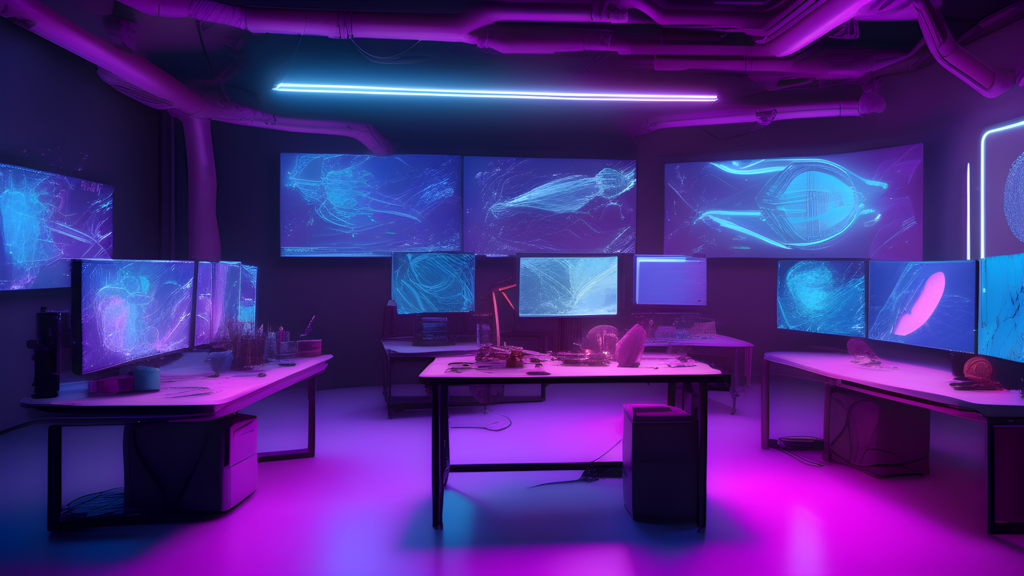
    A futuristic digital artist’s workspace where an AI-powered robotic arm paints on a digital canvas. The screen showcases an AI-generated abstract artwork blending human and artificial creativity. The environment is illuminated by neon blue and purple lights, reflecting an advanced tech-driven studio. The atmosphere is artistic yet high-tech, symbolizing the evolution of art in the AI age.

    Mastering the Art of AI Art Prompts

    Crafting Effective Prompts

    When using AI art generators, writing effective prompts is crucial. Clear and descriptive language helps the AI understand your vision better. Experiment with different styles and contexts to see varied results.

    Using Keywords and Negative Prompts

    Incorporating specific keywords can guide the AI to produce desired outcomes. Negative prompts help define what you don’t want, refining the results further.

    Experimentation and Iteration

    Iterate on your prompts. AI art thrives on experimentation. Test variations until you achieve the results you wish for.

    AI Art: Applications and Beyond

    AI Art in Commercial Applications

    AI art finds applications in marketing and design. Businesses use it to create eye-catching visuals quickly, saving time and resources.

    AI Art in Creative Fields

    Movies and music also benefit from AI-generated content. For instance, filmmakers experiment with visuals that blend real and virtual elements. Musicians use AI to compose unique soundscapes.

    Shaping Future Artistic Expressions

    AI is shaping new ways to express art. As more tools become available, the future of creativity may involve a collaboration between humans and machines.

    Conclusion: Embracing the AI Art Revolution

    AI art presents incredible possibilities but also challenges. Key takeaways include the importance of understanding the technology and its implications for the art world. As we navigate this new space, engagement with AI art can spark creativity and innovation.

    Explore AI art generators and try creating your own pieces. Discover the power of combining human creativity with artificial intelligence. The future of art is here, and it’s an exciting time to be a part of the revolution!

  • Download Perplexity DeepSeek R1: Your Guide to Enhanced Search

    Download Perplexity DeepSeek R1: Your Guide to Enhanced Search

    Introduction: Unveiling the Power of DeepSeek R1

    The Search for Superior Search: Why DeepSeek R1 Matters

    In a sea of information, finding what you need can be overwhelming. Perplexity DeepSeek R1 presents a solution. This advanced search tool harnesses the power of artificial intelligence, elevating the way you retrieve information. With its enhanced capabilities, users can pinpoint relevant data faster and more effectively.

    Perplexity AI and its Revolutionary Approach to Information Retrieval

    Perplexity AI is at the forefront of search technology. It transforms traditional search methods through deep learning techniques. By understanding language and context better, it provides tailored search results that often surpass those of mainstream engines. This innovative approach shifts the paradigm of how we access and engage with information.

    What to Expect from this DeepSeek R1 Download Guide

    This guide aims to simplify the process of downloading and using DeepSeek R1. Whether you want to explore its features or enhance your productivity, this article covers it all. Discover how to efficiently install and customize DeepSeek R1, and learn the best practices for maximizing its potential.

    Understanding Perplexity DeepSeek R1’s Capabilities

    Deep Learning and Natural Language Processing: The Technology Behind DeepSeek R1

    DeepSeek R1 utilizes cutting-edge technology, relying on deep learning and natural language processing (NLP). These advanced methods allow the tool to comprehend queries more thoroughly. By analyzing context and semantics, it offers results that align closely with user intentions.

    Enhanced Search Precision and Efficiency: How DeepSeek R1 Improves Results

    One of the key advantages of DeepSeek R1 is its precision. Traditional search engines often yield irrelevant results, wasting valuable time. DeepSeek R1 narrows down searches sharply, increasing the likelihood of finding what you need on the first attempt.

    Key Features and Benefits: A Comprehensive Overview

    • Natural Language Understanding: Interact in plain language.
    • Contextual Relevance: Results based on context rather than keywords alone.
    • User-Friendly Interface: Navigate easily, even for beginners.
    • Rapid Information Retrieval: Access information in seconds, not minutes.

    Step-by-Step DeepSeek R1 Download and Installation Guide

    System Requirements and Compatibility: Ensuring a Smooth Download

    To install DeepSeek R1, make sure your system meets these requirements:

    • Operating System: Windows 10 or later, macOS, or Linux.
    • RAM: 4GB minimum recommended.
    • Internet Connection: Required for activation and updates.

    Downloading DeepSeek R1: A Simple, Step-by-Step Process

    1. Visit the official Perplexity website.
    2. Find the DeepSeek R1 download link.
    3. Click on the link to begin downloading.
    4. Save the file to your preferred location.

    Installation and Setup: A Quick Guide to Getting Started

    1. Locate the downloaded file and double-click to open.
    2. Follow the on-screen instructions.
    3. Once installed, launch the application.
    4. Complete the setup wizard to personalize your experience.

    Mastering DeepSeek R1: Tips and Tricks for Optimal Performance

    Advanced Search Techniques: Unlocking DeepSeek R1’s Full Potential

    Maximize your search results by using phrases instead of single words. For example, instead of “cats,” try “best cat care tips.” This helps the engine understand your intent better.

    Customizing Your DeepSeek R1 Experience: Personalized Settings

    DeepSeek R1 allows you to tweak settings based on your preferences. Adjust filters, save favorite searches, or set criteria to receive alerts on specific topics of interest.

    Troubleshooting Common Issues: Resolving Download and Usage Problems

    Having issues? Here are a few quick fixes:

    • Download Problems: Check your internet connection and try again.
    • Installation Errors: Ensure system requirements are met. Restart your computer if needed.
    • Search Result Questions: Rephrase your query for better accuracy.

    DeepSeek R1 vs. Other Search Engines: A Comparative Analysis

    Direct attention to Comparative analysis of two search engines

    Comparing Search Accuracy and Speed: DeepSeek R1 Benchmarks

    In tests comparing search accuracy, DeepSeek R1 consistently outperformed competitors in retrieving relevant information quickly. Users benefit from less time sifting through irrelevant results.

    Feature Comparison: DeepSeek R1 vs. Google, Bing, and Others

    • DeepSeek R1: Contextual results with deeper understanding.
    • Google: Robust network but often overwhelmed by ads.
    • Bing: Good for image searches but lacks nuance in language understanding.

    User Experience and Interface: A Comparative Look

    DeepSeek R1’s interface is clean and intuitive. Users find their desired information without getting lost in complicated menus. This ease of use sets it apart from more congested alternatives.

    Real-World Applications and Use Cases of DeepSeek R1

    Academic Research and Information Gathering: DeepSeek R1’s Role

    Students and researchers can utilize DeepSeek R1 to find relevant academic papers and publications quickly. It streamlines the research process, saving you valuable time.

    Professional Use Cases: Enhancing Productivity and Efficiency

    In a work environment, DeepSeek R1 can assist with project-based inquiries. Whether it’s gathering data or compiling reports, its efficiency helps professionals stay focused and productive.

    Personal Use: DeepSeek R1 for Everyday Information Needs

    From recipe searches to DIY projects, DeepSeek R1 caters to everyday users. Its ability to understand conversational queries makes it perfect for casual searches.

    Key Takeaways: Maximizing Your DeepSeek R1 Experience

    Utilize advanced techniques like natural language queries. Personalize settings to fit your needs and troubleshoot common issues quickly for an optimal experience.

    Future of Perplexity AI and DeepSeek: What’s Next?

    As technology evolves, expect frequent updates enhancing DeepSeek R1’s capabilities. Future versions may include even more advanced features, reinforcing its position as a top search tool.

    Call to Action: Download DeepSeek R1 Today

    Ready to enhance your search experience? Download DeepSeek R1 today and discover the potential of a smarter search tool. Don’t miss out on the benefits that Perplexity AI has to offer!