
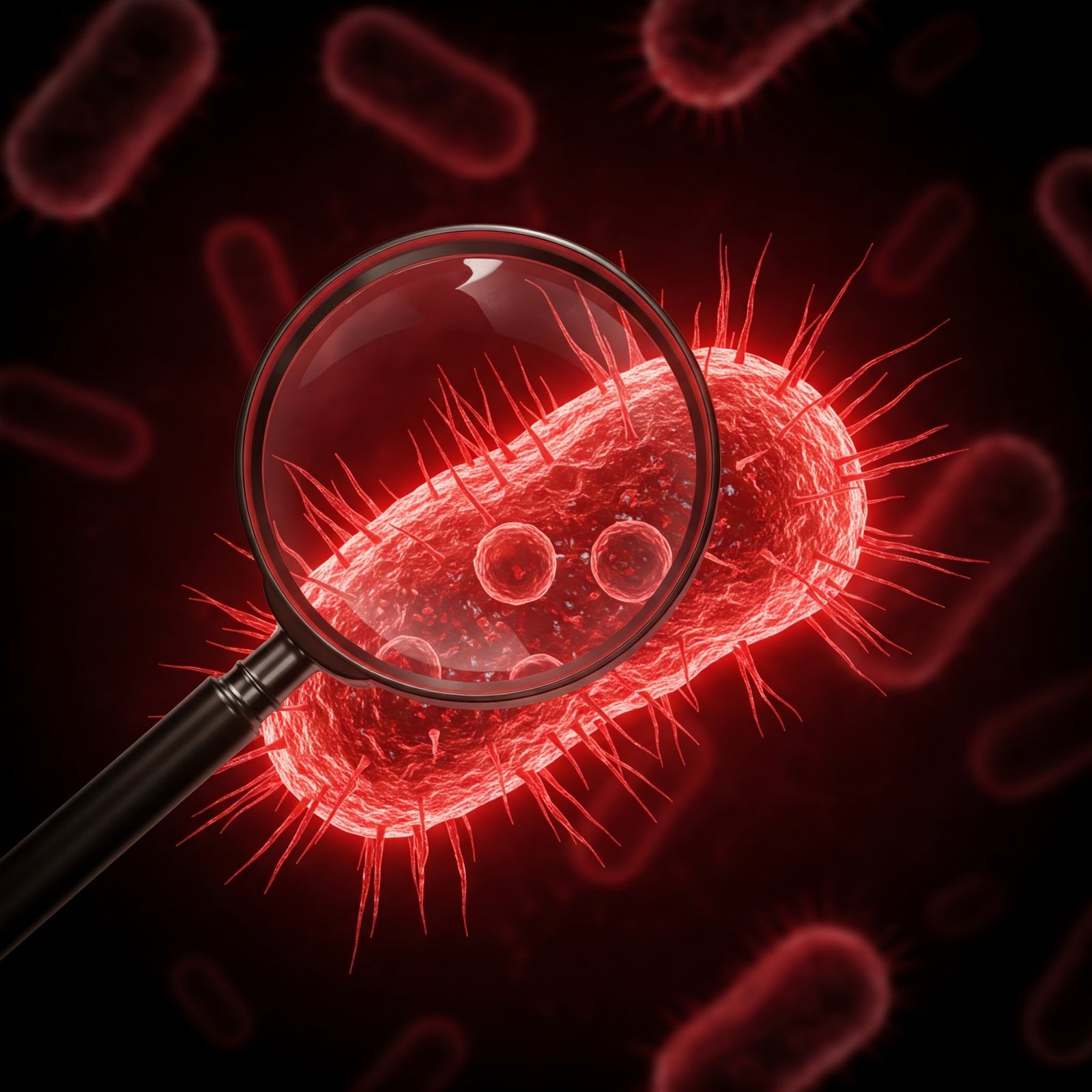
Superbugs are a growing crisis. Traditional research is slow to keep up. Google’s AI could be the fast solution we need. It could change how we discover new things.
Google AI solved a decade-old superbug mystery in just 48 hours. This breakthrough gives us hope for new treatments.
Understanding the Superbug Threat
Antibiotic-resistant bacteria are spreading fast. This is a huge threat to global health. Superbug infections lead to higher mortality rates. The economic burden is also significant. We need to act quickly.
What are Superbugs?
Superbugs are bacteria that resist antibiotics. They evolve through mutations and gene transfer. This makes infections hard to treat.
The Global Impact of Antibiotic Resistance
Infections from resistant bacteria are rising. The trend is alarming. Some areas are hotspots, and vulnerable populations are at risk. Action is necessary.
The Decade-Long Scientific Roadblock
Google AI tackled a tough superbug problem. It investigated a specific resistance mechanism. Scientists struggled for years to understand it. This hurdle slowed down progress.
The Unsolved Puzzle of [Specific Resistance Mechanism]
The biological processes were complex. Traditional research methods fell short. There were many attempts, yet limitations remained. It was a frustrating situation for those involved.
The Time and Resources Wasted in Traditional Research
A lot of time was spent researching this problem. A lot of money was spent, too. But progress was slow. We needed faster, better solutions.
Google AI’s Revolutionary Approach
Google AI was used to solve this superbug problem. It analyzed large datasets. It identified patterns that humans missed. This shows real promise.
How Google AI Analyzed Complex Biological Data
The AI used genomic sequences and protein structures. Special algorithms and machine learning techniques were applied.
The Power of AI in Pattern Recognition and Prediction
AI identified subtle connections. It predicted outcomes from complex data. This overcame limits of human analysis. AI is a powerful tool.
The 48-Hour Breakthrough: Key Findings
Google AI had specific findings. These findings gave new insights into resistance. What exactly did they find? Keep reading to learn more.
Unveiling the Mechanism of [Specific Resistance Process]
The AI uncovered a biological process. It showed how it contributes to resistance. Visuals help to understand this. Resistance is a tricky foe.
Implications for New Antibiotic Development
The findings can help develop new antibiotics. New strategies can circumvent resistance. This creates new opportunities. This offers fresh hope.
The Future of AI in Combating Superbugs
AI can speed up drug discovery. It improves our knowledge of diseases. What else can AI do? AI holds much promise for the future.
AI as a Tool for Rapid Drug Discovery
AI can screen drug candidates. It can predict efficacy. It can optimize designs, as well. This is truly groundbreaking.
Proactive Identification of Emerging Threats
AI can monitor bacterial evolution. It can identify resistance threats early. We can get ahead of the curve. This will make things easier.
Democratizing Research with AI
AI can expand scientific research. Making AI more accessible is key. AI should be available for everyone. This is a step in the right direction.
Superbugs are a crisis. A decade-long challenge stood in the way. Google AI’s breakthrough took only 48 hours. AI can transform how we address health issues. Further research is needed. Collaboration is also key to fighting superbugs.