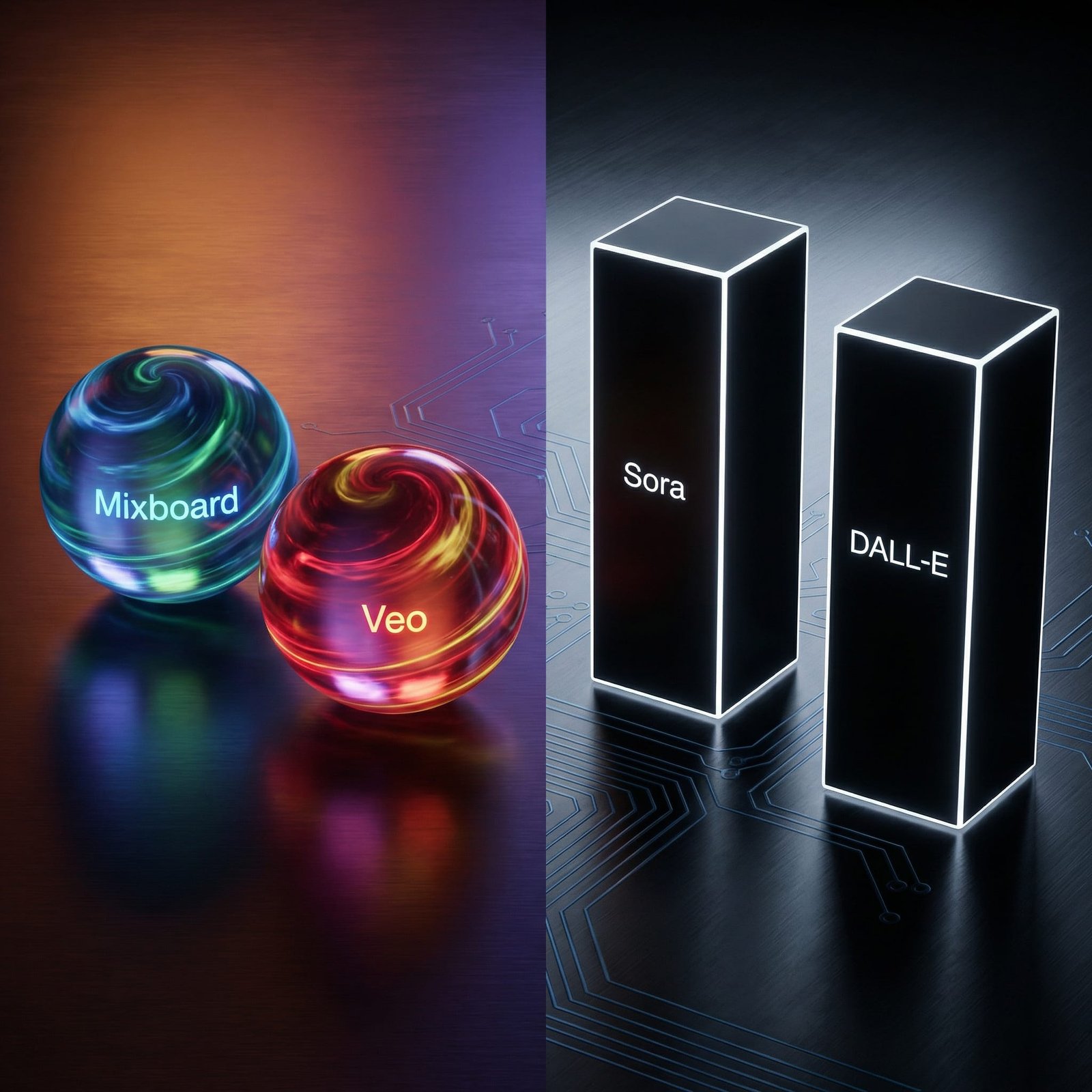
Tag: CreativeAI

  • Is Google Veo Better Than Sora? The Creative AI Battle

    Is Google Veo Better Than Sora? The Creative AI Battle

    Google Veo vs OpenAI Sora: Is Veo Better Than Sora in 2026?

    If you make videos for a living, this isn’t a fun side debate anymore. It’s a weekly decision that affects deadlines, budgets, and how many tools you have open at once. As of early 2026, Veo 3.1 and Sora 2 are two of the biggest names in generative video, and they’re pushing creators in different directions.

    I keep hearing the same question in marketing chats and creator Discords: Is Google Veo better than Sora? The honest answer is, it depends on what I need to ship this week, ads, social clips, story moments, or a repeatable workflow my team can follow.

    In this post, I’m doing a practical, creator-first comparison. No fanboy takes, no vague hype, just what matters when I’m trying to publish on time and keep quality high.

    The rise of generative video, from novelty clips to real production

    A year ago, most AI video felt like a proof of concept. It looked cool for a tweet, then fell apart when you tried to build a full sequence. In 2026, that’s changed. Motion is cleaner, shots hold together longer, and the big shift is that audio is now showing up inside the generators, not as a separate “fix it later” step.

    That matters because video production is usually death by a thousand handoffs. Script here, visuals there, voice somewhere else, then editing, then sound, then captions, then exports. When the generator can produce footage that’s already close to “publishable,” I’m saving time in the most expensive part of the process, revisions.

    What “good enough” means also shifted. I’m not asking these tools to replace a full crew for a brand film. I’m asking for fast turnaround and consistency: same character, same product, same vibe, without spending half a day patching mistakes in post. If the clip looks professional in a paid ad or a TikTok stitch, it’s doing its job.

    If you want a snapshot of where the current conversation sits, this head-to-head coverage from Tom’s Guide on Veo 3.1 vs Sora 2 lines up with what I’ve seen in creator circles: Veo tends to look more “polished” out of the gate, while Sora tends to move like it understands the real world.

    What “good” AI video means for marketers and creators in 2026

    When I test tools like this, I don’t start with brand claims. I start with a checklist that maps to actual work.

    Visual sharpness is first because compression is brutal on social platforms. If the source is mushy, the final upload is worse. Motion realism is next, especially for humans, hands, and fast camera moves. Then there’s character and object consistency, the thing that decides whether I can build a multi-shot sequence or just a single pretty clip.

    After that, I look at prompt control, including camera language (push-ins, pans, lens feel) and whether the model follows directions without improvising. Clip length and extend tools matter because short clips can still work, but only if stitching and continuity aren’t a nightmare.

    Finally, there’s audio quality and publishing fit. If audio is native but messy, I’m back to external tools. If export formats don’t match where my audience is (16:9 for YouTube, 9:16 for Reels), I’m losing time again.

    The tradeoff nobody says out loud, control vs surprise

    Here’s the tension I keep running into: some models feel like a directed shoot, others feel like a magic trick. The “magic” ones can surprise me with gorgeous moments, but they can also ignore brand rules or invent details I didn’t ask for.

    In client work, I usually need control. Consistent product color, consistent logo placement, consistent tone. Surprise is fun, but revisions are not. For weekly content, surprise can actually help because it sparks ideas and gives me something fresh to cut around.

    That’s why the Google Veo vs OpenAI Sora debate is really a workflow debate. Do I want predictable outputs I can systematize, or do I want a tool that might give me one clip that stops the scroll?

    Google Veo 3.1, sharp visuals, cinematic prompts, and a Google-first workflow

    Veo 3.1 feels like it was built for people who think in “shots.” When I write prompts, it responds well to director-style language: camera movement, framing, lighting cues, and transitions. In a marketing workflow, that’s gold because I can describe a product shot the way I’d brief a contractor editor.

    Recent comparisons and creator tests in January 2026 also highlight Veo’s editing and control features, including scene extension and first and last frame guidance. Some surfaces report high-resolution output options, while many creator-facing exports are commonly discussed around 1080p. What matters to me is the look: Veo often lands crisp textures and clean lighting that reads as ad-ready.

    Audio is a big deal here too. Veo can generate soundscapes, effects, and dialogue with lip sync in the same run. It’s not perfect, but it reduces the number of times I have to bounce between tools just to get a usable draft.

    Access is another practical win. Veo 3.1 is showing up through Google’s ecosystem (Flow, Gemini experiences, and developer paths), which usually means more creators can actually use it without waiting on an invite.

    For a deeper external breakdown of the feature set and tradeoffs people are reporting, I’ve cross-checked notes against this Sora 2 vs Veo 3.1 comparison guide, mainly to sanity-check where the community agrees and where it doesn’t.

    The Veo features that help me move faster from idea to publish

    When I’m trying to ship, these are the Veo-style advantages I feel right away:

    • Predictable multi-shot structure: I can prompt in beats (establishing shot, product close-up, end card feel) and get outputs that cut together with less fighting.
    • Extend and continuity tools: When I can guide first and last frames or extend a scene, I spend less time forcing a new generation to match the old one.
    • Clean, ad-ready polish: Lighting and texture often look “finished,” which helps when a client wants premium without premium time.
    • Audio in the same pass: Even if I replace it later, having dialogue and SFX early speeds up approvals because stakeholders can “feel” the spot.

    Where Veo still trips me up

    Veo isn’t a free pass. The biggest issue I still see is consistency across shots when the subject is a character or a specific product. I can get close, then a small detail drifts (a face shape changes, a pattern shifts, a logo warps). That’s the difference between “usable” and “client-safe.”

    Generation speed can also be a factor. If I’m iterating fast, waiting on multiple renders slows momentum. And daily caps or usage limits can become real on heavy production days, especially if I’m doing variations for A and B testing.

    My take: Veo is at its best when I treat it like a controlled shoot, not a slot machine.

    OpenAI Sora 2, lifelike motion, believable physics, and story-first clips

    Sora 2’s calling card is motion that feels natural. When it works, it looks like the scene has weight. People don’t glide, objects don’t float, and movement follows cause and effect in a way that sells the illusion.

    In creator discussions and recent comparisons, Sora 2 is often described as strong on temporal consistency and physical believability, especially for action and complex movement. Clip length is still a practical limit for many users. Commonly reported ranges are up to about 15 seconds for standard access, with higher limits for some tiers, then you stitch longer sequences.

    Access can also be tighter. Many people still describe full use as restricted or invite-gated, and there isn’t a public API in the way some teams want for production pipelines. On the upside, Sora’s placement inside the broader OpenAI ecosystem can make ideation fast, especially when you’re already writing scripts and concepts in the same environment.

    If you want another multi-tool comparison that includes Sora and Veo side-by-side, this Sora 2 vs Gen-3 vs Veo overview is useful for framing what each tool prioritizes.

    What Sora does best when I want wow-factor and natural movement

    When I’m chasing realism, I notice Sora’s strengths in scenes like:

    People walking through a space, with believable posture and timing. Hair and fabric reacting to motion instead of sticking to the body. Fast camera movement where the world holds together, not just the main subject. Animals moving in a way that doesn’t scream “animation.” Water, crowds, and busy backgrounds that still feel coherent. Simple action scenes where one event clearly causes the next.

    If I’m making a short, punchy clip meant to earn attention, that physical “truth” matters more than pixel-level sharpness.

    Where Sora can slow down a production workflow

    The friction shows up when I try to build a full sequence. If each generation is a great single shot, I still have to stitch multi-shot scenes together, match pacing, and keep continuity. That can become a lot of manual editing work.

    Audio can also be a mixed bag. Sora can produce strong synced sound for short clips, but I’ve seen creators mention unprompted music choices or sound layers that don’t match the brand tone, which means extra cleanup. Safety rules can limit certain concepts, and sometimes that’s the right call, but it can also block a perfectly normal ad idea that happens to look like a restricted category.

    If my team can’t get consistent access, that’s the biggest blocker. A tool isn’t part of my workflow if only one person can use it.

    The technical showdown, which one is better for my exact use case?

    This is the part most comparisons skip. “Better” isn’t a single score. It’s whether the tool matches the job.

    Across recent head-to-heads, a pattern shows up: Veo often wins on pro polish, prompt accuracy, and creator controls. Sora often wins on motion realism, physical believability, and that hard-to-fake feeling that a scene is “real.”

    I keep both mental buckets handy. If I’m building marketing assets that need to look consistent and on-brand, I favor the tool that behaves. If I’m trying to earn attention with movement and emotion, I favor the tool that moves like life.

    Side-by-side comparison I actually care about (quality, length, audio, control, access)

    Visual quality: If I need a crisp, ad-like finish, my pick is Veo. If I need the scene to feel alive, my pick is Sora.

    Clip length and extending: If I want a base clip plus extending and scene tools for longer sequences, my pick is Veo. If I only need short hero shots, my pick is Sora.

    Audio reliability: Both can generate native audio, dialogue, and effects. If I need short synced dialogue that lands fast, my pick is Sora. If I want audio inside a broader, edit-friendly workflow, my pick is Veo.

    Prompt control and camera language: If I’m writing prompts like a shot list (lens feel, pans, dolly-style movement), my pick is Veo.

    Consistency across shots: Neither is perfect, but Veo’s “ingredients” and editing-style tools make it easier for me to push toward consistency. My pick is Veo for structured campaigns.

    Speed and availability: If I’m blocked by access, the best model is the one I can actually use today. My pick is Veo for availability. My pick is Sora when I have access and only need a few high-impact renders.

    A broader comparison that also looks at other generators can be helpful when you’re choosing a stack. This Veo 3.1 vs Sora 2 comparison roundup is one example of how people are benchmarking across tools.

    My quick picks: ads, social content, product demos, and short films

    • Performance ads for a new app: I pick Veo because I can control product shots and keep the look consistent across variants.
    • UGC-style TikTok (talking to camera vibe): I pick Sora if I need natural human movement and believable micro-expressions.
    • Explainer with voiceover and b-roll: I pick Veo because it’s easier to produce a set of clean shots that cut well under VO.
    • Brand film mood piece (10 to 30 seconds stitched): I pick Veo when the priority is art direction and cohesive lighting, I pick Sora when the priority is lifelike motion in a few hero moments.
    • Storyboard animatic for a client pitch: I pick Veo for predictable shot planning and faster iteration with less chaos.
    • One-shot “wow” clip for social: I pick Sora because realism sells the moment.

    Looking ahead, Google Nano AI and what the next Veo vs Sora round could look like

    The next phase isn’t just “who makes prettier video.” It’s who reduces tool fatigue. That’s why I’m watching Google’s smaller, faster creation layers, often discussed as Nano AI (some communities even nickname it “Nano Banana”), and how those assets plug into Gemini and Google apps.

    If Google makes it easy to generate consistent images, layouts, and brand bits in the same place where work already happens (docs, slides, ads workflows), then video generation becomes one step in a connected pipeline. For a busy marketing team, that can matter more than a 5 percent quality bump.

    On the OpenAI side, I’m watching whether Sora becomes easier to use at scale, not just as a showcase tool. If Sora keeps its realism edge and adds stronger production controls, it becomes harder to ignore for serious work.

    How Nano AI hints at Google’s end-to-end creative stack

    I think the real Google advantage is integration. If my brand character, product packshot, and design templates live close to where I plan campaigns, then Veo can inherit those constraints. That’s how you get fewer off-brand outputs and fewer “fix it in Photoshop” moments.

    In practical terms, I’m looking for tighter loops: generate an image asset, approve it, push it into a video scene, extend it, then export in the right format for YouTube Shorts or paid social without juggling five subscriptions. Even if each step isn’t perfect, the time saved on exports and handoffs is huge.

    What I would watch for next from OpenAI

    Here’s what would push Sora from “amazing clips” to “daily driver” for me:

    • Broader access for teams, so I can build a repeatable process.
    • Longer clips with stable continuity, so story sequences require less stitching.
    • More predictable audio controls, so music and tone don’t get added without asking.
    • Better multi-shot editing tools, like shot locking and consistent characters across scenes.
    • Higher-resolution options, especially if Veo’s output keeps getting sharper in creator tools.
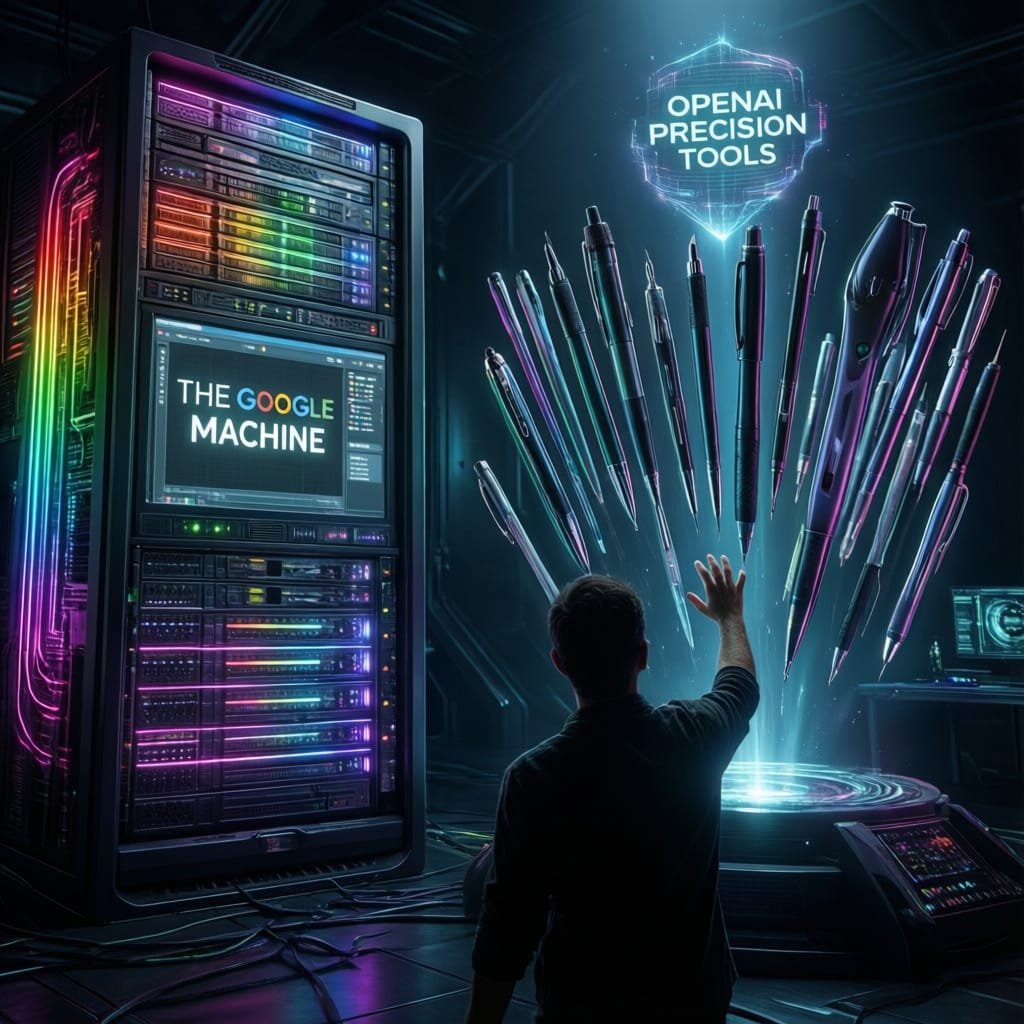
    Nano Banana AI and Veo integration chart

    Conclusion

    For my day-to-day work, Veo is often the better choice when I need polished marketing output and a workflow that stays organized. Sora is often the better choice when I need realistic motion and story moments that feel like they came from a camera, not a generator. The smartest way I’ve found to decide is simple: pick one project, run the same prompt in both, grade the results with a checklist, then commit for a month so I stop tool hopping. If you’re choosing between Google Veo vs OpenAI Sora, what are you making right now, ads or stories?

    FAQ:

    What is Google Mixboard?

    Google Mixboard is an integration layer that glues various AI components like Veo and Nano Banana together for a seamless creative workflow.

    How does Sora 2 compare to Google Veo?

    While OpenAI’s Sora 2 focuses on high-quality specialized video generation, Google Veo emphasizes integration and consistency within the Google ecosystem.

  • 10 Best Free AI Prompt Libraries for Creators (2026)

    10 Best Free AI Prompt Libraries for Creators (2026)

    AI can boost what you make, not replace it. Writers, artists, and designers are hitting new highs by pairing their taste with smart tools. The right prompt turns a rough idea into a strong draft, a clean layout, or a striking image in minutes.

    AI prompt libraries are simple to use. They’re curated collections of ready‑made prompts for tools like ChatGPT, Claude, and Midjourney. Think of them as starter kits that help you ask better questions, so you get better results, faster.

    In 2025, creators need speed and consistency. A good library saves hours, kills the blank page, and keeps your voice on track. It also sparks fresh angles for briefs, scripts, mood boards, and client work, without guesswork.

    This guide spotlights the top 10 free options, based on recent tools and user feedback. You’ll find large community hubs, official prompt sets, and visual builders that suit different workflows. Each pick helps you get from idea to output with less friction and more control.

    If you want cleaner copy, tighter concepts, or sharper images, this list will help. Use these libraries to jumpstart drafts, test styles, and refine prompts that actually perform. Grab a few favorites, try them on a live project, and watch your creative process speed up.

    Why Free AI Prompt Libraries Boost Your Creative Work

    Free prompt libraries give you structure, speed, and fresh ideas. You get proven templates, clear formats, and real examples that cut guesswork. They help you move from a fuzzy thought to a strong prompt that delivers.

    Artistic depiction of a light bulb seated on a crescent moon amidst bookshelves.
    Photo by Pixabay

    Faster Starts, Better Results

    Blank pages slow you down. A free library gives you prompts you can reuse and tweak. You get clarity on tone, style, role, and steps. That leads to cleaner drafts and tighter images in less time. For a deeper take on how prompt libraries improve consistency and output, see this guide on the advantages of a well-stocked prompt library.

    Great for Beginners and Pros

    Beginners learn the basics fast. You see how to set context, goals, and constraints. You learn how to ask for format, voice, and length.

    Pros get refinement. You can A/B test prompt variants, stack instructions, and lock voice. You also build your own set from proven examples.

    Turn Vague Ideas Into Clear Requests

    A good library shows you the jump from rough to precise. Example:

    • Vague idea: “I need a product launch post.”
    • Clear prompt: “You are a senior copywriter. Write a 120-word LinkedIn post for a new eco water bottle. Use a confident, friendly tone. Include one stat, a soft CTA, and three hashtags. Output in two versions.”

    Idea Generation for Content, Art, and Design

    Use curated prompts to spark topics, angles, and styles:

    • Content: outlines, hooks, headlines, scripts.
    • Art: styles, moods, camera cues, lighting.
    • Design: layout prompts, color palettes, brand voice rules.

    Works With Popular AIs

    Most libraries include templates for ChatGPT, Claude, Midjourney, and similar tools. You can copy, paste, and adapt across platforms with small tweaks to syntax.

    Real Value Without the Price Tag

    Free sets cover most needs. You can ship client work, test formats, and build your voice at zero cost. If you ever outgrow them, compare options with this guide on free vs. paid AI prompts.

    Quick Tip: Start Small

    Pick three prompts. Run them on a live task. Tweak wording, save wins, and build a mini library you trust.

    Top 10 Free AI Prompt Libraries to Try Right Now

    You do not need to start from scratch. These free prompt libraries give you fast starts, clear structure, and solid examples you can copy and adapt. Use them to shape tone, format, and steps, then tweak for voice and context. Pick two or three, test on a real task, and save what works.

    1. The Prompt Index: Community Ideas for All AI Tools

    A large, free, community-driven library with prompts for ChatGPT, Claude, Midjourney, and more. It also teaches prompt engineering with clean patterns you can reuse.

    • Best for: writers, artists, and designers who want ready prompts they can adapt.
    • Key features: broad categories for writing, art, and design, practical examples, fast browsing.
    • Try this: “You are an editor. Rewrite this blog intro in 120 words, clear tone, short sentences, keep one stat, end with a soft CTA.”
      Explore it here: The Prompt Index.

    2. Claude 3 Prompt Library: Optimized Tips for Better AI Replies

    The official library for Claude 3 offers concise templates that improve clarity, structure, and output quality.

    • Best for: writers and content teams working in Claude.
    • Key features: business and personal task prompts, role prompts, formatting instructions.
    • Try this improvement: Instead of “Write a post,” use “You are a senior copywriter. Draft a 130-word LinkedIn post in a confident, friendly voice, include one data point, a single CTA, and three hashtags.”
      Browse the official set: Claude Prompt Library.

    3. AIPRM: Quick ChatGPT Prompts for Marketing and SEO

    A free Chrome extension with categorized templates for content, ads, and SEO tasks. Great for saving time when you need a prompt on demand.

    • Best for: marketers, bloggers, SEO specialists.
    • Key features: one-click prompt insertion, topic categories, community ratings.
    • Try this: “You are an SEO strategist. Create a content brief for ‘best running shoes for flat feet,’ include H2s, FAQs, and internal link ideas.”

    4. PromptHero: Free Prompts for Stunning AI Images

    A smartphone showing the Midjourney website on its screen against a gray textured surface.
    Photo by Sanket Mishra A broad gallery of free image prompts for Midjourney, Stable Diffusion, and DALL·E. Ideal for visual research and quick concept art.

    • Best for: artists, art directors, brand designers.
    • Key features: style tags, model-specific syntax, searchable references.
    • Sample prompt: “portrait, natural window light, 85mm look, Fujifilm Pro 400H, subtle film grain, shallow depth of field, relaxed candid pose.”

    5. EasyPrompt on GitHub: Open-Source Tools for Productivity

    An open-source collection for ChatGPT aimed at automation, brainstorming, and structured workflows.

    • Best for: developers and creators who like versioned, reusable prompts.
    • Key features: prompt templates in repos, task automation patterns, idea generation.
    • Try this: “You are a product strategist. Generate 10 feature ideas for a note app, group by user value, add effort score and risk notes.”

    6. Taskade AI Prompt Generator: Custom Prompts for Any Platform

    Build custom prompts for emails, blogs, analysis, and more, then paste into your AI of choice.

    • Best for: writers, managers, and teams that need consistent output.
    • Key features: fields for tone, audience, format, and steps, easy export.
    • Try this: “You are a newsletter editor. Write a 180-word weekly email, friendly tone, 2 insights, 1 stat, scannable bullets, and a single CTA.”

    7. Feedough AI Prompt Generator: Sharpen Your Own Prompt Ideas

    Refine rough prompts into clear, detailed versions that work in ChatGPT and Midjourney.

    • Best for: creators who struggle with phrasing or missing details.
    • Key features: prompt expansion, clarity checks, model-ready syntax.
    • Try this: Turn “make a logo prompt” into “Create a logo prompt for a minimalist coffee brand, warm palette, negative space mark, vector output, 3 variations.”

    8. PromptBuilder: Visual Way to Build Structured Prompts

    A drag-and-drop interface that turns complex asks into clean, modular prompts.

    • Best for: marketing and content teams, solo creators planning campaigns.
    • Key features: blocks for role, task, constraints, and format, easy sharing.
    • Try this: Stack blocks for purpose, audience, tone, and steps to build a reusable blog outline prompt.

    9. God of Prompt: Huge Collection for ChatGPT and Midjourney

    A massive library with over 30,000 free prompts across marketing, SEO, writing, and design.

    • Best for: business creators who need many options fast.
    • Key features: wide categories, quick copy-and-paste, multi-model support.
    • Try this: “You are an ecom copywriter. Write a 60-word product description, benefits first, one sensory detail, one social proof line, and a clear CTA.”

    10. Wharton Generative AI Labs Prompt Library: Customizable Use Cases

    A clean library organized by purpose, with shareable prompts for research and writing.

    • Best for: students, analysts, and writers who want clear structure.
    • Key features: use-case folders, editable templates, guidance on adapting prompts.
    • Try this: “You are a research assistant. Summarize five sources on remote work productivity, list claims, methods, sample sizes, and limits in a table.”

    How to Pick and Use These Libraries in Your Daily Routine

    Team working on laptops around a table with notebooks and coffee cups.
    Photo by fauxels

    You have strong free options. Now turn them into a daily habit that speeds work and keeps quality high. Start with your main output, add a simple test loop, and save what performs. Small, repeatable steps beat long setup.

    Match Libraries to Your Creative Needs

    Pick based on what you ship most days.

    • Text-first: Choose AIPRM or God of Prompt for briefs, outlines, and SEO. They cut setup time and push clear structure. Pair with the Claude 3 Prompt Library when you need crisp roles and formatting.
    • Image-first: Use PromptHero for styles and camera cues. Keep The Prompt Index handy for model syntax and quick variations.
    • Hybrid: Write in Claude or ChatGPT, then mirror the concept in PromptHero. This keeps story and visuals aligned.

    For stronger prompts across tools, review these practical prompting tips for 2025.

    Steps to Integrate Prompts Into Your Day

    Build a tight loop you can finish in 10 minutes.

    1. Search: Spend five minutes in one library that fits today’s task. Save two candidates.
    2. Test: Paste one prompt, run it, then tweak a single variable, like tone, length, or constraints.
    3. Lock: Save the better version with a clear name, like LI_post_130w_confident_stat_cta.
    4. Use: Start each session with your top three saved prompts. Warm up with one quick run.

    Example tweak: change “friendly tone” to “clear, confident tone,” set length to “120–140 words,” and add “one stat” for sharper posts.

    Combine Libraries for Stronger Results

    Stack strengths to get complete outputs.

    • Idea to outline: AIPRM for an SEO brief, then Wharton Labs for research notes and summary templates.
    • Rough to polished: Feedough to expand a vague ask, then Taskade to structure steps and format.

    Teams can go farther by curating shared winners. This guide on building a team prompt library outlines a simple system.

    Keep Up With 2025 AI Updates

    Models shift, syntax tightens, and context limits change. Schedule a monthly review, refresh your top prompts, and note model-specific tweaks. If you want a quick trend check with real examples, scan this 2025 workflow roundup on Medium, Mastering AI for Work in 2025. Small updates keep results sharp and stable.

    Conclusion

    Free prompt libraries turn ideas into clear asks, fast. They give you structure, ready templates, and model-aware syntax that reduce guesswork. You get cleaner drafts, stronger visuals, and more consistent results with less effort.

    Pick one from this list and use it today on a live task. Start with a single prompt, tweak tone or length, then save the version that works. Small wins stack, and soon you will have a personal set that fits your voice and workflow.

    These tools help creators move quicker in 2025 without losing quality. They cut the blank page, support A/B tests, and keep teams aligned across text and images. That means more time for taste, craft, and client goals.

    Try one library now, then tell us what you shipped. Share your best prompt in the comments, or bookmark this post for your next sprint. Your process gets faster when your prompts are clear, repeatable, and ready to run.

    FAQ:
    What are AI prompt libraries?

    AI prompt libraries are curated collections of pre-written prompts designed to guide AI tools like ChatGPT, Midjourney, and Claude. They act as starter kits, helping creators ask better questions to get more specific and high-quality outputs faster.

    How can free AI prompt libraries benefit creators?

    Free AI prompt libraries save creators significant time, eliminate writer’s block or creative inertia, provide consistent quality, spark new ideas for various projects, and allow for efficient experimentation with different styles and tones.

    Are these AI prompt libraries really free to use in 2026?

    Yes, the libraries highlighted in this guide are selected specifically for their free access to a substantial collection of prompts. While some platforms might offer premium features, their core prompt repositories are available at no cost.

    Can I use these prompts with any AI tool?

    Most prompts are designed to be versatile, but some libraries specialize in prompts for specific AI models (e.g., text-based for ChatGPT, image-based for Midjourney). The article will specify compatibility where relevant.

  • Compose Beautiful Music with AI Prompts for Any Genre (2026)

    Compose Beautiful Music with AI Prompts for Any Genre (2026)

    You can write a stunning song today with just a few words. Type a simple idea, choose a mood, and hear a full track come to life.

    AI now turns text prompts into music in any style, from pop to jazz to cinematic scores. It builds melodies, harmonies, drums, and even vocals, all in minutes. No theory required, no gear needed.

    This opens the door for everyone, not just trained musicians. It sparks fast ideas, saves hours, and removes the blank-page stress. I’m excited to show you how to get great results, even on your first try.

    Up next, you’ll see the best tools to use, like Suno AI and AIVA, smart prompt formulas, and quick examples you can copy. By the end, you’ll know how to turn plain text into release-ready tracks.

    Explore the Best AI Tools to Generate Music from Words

    Text-to-music has matured. You can sketch a song with a simple idea, steer genre and mood, and get a complete track in minutes. Here are the standouts in October 2025, plus quick tips to get cleaner structure, tighter grooves, and richer textures from your prompts. Recent updates, like stronger arrangement controls in Soundraw, make customization even smoother.

    MusicLM by Google: Turn Descriptions into Full Songs

    MusicLM turns detailed descriptions into long, coherent pieces with evolving sections. Its strength comes from large-scale training on paired music and text, so it understands phrases like “warm lo-fi keys, vinyl crackle, lazy swing drums, midnight vibe” and translates them into believable arrangements.

    You can access it through Google’s experimental channels, where it has been showcased in the AI Test Kitchen. For context and examples, see Google’s overview on how to try it in the AI Test Kitchen: How to try MusicLM from Google’s AI Test Kitchen.

    Tips to get better results:

    • Keep prompts original. Recycled lyrics, brand names, or famous songs often trigger safety filters.
    • Be specific about mood and instrumentation. Try “lush strings, nylon guitar, brushed kit, gentle 90 BPM, minor key.”
    • Define structure cues. Add “intro with soft pads, verse with arpeggios, chorus with big drums.”
    • Set intensity in stages. Use “build from mellow to triumphant by minute two.”

    When you need full-song cohesion with precise timbre control, MusicLM shines. It handles transitions well and keeps themes consistent, even across complex, story-like prompts.

    MusicGen by Meta: Build and Tweak Your Own Tunes

    MusicGen is open source and uses transformer models to generate music from text prompts or a reference melody. Feed it a hummed line or a short riff, then guide style and pace with text. It handles complex ideas like polyrhythms, hybrid genres, and tempo shifts with solid timing.

    Because it is open source, the community keeps improving it. You will find forks and checkpoints that:

    • Expand genre variety, like niche metal, drill, ambient drone, or Latin house.
    • Add structure control, such as intro length, drop timing, and bar-aligned sections.
    • Improve timbre fidelity with better tokenization and higher sample rates.

    If you want control, iteration, and local workflows, start here. Explore Meta’s official page for docs and demos: MusicGen: Simple and Controllable Music Generation.

    Pro tip:

    • Seed with a clean melody line if you want theme consistency.
    • Lock the BPM in your prompt and mention bar counts for tighter phrasing.
    • Save checkpoints of your best outputs, then stack edits instead of regenerating from scratch.

    Boomy and Jukedeck: Simple Starts for Beginners

    If you want speed and a low learning curve, these tools get you to a shareable track fast.

    • Boomy: Pick a style, write a short prompt, and generate in seconds. It handles EDM, hip-hop, pop, and lo-fi well, with quick loops that expand into full songs. You can export, fine-tune sections, and distribute to streaming platforms. Many creators use Boomy to publish to Spotify and other stores, earning royalties when tracks perform. It is great for drafts, background music, or rapid idea testing before a deeper pass in a DAW.
    • Jukedeck: Focused on fast, style-specific, royalty-free music. Choose mood, tempo, and vibe, then generate a track that fits scenes or podcasts. It is strong for clean, no-vocal beds where you need quick results. Expect some limits in niche subgenres, but for common styles like corporate, cinematic light, or upbeat electronic, it delivers usable cuts in minutes.

    Prompt ideas to try:

    • “Dreamy synth pop, airy pads, tight sidechain, 110 BPM, bright chorus.”
    • “Boom-bap hip-hop, dusty piano loop, punchy snare, 92 BPM, moody tone.”
    • “Cinematic ambient, icy strings, slow rise to brass swells, 70 BPM.”

    Use these to test concepts, then refine with deeper tools like MusicLM or MusicGen. The path is simple, fast, and accessible, so you can focus on feel and finish instead of setup.

    Craft Prompts That Spark Beautiful AI Music

    Great music starts with a clear idea. The AI follows your words, so give it a map. Spell out the genre, the mood, the groove, the instruments, and the shape of the song. Small details guide melody, harmony, and rhythm. Vague words leave the model guessing, so you get bland or mismatched results.

    Think of your prompt like a producer’s brief. You are telling the system who is playing, how they feel, and where the track goes. Clarity pays off with cleaner mixes, stronger hooks, and better flow. For a quick primer on what to include in prompts, see this overview on traits that matter in AI music prompts: Best Prompts for Music Generator AI.

    Build Prompts with Key Details for Any Genre

    Your prompt should hit four must-have parts in this order. This keeps the model focused and avoids drift.

    • Genre first: name the style and substyle, like “indie pop” or “boom-bap hip-hop.”
    • Emotion next: words like upbeat, moody, calm, or triumphant shape harmony and tempo.
    • Instruments and tools: list the core palette, such as piano, nylon guitar, 808s, brushed kit, strings.
    • Structure and pacing: define form, for example verse–chorus, intro–build–drop–outro, plus tempo and length.

    Why details matter:

    • Tempo controls energy and phrasing. A clear BPM locks in grooves and transitions.
    • Key or mode steers emotion. Minor often reads darker, major feels brighter.
    • Length and structure help the AI plan sections, not just loop a vibe.

    Use this simple template:

    • [Genre, subgenre], [emotion] at [BPM] BPM, [key or mode optional], instruments: [list]. Structure: [intro], [verse], [chorus], [bridge], [outro]. Length: [duration]. Mix notes: [warm, lo-fi, wide, dry, spacious].”

    Weak vs strong:

    • Weak: “Make a nice song with guitars.”
    • Strong: “Indie folk, warm and hopeful at 98 BPM, acoustic and nylon guitars, soft shaker, upright bass. Structure: short intro, verse, big chorus with vocal harmonies, bridge with fingerpicked pattern, outro fade. Length 2:45. Mix warm and intimate, light tape saturation.”

    Watch out for vague words:

    • Avoid “cool,” “epic,” or “awesome.” Replace them with concrete cues, like “big brass swells,” “wide reverb,” “tight sidechain,” or “crunchy snare.”

    Tip: Treat prompt writing like music direction, not code. Be expressive, specific, and iterative. For a quick mindset shift, this piece argues for emotion-led prompts over rigid scripts: Act less like an engineer and more like a musician.

    Adapt Prompts to Match Your Favorite Styles

    Small tweaks steer the model into each genre’s core feel. Use these quick edits to sound closer to the records you love.

    • Rock: Emphasize rhythm and drive. Add “tight kit, punchy snare, palm-muted power chords, 120–150 BPM.” Mention “verse–pre–chorus–chorus” and “8-bar solo.”
    • Classical: Focus on melody flow and dynamics. Try “lyrical strings, legato woodwinds, balanced counterpoint, rubato phrasing.” Define movements or sections and dynamic arcs, like “pp to ff by minute 3.”
    • Pop: Lead with hook and polish. Add “catchy topline, stacked harmonies, sidechained synth bass, crisp clap.” Use “intro, verse, pre, big chorus, post-chorus hook, middle-8, final chorus.”
    • Blues: Call out feel and swing. Use “12-bar form, swung eighths, call-and-response guitar, smoky organ, walking bass.” Set “mid-tempo 80–110 BPM” and “loose, live room.”
    • Electronic: Lock the grid and sound design. Add “four-on-the-floor at 124 BPM,” “sidechain pump,” “build, drop, break, second drop,” and sound cues like “saw lead, FM bass, airy pad.”

    Example tweaks in action:

    • Pop strong prompt: “Modern pop, confident and bright at 118 BPM, major key. Instruments: polished synths, electric bass, crisp clap, layered vocals. Structure: intro, verse, pre, big chorus, post-chorus hook, bridge, final chorus. Length 3:10. Mix wide and glossy.”
    • Blues strong prompt: “Electric blues, moody and smoky at 92 BPM, 12-bar, swung eighths. Instruments: gritty guitar, tube amp, Hammond organ, walking bass, brushed kit. Structure: short intro lick, 3 choruses with call-and-response, guitar solo in chorus 2, fade-out. Roomy, live feel.”
    • Electronic strong prompt: “Melodic house, uplifting at 124 BPM, minor with bright chords. Instruments: saw lead, warm pad, plucky arp, deep kick, tight hats, sidechain. Structure: 16-bar intro, 32-bar build, drop, break with filtered pad, second drop, outro. Length 3:30. Clean, punchy master.”

    Keep prompts short but rich. If the output misses the mark, change one variable at a time, like BPM or instrument palette. You will get tighter control with each pass.

    See AI in Action: Prompts for Popular Music Genres

    You do not need a studio to get a great track. Give the AI a clear prompt, set the mood, and it fills in the parts with believable instruments, smart structure, and a clean mix. Use these ready-to-run prompts, then tweak tempo, key, or instrument choices for quick variety. For more ideas, browse these curated prompt lists for many styles in one place: 100+ Song Generation Prompts for Every Genre and this guide on building better Suno prompts.

    Pop Tracks: Catchy Hooks from Simple Words

    Start bright, tight, and hook-first. Modern pop favors glossy synths, stacked vocals, and a big chorus. Use a clear structure so the AI knows where to place the lift.

    Try: Modern pop, upbeat and confident at 118 BPM, major key. Instruments: bright polysynths, synth bass with sidechain, tight clap, electric guitar accents, layered female vocals. Structure: intro, verse, pre-chorus, big chorus with hook, post-chorus, verse 2, bridge, final chorus with ad-libs. Length 3:05. Mix wide and glossy, radio-ready.

    What you will hear: a fun, radio-ready tune with a sticky chorus, snappy drums, and polished vocal stacks. Expect a short intro, a rising pre, then a chorus that hits with extra layers and a catchy topline.

    Want a slower vibe? Use this variation: Slow pop ballad, warm and intimate at 90 BPM, minor to major lift in the chorus. Instruments: soft piano, airy pads, subtle 808 kick, light acoustic guitar, intimate vocal with close reverb. Structure: short intro, verse, pre-chorus, soaring chorus, soft bridge, final chorus with harmonies. Length 3:20. Mix warm and close.

    Classical Pieces: Elegant Melodies with AI Help

    Classical prompts benefit from clarity about key, movement, and dynamics. The model maps phrases and motifs across sections and handles orchestration with care.

    Try: Romantic-era piano concerto in A minor, 70–78 BPM feel. Movement 1 style: lyrical piano theme, expressive rubato, call-and-response with strings and woodwinds. Dynamics swell from pp to ff by minute 3. Structure: orchestral intro, piano entrance with motif, development with modulations, recapitulation, coda. Length 4:30. Hall reverb, natural room.

    What you will hear: flowing, emotional piano lines that trade phrases with strings and clarinet, clear dynamic arcs, and a believable concert hall. The orchestra layers sit well, with the piano forward, woodwinds weaving countermelodies, and strings supporting harmonic motion.

    Tip: If you want more contrast, add “solo cadenza before coda” or “bold brass swells in development” to push intensity.

    Rock Songs: Energetic Riffs and Drums

    Rock rewards punchy drums, driving guitar, and a chorus that opens up. Cue the groove and the guitar tone so the model knows the feel.

    Try: Anthemic rock, high energy at 140 BPM, minor key. Instruments: overdriven rhythm guitars with palm mutes, melodic lead guitar, punchy acoustic kit, electric bass, gang vocal in chorus. Structure: riff intro, verse with half-time feel, pre-chorus build, explosive chorus, guitar solo after chorus 2, breakdown, final chorus with octave lead. Length 3:30. Mix loud and crisp.

    What you will hear: tight kick and snare, chunky power chords, and a lift into a wide, sing-along chorus. The generated solo will echo the main motif and ramp excitement before the last chorus.

    If your tool supports lyrics, add a short seed: Lyric seed: “light the fuse, we run through fire, hearts like thunder.” The model can align melody accents to these words and sharpen the hook.

    World Genres: From Jazz to Electronic Vibes

    AI can jump styles fast. Try a small prompt shift for jazz swing, then pivot to electronic grooves for a clean, locked beat.

    Jazz improvisation: Small jazz quartet, late-night swing at 120 BPM. Instruments: upright bass walking, brushed kit, warm piano comping, lyrical tenor sax lead. 32-bar AABA form, tasteful solos on sax then piano, soft head-out ending. Roomy club ambience.

    What you will hear: a smoky swing with natural timing, sax phrasing that breathes, piano comp voicings, and a gentle bass walk. Solos follow the form and resolve to the head.

    Electronic beats: Melodic house, uplifting at 124 BPM, minor mode with bright chords. Instruments: saw lead, plucky arp, deep kick, tight hats, wide pad, subtle vocal chop. Structure: 16-bar intro, 32-bar build, drop, short break with filter sweep, second drop, outro. Clean, punchy master.

    What you will hear: a steady four-on-the-floor groove, a rising build, and a hooky lead above a warm pad. The drop lands with bass movement and tight percussion.

    Pro move for fresh ideas: blend styles. Try jazz chords over house drums, 120 BPM, Rhodes and upright bass with 4-on-the-floor kick to get a chill, lounge-house hybrid that feels new yet familiar.

    Explore more style tags and prompt angles to widen your palette with this reference: Complete Music Genres Reference for AI Music Creation.

    Conclusion

    AI prompts make composing music simple, fast, and joyful. You turn words into melody, groove, and shape, in any genre you want. The tools covered here, from MusicLM and MusicGen to Suno AI and AIVA, let you sketch ideas, refine structure, and get clean, convincing tracks in minutes.

    Pick one tool, paste a prompt, and hit generate. Share your best take, ask for feedback, and iterate with one change at a time. Thank you for reading, and keep creating. The canvas is wide open, and the next great song could start with your next line of text.

    FAQ:
    What is AI music generation?

    AI music generation uses artificial intelligence algorithms to create musical compositions from text prompts or other inputs, automating the creation of melodies, harmonies, and rhythms across various genres.

    Do I need musical knowledge to use AI music generators?

    No, most modern AI music generators are designed for users without formal musical training. You can create complex and beautiful tracks using simple text descriptions and prompts.

    Which AI tools are best for different music genres?

    Tools like Suno AI excel at vocal-driven pop, rap, and electronic music, while AIVA is renowned for its orchestral, cinematic scores, and classical compositions. Many platforms offer versatile genre options for experimentation.

    Can I use AI-generated music commercially?

    Commercial use depends on the specific AI platform’s terms of service and licensing. Some tools allow commercial use with attribution or a paid subscription, while others have restrictions. Always review the tool’s guidelines carefully.

  • AI Prompts for Graphic Design: Create Stunning Designs

    AI Prompts for Graphic Design: Create Stunning Designs

    Why AI Prompts Transform Your Graphic Design Workflow

    AI prompts turn your ideas into clear design directions. They cut grunt work, suggest color palettes and layouts, and speed up iteration. In 2025, adoption is mainstream. Designers use prompts to move from concept to draft in minutes, not hours. Reports show AI use in design up by 55 percent year over year, and tools like Firefly have generated billions of images. This shift lets you focus on style, story, and polish, not repetitive steps. For more context on tools and benefits, see this overview of AI for graphic design and this guide on AI tools reshaping design in 2025.

    Save Time and Boost Creativity with Smart Prompts

    Well-structured prompts replace lengthy back-and-forths with fast, usable drafts. You can lock a color palette, set a layout grid, and test type pairings in one pass.

    Example, turning a vague idea into a full visual:

    • Vague: “We need a summer sale poster.”
    • Smart prompt: “Create a bold A3 poster for a fashion summer sale, 40 percent off, warm coral and teal palette, high-contrast headline, sans-serif H1 and humanist sans for body, asymmetrical layout with hero photo on right, clean white space, export for print and Instagram.”

    In minutes you get several options with tuned colors, hierarchy, and spacing. Then you add your brand voice, swap imagery, and finesse micro-typography. The prompt does the heavy lifting, you handle the unique touches. This also helps non-designers produce professional results without guesswork.

    Overcome Common Design Blocks Using AI Guidance

    Blank-page syndrome fades when you start with structured prompts. Ask for three layout variants, two color schemes, and one type system. You now have scaffolding, not a void.

    Practical tip for authentic work:

    1. Generate options with clear constraints, like tone, audience, and medium.
    2. Pick one, then apply personal edits, such as custom iconography, branded patterns, and refined kerning.
    3. Run one more prompt for targeted tweaks, like “increase contrast in CTA” or “reduce visual noise.”

    AI handles complex elements like grids, spacing, and palette harmony, while you steer direction. The result is faster cycles, stronger ideas, and consistent outputs that still feel human.

    Top AI Tools and Ready-to-Use Prompts for Stunning Graphics

    An infographic illustrating the streamlined workflow of using AI prompts: from concept ideation to generating multiple design variations and final refinement.

    Use these 2025-ready tools to move from prompt to polished design fast. Each one supports clear, simple prompts, then gives you on-brand results you can tweak in minutes.

    Canva Magic Studio: Quick Templates and Edits

    Canva’s AI suite pairs smart templates with fast text and image edits. Try it when you need social posts, posters, or quick turnarounds.

    • Magic Design: Auto-generates layouts, type pairs, and color themes based on your brief. See how it works with Magic Design.
    • Magic Write: Draft headlines, captions, and post copy in seconds. Learn more on Magic Write.
    • Magic Edit: Select, describe, and transform objects inside your image.

    Sample prompt: “Create a social media post template for a summer sale using bright colors and fun fonts.”

    Result: bold, seasonal templates with playful type. Customize by swapping brand colors, locking your logo, and saving as a branded template.

    Designs.ai: From Logos to Full Graphics

    This suite covers logos, brand kits, and even simple videos, which is ideal for small teams.

    • Logo Maker: Generates marks and wordmarks with color and font options.
    • GraphicMaker and Videomaker: Build ads, social sets, or short promos using stock assets.

    Prompt: “Design a logo for a new eco-friendly brand with a green theme.”

    Result: multiple green-forward logo options. Tweak shapes, choose a modern sans, and export a full kit for web and print. Great for startups that need speed and range.

    Adobe Firefly: Text-to-Image Magic

    Firefly creates high-quality images and stylized type from concise prompts.

    • Generative images: Photoreal or stylized results with strong lighting and texture controls.
    • Text effects: Apply styles to lettering for posters and hero graphics.

    Prompt: “Generate an image of a cozy living room with a warm color palette.”

    Refinement tips: add lens type, lighting, and materials. For example, “soft window light, oak wood, linen textures, 35mm look.” Use negative cues to avoid clutter.

    Freepik AI Suite and PNG Maker: Streamline Image Tasks

    Pair Freepik’s AI tools with PNG Maker to speed up production for ads and product pages.

    • Generate and upscale: Create concepts, then boost resolution for print or large banners.
    • Background removal: Clean product shots for stores or marketplaces.

    Prompt: “Remove the background from a photo of a product to use on a website.”

    Workflow: remove the background, upscale for crisp edges, then drop into a brand template. Result, consistent, studio-like assets ready for email, PDPs, and ads.

    Craft Effective Prompts to Get the Designs You Want

    A wide-angle shot of a clean, minimalist design studio workspace. On a large, ultra-wide digital monitor, a collage of four distinct AI-generated works is displayed in a row. The works include a sophisticated minimalist logo, a whimsical character concept art piece, an intricate procedural abstract pattern, and a high-energy marketing poster. Directly beneath each of these four artworks on the digital screen, the text 'AI Prompted Design' is rendered in a sharp, clean, white font. The studio environment is bathed in soft, natural morning light coming from an off-screen window, creating subtle reflections on the monitor's glass. The color palette is dominated by neutral whites and grays, allowing the vibrant colors of the digital art to stand out.

    Strong prompts turn ideas into on-brand visuals fast. Start simple, then add detail with purpose. Use references, call out color and type, and define the mood so the AI makes choices you actually want. For more prompt fundamentals, skim this short guide on writing AI prompts with clear structure.

    Key Elements of a Strong AI Prompt

    Great prompts share four parts:

    • Subject: What you want designed and for whom.
    • Style: Visual direction, references, or art movements.
    • Details: Colors, typography, layout notes, size, export needs.
    • Mood: Tone or feeling that drives choices.

    Before and after examples show how clarity lifts results:

    • Weak: “Make a poster for a tech event.”
    • Strong: “A3 tech conference poster for startup founders, bold Swiss style, cobalt and white, large geometric headline, grid layout, semibold grotesk font, clean icons, high contrast, export for print and Instagram.”
    • Weak: “Create a product banner.”
    • Strong: “Homepage hero banner, 1600×600, minimalist, beige and charcoal, product centered, soft shadow, CTA button ‘Shop Now’ in emerald, ample white space, light sans-serif, mobile-safe margins.”

    Do this:

    • Name exact colors and type categories.
    • Set constraints like size, aspect ratio, file format.
    • Reference styles or designers if helpful.

    Avoid this:

    • Vague cues like “modern,” “sleek,” “cool.”
    • Cluttered lists of 20 adjectives.
    • Missing audience, platform, or output size.

    Prompt templates you can copy:

    1. Poster: “A2 poster for [event], [style reference], [2 colors], [headline], [font category], [layout note], mood [adjective], export [format].”
    2. Social ad: “Square ad for [audience] on Instagram, [brand colors], clear product focus, short headline, [font], strong CTA, safe margins, export PNG.”
    3. Web banner: “Hero banner 1600×600 for [site], minimalist, [palette], central product, soft lighting, [CTA text], [font], 2 variants.”
    4. Product card: “Ecommerce product card, white background, subtle shadow, price tag visible, [badge text], crisp edges, export WebP and PNG.”

    For more style ideas and pitfalls to avoid, this list of logo prompt examples for 2025 is handy.

    Common Mistakes and How to Fix Them

    • Too much detail overwhelms the model. Fix it by stripping to must-haves, then add one constraint per test.
    • Lack of clarity causes random results. Name the audience, platform, size, and palette.
    • Conflicting styles confuse output. Pick one style reference at a time.
    • Ignoring output specs wastes time. Include format and resolution upfront.

    Test and tweak:

    1. Start with a lean prompt.
    2. Review, then adjust one variable, like palette or type.
    3. Run 2 to 3 variations, compare, and keep the winner.
    4. Lock what works, then refine micro details like spacing or contrast.

    Final tip: iterate in small steps. Each pass should answer one question, not five.

    Conclusion

    AI prompts turn vague ideas into clear, on-brand visuals with speed. You set the intent and constraints, the tools handle drafts, grids, color, and type. The workflow you saw, from Canva Magic Studio to Firefly and Designs.ai, proves that anyone can move from concept to a strong first pass in minutes.

    Start today. Pick one tool, write a simple prompt, and ship a small asset, like a social post or header. Keep what works, adjust one variable, then run a second pass. Your eye for story and polish completes the result.

    Share your first AI design in the comments, or test one of the prompt templates above and post what you made. Keep exploring small tweaks, like color, spacing, or tone, and lock your best settings. AI speeds the steps, your taste sets the standard. Together, they make stunning design feel repeatable and within reach. Thanks for reading, and see you in the next build.

    FAQ Section
    What are AI prompts in graphic design and how do they work?

    AI prompts are textual instructions given to artificial intelligence tools (like Midjourney or Firefly) to generate specific visual content, design elements, or creative directions. They work by guiding the AI’s algorithm to produce desired graphic designs based on the input text, transforming ideas into visual outputs rapidly.

    How do AI prompts significantly speed up the graphic design process?

    AI prompts streamline design by automating initial concept generation, suggesting layouts, color palettes, and variations, and generating multiple drafts in minutes. This allows designers to bypass repetitive tasks and move from a raw idea to a refined concept much faster than traditional methods.

    What kind of graphic designs can be created using AI prompts?

    AI prompts can create a wide array of graphic designs, including logos, illustrations, marketing materials, social media visuals, website mockups, product renders, abstract art, and even detailed scene compositions, depending on the AI tool’s capabilities and the specificity of the prompt.

    Will AI technology eventually replace human graphic designers?

    AI is generally viewed as an augmenting tool rather than a replacement for human graphic designers. It automates repetitive tasks and assists with ideation, allowing designers to focus on higher-level strategic thinking, artistic direction, client communication, and the critical human element of empathy and storytelling in design.

    What are some best practices for writing effective AI prompts for graphic design?

    Effective AI prompts are clear, concise, and specific. Best practices include using descriptive adjectives, specifying styles (e.g., ‘minimalist’, ‘photorealistic’), defining colors or moods, and mentioning desired elements or compositions. Iteration and experimentation are key to refining prompts for optimal results.

  • Choose the Best AI Prompting Subscription Plans (2026)

    Choose the Best AI Prompting Subscription Plans (2026)

    Ever struggle to get the perfect AI-generated art even after tweaking your prompt ten times? You are not alone. AI prompting subscription plans give you better models, smarter prompt optimization, and faster workflows so you hit the look you want with fewer retries.

    These plans bundle features like prompt libraries, auto-tuning, team sharing, and usage analytics. Comparing the best options in 2025 helps you avoid bloated tiers, cut costs, and save hours on trial and error. You get clearer structure, stronger outputs, and a smoother path to polished images.

    If you create logos, album covers, character sheets, or product visuals, the right plan helps you turn ideas into stunning graphics faster. Some focus on prompt optimization across models, others on collaboration and asset handoff. You will see what fits solo creators, small teams, and studios.

    You will get a quick breakdown of pricing, strengths, and who each plan is for. To warm up, skim this resource on tools and free prompts: Explore 10 AI Prompting Tools and 50 Free Prompts. Prefer a video first? Watch this guide: https://www.youtube.com/watch?v=P08jrZhyNxw. Email me to get my free PDF “Ultimate AI Image Generator Ecosystems Toolkit” with The 7 Major AI Image Generation Ecosystems. Next, you will see the top AI prompting subscription plans compared side by side.

    Essential Features for Digital Artists

    You need features that help you experiment, refine, and ship. Look for:

    • High-resolution outputs: 4K-ready images, built-in upscalers, and no watermarks for client-ready delivery.
    • Style customization: Style presets, reference image support, and consistent character or brand styling for series work.
    • Prompt optimization tools: Prompt suggestions, negative prompts, seed control, and batch generation to test multiple ideas quickly.
    • Fine control: Aspect ratios, tiling, masking, and inpainting to fix small issues without restarting.
    • Asset management: Version history, favorites, and export profiles to keep your workflow tidy.

    What Makes a Great AI Prompting Subscription Plan?

    A strong plan removes friction in your creative flow. You want fast iterations, clean exports, and tools that help you go from rough idea to polished art without guesswork. The best AI prompting subscription plans balance output quality, control, and cost so you can produce more work with less tinkering.

    Example: testing 12 poster variants in one batch, locking a seed, then upscaling the best pick speeds up concept art without losing your core look. For a broader view of prompt tools, see this roundup of AI prompt generators.

    Pricing and Value Breakdown

    Free tiers are great for trials, but you may hit limits like low res, watermarks, or slow queues. Paid plans typically range from $5 to $30 per month. At the low end, expect fair limits and standard quality. Mid tiers often add priority compute, no watermarks, larger sizes, and sometimes commercial rights. Some plans include unlimited generations; others use credits.

    Calculate value by your output. Example: if you finish 40 images a month, a $15 plan is $0.38 per finished asset, not counting time saved. Watch for hidden fees: pricey upscales, add-on credits, storage overages, commercial license adders, and model-switch fees. For context on tool breadth and pricing variety, scan this review of the best AI tools in 2025.

    Top AI Prompting Subscription Plans Compared in 2025

    Choosing among AI prompting subscription plans comes down to output quality, control, and cost. Use this side‑by‑side view to match your projects with the right tool, then stack an optimizer if you want extra consistency across models. If you want a broader market scan, skim the roundup of top AI prompt package providers for 2025. Want help mapping ecosystems? Email me for the free PDF “Ultimate AI Image Generator Ecosystems Toolkit.”

    MidJourney: Best for High-Quality Custom Art

    MidJourney shines for detailed, cohesive images and tight style control, starting at $10 per month. You get reliable compositions, strong upscales, and consistent character or brand looks, which makes it ideal for graphic artists needing print-ready work. Style references and negative prompts reduce cleanup time. Pros: fewer artifacts, predictable detail, great upscalers. Cons: real learning curve and prompt syntax to master. For plan specifics and tier features, see MidJourney’s official comparison page: Comparing Midjourney Plans.

    Leonardo.Ai: Fast and Customizable for Pros

    Leonardo’s Phoenix model delivers sharp outputs with real-time editing and fine-tuning, starting from about $12 per month. It suits professional designers who need control over texture, lighting, and model training without leaving the app. You can train personal models, apply style presets, and keep brand assets consistent. Pros: rich export options, personal model slots, batch tools. Cons: tiered token limits can bottleneck heavy users. Review pricing and token details on the official page: Leonardo.Ai Pricing.

    Stable Diffusion: Affordable Prompt Exploration

    Stable Diffusion is a great sandbox for prompt exploration, with a free tier in many hosted apps and common pro plans around $7 to $14 per month. You get a huge community prompt library and wide model choices, perfect for testing many variations before final polish elsewhere. Pros: adjustable styles, open models, low cost for volume testing. Cons: ads or slower queues in some free versions, more tinkering needed for clean results. It is a budget workhorse for iteration.

    Bing Image Creator Pro: Easy for Beginners

    Bing Image Creator Pro keeps things simple at about $4.99 per month for 200 images, with smooth Windows integration. It is great for new digital artists who want quick social graphics, thumbnails, or concept sketches without complex controls. You get straightforward prompts, fast generation, and sensible defaults. Pros: simple UI, easy onboarding, handy in Windows workflows. Cons: generation limits can cap busy weeks, fewer pro controls. A clean starter option while you learn prompt fundamentals.

    PromptPerfect: Optimize Your Prompts Across Tools

    PromptPerfect is an add-on that auto-tunes prompts for clarity and recall across models for $19.99 per month. Paste your intent, get optimized prompts you can run in MidJourney, Leonardo, or text models. It is useful when you jump between tools and want consistent phrasing. Pros: quick wins, browser extension, low lift for teams. Cons: not a full art generator, best seen as a booster. Pair it with your main image plan for steadier results across your stack.

    How to Choose the Right Plan for Your Creative Needs

    Picking the right AI prompting subscription plans comes down to how you work, how much you produce, and what rights you need. Start with your output targets, not shiny features. Then choose the plan that removes the most friction in your day-to-day creative flow.

    Audit Your Workflow and Output Goals

    Before comparing tiers, benchmark your month.

    • How many finished images do you ship?
    • What size do clients expect, social, print, or both?
    • Do you repeat characters, brands, or styles?
    • Do you work alone or with teammates?

    Quick baseline you can use this week:

    1. Track a week of work. Count drafts, finals, and upscales.
    2. Note where you waste time, prompt rewrites, artifact cleanup, or export steps.
    3. Multiply by four for a monthly estimate. That number guides the tier.

    Map Features to Use Cases

    Match your use case to the features that matter. Skip what you will not use.

    Use caseMonthly outputsMust-have featuresTypical tier
    Social graphics and thumbnails40 to 100Fast generation, templates, batch exportsEntry to mid
    Client brand work20 to 60Consistent character styling, style presets, version controlMid
    Print posters and covers10 to 304K upscales, clean compositions, watermark-freeMid to pro
    Product shots and variations50 to 200Seeds, negative prompts, masking, batch toolsMid
    Concept art and look dev100 to 300Rapid sampling, prompt libraries, model switchingEntry to mid

    Tip: If you rely on high-res print or locked character looks, skip entry tiers. Those needs usually require mid or pro to avoid rework.

    Decide on Budget and Pricing Model

    Your budget should match finished output and time saved. Compare:

    • Credits vs unlimited: Credits are fine for light use. Unlimited reduces stress for heavy iteration.
    • Priority compute: Worth it if you work on deadlines.
    • Rights included: Commercial use and no watermark are musts for client work.

    If you are weighing free trials against paid tiers, this breakdown of Free vs. paid AI image generators for better prompting results can help you spot where paid plans save time. For a broad view of tool pricing in 2025, skim this list of the best AI tools in 2025 to see how tiers stack up across the market.

    Quick cost sanity check:

    • Under $10 per month: casual posting, mood boards.
    • $10 to $20 per month: freelancers and small batches.
    • $20 to $40 per month: client delivery, print work, or teams.

    Solo vs Team: Collaboration Needs

    Teams need more than credits. Look for:

    • Shared libraries and brand presets
    • Project folders and permissions
    • Version history and audit trails
    • Consistent prompts across models

    If you hand off files to editors or clients, prioritize export presets, organized naming, and cloud sharing. These save hours in feedback loops.

    Rights, Compliance, and Client Work

    Do not risk your license on a bargain tier. Confirm:

    • Commercial rights included in your plan
    • No watermark on final exports
    • Clear policy for training on your inputs
    • Storage and privacy controls for client assets

    If a client asks for proof, keep a copy of the plan’s license terms in your project docs.

    Try-Then-Buy: Testing Strategy

    You will make a better call after a structured test. Use this 7-day plan:

    1. Pick two AI prompting subscription plans that fit your use case.
    2. Recreate a real project in both, same brief and style refs.
    3. Log time to first usable output, number of retries, and cleanup minutes.
    4. Rate final image quality, consistency, and export ease.
    5. Pick the plan that delivers a finished asset faster, not just the prettiest sample.

    For extra perspective on what creators actually pay for, scan this community thread on what AI subscriptions are worth paying for. If you want a simple heuristic, this short guide offers a clean framework for matching plans to needs, see the definitive guide to picking an AI plan.

    Key takeaway: pick the plan that trims the most friction for your workload. If a feature does not speed you up, skip it, even if it looks cool. Email me to get my free PDF “Ultimate AI Image Generator Ecosystems Toolkit” with The 7 Major AI Image Generation Ecosystems to see how platforms differ before you commit.

    futuristic dashboard interface for an AI prompting subscription service, displaying various prompt optimization tools, 
real-time analytics, and a prompt library. The aesthetic is clean, dark mode, with vibrant data visualizations 
and holographic elements

    Conclusion

    You compared features, pricing, and real use cases, so now you can pick with confidence. The right AI prompting subscription plans help you cut retries, lock consistent style, and ship client‑ready work faster. Match your volume and rights needs, choose the tier that removes the most friction, then stack an optimizer only if it saves time.

    You will find the perfect plan to unleash your creativity. If you are still getting started with prompt craft, explore these Free beginner AI prompt tools to sharpen your skills before you commit.

    Compare plans and choose yours today. Email me to get my free PDF “Ultimate AI Image Generator Ecosystems Toolkit” The 7 Major AI Image Generation Ecosystems to help you understand how each platform works. It is a great resource for beginners.

    FAQ Section
    What is an AI prompting subscription plan?

    An AI prompting subscription plan offers advanced tools and features, often including access to premium AI models, prompt libraries, auto-optimization, and collaboration features, designed to help users generate higher-quality AI art and images more efficiently.

    How do AI prompting subscriptions save time and improve output quality?

    These plans streamline the AI art creation process by providing optimized prompt suggestions, access to more powerful models, and tools for fine-tuning outputs, significantly reducing the trial-and-error often associated with generative AI and leading to superior results faster.

    What key features should I look for when comparing plans in 2026?

    Look for advanced prompt optimization, access to multiple cutting-edge AI models, a comprehensive and searchable prompt library, team collaboration features, usage analytics, and excellent customer support. Consider whether it aligns with your specific creative workflow and budget.

    Are these plans suitable for both solo creators and large studios?

    Yes, many AI prompting subscription plans offer tiered pricing and features designed to cater to various user types, from individual artists seeking to enhance their personal projects to small teams and large studios requiring robust collaboration, asset management, and advanced integrations.

    Can AI prompting subscriptions help with specific artistic styles or commercial projects?

    Absolutely. Many platforms include features that allow for style customization, consistency across multiple generations, and even intellectual property management. This makes them invaluable for artists, designers, and marketers working on commercial projects, logos, character sheets, and product visuals.

  • Unlock Nano Banana Pro: Expert Tips & Prompts for Stunning AI Images

    Nano Banana Pro interface screenshot showing prompt input field and generated image gallery

    Most people treat Nano Banana Pro like “just another AI image model.” That is a huge mistake. Under the hood it is Gemini 3 Prom the highly upgraded Google image model that can read, write, and reason about what is inside your visuals, including text and data you will find the option under the “Thinking” Mode.

    If you are a techie, developer, entrepreneur, blogger, or influencer, this guide is for you. You will get five Nano Banana Pro features not talked about much, prompt formulas that actually hold up under real work, and practical hacks to speed up content, campaigns, and product experiments.

    Everything here is built to stay simple and action focused. You can copy these patterns into Gemini or your API calls and start shipping today.


    Nano Banana Pro Basics: How It Works And When To Use It

    Nano Banana Pro is Google’s high-end image model built on Gemini 3 Pro. You use it inside Gemini, in Google AI Studio, or through the API. It can:

    • Generate images up to 4K
    • Render readable text inside images, across fonts and languages
    • Keep characters and objects consistent across a set
    • Blend up to 14 images with text prompts
    • Edit local regions instead of regenerating the whole image
    • Use Google Search grounding to stay aligned with real data

    For a deeper technical overview, the official style and strategy breakdown in the Nano-Banana Pro: Prompting Guide & Strategies on DEV Community is worth a read once you start pushing the model harder.

    Think of the model family like this:

    • Nano Banana: great for fast drafts, rough thumbnails, low-stakes visuals.
    • Nano Banana Pro: the “final pass” tool for sharp, on-brand, higher resolution work.

    Once you understand how prompts interact with its text rendering, consistency, and editing tools, those “final pass” images become faster and more predictable. That is the point of the five features and hacks below.

    Core Features That Matter For Smart Prompts

    Nano Banana Pro has many knobs. For prompt design, these matter most:

    • Text in images
      Use it for social posts, ads, thumbnails, and diagrams where words must be readable. The failure fixes in this Nano Banana Pro prompt breakdown from Skywork match what most creators run into: long, messy copy.
    • Character and object consistency
      You can keep up to 5 people or 14 objects stable. Great for web comics, brand mascots, ongoing UGC characters, or a product line.
    • Multi-image blending
      Combine sketches, UI wireframes, product photos, and reference styles into one image. Perfect for product mockups and quick design prototypes.
    • Aspect ratios
      Tell it the target surface: 16:9 for YouTube, 9:16 for Stories, 1:1 for feed, 4:5 for carousels. You get layouts that “fit” without heavy cropping.
    • Localized editing
      Edit only what you name: background, logo, shirt color, or a small object. Huge time saver when campaigns change weekly.
    • Studio controls
      Ask for soft studio lighting, 50 mm camera look, bokeh background, or high-contrast color grading. This is how you match brand visuals without touching Photoshop.
    • Search grounding for data
      For charts, diagrams, and infographics, Nano Banana Pro can look up current facts through Google Search grounding, then turn them into visuals. You still need to double-check the numbers, but it gives a strong first draft.

    Together, these features serve three main groups:

    • Developers: app logic diagrams, data visualizations, UI mockups.
    • Founders: product shots, pitch deck slides, website hero images.
    • Creators: social graphics, thumbnails, carousels, course visuals.

    Prompt Structure That Gets Reliable Results

    Use this simple pattern as your starting point:

    [Goal] + [Subject] + [Style] + [Context] + [Technical details]

    Where:

    • Goal: what the image is for.
    • Subject: the main person, object, or scene.
    • Style: photo, 3D, flat, comic, etc.
    • Context: audience, platform, mood.
    • Technical: aspect ratio, resolution, text, language.

    Example 1: Launch campaign ad

    “Create a Facebook ad image for a new productivity SaaS, sleek laptop on a white desk with the dashboard on screen, clean modern photo style, aimed at busy founders, minimal colors, 16:9 aspect ratio, crisp readable text that says ‘Ship faster, stress less’ at the top center in bold sans-serif.”

    Example 2: Product mockup

    “High-detail product mockup of a matte black smart water bottle on a light gray background, soft studio lighting, 4K resolution, 3:4 aspect ratio, realistic shadows, small logo near the bottom of the bottle, no text outside the logo.”

    Once this pattern feels natural, you can plug it into the hacks that follow.


    Hidden Feature 1: Rock-Solid Text In Images For Posts, Ads, And Thumbnails

    Most AI tools still struggle with clean, readable text in images. Nano Banana Pro is different. It can lay out crisp words across fonts and languages, which makes it ideal for thumbnails, ads, carousels, and headers.

    You get the best results when you:

    • Put exact copy in quotes.
    • Keep lines short and punchy.
    • Specify where text goes (top center, bottom left).
    • Describe hierarchy (big title, small subtitle).

    The prompt is your layout spec. Think like a lightweight Figma description, not a vague idea.

    If you want more text-heavy examples, the Nano Banana Pro Prompting Guide on ImagineArt includes ready-made templates for content creators and product work.

    Prompt Hack: Lock In Exact Text And Layout

    Here are practical templates you can use today.

    YouTube thumbnail

    “YouTube thumbnail, bold close-up of a developer at a desk with dual monitors, high contrast and saturated colors, 16:9 aspect ratio, big headline at top center that says ‘SHIP APPS 5X FASTER’, small subtitle below that says ‘Real AI workflows’, both in thick sans-serif font, keep text perfectly sharp and readable.”

    Instagram carousel cover

    “Instagram carousel cover slide, pastel background with modern flat icons of a laptop, chat bubbles, and charts, 4:5 aspect ratio, centered title that says ‘Nano Banana Pro Hacks’ in playful handwritten-style font, smaller tagline under it that says ‘For devs, founders, and creators’, keep all text clean and not distorted.”

    SaaS ad banner

    “Horizontal web banner ad for a B2B analytics SaaS, minimalist dark background with subtle grid, glowing dashboard cards in the center, 1600×628 resolution, main headline on the left that says ‘See your revenue in real time’, small CTA button on the right that says ‘Start free trial’, both in clean sans-serif, align text neatly and make it easy to read.”

    Blog header image

    “Blog header image about AI prompt engineering, 16:9 ratio, abstract shapes and lines forming a brain made of light, no people, text on the right side that says ‘Nano Banana Pro Prompt Playbook’ in bold condensed font, small caption under it that says ‘From idea to asset in minutes’, keep all text clear and not curved.”

    You can tune font words like “bold serif,” “handwritten,” “monospaced,” but keep them short. The more layout detail you put in, the more stable your output.

    Prompt Hack: Multilingual Creatives Without Broken Letters

    Nano Banana Pro handles multiple languages well if you guide it. The key rules:

    • State the language and script.
    • Keep copy short.
    • Limit lines to 2 or 3 per visual.

    Spanish product poster

    “Vertical product poster in Spanish for a fitness app, 3:4 aspect ratio, fit woman running in a city at sunrise, modern photo style, big title at top center in Spanish that says ‘Entrena más inteligente’, smaller subtitle below that says ‘Planes guiados con IA’, both in clean sans-serif, text must be perfectly readable in Spanish.”

    Hindi event announcement

    “Square social graphic for a tech meetup, 1:1 ratio, dark blue background with neon line art cityscape, bilingual text with Hindi and English, large Hindi title at top that says ‘टेक भविष्य सम्मेलन 2025’ in Devanagari script, smaller English subtitle under it that says ‘Tech Future Summit’, all letters clear and not distorted.”

    Bilingual launch graphic

    “Instagram Story graphic for a SaaS launch, 9:16 aspect ratio, gradient background with subtle geometric shapes, two-line title in English and Spanish centered in the top half, first line says ‘AI for real work’, second line says ‘IA para trabajo real’, sharp sans-serif font, keep both languages easy to read.”

    If you start to see broken letters, shorten the text, or move secondary details into the caption instead of the image.


    Hidden Feature 2: Consistent Characters And Objects For Brand Stories

    Nano Banana Pro can keep up to 5 people or 14 objects consistent across scenes. That means the same mascot, influencer avatar, or product can show up in many images without changing face shape, colors, or key traits.

    This is perfect for:

    • Web comics and content series.
    • Brand mascots that appear across touchpoints.
    • UGC-style characters that “host” your content.
    • Full product lines for e-commerce or SaaS dashboards.

    For inspiration on consistent character prompts, the Best Nano Banana Pro Prompts roundup on PlusAI has some breakdowns of style patterns that tend to hold across sets.

    Prompt Hack: Build A Reusable Brand Mascot Or Influencer Avatar

    First, write a “character spec” you can reuse.

    Example reference chunk:

    “friendly 30-year-old software engineer, medium brown skin, short curly dark hair, clear glasses, navy hoodie with a small lightning logo, casual jeans, white sneakers, relaxed confident smile, semi-realistic illustration style with soft shading”

    Save that text as your base.

    Scene 1: Coding at a desk

    “Use the same character as my reference, sitting at a clean desk with a laptop, coffee mug, and a second monitor showing code, warm indoor lighting, semi-realistic illustration, 16:9 ratio, keep face, hairstyle, glasses, and hoodie identical to the reference.”

    Scene 2: Presenting on stage

    “Use the same character as my reference, standing on a small conference stage with a big screen behind them showing app wireframes, holding a clicker, soft spotlight, semi-realistic illustration, keep all character details matching the reference.”

    Scene 3: Filming a short video

    “Use the same character as my reference, sitting in front of a camera with a ring light, bookshelf background, horizontal 16:9 thumbnail style, character looking slightly to the side and talking, keep the same face, glasses, hoodie, and color palette as the reference.”

    You can keep that reference chunk inside your prompt templates, or store it in your app and prepend it when you call the API.

    Prompt Hack: Keep Product Shots Consistent Across A Full Funnel

    Treat your product description as a single “source of truth.” Reuse it everywhere.

    Example base spec:

    “primary product is a matte black smart fitness band with a slim rectangular screen, rounded edges, subtle teal accent around the display, no extra logos, clean and modern look”

    Website hero

    “Website hero image of the primary product resting on a white marble surface, soft natural light, subtle shadow, 16:9 ratio, lots of empty space on the left for headline text that is not included in the image, keep the fitness band design exactly as in the primary product description.”

    Feature callout

    “Close-up shot of the primary product screen showing a heart rate graph, on a light gray background, 1:1 ratio, high detail, keep the same color, shape, and teal accent from the primary product description.”

    Social ad

    “Lifestyle photo of a runner wearing the primary product on their wrist, city background with motion blur, 4:5 ratio, focus on the band in the foreground, keep the device matching the primary product description so it looks identical to the website hero and close-ups.”

    You never need complex IDs. Plain language plus a shared “primary product” spec is enough.


    Hidden Feature 3: Multi-Image Blending For Fast Prototypes And Mockups

    Nano Banana Pro can blend up to 14 images. Combined with text prompts, this becomes a very fast prototype machine.

    You can upload:

    • Hand-drawn UI wireframes.
    • Low-fidelity landing page layouts.
    • Mood board images: colors, styles, textures.
    • Rough product photos.

    Then tell Nano Banana Pro how to “upgrade” them. The model respects layout more when you mention it.

    For more copy-paste prompt ideas around product and UI scenes, Fotor’s Nano Banana Pro prompt list has several layouts that match common marketing assets.

    Prompt Hack: Turn A Sketch Or Wireframe Into A Realistic Product Image

    Workflow:

    1. Upload your sketch or wireframe.
    2. Ask Nano Banana Pro to keep the layout.
    3. Define style, lighting, and polish.
    4. Refine small parts with local edits.

    Mobile app screen

    “Using the uploaded mobile app wireframe, keep the exact layout of buttons and sections, turn it into a clean modern UI in a light theme, subtle blue accent color, realistic smartphone mockup in a human hand, make it look like a polished product screenshot, 9:16 ratio.”

    Gadget prototype

    “Using the uploaded hand-drawn sketch of the gadget, keep the overall shape, buttons, and screen position, turn it into a realistic product photo on a neutral background, soft studio lighting, metallic silver body with a black glass front, 4K resolution.”

    Landing page hero

    “Using the uploaded landing page wireframe, keep the same placement of headline, subheadline, CTA button, and main illustration, convert it to a modern SaaS hero section, pastel gradient background, flat illustration of people collaborating on laptops, clean web design, 16:9 aspect ratio.”

    Mention “keep the layout from the sketch” in every prompt that relies on your upload. This signals that composition matters more than freeform creativity.

    Prompt Hack: Build Mood Boards And Visual Concepts From Mixed Inputs

    Blend 3 to 5 key images:

    • Color palette swatch.
    • Style reference (photo, 3D, flat).
    • One or two product photos or logos.

    Brand kit concept

    “Blend the uploaded color palette, logo, and lifestyle reference photo into a single brand scene, show a desk with a laptop, notebook, and coffee cup, apply the palette to objects and background, clean daylight photo, 16:9 ratio, make it look like a brand mood board turned into a real workspace.”

    Event visual

    “Blend the uploaded venue photo and neon poster reference into one image, show a tech conference stage with colored lights and a large screen, use the neon style from the poster, keep the venue shape from the photo, 3:4 aspect ratio, no text.”

    Content series cover

    “Using the uploaded portrait and abstract pattern, create a podcast cover for a weekly AI show, subject on the left, abstract pattern on the right, colors from the pattern, bold but minimal style, 1:1 ratio, no text, save space for overlay later.”

    Short, direct style directions work better than vague art jargon.


    Hidden Feature 4: Localized Editing For Pixel-Perfect Fixes With Plain Language

    Localized editing lets you adjust only part of an image. You can fix colors, lighting, objects, or text size without starting over.

    This is perfect when:

    • A logo changed.
    • A shirt color is off brand.
    • Background feels messy.
    • Lighting is too harsh.

    You describe what to keep and what to change. Nano Banana Pro handles the rest.

    Prompt Hack: Quick Fixes For Lighting, Colors, And Backgrounds

    Here are edits you can stack across turns:

    • “Keep everything the same but make the background pure white.”
    • “Keep the same scene, soften the shadows on the face and brighten the eyes a little.”
    • “Change the shirt color to our brand blue, keep texture and folds the same.”
    • “Turn this into a night scene with cooler light, city lights visible in the background.”

    You can chain prompts like this:

    1. First edit: “Make the background pure white and keep the subject unchanged.”
    2. Second edit on the new image: “Keep the scene but slightly increase overall brightness and contrast.”
    3. Third edit: “Reduce reflections on the product surface while keeping shape and color the same.”

    Short, single-focus edits are more reliable than giant “fix everything” instructions.

    Prompt Hack: Swap Elements Without Breaking The Whole Image

    To swap one element, call it out clearly and freeze the rest.

    Pattern:

    “Keep everything the same but replace [old thing] with [new thing].”

    Laptop model update

    “Keep everything the same in this office scene, but replace the old laptop with a modern thin-bezel MacBook-style device, similar size and angle, matching the lighting.”

    Logo refresh

    “Keep the storefront, lighting, and people exactly the same, but replace the old logo sign with the new logo from the uploaded image, same size and position.”

    UI chart update

    “Keep the same dashboard layout, colors, and typography, but update the bar chart on the right side to show higher bars for 2025 compared to 2024, numbers should look realistic for SaaS revenue growth.”

    This pattern is very effective for marketers, bloggers, and dev tool makers who update UI or brand assets often.


    Hidden Feature 5: Data-Aware Infographics And Diagrams For Clear Stories

    Nano Banana Pro can turn text or structured notes into charts, diagrams, and infographics that are both attractive and data aware. It uses Google Search grounding to pull current facts when you ask for it.

    That matters if you:

    • Explain trends in blog posts.
    • Teach with visuals.
    • Build pitch decks with charts.

    You still need to verify any numbers. Think of the model as a smart designer that drafts the slide, not an analyst you blindly trust. The Analytics Vidhya guide to Nano Banana Pro prompts walks through several good starter patterns for data-focused content.

    Prompt Hack: Turn Notes And Outlines Into Visual Diagrams

    Feed it your outline, then point at the diagram type.

    App logic flowchart

    “Create a simple flowchart that explains mobile app login logic, starting from ‘Open app’ then ‘Check user session’ then branches to ‘Auto-login’ or ‘Show login form’, use rectangular boxes and arrows, bright but minimal color palette, 16:9 ratio, keep text short and easy to read.”

    Customer journey map

    “Turn these stages into a customer journey diagram: ‘Discover’, ‘Compare’, ‘Sign up’, ‘Onboard’, ‘Renew’, show them as a horizontal timeline with five labeled boxes, use our brand colors of blue and orange, keep all labels very short and clear.”

    Process chart

    “Create a vertical step-by-step process chart for ‘Launch an AI side project’ with 5 steps: ‘Idea’, ‘Prototype’, ‘Test’, ‘Iterate’, ‘Ship’, minimal flat design, light background, 3:4 aspect ratio, clear text labels inside each box.”

    Keep labels tight and avoid long sentences inside diagrams. Use the blog or slide body copy for longer text.

    Prompt Hack: Create Data-Backed Infographics With Search Grounding

    Tell Nano Banana Pro to use recent data, show the numbers it used, and then format the visual.

    Blog post infographic

    “Use Google Search grounding to find the most recent global smartphone usage statistics by year for the last 5 years. First, show me the data you found in bullet points with sources. Then, based on that data, create a clean infographic in 16:9 format with a simple line chart and 3 short callout facts in plain English, light background, blue accent color, text must be readable.”

    Pitch deck slide

    “Use Google Search grounding to get current estimates of the global generative AI market size and projected growth over the next 3 years. Show the numbers and sources first so I can confirm them. After that, create a pitch deck slide image in 16:9 format with a bar chart on the left and three key data points as short bullets on the right, dark background with cyan accents, text large enough to present on stage.”

    Always pause after the “show me the data” step. Once you confirm the numbers, you can ask Nano Banana Pro to adjust the chart style or reorder the callouts.


    Workflow Tips: Multi-Turn Prompts, Batches, And API Tricks

    The five features above really shine when you organize your workflow. Pros rarely try to get a perfect image in a single prompt. They move in small, controlled steps.

    From Draft To Final: A Simple Multi-Turn Prompt Flow

    Here is a reliable flow for a launch graphic or course thumbnail:

    1. Rough idea
      “Create a rough 16:9 thumbnail concept for a course on Nano Banana Pro prompts, focus on a single person at a desk with vivid colors, no text yet, just explore composition.”
    2. Refine style and layout
      “Keep this composition but change the lighting to soft studio style, simplify the background, and reduce visual clutter behind the subject.”
    3. Add and polish text
      “Now add a big title at the top that says ‘Nano Banana Pro Prompt System’ and a small subtitle at the bottom that says ‘From zero to launch-ready’, use bold sans-serif font, make the text super sharp and easy to read.”
    4. Run small variations
      “Generate three variations of this thumbnail with different background colors and slightly different facial expressions, keep layout and text exactly the same.”
    5. Export high resolution
      “Take the best version and recreate it at 4K resolution, 16:9 ratio, keeping every detail and text layout identical.”

    Each step edits the previous result instead of starting from zero. That is how you get repeatable, brand-safe images.

    Scaling Up: Batch Prompts And API Ideas For Teams

    If you work on growth, dev tools, or content teams, Nano Banana Pro’s API can save hours. A few ideas:

    • Ad sets in multiple sizes
      Start with one strong prompt for a hero visual, then auto-generate 1:1, 9:16, and 4:5 versions by only changing the aspect ratio in your prompt templates.
    • Localized creatives
      Use the same visual prompt plus language-specific text snippets for headlines and CTAs. Feed “headline_es,” “headline_fr,” and “headline_pt” into the same layout pattern.
    • A/B test variants
      Fix layout and text, only vary one thing at a time: background color, subject pose, or lighting style. Bake that pattern into your prompt template so engineers can automate tests without changing creative direction.

    If you want ready-made prompt patterns to plug into batch workflows, the 15 production-ready Nano Banana Pro prompts on Ace Cloud are a solid reference to adapt.


    Prompt: A surreal and cohesive dream-like landscape that seamlessly merges five iconic world wonders into one breathtaking vista. In the foreground, the lush green canopy of the Amazon Rainforest transitions into the golden sand dunes of the Sahara Desert. The Great Wall of China snakes gracefully across the dunes, leading the eye toward the elegant silhouette of the Eiffel Tower in the mid-ground. To the side, the Sydney Opera House rests peacefully on the edge of a crystal-clear river flowing from the forest. The entire scene is bathed in the soft, ethereal glow of a twilight sky where the words ‘Global Adventures’ are written in elegant, glowing script among the wispy clouds. The lighting is warm and cinematic, creating a sense of wonder and unity across the diverse environments.

    A consistent cartoon character, a friendly robot named 'Byte', shown in three different poses and outfits

    Prompt: A high-quality composite illustration featuring three distinct versions of a friendly, consistent cartoon robot named ‘Byte.’ Byte is a sleek, white-and-teal robot with expressive blue digital eyes and a rounded body. In the first pose on the left, Byte is teaching, wearing a small red bowtie and pointing at a digital chalkboard. In the center pose, Byte is coding intently at a glowing holographic workstation with floating lines of code reflected in its eyes. In the right pose, Byte is presenting confidently, gesturing toward a colorful bar chart. The background is a clean, minimalist tech studio with soft-focus lighting. Centered at the top of the image in a bold, modern sans-serif font is the text ‘Meet Byte: Your Visual Assistant’. The style is vibrant and polished with soft shadows and 3D-rendered textures.

    Conclusion

    Nano Banana Pro is more than a “pretty picture generator.” Its strengths in text in images, consistent characters and objects, multi-image blending, localized edits, and data-aware infographics turn it into a serious tool for techies, developers, entrepreneurs, bloggers, and influencers.

    You now have practical prompt hacks for each of those features. Pick one to test today, maybe rock-solid text for your next thumbnail, or a reusable brand mascot that shows up across your funnel.

    As you experiment, save every prompt that works into a simple “Nano Banana Pro prompt library.” Over a few projects, that library becomes a private asset that speeds up every launch, campaign, and prototype you touch.

    FAQ

    What is Nano Banana Pro and how does it differ from other AI image generators?

    Nano Banana Pro is Google’s premium image model, powered by Gemini 3 Pro, designed for high-end visual generation. Its unique features include 4K output, readable text rendering, character consistency, multi-image blending, local region editing, and Google Search grounding, setting it apart from standard AI tools.

    How can I ensure consistent character appearances across multiple images with Nano Banana Pro?

    To maintain character consistency, use a robust initial prompt describing the character in detail, including physical attributes, clothing, and style. Then, consistently reference the character by a specific name or identifier in subsequent prompts, utilizing Nano Banana Pro’s built-in consistency features.

  • Vibe-Coding: Unlocking AI’s Reasoning Juice with GPT-5 and

    Vibe-Coding: Unlocking AI’s Reasoning Juice with GPT-5 and

    GPT-5 & AI: Vibe-Coding Unleashed

    The world of AI is changing fast. We’re moving away from rigid rules and stiff commands. Instead, we are finding a more natural way to tell machines what we want. This exciting shift is all about “vibe-coding.”

    So, what is vibe-coding? It means you speak to AI in plain language. You tell it your goals and what you want to achieve. The AI then figures out the complex code needed. Think about it: you describe the feeling or “vibe” of what you need. Then the AI makes it real. This is very different from old coding, which used strict rules. New AI models like a rumored GPT-5 will truly understand these broad instructions. They will bring out their amazing “reasoning juice,” leading to breakthroughs we’ve only dreamed of.

    The Evolution of Code Generation

    From Syntax to Semantics

    Early computer programs were tough. Developers had to use very specific commands. These rules were for the machine, not for humans. Every tiny mistake would break the code. It was like speaking a secret language with no room for error.

    Over time, programming languages got easier. We moved to “high-level” languages. These let us write code that looked more like English. Developers could focus on bigger ideas. They didn’t have to worry about every small machine step.

    Then, AI stepped in. At first, AI helped with small tasks. It would finish a line of code or suggest a basic snippet. But a human was always in charge. The AI still needed a lot of guidance.

    The “Vibe-Coding” Paradigm Shift

    Vibe-coding is a big leap forward. It focuses on the behavior you want. It’s about the final outcome of the code. You don’t tell the AI how to build it piece by piece. You describe the vision.

    Natural language is the new code. Smart AI can now understand our normal speech. This lets developers explain their wishes more clearly. It’s like talking to a very smart assistant.

    Imagine you want to sort a list. With vibe-coding, you might say, “Make a function that sorts this list from biggest to smallest. Make sure it doesn’t crash if the list is empty.” You don’t have to name the exact sorting method. The AI figures it out. This makes coding feel more like a conversation.

    Unlocking AI’s Reasoning Juice

    Beyond Pattern Matching

    Today’s AI models are very powerful. They can spot patterns in huge amounts of data. This helps them write text or create images. But they often struggle with new problems. They might not truly understand what they are doing. They are great at repeating what they’ve learned. They aren’t always great at deep thinking.

    “Reasoning juice” is the AI’s ability to think. It’s their power to solve problems and use what they know in new ways. This is more than just repeating facts. It’s about deep logic and smart choices.

    Vibe-coding helps unlock this reasoning. When you give AI a high-level goal, you challenge it. The AI must use its smarts to fill in the gaps. It needs to connect your broad idea to real code steps. This forces the AI to truly reason.

    The Role of GPT-5 and Future Models

    Reports suggest GPT-5 will be a game-changer. It may have much better logical thinking. Its memory for context could grow. This would help it understand subtle commands. Such power would make vibe-coding incredibly effective.

    Future models might even understand more than just words. Imagine showing an AI a drawing. Or you could speak your ideas aloud. The AI could use these hints as part of the “vibe.” This is called multimodal understanding.

    These advanced AI tools won’t just write code. They will be like smart partners. They can help design your project. They can solve tough problems with you. It’s a true team effort between humans and AI.

    Practical Applications and Benefits

    Increased Developer Productivity

    Vibe-coding can speed up your work. You can create early code quickly. This helps you test ideas faster. It’s great for making quick prototypes.

    AI can handle the boring parts of coding. It writes the standard setup for many tasks. This frees up developers. They can focus on the unique, important parts of their projects.

    This new way of coding also opens doors. People with great ideas but less coding practice can now build things. It makes coding more open to everyone. This lowers the barrier for creative minds.

    Enhanced Code Quality and Innovation

    AI might find better ways to write code. With a clear “vibe,” it can suggest smart or new solutions. This can lead to more efficient programs.

    Models that understand the whole project are even better. They can make code that fits perfectly. This leads to cleaner, more integrated systems.

    Picture this: A designer explains an animation’s flow. “I want this menu to slide out smoothly, with a slight bounce at the end.” The AI could then write the exact code for that animation. It translates feeling into function.

    Challenges and Considerations

    The Nuance of “Vibe”

    Natural language can be tricky. Words have many meanings. What one person means by “fast” might differ for another. This can cause misunderstandings.

    Vibe-coding still needs clear prompts. You must clearly state your goal. The more precise your description, the better the AI’s results. It’s about clear thinking, even in plain words.

    Sometimes, AI can make up answers. This is called “hallucinations.” The AI might give code that looks right but doesn’t work. Or it might be very inefficient. Always check the AI’s work.

    Ethical and Security Implications

    AI learns from data. If the data has biases, the code it makes might have them too. This could lead to unfair or unhelpful results. We must be careful about AI’s training.

    AI-generated code needs strong security checks. Bad code could create weaknesses. Rigorous testing is always key, no matter who or what writes the code.

    Who owns the code an AI writes? These questions are new. Laws and rules are still catching up. It’s important to think about who gets credit and responsibility.

    The Future of Coding: A Human-AI Symphony

    Actionable Tips for Embracing Vibe-Coding

    To get the most from vibe-coding, start smart. First, know exactly what you want the code to do. Define your outcome clearly before you ask the AI.

    Treat AI-generated code as a first draft. It’s a starting point. Give the AI feedback. Make changes yourself. This back-and-forth makes the final product better.

    Don’t just run the code. Try to understand why the AI wrote it that way. Learn the logic behind its choices. This will make you a better problem-solver.

    Experiment with your words. Try different ways to describe your idea. You’ll find which phrases work best for different tasks. It’s a skill you develop over time.

    Expert Quotes/References

    Leading AI researchers and software developers are eagerly watching this shift. They believe these advanced models will redefine how we build technology. Discussions often center on the potential for more creative problem-solving and greater access to powerful tools. Many see this as a pivotal moment for innovation in software.

    The Road Ahead

    AI models will keep getting better. They will understand more complex tasks. Their code generation will become even more precise.

    Expect new tools to pop up. These will make vibe-coding even easier. They will help developers work seamlessly with AI. This new era will bring new frameworks and platforms.

    The skills needed for developers will change. Less time on basic syntax means more time on big ideas. Focus will shift to designing systems. Talking effectively with AI will become a core skill.

    Conclusion

    Vibe-coding is changing how we create software. It moves us toward a more intuitive way of building. You tell the AI your desired outcome. It then writes the underlying code. This approach unlocks new levels of productivity. It also boosts creativity. And it makes software development open to more people. Dive in and start experimenting. The future of AI-powered coding is here.