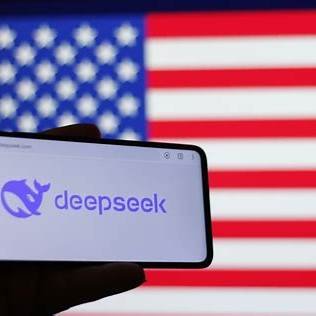
DeepSeek is a chatbot developed by a Chinese company named DeepSeek. A chatbot is a computer program designed to simulate conversation with human users, especially over the internet. DeepSeek uses advanced artificial intelligence (AI) to answer questions and engage in discussions with users. It became very popular because it could provide information quickly and interactively.
Why Are Countries Banning DeepSeek?
Several countries have decided to ban DeepSeek, especially on government devices. The primary reason is concern over data security and privacy. Authorities worry that the app might collect sensitive information and share it with external entities without permission. For instance, Texas became the first U.S. state to ban DeepSeek from government devices, citing security concerns.
Data Privacy: Experts have found that DeepSeek has significant security flaws, especially in its iOS version. These flaws could allow unauthorized access to user data, leading to potential data breaches. cincodias.elpais.com
National Security: There are fears that the app could be used for espionage or to gather sensitive information from government officials. This concern has led to bans not only in the U.S. but also in countries like Australia and South Korea. aljazeera.com
Global Response
The reaction to DeepSeek has been swift and widespread:
Australia: The Australian government has banned DeepSeek from all government systems and devices due to national security concerns. news.com.au
South Korea: South Korea’s government has also blocked DeepSeek on official devices, following similar actions by other countries. apnews.com
Italy: Italy’s data protection authority has ordered DeepSeek to block its chatbot in the country after the company failed to address privacy concerns. reuters.com
What Does This Mean for Users?
If you’re using DeepSeek, it’s essential to be aware of these concerns. While the app offers innovative features, the potential risks associated with data privacy and security cannot be ignored. It’s advisable to stay informed about the app’s status in your country and to follow any guidelines or recommendations issued by authorities.
Conclusion
The bans on DeepSeek highlight the importance of data security and privacy in today’s digital age. As technology continues to evolve, it’s crucial for both developers and users to prioritize the protection of personal and sensitive information. Staying informed and cautious can help ensure that we enjoy the benefits of technology without compromising our security.
Have you ever thought about a social media platform that puts your control and privacy first? Decentralized social media is changing how we connect online. It gives you more say over your data and how you interact with others.
Platforms like Bluesky are leading this change. They’re moving away from traditional social networks. This is because people want more control over their data and to see how algorithms work.
The move from TikTok-style platforms to decentralized ones is exciting. It brings a new era of online interaction that values your freedom and safety. These platforms aim to be more open and secure. They let you manage your online life better and keep your personal info safe.
Understanding Decentralized Social Media Platforms
Have you heard of “decentralized social media”? It’s different from the usual social networks. These platforms use blockchain technology for a peer-to-peer system. This means users can talk to each other directly, without middlemen.
This setup makes platforms that resist censorship and focus on user privacy. It’s all about giving users more control over their online space.
Decentralized social media is all about being open and fair. Unlike traditional networks, where algorithms control what you see, these platforms are more transparent. They let you decide what you want to see and when.
They also use peer-to-peer networking for safer data sharing. This means your personal info is more protected.
Blockchain and peer-to-peer networking make decentralized social media special. They create a more open and fair online world. This shift is all about wanting more transparency, privacy, and control.
As blockchain and peer-to-peer networking get better, decentralized social media will grow. They’re set to change the online world in big ways.
What Makes Social Media Decentralized?
Blockchain and peer-to-peer networking make social media decentralized. These techs help build platforms that are more secure and private than the usual ones.
The Shift from Traditional Social Networks
People want more from social media. They want it to be transparent, private, and under their control. That’s why they’re moving to decentralized platforms.
Key Features and Benefits
Decentralized social media has cool features. They offer transparency, peer-to-peer networking, and resistance to censorship. These help users control their online world and keep it safe and private.
The Current Social Media Landscape: Centralized vs Decentralized
As you explore social media today, you might see the limits of sites like TikTok. The ban on TikTok in some places has made people worry about censorship and the need for clear rules. Decentralized platforms are becoming a new option, offering a more open and honest way to use social media.
Platforms like Bluesky are at the forefront of decentralized social media. They focus on giving users control and keeping their data safe. This shift is because people want to see how algorithms work and avoid censorship.
Decentralized platforms, like Bluesky, are different from TikTok. They let users take charge of their online world. TikTok, on the other hand, makes money from ads, which can make the experience feel less personal.
Decentralized platforms do more than just change how we use social media. They also encourage new ideas and creativity. This openness can lead to exciting new things in the world of social media.
Platform
Centralized/Decentralized
Algorithmic Transparency
Censorship Resistance
TikTok
Centralized
Limited
Vulnerable
Bluesky
Decentralized
High
Robust
Privacy and Control in the Age of Social Media
As you explore social media, you might worry about your data privacy and control. Decentralized social media offers a safer, more private space. These platforms focus on keeping your data safe and giving you control over your online life.
Studies show how crucial it is to protect user data on social media. Decentralized platforms help lower the risk of data misuse and censorship. They put you in charge, letting you decide how you want to share your data online.
Imagine having full control over your social media, tailoring your feed and keeping your data safe. This is what decentralized social media promises.
Platform
Data Privacy Features
User Control
Decentralized Social Media
End-to-end encryption, data storage on user devices
Customizable feed, data sharing controls
Traditional Social Media
Data collection and storage on central servers
Limited customization options, data sharing controlled by the platform
In conclusion, decentralized social media platforms offer a safer, more private space. They focus on data privacy and user control. By choosing these platforms, you can protect your data and control your online presence.
The Technology Behind Decentralized Social Networks
Exploring decentralized social media means diving into the tech that makes it work. These platforms use new tech for safe, open, and community-focused chats. Web 3.0 social networks, for example, use blockchain to create networks without a central point.
These networks are built for direct user interaction, without needing a middleman. This setup lets users control their data and how they connect. Blockchain-based platforms offer a safe and open way to share and store data.
The rules that guide these platforms are key to their safety and trustworthiness. Knowing how decentralized social networks work helps us see their big impact on online interactions.
Technology
Description
Blockchain Integration
Enables secure and transparent data storage and distribution
Peer-to-Peer Architecture
Allows users to interact directly without central authorities
Protocol Standards
Ensures the integrity and security of decentralized communication networks
Decentralized social networks use these techs for a better, safer, and more community-focused experience. As you keep exploring decentralized social media, remember the tech is always getting better, and the possibilities are endless.
Conclusion: The Future of Social Connections
The rise of decentralized social media is changing how we connect online. These platforms use blockchain and peer-to-peer networking. They offer a future where privacy, control, and transparency are key.
Decentralization brings a more democratic and fair social media world. Blockchain keeps your data safe. Peer-to-peer networking gives you control over your online identity and content.
The future of decentralized social media is promising. It will lead to more real and empowering online experiences. You’ll see more focus on privacy, your voice, and digital diversity.