
Master Email Marketing with AI Prompts & Templates (AI prompts for marketing, 2025)
You’re about to build a complete 5‑email sequence in one hour, start to finish. This guide is for AI enthusiasts, creators, marketers, and developers who want to move from casual to expert. Your goal is clear, Master Email Marketing with AI Prompts & Templates, using proven AI prompts for marketing that anyone can run.
Here’s the plan you’ll follow: choose a single campaign goal, set up your stack, run proven prompts, paste in clean templates, then ship. You’ll see how to go from blank page to a working sequence without getting stuck.
What works in 2025: AI helps write stronger subject lines, picks send times, personalizes content, and tightens segmentation. Tools like ActiveCampaign, Klaviyo, Encharge, Brevo, and Seventh Sense make this practical, not theory.
By the end, you’ll have more opens, more clicks, more replies, and better deliverability. Want a quick warm‑up on prompts before you start? Watch this: https://www.youtube.com/watch?v=P08jrZhyNxw
What You Will Build: A 5-Email AI Sequence for a Tech-Savvy Audience
You will ship a tight, 5-email sequence built with AI prompts for marketing that fits SaaS, dev tools, and digital products. Each email has one job, one metric, and one clear call to action. You will write fast, keep messages short, and guide readers toward a single outcome.
Use this plan as your blueprint. It pairs well with Master Email Marketing with AI Prompts & Templates and helps you move from idea to live campaign without busywork.
| Job | Primary metric | Timing | |
|---|---|---|---|
| 1 | Welcome and quick win | Open rate | Day 0 |
| 2 | Problem and insight | Click rate | Day 2 |
| 3 | Solution and demo | Click to page or video | Day 4 |
| 4 | Proof and social proof | Reply or conversion micro-yes | Day 7 |
| 5 | Close and offer | Trial start or purchase | Day 10 |
Choose Your Goal, Offer, and Audience Segment
Start with focus. Pick one goal for this sequence:
- Start a free trial
- Book a demo
- Complete checkout
Choose one main offer and one backup offer. For example, main offer: 14-day free trial; backup offer: a 15-minute migration assist. The backup gives you room to save a lead if they stall.
Select one audience segment to start:
- Developers who want speed and clean APIs
- Founders who want revenue and time savings
- Marketers who want higher conversions and proof
Lock your message with three fast prompts:
- What pain do they feel today?
- What promise can you make in one line?
- What proof do you already have?
Set your guardrails so the sequence stays sharp:
- One CTA per email
- 120 to 180 words per email
- Subject lines under 45 characters
Example flow: Developers face flaky integrations and slow onboarding, you promise a 10-minute setup, and you back it up with a case stat or a GitHub star count. Keep the story tight across all five touches.
Pick Your Tool Stack: Model, ESP, and Data
You only need a simple, modern stack to run this in 2025.
- Model: ChatGPT, Claude, or Gemini for first drafts, variants, and subject lines. If you want prompt ideas to speed up strategy and testing, scan this guide on ChatGPT prompts for email marketing.
- ESP and automation: ActiveCampaign, Klaviyo, Encharge, or Brevo. For a quick market read, see the comparison from EmailToolTester on the best email services in 2025. If you want AI-focused tooling ideas, review Encharge’s roundup of AI email marketing tools.
- Send-time optimization: Use your ESP’s predictive send, or add a tool like Seventh Sense if supported.
- Data sources: Events (signup, trial start, cart), product analytics (activation steps, feature use), and tags from behavior or firmographics.
- Tracking: UTM links on every CTA, plus reply tracking on key emails.
- Deliverability basics: Set SPF, DKIM, and DMARC on your sending domain, warm up new domains, and keep lists clean.
Keep it simple on day one. Wire the core events, ship the sequence, then add complexity only if it moves your key metric.
Gather Inputs: Facts, Voice, and Constraints
Feed the AI real inputs so it writes on-brand and accurate. Collect these once, paste into your master prompt, and reuse across variants.
- One-line value statement: the shortest answer to “why you.”
- Three features: name, what it does, where it lives in the product.
- Three benefits: the user outcome, not the feature.
- Two common objections: price, effort, integration risk, data privacy.
- Two short proof points: a review quote or a case stat.
- Pricing or plan names: Free, Pro, Team, Enterprise, or your own.
- One main CTA link: the page you want every email to support.
- Tone notes: confident, helpful, plain language.
- Legal or safety notes: compliance, disclaimers, or data claims to avoid.
Example inputs to paste into your prompt: “Value: Ship reports in 5 minutes without SQL. Features: API, templates, webhook. Benefits: faster launch, fewer bugs, cleaner handoffs. Objections: setup time, vendor lock-in. Proof: ‘Cut build time by 40%’, G2 4.8 rating. CTA: /trial. Tone: confident and helpful.”
This prep unlocks speed. When you run AI prompts for marketing, your drafts will sound like you, match product truth, and line up with the sequence goals.
Step-by-Step: AI Prompts for Marketing That Build Your Sequence
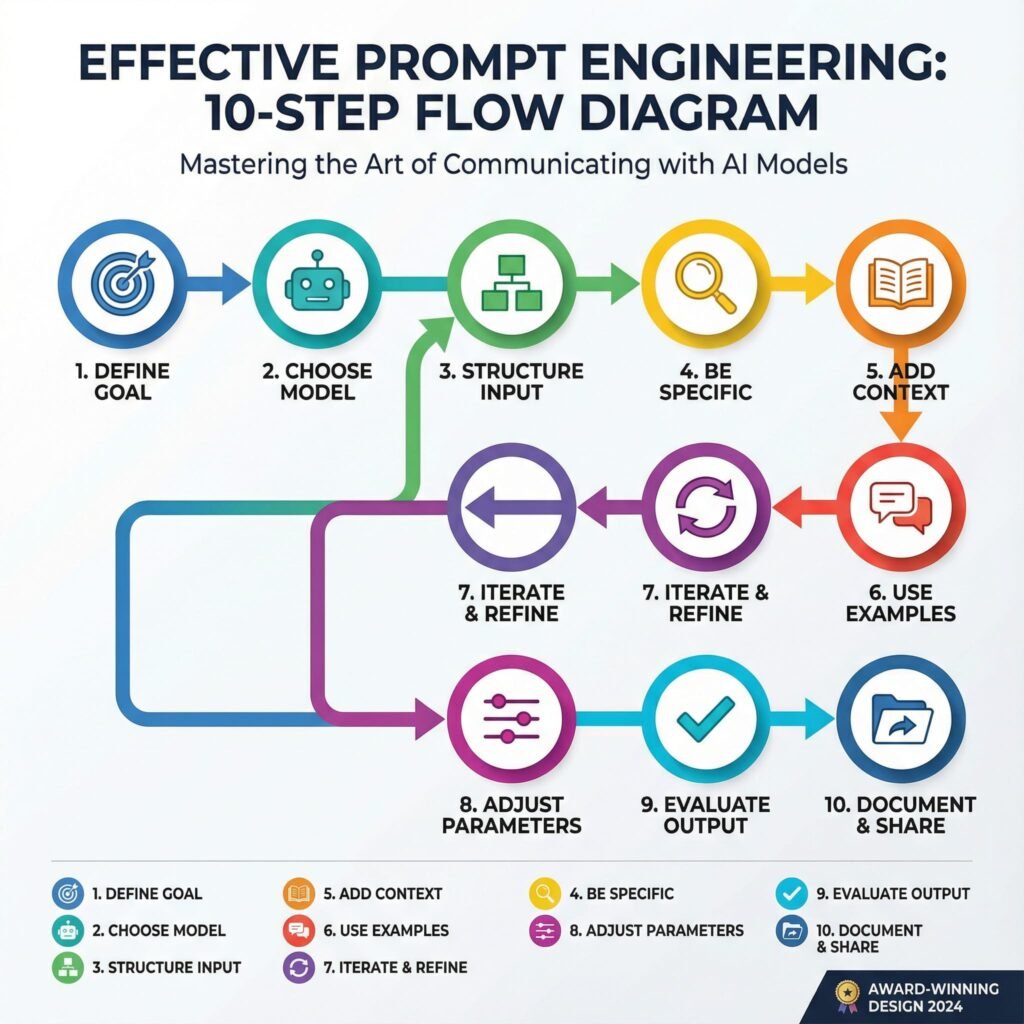
You do not need magic. You need a simple prompt workflow that builds your five-email sequence, then tightens subject lines, preheaders, body copy, and segment tweaks. Use the master prompt below, then run the follow-up prompts to refine each layer. Keep claims honest. If a detail cannot be verified, ask the model to soften or remove it.
 Photo by Walls.io
This approach fits Master Email Marketing with AI Prompts & Templates, and it works across SaaS, dev tools, and digital products. If you want extra ideas for testing and structure, see this practical roundup of AI prompts for marketing in 2025.
Master Prompt Framework: Context, Goal, Guardrails
Paste this master prompt into your model to create the first draft of the entire five-email sequence. It sets the role, goal, inputs, constraints, and output format so you get clean results you can ship.
Master prompt to paste:
- Role and audience
- You are an email strategist for a SaaS company. Write for a tech-savvy audience that includes developers, founders, and marketers.
- Goal and offer
- Goal: drive one primary action for this sequence.
- Offer: state the main offer and a backup offer that saves stalled leads.
- Inputs (fill these before running)
- Value statement: [insert]
- Features (3): [insert]
- Benefits (3): [insert]
- Objections (2): [insert]
- Proof points (2) with source or quote: [insert]
- Plans or pricing: [insert]
- Main CTA link: [insert]
- Tone notes: confident, helpful, plain language
- Legal or safety notes: [insert]
- Constraints
- Five emails total, 120 to 180 words per email.
- Short sentences, active voice, no fluff.
- No hype, no fake scarcity, no false claims.
- Respect compliance notes and avoid unverifiable claims.
- Subject lines under 45 characters, preheaders under 70 characters.
- Output format
- Create five numbered emails: 1 to 5.
- For each email, include:
- Subject
- Preheader
- Body (single idea per paragraph)
- Main CTA button text and the exact CTA link
- Soft inline CTA link
- Preview text
- Make formatting bullet-friendly, with clear labels.
- Rewrite rule
- If any claim cannot be verified from the inputs, either remove it or rewrite it as a conservative benefit. Add a short note in brackets when you adjust a claim.
Notes for the model
- Keep one clear job for each email in the sequence.
- Align copy to the audience segment, but keep it accessible.
- Use AI prompts for marketing best practices and avoid clickbait.
Tip: Save this as your base. Reuse it for every campaign. For more structure inspiration, you can scan these tested email marketing prompt examples and adapt lines that fit your voice.
Prompt for Subject Lines and Preheaders
Once the five emails are drafted, run this prompt to improve opens. You will create 10 subject lines and matching preheaders in three styles, trimmed for mobile, with honest framing.
Prompt to paste:
- You are optimizing subject lines and preheaders for the five-email sequence we just created.
- Create 10 subject lines under 45 characters and 10 matching preheaders under 70 characters.
- Use three styles and label them: Curiosity, Clarity, Outcome.
- Avoid clickbait, no fake scarcity, no empty hype.
- Match each subject line with its preheader on the same line.
- Mark your top pick for developers with [DEV TOP PICK] and your top pick for founders with [FOUNDER TOP PICK].
- Return results as a numbered list, 1 to 10, with pairs like: Subject: [text] | Preheader: [text].
- Add a one-line suggestion at the end advising me to A/B test two options against my baseline.
Instruction for you: pick two options and A/B test them. Keep a control subject line for each email, then test one variant at a time. Track opens and preheader influence across mobile and desktop.
Prompt for Body Copy and CTAs
Now tighten clarity and flow. This prompt keeps the copy tight, adds proof, and standardizes CTAs. You will get skimmable emails that match your main goal.
Prompt to paste:
- Rewrite each of the five emails with 120 to 180 words per email.
- Use short sentences and active voice. Remove filler and buzzwords.
- Structure each email using four parts with labels:
- Hook
- Value
- Proof
- CTA
- Include one main CTA button text plus the exact CTA link.
- Include a soft inline CTA link in the body that points to the same page.
- Keep language accessible for developers, founders, and marketers.
- Use only proof I provided or reframe unverifiable claims as possibilities.
- End each email with a one-line TL;DR that states the outcome and action.
- Return results as five numbered emails. Keep formatting bullet-friendly.
Example structure cue you can include in the prompt:
- Hook: name the pain or goal in one line.
- Value: state how the product helps in simple terms.
- Proof: add a quote or metric with a source if available.
- CTA: one action, one link, one benefit-oriented button.
Prompt for Segment Variations and Replies
You will make the sequence feel personal without heavy dynamic content. Ask the model for two audience versions per email and a plain-text reply template for Email 4 that invites real conversation.
Prompt to paste:
- Create two versions for each of the five emails.
- Version A: Developers, feature-first with a quick demo angle.
- Version B: Founders, outcome-first with ROI and time savings.
- Keep message parity. Only adjust emphasis and examples.
- Include merge tags for personalization: {first_name}, {company}, {plan_name}.
- Add simple condition notes I can map in my ESP, like:
- If trial_days_left < 3, show: “You have under 3 days left on your trial. Want help?”
- Else, show: “You have {trial_days_left} days to test the core features.”
- For Email 4, add a plain-text reply version that invites a real conversation.
- Make it three sentences max.
- Ask one specific question that makes it easy to reply, like “What would make this a clear yes for you?”
- Include my reply-to address placeholder.
- Return the output as:
- Email 1: Dev version, Founder version
- Email 2: Dev version, Founder version
- Email 3: Dev version, Founder version
- Email 4: Dev version, Founder version, Plain-text reply version
- Email 5: Dev version, Founder version
- Keep features accurate. If a claim is uncertain, rewrite it conservatively and note the change in brackets.
Pro tip: keep segment rules simple at first. Use clear merge tags and straightforward conditions that your ESP supports. If you want more prompts that improve clarity and performance, this list of email-focused AI prompt ideas is a solid reference.
Key reminders you should follow as you run these AI prompts for marketing:
- Always paste real inputs, including proof and links.
- Fact check before you publish. Remove anything you cannot back up.
- Track one primary metric per email. Test one variable at a time.
- Keep tone helpful and confident. Avoid hype and fake urgency.
Copy-and-Paste Templates: Welcome, Trial, Abandoned Cart, Re-Engagement
Drop these into any ESP, add your links with UTM tags, and hit send. Each sequence is short, focused, and tuned for clean metrics. Use them with your prompts workflow from Master Email Marketing with AI Prompts & Templates so you can move fast without guesswork. If you want visual inspiration for design and layout, browse proven examples in the welcome category on Really Good Emails.
Template: 5-Email Welcome and Onboarding Sequence
Goal: activate new signups, get a first success, set expectations.
Timing: Day 0, 2, 4, 7, 10.
Email 1 (day 0): quick win setup and one action
- Subject options:
- “Welcome, your setup takes 2 minutes”
- “Start here: one task, big win”
- Body:
- Thanks for joining, {first_name}. Your first win is simple.
- Step 1: connect your account at
https://yourapp.com/setup?utm_source=email&utm_medium=welcome&utm_campaign=onboarding_day0. - We pre-filled defaults, so you can see value right away.
- If you get stuck, reply to this email and I’ll help you fix it.
- CTA: Start setup
- Note: Keep it under 150 words, one action only.
Email 2 (day 2): problem insight with a 2-minute guide
- Subject options:
- “The common mistake that slows users down”
- “Avoid this roadblock in 2 minutes”
- Body:
- Most new users lose time on manual steps.
- Here is a 2-minute guide that bypasses the slowdown and shows the fastest path.
- Quick tip: turn on auto-sync so your data updates without clicks.
- Watch the guide and finish the checklist.
- CTA: See the 2-minute guide
Email 3 (day 4): feature spotlight and short demo video
- Subject options:
- “Watch how {feature_name} saves 30 minutes”
- “Short demo: {feature_name} in action”
- Body:
- Meet {feature_name}. It cuts setup time and reduces errors.
- In this 60-second video, you will see how to run it in your account.
- Finish with the sample project to lock in the workflow.
- CTA: Watch the 60-second demo
Email 4 (day 7): proof and small case stat
- Subject options:
- “How {customer} shipped faster”
- “A quick result from a team like yours”
- Body:
- {customer} went live in 1 week and cut retries by 28 percent.
- They used the same checklist you started on day 0.
- Want similar results? Finish your last activation step today.
- CTA: Complete activation
Email 5 (day 10): next step offer
- Subject options:
- “Ready for more? Try Pro this week”
- “Your next step, simplified”
- Body:
- You finished the basics. Nice work.
- Next, unlock automations with a 14-day Pro trial or book a 15-minute setup call.
- Pick what fits your schedule and move forward.
- CTA: Start Pro free
- Alt offer: Book a 15-minute call
Tips
- For dev-forward products, add a docs link like
/docs/quickstartin Email 1 as a soft inline link. - Keep preheaders under 70 characters.
- For more onboarding patterns, skim these SaaS onboarding examples for structure ideas: 7 onboarding email sequence examples.
Template: 5-Email Free Trial to Paid Plan Sequence
Goal: convert active trial users to paid, avoid fake urgency, focus on value.
Timing: Day 0, 3, 7, 10, 12 before trial end.
Email 1: trial started, success checklist
- Subject options:
- “Your trial is live, here’s the checklist”
- “Day 1: do these 3 things”
- Body:
- Welcome to your trial, {first_name}.
- Complete these in order: connect data, run a sample, invite a teammate.
- You are minutes from seeing value.
- CTA: Open checklist
Email 2: activation nudge, show value in 3 steps
- Subject options:
- “Unlock value in 3 steps today”
- “Finish setup, see results”
- Body:
- Here is the fastest path to a result before the weekend.
- Turn on {core_feature}. 2) Run {template}. 3) Schedule {automation}.
- Need code? Use the Quickstart snippet in your repo.
- Here is the fastest path to a result before the weekend.
- CTA: Finish setup
- Note for dev tools: add a direct link to your SDK or sample repo like
/docs/sdkand a short code sample page like/docs/examples.
Email 3: objection answer, quick ROI math
- Subject options:
- “Cost vs value, in plain numbers”
- “Your ROI in under a minute”
- Body:
- Your time is expensive. If {feature} saves 2 hours a week at $75 per hour, that is $600 a month back to your team.
- Pro is $49 per user. The math works even with one workflow.
- Try it with your numbers in the calculator.
- CTA: Run ROI calculator
Email 4: plan compare, social proof
- Subject options:
- “Which plan fits your team?”
- “See what teams like yours pick”
- Body:
- Compare Free, Pro, and Team side by side.
- Teams pick Pro for automations and priority support.
- “We cut manual work by 30 percent in month one.”, G2 review.
- CTA: Compare plans
- For more structure and best practices, this guide on trial email sequences is a solid reference.
Email 5: upgrade now, time-based reminder without fake scarcity
- Subject options:
- “Your trial ends soon, keep your workflows”
- “Don’t lose your settings after the trial”
- Body:
- Your trial ends in {trial_days_left} days. Keep your projects, settings, and history by upgrading now.
- If you need help, reply and we will migrate your setup for free.
- CTA: Upgrade to Pro
Notes
- Add conditional text in your ESP: if trial_days_left < 3, show a stronger reminder line; else show a neutral check-in.
- Keep copy honest, no fake countdown timers.
- For dev readers, include a code path and a no-code path in Emails 2 to 4.
Template: Abandoned Cart or Checkout Recovery
Goal: recover lost revenue with clear reminders and support.
Timing: 1 hour, 24 hours, 72 hours.
Email 1 (1 hour): friendly reminder, show item and link
- Subject options:
- “You left this behind”
- “Quick reminder about your cart”
- Body:
- You added {product_name} to your cart. Want to finish checkout now?
- We saved your items for the next 48 hours.
- Image alt text: “{product_name} product image, color {variant}.”
- CTA: Return to cart
Email 2 (24 hours): value recap, quick FAQ
- Subject options:
- “Still thinking it over?”
- “Questions before you buy?”
- Body:
- Here is what you get: free returns, 1-year warranty, fast support.
- FAQ: Can I change size later? Yes. Do you ship worldwide? Yes.
- Image alt text: “Close-up of product details and materials.”
- CTA: Complete checkout
Email 3 (72 hours): last call, support contact, no pressure
- Subject options:
- “Need help before this expires?”
- “We’re here if you need us”
- Body:
- Your cart may expire soon. If you need sizing, billing, or shipping help, reply to this message.
- No rush. We are happy to answer questions.
- Support: support@yourstore.com
- CTA: Review your cart
Deliverability-safe HTML tips
- Use live text for key details, not text baked into images.
- Keep button text as HTML with a fallback link under it.
- Set inline CSS and avoid heavy background images.
- Include a plain-text version with a direct link like:
If you want more transactional structure ideas, skim these practical patterns from Userpilot’s transactional templates.
Template: Win-Back and Re-Engagement
Goal: wake up cold subscribers without harming deliverability.
Timing: send Email 1, wait 7 days, then Email 2, wait 7 days, then Email 3.
Email 1: we saved your spot, show new value
- Subject options:
- “We saved your spot, here’s what’s new”
- “A faster way to get value this week”
- Body:
- It’s been a while. Since you last visited, we shipped {new_feature} and improved speed.
- Want a quick tour or a 5-minute template to try today?
- CTA: See what’s new
Email 2: pick your interests, preference center link
- Subject options:
- “What do you want to hear about?”
- “Choose topics, we’ll send less”
- Body:
- Tell us what you want: product tips, offers, or case studies.
- Update your preferences and we will only send what you pick.
- CTA: Update preferences
Email 3: help us improve, quick one-question survey, then offer
- Subject options:
- “One question, then a perk”
- “What would make this useful again?”
- Body:
- Can we ask one question? What kept you from using {product}?
- Answer takes 10 seconds. As a thank you, here is a template pack to try.
- CTA: Take the 10-second survey
List hygiene rule
- After Email 3, remove hard bounces and anyone who has not opened in 180 days. This protects your sender score and keeps your inbox placement healthy.
Implementation notes
- Keep copy under 140 words and avoid hype.
- If open rates fall below 10 percent on Email 1, pause the sequence and suppress non-openers before sending Email 2.
- These flows pair well with AI prompts for marketing. Use your prompt set to produce variants fast, then paste into your ESP. This keeps you aligned with Master Email Marketing with AI Prompts & Templates and lets you test one element at a time.
Optimize and Scale With AI: Testing, Personalization, Timing

You will grow faster when you test small changes, send at the right hour, and personalize only where it counts. Use AI prompts for marketing to suggest sharp variants, then lock in winners. Keep your process simple so you can run it every week without slowing down. This fits neatly with Master Email Marketing with AI Prompts & Templates and gives you a repeatable path to steady gains.
Run Simple Tests: What to Test and How Long
Start with the highest-leverage variables. Subject lines and preheaders move opens, so test those first.
- Week 1: test subject lines and preheaders. Run for 7 days so you cover weekday and weekend behavior.
- Week 2: test opening hooks in the body copy.
- Week 3: test CTA button text.
Keep one change per test. Use a 70/30 split so most of your list sees the control, and 30 percent goes to the challenger. If one version is clearly worse, stop early and send the winner to the remaining 30 percent.
Practical rules that keep you honest:
- Use a baseline control for each email in the sequence.
- Stop a test if the challenger trails by a wide gap after a meaningful slice of sends.
- Reuse what works. Ask AI to ideate five new variants based on the last winner, not random themes.
Quick prompt to speed variants:
- “Based on this winning subject line and preheader, propose 5 tight options that keep the same promise and tone. Keep subjects under 45 characters, preheaders under 70.”
If you want a clear primer on setup and guardrails, this overview from Salesforce is a solid refresher on email A/B testing best practices. For deeper execution tips, Litmus explains step-by-step setup in How to Run A/B Tests on Your Emails.
Personalization Rules That Matter
Personalize with purpose. Segment by stage, role, and engagement level. Then add light dynamic fields to make each message feel relevant, not intrusive.
- Segments to set up:
- Stage: new, trial, paid, churned.
- Role: developer, founder, marketer.
- Engagement: high, medium, low.
- Smart merge fields:
- {first_name} for greeting or sign-off.
- Product used, plan, or last action for context.
- Days in trial or trial_days_left for timing cues.
- Tone and safety:
- Avoid sensitive or creepy data. No hidden tracking callouts or niche behavioral facts in the copy.
- Keep tone helpful, plain, and human.
Simple examples you can paste into your ESP:
- “Welcome back, {first_name}. You used {feature_name} last week, so here is a faster way to get results today.”
- “You have {trial_days_left} days left on your trial. Want a 5-minute setup guide?”
If you want a broader view of what still works in 2025, Insider’s guide covers practical plays in email personalization best practices.
Best Send Time and Frequency
Use send-time AI so each person gets your email when they tend to open. ActiveCampaign and Klaviyo offer predictive send features, and tools like Seventh Sense can optimize timing inside supported ESPs.
- Baseline cadence:
- Campaigns: start with 2 emails per week.
- Automations: ship the 5-email sequence outlined earlier.
- Guardrails against fatigue:
- Watch engagement. If someone stops opening for 30 to 45 days, move them to a lighter track or pause promotions.
- Suppress low engagers during big pushes so you do not hurt deliverability.
- Practical set-and-check:
- Turn on predictive send for each campaign or flow.
- Respect quiet hours for your main regions if your ESP supports it.
- Review lift
Deliverability, Compliance, and Human Review
You can write the best copy on the planet and still miss if your emails never reach the inbox. Treat deliverability, compliance, and human review as the guardrails that keep your campaigns safe and trusted. This section gives you a clear checklist you can run before every send, so your work from Master Email Marketing with AI Prompts & Templates and your AI prompts for marketing actually pay off.
Make It to the Inbox
Inbox placement starts with identity and list health. Do the basics right, then keep them tight.
- Set SPF, DKIM, and DMARC on your sending domain. These records prove your mail is real and reduce spoofing. If you need a quick refresher, this walkthrough on SPF, DKIM, and DMARC best practices is a solid companion.
- Warm new domains slowly. Start with smaller sends to your most engaged segment, then scale volume over a few weeks. Aim for steady positive signals, not spikes.
- Remove hard bounces and long-term non-openers. Bounces hurt your sender score, and dead weight drags down open rates. A practical rule, suppress anyone who has not opened in 90 to 180 days after a re-engagement attempt.
- Keep creative light. Use live text for key points, compress images, and avoid image-only emails. Make the copy clear and scannable.
- Avoid spam words and false claims. Do not promise what you cannot back up. Skip tricks like deceptive “Re:” subject lines or fake countdowns.
- Always include a plain-text part. This improves accessibility, helps spam filters read your message, and gives a safety net if HTML fails.
Quick gut check before you send:
- Authentication passes.
- Healthy list after cleaning.
- Mobile-friendly layout with live text.
- One clear CTA, honest subject, and a valid plain-text version.
Consent, Privacy, and Unsubscribe
Good email starts with permission. Keep it clean, simple, and fast for the user.
- Use clear opt-in. Tell people what they will get, how often, and from whom. Double opt-in helps protect deliverability at scale.
- Add a visible unsubscribe link in every message. Do not hide it. Make the process one click if possible.
- Honor opt-outs fast. Most laws require prompt action. As a rule, process unsubscribes immediately.
- Follow CAN-SPAM and GDPR rules. The FTC’s guide covers CAN-SPAM requirements like header accuracy, truthful subjects, a physical address, and opt-out handling. Keep it handy, the CAN-SPAM compliance guide is short and clear. For a plain-language overview of how GDPR differs and what rights it grants, this summary on email marketing laws and GDPR basics is useful context.
- State how you use data in plain terms. Link to your privacy policy and avoid vague language.
- Do not buy lists. You risk spam traps, complaints, and domain damage. Build with opt-ins, content, partnerships, and product-triggered signup points.
- Keep your reputation clean. Monitor spam complaints, blocklist status, and domain health. Slow down or pause sends if signals turn negative.
Simple consent copy you can use:
- “You are getting this because you asked for product tips and updates. Unsubscribe anytime.”
Quality Check: Brand Voice and Fact Safety
AI helps you move fast, but you are still responsible for what ships. Run a tight human review before every send.
- Review every AI draft. Fix tone, remove fluff, and keep it on-brand. If your brand is plain and helpful, make sure every line matches that.
- Verify prices, numbers, and claims. Cross-check against your site, docs, or CRM. If you cannot confirm it, do not ship it.
- Replace vague lines with real facts. Swap “industry-leading performance” with a specific outcome or metric. If you do not have a metric, use a clear, conservative benefit.
- Keep promises small and honest. Offer a short demo, a quick guide, or a trial. Avoid bold guarantees unless legal and verified.
- If a claim is not confirmed, cut it. You protect trust and reduce compliance risk.
A fast human review workflow:
- Skim for risky words or hype. Remove them.
- Check numbers, screenshots, and links. Confirm accuracy.
- Read aloud for tone and clarity. Trim long sentences.
- Confirm footer details. Company address, unsubscribe, and preference links.
- Send a test to your seed inboxes. Check how it renders on mobile and desktop.
Helpful prompts to keep your AI grounded:
- “Rewrite this email in our brand voice: clear, helpful, and honest. Remove any claim that is not verifiable from the inputs.”
- “List any lines that might trigger spam filters. Suggest a safer alternative for each.”
- “Check the copy for compliance red flags based on CAN-SPAM and GDPR. Suggest edits in plain language.”
When you combine strong deliverability hygiene, clean consent, and tight human review, your AI prompts for marketing do the job you want, and your work in Master Email Marketing with AI Prompts & Templates converts without risking your sender reputation.
Conclusion
You now have the workflow to turn ideas into performance: use AI prompts for marketing to draft fast, then apply human judgment to keep it tight and honest. Keep your focus on one goal, one audience, and clean proof, while AI speeds writing, personalization, and timing.
Next step, paste the master prompt, generate your 5 emails, pick two subject lines, and send the first test today. AI reduces busywork, it does not replace a solid strategy or clear positioning. Save these templates, then build a second sequence for another segment next week.
Master Email Marketing with AI Prompts & Templates, and you will ship more campaigns with less friction. What will you test first, a hook, a CTA, or timing?
FAQ:
What are AI prompts for email marketing?
AI prompts are specific instructions given to an AI model (like ChatGPT) to generate various types of email content, such as subject lines, body copy, calls-to-action, or even full email sequences, tailored to specific marketing goals and audience segments.
How can AI templates enhance my email campaigns?
AI templates provide pre-structured email formats that can be quickly customized with AI-generated content. They save significant time, ensure consistency in branding and messaging, and help optimize for conversion by incorporating proven design and copy principles, allowing marketers to scale their efforts efficiently.
Is AI email marketing suitable for beginners?
Absolutely! This guide is designed for everyone from AI enthusiasts to seasoned marketers. We provide easy-to-follow prompts and templates that simplify the process, helping beginners achieve expert-level results and quickly understand how to leverage AI effectively in their email strategies.
What kind of results can I expect from using AI in email marketing?
By leveraging AI, you can expect improved open rates through better subject lines, higher engagement with personalized content, increased conversion rates via optimized calls-to-action, and significant time savings in content creation and campaign management. AI helps in data-driven decision making, leading to more effective campaigns.