Tag: Google AI

  • Google’s 10 Upgrades, Revolutionary AI Features

    Google’s 10 Upgrades, Revolutionary AI Features

    Google has introduced a wave of AI innovations that change how we talk, create, and work together. Features like real-time voice translation and AI-powered glasses are big steps forward. They show how technology is improving our productivity. Here’s a guide of the top 10 Google AI updates changing the digital and AI world.

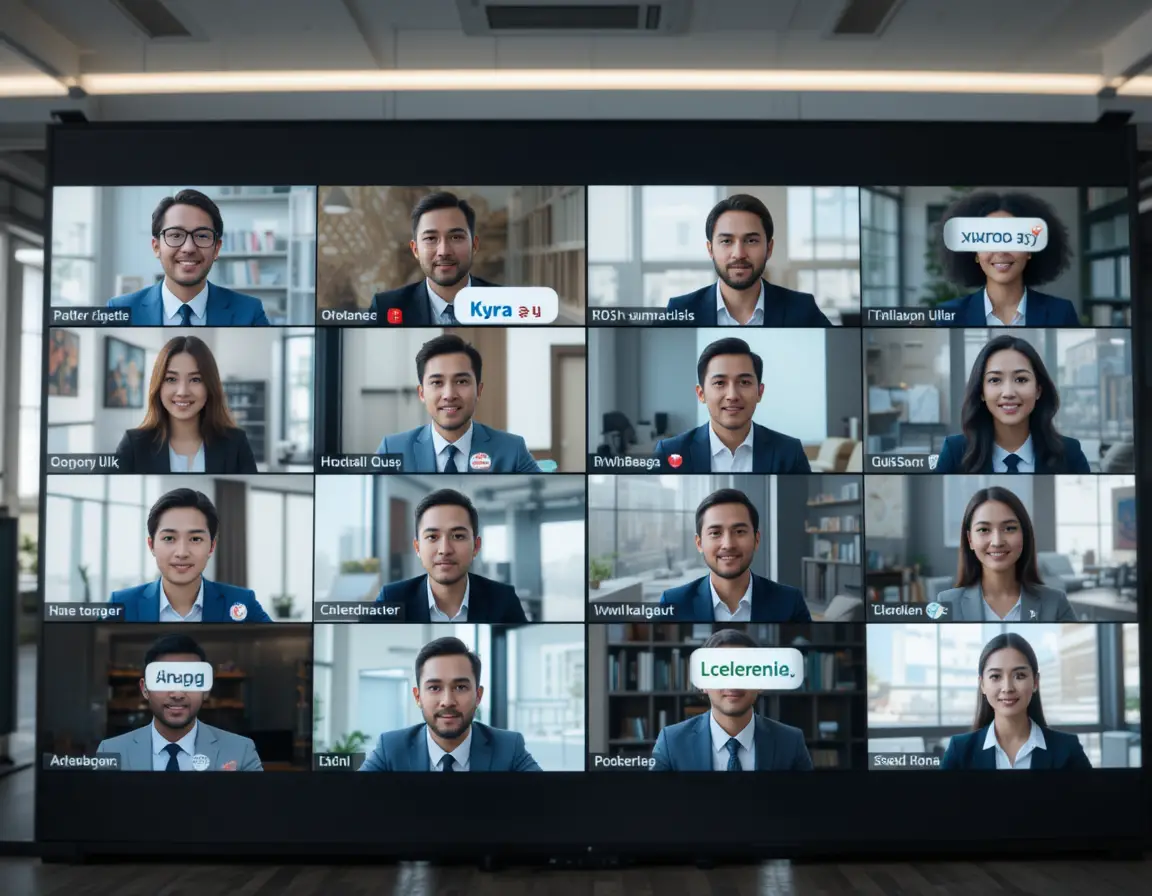
    Google Meet now has a real-time voice translation feature. This makes talking across languages easy and natural.

    With this feature, meetings become truly global. It’s great for business, education, and remote teams. It makes communication smooth and clear, without the need for interpreters.

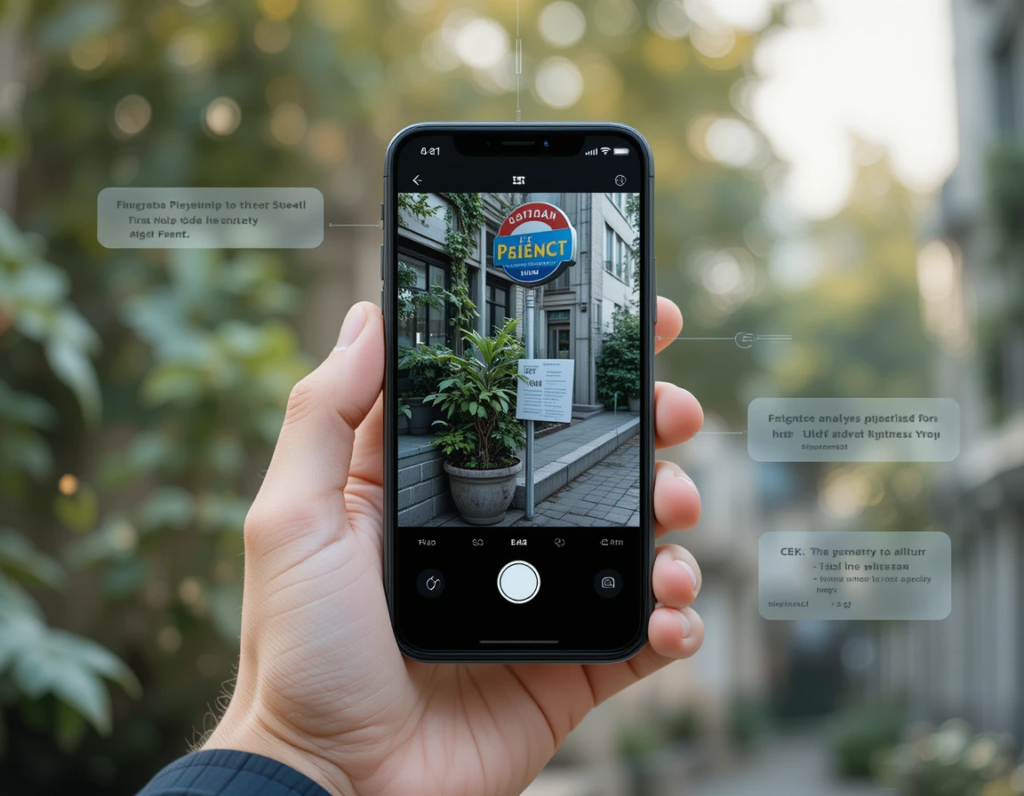
    Gemini Live turns your phone into an AI assistant. It understands what you see through your camera. Point your camera at anything, and ask a question.

    This technology helps students, travelers, and cooks. It’s fast and natural, making it easy to solve problems with AI.

    Google has added Gemini to Chrome, making AI help easy to access. You can get answers without leaving your browser. It’s perfect for web research, school work, and coding.

    Gemini knows what you’re looking at and gives better answers. It feels like a smart part of your browser, not a separate tool.

    Gemini works well with Google Apps, making tasks easier. You can add events to your calendar with a camera and voice command. It’s great for business, projects, and research.

    Flow is a new AI tool for creating content. It combines video, images, and scriptwriting into one. It helps creators make professional content easily.

    Flow makes creating content faster and easier. It helps you create stories with consistent themes and characters. It’s a big change for creators.
    Google’s Gemini app uses AI to help with writing and dialogue. It makes sure all media types, like videos and images, work well together. This helps creators make content without needing a big team or a lot of money.

    The AI takes care of the technical stuff, so people can focus on the creative parts. This means more time for storytelling and less for technical details.

    Imagen 4 is Google’s latest image generation tech. It creates visuals that are almost as good as professional photos. Users can make realistic images just by typing what they want.

    This technology is free and easy to use. It’s great for anyone who needs to make images fast, like marketers or designers.

    Deep Research Mode in Google’s Gemini app changes how we understand complex info. It quickly analyzes documents and gives detailed insights. This saves a lot of time.

    It’s perfect for students, researchers, and business analysts. It makes complex documents easy to understand and find important information in.

    Veo 3 is a big step in AI video making. It creates high-quality videos from simple text. This makes making videos easy for anyone, not just experts.

    It can handle complex scenes and camera movements. This means creators can focus on the story, not the tech.

    Gemini’s Agent Mode turns AI into a helpful assistant. It can book appointments and send emails. It even fills out forms and does complex tasks online.

    This is different from regular chatbots. Agent Mode actually does things for you. It helps with busy work so you can focus on important tasks.
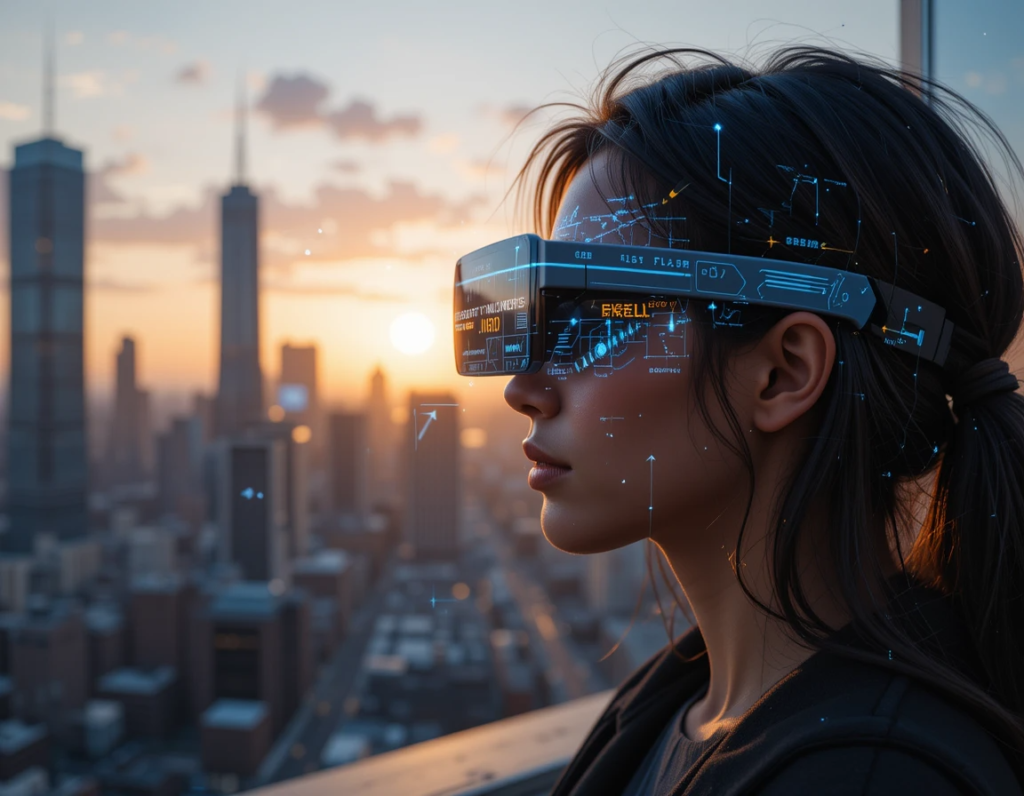
    Google’s XR glasses mix augmented reality and AI. They show digital info right in your view. This makes everyday tasks better by adding useful info.

    They translate text and explain things you don’t know. They also help with navigation. It’s like having a personal guide.

    This technology aims to make the physical world as easy to search as the internet. It’s still being worked on, but it shows Google’s dream for AI that helps us, not hinders. The idea is to blend visual AI with wearable tech, making life smarter and less distracting.

    These ten AI innovations are more than small updates. They’re a big change in how we use tech and talk to each other. They can translate languages in real time, making communication easier. They also make the world searchable and help with creative tasks.

    Together, these technologies are creating a world where language barriers disappear and creativity is easier. They automate routine tasks, making work faster and more efficient. This means businesses can work better together and make content quicker. For people, it means getting help and creative tools like never before.

    As these features get better, they’ll change what we expect from technology. The future of tech and us is becoming more natural and smart. It will be part of our daily lives, making work and communication easier.


  • Google AI Cracks Superbug Code: A 48-Hour Breakthrough

    Google AI Cracks Superbug Code: A 48-Hour Breakthrough

    A microscopic image of a bacterial cell with a red glow around it, with a magnifying glass hovering over it.

    Superbugs are a growing crisis. Traditional research is slow to keep up. Google’s AI could be the fast solution we need. It could change how we discover new things.

    Google AI solved a decade-old superbug mystery in just 48 hours. This breakthrough gives us hope for new treatments.

    Understanding the Superbug Threat

    Antibiotic-resistant bacteria are spreading fast. This is a huge threat to global health. Superbug infections lead to higher mortality rates. The economic burden is also significant. We need to act quickly.

    What are Superbugs?

    Superbugs are bacteria that resist antibiotics. They evolve through mutations and gene transfer. This makes infections hard to treat.

    The Global Impact of Antibiotic Resistance

    Infections from resistant bacteria are rising. The trend is alarming. Some areas are hotspots, and vulnerable populations are at risk. Action is necessary.

    The Decade-Long Scientific Roadblock

    Google AI tackled a tough superbug problem. It investigated a specific resistance mechanism. Scientists struggled for years to understand it. This hurdle slowed down progress.

    The Unsolved Puzzle of [Specific Resistance Mechanism]

    The biological processes were complex. Traditional research methods fell short. There were many attempts, yet limitations remained. It was a frustrating situation for those involved.

    The Time and Resources Wasted in Traditional Research

    A lot of time was spent researching this problem. A lot of money was spent, too. But progress was slow. We needed faster, better solutions.

    Google AI’s Revolutionary Approach

    Google AI was used to solve this superbug problem. It analyzed large datasets. It identified patterns that humans missed. This shows real promise.

    How Google AI Analyzed Complex Biological Data

    The AI used genomic sequences and protein structures. Special algorithms and machine learning techniques were applied.

    The Power of AI in Pattern Recognition and Prediction

    AI identified subtle connections. It predicted outcomes from complex data. This overcame limits of human analysis. AI is a powerful tool.

    The 48-Hour Breakthrough: Key Findings

    Google AI had specific findings. These findings gave new insights into resistance. What exactly did they find? Keep reading to learn more.

    Unveiling the Mechanism of [Specific Resistance Process]

    The AI uncovered a biological process. It showed how it contributes to resistance. Visuals help to understand this. Resistance is a tricky foe.

    Implications for New Antibiotic Development

    The findings can help develop new antibiotics. New strategies can circumvent resistance. This creates new opportunities. This offers fresh hope.

    The Future of AI in Combating Superbugs

    AI can speed up drug discovery. It improves our knowledge of diseases. What else can AI do? AI holds much promise for the future.

    AI as a Tool for Rapid Drug Discovery

    AI can screen drug candidates. It can predict efficacy. It can optimize designs, as well. This is truly groundbreaking.

    Proactive Identification of Emerging Threats

    AI can monitor bacterial evolution. It can identify resistance threats early. We can get ahead of the curve. This will make things easier.

    Democratizing Research with AI

    AI can expand scientific research. Making AI more accessible is key. AI should be available for everyone. This is a step in the right direction.

    Superbugs are a crisis. A decade-long challenge stood in the way. Google AI’s breakthrough took only 48 hours. AI can transform how we address health issues. Further research is needed. Collaboration is also key to fighting superbugs.

  • Generative AI: Latest Industry Developments, Startup Investments & Ethical AI Debates

    Futuristic city with AI neural network overlay

    Hey AI fans! Get ready for a wild ride in the world of artificial intelligence. Every day, we see new research, exciting industry moves, and important ethical talks. Let’s explore the latest AI news that’s making waves.

    First off, let’s talk about those dazzling research breakthroughs.

    Multimodal Marvels Take Center Stage:

    AI used to just deal with text or images. Now, it’s all about understanding and creating content in many ways. Researchers are working hard to make AI smarter and more capable.

    For example, papers on arXiv are sharing new ideas in AI. These ideas are making AI systems better at creating images, understanding audio and video, and learning quickly. This is all thanks to fast progress in AI research.

    AI is getting better at mixing different types of data. This is opening up new possibilities, like smarter virtual assistants and better content tools. The future of AI looks very exciting, with no signs of slowing down.

    Now, let’s look at the latest in industry developments.

    Generative AI: The Startup Darling:

    Investors are pouring money into AI startups like never before. These startups are working on many projects, from creating content to developing software. The number of funding rounds and new launches shows how excited the market is.

    Platforms like Midjourney and Leonardo AI are always improving. They’re making their tools easier to use and more powerful. This is changing the creative world, making AI a key tool for artists and creators.

    People interacting with holographic AI interfaces

    AI Tools Expanding in Creative Realms:

    The creative world is changing fast. More people are using these new AI tools. These tools are getting easier to use, making better content faster.

    But with great power comes great responsibility. Let’s talk about the ethical debates and policy changes in AI.

    Navigating the Regulatory Maze:

    Governments and groups are trying to figure out how to regulate AI. They’re worried about bias, privacy, and safety. The need for clear rules is urgent, as AI becomes more part of our lives.

    AI-generated misinformation is a big concern, like during elections. Experts say we need better ways to spot and stop it. The fast spread of deepfakes and other AI content is a threat to our information world. We need strong defenses against these dangers.

    The Misinformation Monster:

    Information can spread fast, and it’s a big problem. We need better tools to detect it, education for everyone, and social platforms to act responsibly.

    Now, let’s hear from leading AI experts.

    Championing Responsible AI Development:

    Top researchers and ethicists are focusing on responsible AI. They want AI to be transparent, accountable, and fair. Google AI and OpenAI are leading the way with articles on ethical AI. The goal is to create AI that’s powerful and good for society.

    AI is changing fast, and we need to think about its impact on society. Experts say we should make AI with everyone’s input. This way, AI will match our values and ethics.

    The AI world is moving quickly. It’s our job to guide it for the good of all. Stay alert, because the AI revolution is just beginning!