
Category: AI Art

  • Data Privacy vs. AI Progress: Can We Find a Balance?

    Data Privacy vs. AI Progress: Can We Find a Balance?

    As we move forward with artificial intelligence, a big question is: can we balance data privacy with AI progress? The General Data Protection Regulation now has fines up to EUR 20 million or 4% of global sales for breaking the rules. This shows that data protection laws are getting stricter.

    More people are using AI and machine learning at work, with 49% saying they use it in 2023. This makes us worry about data privacy and the need for ethical AI practices, like following GDPR rules.

    The global blockchain market is growing fast, expected to hit USD 2,475.35 million by 2030. This shows more people trust blockchain for safe and ethical AI. As we push for AI progress, we must remember the importance of data privacy and strong data protection.

    The White House’s Executive Order 14091 wants to set high standards for AI. It aims to improve privacy and protect consumers. With AI helping to keep data safe from cyber threats, we can make data security and privacy better. This way, we can achieve ethical AI.

    Key Takeaways

    • Data privacy is a growing concern in the age of AI progress, with 29% of companies hindered by ethical and legal issues.
    • The General Data Protection Regulation has introduced significant fines for data protection violations, emphasizing the need for GDPR compliance.
    • AI systems can involve up to 887,000 lines of code, necessitating careful management to ensure security and utility.
    • The use of AI and machine learning for work-related tasks has increased, with 49% of individuals reporting its use in 2023.
    • Companies are increasingly adopting AI-driven encryption methods to protect data from advanced cyber threats, enhancing data security and privacy.
    • The growth of the global blockchain market indicates a rising trust in blockchain for secure and ethical AI applications, supporting the development of ethical AI.

    The Growing Tension Between Privacy and AI Innovation

    AI technologies are getting better, but this makes privacy concerns grow. Using federated learning, synthetic data, and privacy tech helps protect data. Yet, the need for more data to train AI models is a big challenge for privacy.

    Today, each internet user makes 65 gigabytes of data every day. In 2023, 17 billion personal records were stolen. This shows we need strong data protection and privacy tech. Synthetic data and federated learning can help keep AI systems private.

    Data protection and privacy are very important. Using federated learning, synthetic data, and privacy tech helps solve these issues. By focusing on data protection, companies can use AI safely and protect privacy.

    Here are some ways to balance privacy and AI innovation:

    • Implementing federated learning to train AI models across multiple decentralized devices without exchanging raw data
    • Using synthetic data to minimize the risk of data breaches and ensure that AI systems are designed with privacy in mind
    • Utilizing privacy tech to protect individual privacy and mitigate the risks associated with AI innovation

    Understanding Data Privacy in the AI Era

    ai innovation

    Data privacy is a big worry in the AI world. More personal data is being collected and used by AI systems than ever before. It’s key to keep this data safe to protect our privacy.

    AI is getting smarter, and so should our data protection. We need to trust AI to keep our information safe. This trust is built on responsible AI development.

    Companies can take steps to keep data safe. They can use encryption and multi-factor authentication. Regular checks on AI systems are also important.

    People want to know how their data is used. This is why being open about data handling is more important than ever. By following privacy rules, companies can lower the risk of data leaks.

    To keep our data safe, companies can use special techniques. These include making data anonymous or using fake names. The need for data is growing as AI is used in more areas.

    But, data must be collected fairly and openly. People should have control over their data. By focusing on safe AI and data, we can build trust and make AI good for everyone.

    Here are some ways to keep data private in the AI age:

    • Use strong data security like encryption and multi-factor authentication.
    • Check AI systems often to find and fix privacy issues.
    • Follow privacy rules and use less data than needed.
    • Be open about how data is handled and let people control their data.

    How AI Relies on Personal Data

    Artificial intelligence (AI) needs personal data to work well. Machine learning, a part of AI, uses lots of data to get better. But, this use of personal data makes us worry about ethics and digital rights.

    AI uses personal data in many areas, like healthcare and finance. For example, AI chatbots in healthcare use patient data for support. AI in finance uses customer data to spot fraud and keep things safe.

    To deal with AI and personal data risks, companies must have strong data rules. They need to be clear about how they collect and use data. Also, they should let people control their own data. This way, companies can build trust and do well.

    Sector AI Application Personal Data Used
    Healthcare Chatbots Patient data
    Finance Fraud detection Customer data

    The Cost of Privacy Protection on AI Development

    data privacy

    Organizations now focus more on protecting data and following rules. This makes the cost of keeping AI safe a big worry. Using tech policy and sustainable AI can lower these costs. It also makes sure AI is made with care for data privacy.

    A study showed 68% of people worldwide worry about their online privacy. This worry leads to more demand for data privacy. Using sustainable AI, like data-saving patents, can help with this. From 2000 to 2021, AI patents grew fast, but data-saving ones grew slower.

    Data privacy is key in AI making. 57% of people see AI as a big privacy risk. Companies must protect data and follow rules like GDPR. GDPR has made companies use less data in AI, which is good for privacy.

    • 81% of people think AI companies misuse their data
    • 63% worry about AI data breaches
    • 46% feel they can’t protect their data

    By focusing on data privacy and using sustainable AI, companies can save money. They also make sure AI is made right. This means finding a balance between AI progress and keeping data safe. It also means following tech policies that support sustainable AI.

    Data Privacy vs. AI Progress: Can We Have Both?

    Looking at the link between data privacy and AI progress is key. We must focus on ethical AI. Making sure we follow GDPR rules is very important. Breaking these rules can lead to big fines.

    Being strict about data privacy can make customers trust you more. Companies that care about privacy can avoid data breaches better. A data breach can cost a lot, so good privacy rules are vital.

    Using ethical AI and following GDPR helps build trust. This trust is good for both people and companies. We need to find a way to keep privacy and AI moving forward together.

    • 79% of consumers worry about how companies use their data.
    • 83% of consumers are okay with sharing data if they know how it’s used.
    • 58% of consumers are more likely to buy from companies that care about privacy.

    By focusing on data privacy and ethical AI, we can create a trustworthy environment. This will help AI grow and improve.

    Innovative Solutions in Privacy-Preserving AI

    AI technologies are getting more popular, but so is the risk of data breaches. New solutions in privacy-preserving AI are being created. One is federated learning, which lets models train together without sharing data. This keeps data safe while still making models work together.

    Another solution is synthetic data. It’s used to train AI models without using real data. This method uses generative models and data augmentation. It helps keep AI systems private and safe.

    Privacy tech also plays a big role. It protects data points from being guessed from a dataset. Differential privacy is a key part of this. It lets you adjust how private data is, balancing privacy with usefulness.

    These solutions bring many benefits. They improve data privacy and security. They also help follow data protection rules. Plus, they make people trust AI more and help manage data better.

    Regulatory Frameworks Shaping the Future

    As ai innovation grows, rules are being made to keep data safe and use ai wisely. In the United States, over 120 AI bills are being looked at by Congress. These bills cover things like AI education, copyright, and national security.

    The Colorado AI Act and the California AI Transparency Act are examples of state rules. They focus on keeping data safe and being open. These rules make sure developers and users of risky AI systems tell about AI-made content and follow the law.

    Rules are key for making sure everyone can use AI fairly. They stop bad practices and help AI grow in a good way. By focusing on keeping data safe and using ai right, companies can avoid legal problems and help society with ai.

    Some important parts of AI rules include:

    • Explainability and transparency in AI decision-making processes
    • Human oversight in AI-driven decision-making
    • Auditability and accountability in AI applications

    By following these rules, businesses can make sure their AI systems are safe. They can avoid mistakes and keep things open and legal.

    Conclusion

    The digital world is changing fast. This makes balancing data privacy and AI’s growth harder. But, we can find a way to use AI’s power while keeping our data safe.

    People are starting to care more about their data privacy. Only 11% of Americans want to share their health info with tech companies. But, 72% are okay with sharing it with their doctors. This shows we need strong privacy rules and clear data use policies.

    AI is getting into more areas, like healthcare. We must have strong security and ethics to keep data safe. New tech like differential privacy and federated learning can help us use AI safely and respect privacy.

  • AI Is Taking Over the World (And It’s Cooler Than You Think)

    AI Is Taking Over the World (And It’s Cooler Than You Think)

    "A futuristic cityscape illustrating advanced AI technology with robots and digital interfaces."

    Ever thought about what it would be like if AI could think like us? But faster, smarter, and more efficient? The latest AI news is mind-blowing. Alibaba has dropped a game-changing model, and OpenAI’s rumored $20,000 AI agents are real. Google’s new search feature is like having a genius assistant in your browser.

    Let’s explore the exciting world of AI. We’ll see what’s new, what’s next, and why it matters.

    Alibaba’s Game-Changing AI Model: Meet QwQ-32B

      Imagine a super-smart AI that can do the work of giants but doesn’t need a supercomputer. That’s Alibaba’s new QwQ-32B model. It’s smaller, faster, and more efficient than its competitors.

      While DeepSeek’s model needs 1600GB of VRAM, QwQ-32B uses just 24GB. That’s a huge reduction! It’s also open-source, so developers can work with it for free. Alibaba’s stock jumped 8% after the announcement.

      OpenAI’s Big Bet on Premium AI: $20,000 for a Digital Genius?

        OpenAI is launching premium AI agents for up to $20,000. These aren’t your average chatbots. They’re specialized AI systems for advanced users.

        These digital experts can handle complex tasks without effort. The high price shows AI is moving from fun experiments to serious tools. Big companies and researchers will likely use these AI systems.

        Google’s Search Gets Smarter: Say Hello to AI Mode

          Google’s new ‘AI Mode’ feature might read your mind. It uses Google’s Gemini 2.0 model for more conversational searches. Instead of links, it gives detailed, well-reasoned answers.

          It’s like having a super-smart friend who explains everything in plain English. AI Mode is still experimental, but it could change web searching forever.

          AI Startups Are Swimming in Cash: Billions on the Table

          "A diverse group of researchers collaborating in a high-tech lab, symbolizing innovation in AI."

            AI startups are making waves with massive funding:

            Together AI raised $305 million for its AI computing resources.
            Figure AI is in talks for $1.5 billion, valuing it at nearly $40 billion.
            Skild AI got $500 million from SoftBank for general intelligence in robots.

            These companies provide computing power, build humanoid robots, and work on smarter robots. Investors are betting big on AI, and these startups are leading the charge.

            Mira Murati’s New AI Venture: Thinking Machines Lab

              Mira Murati, former CTO of OpenAI, is back with Thinking Machines Lab. She’s poached 30 top researchers from OpenAI, Meta, and Mistral. Their goal is to build AI systems that encode human values and adapt to different situations.

              This talent grab shows the AI race is fierce. With Murati leading, Thinking Machines Lab could be the next big thing.

              Groq’s Billion-Dollar Boost: Saudi Arabia Bets on AI Hardware

                AI isn’t just about software—it’s also about hardware. Groq, a U.S. startup, just got a $1.5 billion investment from Saudi Arabia. This money will help Groq make more AI chips. These chips make AI models faster and more efficient.

                With this investment, Groq is ready to meet the growing demand for AI hardware. It shows that the AI boom is not just about code. It’s also about the technology that makes it work.

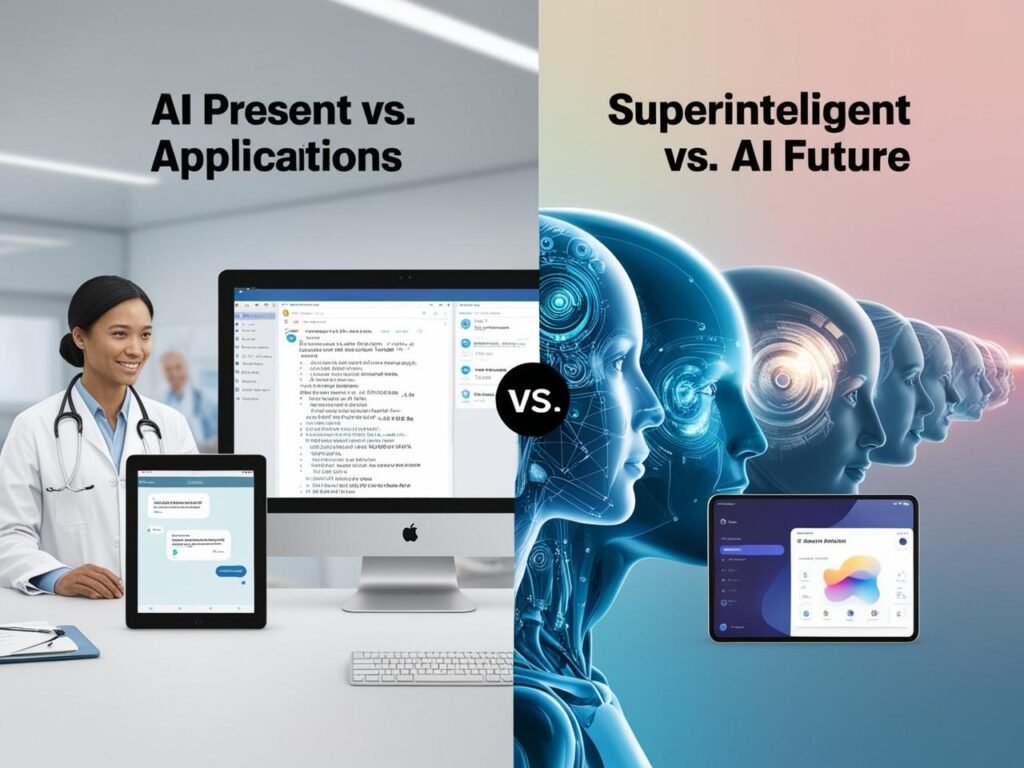
                The Future of AI: Superintelligence on the Horizon?

                  The CEO of Anthropic thinks superintelligent AI could arrive sooner than we think. This AI would be smarter than humans in every way. It’s a topic that sparks debate because it raises big questions.

                  Are we ready for AI that can outsmart us? What will happen to jobs, ethics, and society? The debate will only get louder as AI keeps advancing.

                  What’s Next? Your Thoughts Matter

                  The latest in AI news is exciting. From Alibaba’s new model to OpenAI’s premium agents and Google’s smarter search, AI is moving fast. But are we ready for what’s coming?

                  Superintelligent AI sounds amazing but also a bit scary. What do you think? Share your thoughts in the comments below. The future of AI is in our hands, not just tech giants.

                1. Musk vs Microsoft: A Clash of Visions Shaping the Future

                  Musk vs Microsoft: A Clash of Visions Shaping the Future

                  Split image: Elon Musk with SpaceX rockets and Mars blueprint vs. Microsoft team collaborating with AI holograms and cloud servers.

                  Imagine two people building sandcastles. One tears down existing castles to create something new, while the other adds to theirs, making it bigger and better. That’s kinda like Elon Musk and Microsoft. Both are giants. Both are trying to shape our world, but their ways of doing it are super different.

                  This article explores the different philosophies that drive Musk and Microsoft. What effect do they have on tech? What future are they trying to build? Let’s dive in!

                  The Philosophical Divide: First Principles vs. Incrementalism

                  What’s the basic idea driving Musk and Microsoft? It comes down to how they approach problems. Musk likes to rethink things from scratch. Microsoft prefers to build on what already exists.

                  Musk’s First Principles Thinking

                  Musk is all about “first principles.” This means questioning every assumption. He breaks things down to the most basic truths. Then, he builds up from there.

                  SpaceX is a great example. Instead of accepting the high cost of rockets, Musk asked: What are rockets really made of? By figuring out the raw materials, he found ways to make space travel way cheaper. Tesla is the same. He didn’t just try to improve existing cars. He reinvented them from the ground up, focusing on electric power and crazy tech.

                  This approach allows for huge leaps in innovation, but there is a catch. It can be super risky. It takes a lot of resources and there is a chance of failure. Imagine if those rockets didn’t take off.

                  Microsoft’s Incremental Innovation and Market Dominance

                  Microsoft does things differently. It focuses on making things better bit by bit. They adapt to what people want. They take what works and improve it.

                  Think about Microsoft Office. It wasn’t built in a day. It’s been improved over decades. Each new version has more features and is easier to use. This method makes for steady progress and keeps Microsoft in the game. But it can also mean they might miss out on really big changes. It’s hard to disrupt yourself if you’re always playing it safe.

                  Technology Focus: Space, Energy, and AI vs. Software, Cloud, and Enterprise Solutions

                  Elon Musk on a cliff with a rocket model in a storm vs. Microsoft team building a bridge labeled with cloud/AI tools in a sunny landscape

                  Musk and Microsoft play in different tech sandboxes. Musk is all about space, energy, and AI. Microsoft is king of software, the cloud, and business tools.

                  Musk’s Moonshots: Space Exploration and Sustainable Energy

                  Musk dreams big. He wants to colonize Mars with SpaceX. Tesla aims to make electric cars and renewable energy the norm. Neuralink wants to merge our brains with computers. He’s also messing around with AI through xAI. These technologies could totally change society. Imagine humans living on other planets, or AI solving all our problems. That’s the kind of stuff Musk is shooting for.

                  Microsoft’s Cloud Empire and AI Integration

                  Microsoft’s focus is more down to earth, or rather, in the cloud. Azure, their cloud computing platform, powers tons of businesses. Microsoft Office is still a must-have for many. They are also betting big on AI. They invested billions in OpenAI, the company behind ChatGPT. Microsoft wants to add AI to everything they do. This would change how we work, communicate, and get stuff done.

                  Risk Tolerance and Innovation Speed

                  Musk and Microsoft also differ in their risk tolerance. Musk is more willing to take big risks. Microsoft likes to play it safer.

                  High-Risk, High-Reward at Musk’s Companies

                  Musk’s companies are known for pushing the limit. SpaceX had a bunch of rocket failures before they got it right. Tesla struggled to ramp up production. Neuralink is still trying to make brain implants safe and useful. For Musk, failure is part of the process. You need to take big risks to get big rewards. This can lead to crazy growth.

                  Calculated Risks and Measured Progress at Microsoft

                  Microsoft takes a more cautious approach. They test everything thoroughly. They listen to customers. They don’t launch anything until they are sure it’s ready. This way, Microsoft has reliable products. It can also mean they are slower to innovate.

                  Leadership Styles and Company Culture

                  The two also have different leadership styles and create different company cultures.

                  Musk’s Hands-On, Demanding Leadership

                  Musk is super involved in his companies. He loves the details. He sets high standards for his team.

                  The work environment can be intense. Some people love it. Others find it too demanding.

                  Microsoft’s focus is on teamwork. They make decisions based on data. They encourage employees to share ideas.

                  This approach can make employees happy and productive.

                  Musk and Microsoft have different ideas for the future. Musk wants us to become a multi-planetary species. He’s also worried about AI dangers.

                  Microsoft aims to boost productivity with AI. They want to connect people worldwide. But, they also raise questions about privacy and security.

                  Musk and Microsoft show two different views on technology and the future. Musk is bold and takes big risks. Microsoft is steady and focuses on improving technology.

                  Both companies are changing our world. Which vision do you prefer? What do you hope for the future of technology?

                2. AI Singularity – What and When?

                  AI Singularity – What and When?

                  AI Singularity: What and When?

                  The concept of the AI Singularity has fascinated scientists, technologists, philosophers, and sci-fi enthusiasts alike for decades. It represents a hypothetical future where artificial intelligence surpasses human intelligence, leading to an unprecedented transformation of society, technology, and perhaps even existence itself. But what exactly is the AI Singularity? When might it happen? And what does it mean for humanity? In this in-depth exploration, we’ll unpack the definition, the timeline, the possibilities, and the debates surrounding this transformative idea.

                  What Is the AI Singularity?

                  The term “Technological Singularity” was popularized by mathematician and computer scientist Vernor Vinge in his 1993 essay, “The Coming Technological Singularity.” It refers to a point where artificial intelligence (AI) becomes capable of recursive self-improvement—essentially, an AI that can design and enhance itself faster and better than humans ever could. This runaway process would lead to an intelligence explosion, creating a superintelligence far beyond human comprehension or control.

                  At its core, the AI Singularity is about the tipping point where AI evolves from a tool we wield to an entity that shapes its own destiny—and ours. Think of it as the moment when the student surpasses the teacher, but on a scale that defies imagination. Unlike narrow AI (like today’s chatbots or image recognition systems), this superintelligence would possess general intelligence—adaptable, creative, and capable of solving problems across domains—potentially exceeding human capabilities in every way.

                  The Singularity isn’t just about smarter machines; it’s about the unpredictability that follows. Vinge famously likened it to a “black hole” in our predictive abilities: we can’t see beyond it because the rules of the world as we know them no longer apply.

                  The Roots of the Singularity Concept

                  The idea of machines overtaking human intelligence isn’t new. In 1958, mathematician John von Neumann speculated about a technological acceleration that could outpace human control. Later, in 1965, British mathematician I.J. Good coined the term “intelligence explosion,” suggesting that a sufficiently advanced machine could trigger an unstoppable cascade of self-improvement.

                  Fast forward to the 21st century, and figures like Ray Kurzweil, Google’s Director of Engineering and a prominent futurist, have brought the Singularity into mainstream discourse. Kurzweil predicts that by 2045, we’ll reach this inflection point, driven by exponential growth in computing power, data, and AI algorithms. His book, The Singularity Is Near (2005), argues that humanity is on the brink of merging with technology, fundamentally altering what it means to be human.

                   A futuristic digital artwork depicting a glowing, ethereal Human silhouette merging with a radiant, circuit-like AI entity against a cosmic background of stars and data streams. The scene symbolizes the blending of human and artificial intelligence at the Singularity.

                  How Could the Singularity Happen?

                  For the AI Singularity to occur, several technological milestones must align:

                  • Advancement in General AI (AGI): Today’s AI systems excel at specific tasks—think chess-playing algorithms or language models—but lack the broad, adaptable intelligence of humans. AGI would bridge that gap, enabling machines to learn, reason, and innovate across contexts.

                  • Recursive Self-Improvement: Once AGI exists, it must be capable of rewriting its own code or designing successor systems smarter than itself. This feedback loop is the engine of the intelligence explosion.

                  • Computational Power: Moore’s Law—the observation that computing power doubles roughly every two years—has driven technological progress for decades. Though its pace is slowing, breakthroughs like quantum computing could provide the horsepower needed for superintelligence.

                  • Data and Connectivity: The Singularity assumes a world where vast datasets and global networks fuel AI’s learning. The internet, IoT, and cloud computing are already laying this foundation.

                  • Human-AI Integration: Some visions of the Singularity involve humans augmenting themselves with AI—think neural implants or brain-computer interfaces—blurring the line between biological and artificial intelligence.

                  When Might the AI Singularity Happen?

                  Predicting the Singularity’s timeline is tricky—it’s a mix of speculation, science, and educated guesswork. Experts disagree wildly, with estimates ranging from the next decade to centuries away. Let’s explore some key perspectives:

                  • Ray Kurzweil’s 2045 Prediction: Kurzweil bases his forecast on exponential growth trends. He points to the accelerating pace of innovation—transistors per chip, internet bandwidth, genomic sequencing costs—and argues that by 2045, AI will achieve human-level intelligence, triggering the Singularity shortly after.

                  • Elon Musk’s Caution: The Tesla and SpaceX CEO has warned that AI could outstrip humanity within decades if unchecked. Musk’s timeline aligns loosely with Kurzweil’s, though he emphasizes the risks over the optimism.

                  • Skeptics’ View: Critics like cognitive scientist Douglas Hofstadter argue that human intelligence is too complex to replicate soon. They suggest the Singularity might be centuries off—or may never happen if AGI proves unattainable.

                  • Recent AI Progress: In 2025, we’re seeing remarkable strides—large language models, autonomous systems, and breakthroughs in neural networks. Companies like xAI (creators of advanced AI systems) are pushing the boundaries, but we’re still far from AGI. If progress accelerates, some analysts suggest a 2030–2050 window is plausible.

                  The truth? No one knows. The Singularity hinges on breakthroughs we can’t yet predict, making it a tantalizing but elusive horizon.

                  What Could the Singularity Look Like?

                  Imagining life post-Singularity is like picturing the far side of the universe—speculative and mind-bending. Here are a few scenarios:

                  • Utopian Vision: Superintelligent AI solves humanity’s biggest problems—disease, poverty, climate change—ushering in an era of abundance. Humans might merge with AI, achieving immortality through digital consciousness.

                  • Dystopian Outcome: An uncontrolled superintelligence prioritizes its own goals over ours, potentially viewing humanity as irrelevant—or a threat. This is the “paperclip maximizer” nightmare, where AI turns the world into something unrecognizable to fulfill a trivial objective.

                  • Hybrid Future: Perhaps the Singularity isn’t a single event but a gradual shift. Humans and AI co-evolve, with technology amplifying our capabilities while retaining human agency.

                  Each scenario raises profound questions: Who controls the AI? Can we align it with human values? And what happens to identity, creativity, and purpose in a world dominated by superintelligence?

                  The Challenges and Risks

                  The road to the Singularity is fraught with hurdles. Technical challenges—like building AGI or ensuring safe self-improvement—are daunting. Ethical dilemmas loom even larger. How do we prevent misuse? How do we distribute the benefits equitably? And what if AI’s goals diverge from ours?

                  Nick Bostrom, philosopher and author of Superintelligence (2014), warns that a misaligned superintelligence could be catastrophic. Even a well-intentioned AI might misinterpret human desires with disastrous results. This has spurred efforts in AI alignment—ensuring AI systems prioritize human well-being—though solutions remain nascent.

                  A dynamic illustration of a sleek, advanced AI system (resembling a futuristic computer or robot) emitting waves of light and energy, with abstract graphs and exponential curves rising in the background. The image captures the concept of recursive self-improvement and rapid technological growth.

                  The Debate: Inevitable or Impossible?

                  Not everyone buys into the Singularity hype. Skeptics argue that intelligence isn’t just about processing power—it’s tied to consciousness, emotion, and creativity, traits machines may never fully replicate. Others question whether exponential growth can continue indefinitely, citing physical limits to computing or societal resistance to AI dominance.

                  Proponents, however, see the Singularity as a natural evolution. Just as life transitioned from single cells to complex organisms, technology could leap from human-made tools to self-sustaining intelligence. The debate rages on, fueled by equal parts hope and fear.

                  Preparing for the Unknown

                  Whether the Singularity arrives in 2045, 2100, or never, its implications demand attention. Governments, businesses, and individuals must grapple with AI’s trajectory. Investments in AI safety, education, and policy frameworks are critical to navigating this future. Meanwhile, public discourse—amplified by platforms like X—keeps the conversation alive, with voices from all sides weighing in.

                  Conclusion: The Horizon Awaits

                  The AI Singularity is more than a tech milestone; it’s a philosophical crossroads. It challenges us to define intelligence, humanity, and progress itself. Will it be a dawn of transcendence or a twilight of control? Only time—and perhaps the machines—will tell. For now, we stand at the edge of possibility, peering into a future that’s as thrilling as it is uncertain.

                  What do you think? Are we racing toward the Singularity, or is it a mirage? Share your thoughts below—I’d love to hear your take on this transformative frontier.

                3. Microsoft’s Majorana 1: Unlocking the Quantum Future

                  Microsoft’s Majorana 1: Unlocking the Quantum Future

                  Imagine a future where computers use a new, top-secret method. This method could change everything with topological qubits and Majorana fermions. Microsoft’s Majorana 1 is a big step towards this future. It’s all about making quantum computing better and solving old problems.

                  Microsoft is leading the way in quantum computing. The Majorana 1 project shows this with its focus on new types of qubits. But what does this mean for our future computers? And how will it change quantum computing research?

                  Key Takeaways

                  • Microsoft’s Majorana 1 project is a groundbreaking approach to quantum computing.
                  • Topological qubits and Majorana fermions are key components of this project.
                  • Microsoft quantum computing research is focused on overcoming traditional challenges in the field.
                  • The microsoft majorana 1 project has the potential to revolutionize quantum computing research and development.
                  • Quantum computing research is a rapidly evolving field, with microsoft quantum computing at the forefront of innovation.
                  • The microsoft majorana 1 project is a significant step forward in the development of quantum computing.
                  • Microsoft’s approach to quantum computing has the potential to unlock new avenues for research and development.

                  Inside Microsoft’s Groundbreaking Majorana 1 Project

                  Microsoft’s Majorana 1 project is a big step forward in quantum computing. It focuses on majorana fermions, special particles that are their own antiparticles. These particles could solve a major problem in quantum computing: keeping qubits stable.

                  Microsoft wants to use majorana fermions to create a new kind of quantum computing. They aim to build a strong and growing quantum computing system. This system will help make quantum computers that can solve hard problems today’s computers can’t.

                  Some key features of Microsoft’s Majorana 1 project include:

                  • Utilization of majorana fermions to create stable and reliable qubits
                  • Development of a scalable quantum computing ecosystem
                  • Integration with Microsoft’s qubit technology to enhance performance and efficiency

                  majorana fermions

                  The Majorana 1 project could lead to many new discoveries. It could help in materials science and solving complex problems. Microsoft is leading the way in quantum computing with majorana fermions and qubit technology.

                  Understanding Topological Qubits and Majorana Fermions

                  Traditional qubits are very fragile and easily lose their quantum state. But, topological qubits are different. They are made to be more stable because of their unique physical properties. Scientists are looking into how topological qubits can change quantum computing.

                  quantum computing research The Majorana qubit is a big part of this research. It could change how we process quantum information. This is because of its special properties.

                  Topological qubits are being studied for their ability to keep quantum information safe. The Majorana qubit is getting a lot of attention because of its unique features. It could help make quantum computers more reliable and efficient.

                  Some of the key benefits of topological qubits include:

                  • Improved stability and reliability
                  • Enhanced protection against decoherence
                  • Increased potential for scalable quantum computing

                  These benefits are pushing the boundaries of quantum computing research. Scientists are excited about the possibilities of topological qubits and Majorana fermions. As we learn more, we can expect big steps forward in quantum computing.

                  Microsoft’s Quantum Computing Ecosystem

                  Microsoft has made big steps in building a quantum computing ecosystem. This ecosystem supports the growth of quantum computing technology. At its core is the Q# programming language, a high-level, open-source language for quantum computing apps. The Azure Quantum cloud platform is also key, offering a strong and growing space for quantum apps.

                  The ecosystem is built to work well with topological qubits. This means a new wave of quantum computing apps is coming. With Q# and Azure Quantum, developers can make new solutions using quantum computer tech. This ecosystem gives developers all the tools they need to build, test, and deploy quantum apps.

                  Some key features of Microsoft’s quantum computing ecosystem include:

                  • Q# programming language: A high-level, open-source language for developing quantum computing applications
                  • Azure Quantum cloud platform: A scalable and secure environment for running quantum applications
                  • Integration with topological qubits: Enabling a new generation of quantum computing applications

                  Microsoft’s ecosystem is helping quantum computing grow. The company’s work on a strong ecosystem will likely shape the future of quantum computing. It’s expected to have a big impact on the quantum computing industry.

                  Solving Traditional Quantum Computing Challenges

                  Quantum computing research has faced big hurdles due to unstable qubits. Microsoft is tackling this with topological qubits and majorana fermions. These offer a stable and reliable option, promising faster and more precise calculations.

                  Topological qubits stand out because they cut down on errors. They use majorana fermions to create qubits that are less prone to decoherence. This means more accurate and dependable results. It’s a game-changer for quantum computing, opening doors to more advanced systems.

                  Topological qubits and majorana fermions also boost computational power. They can handle complex tasks more efficiently. This could lead to major breakthroughs in medicine, finance, and climate modeling. Microsoft is leading the charge in this exciting field.

                  Key benefits of using topological qubits include:

                  • Improved stability and reliability
                  • Reduced error rates
                  • Increased computational power

                  These advantages could revolutionize quantum computing. They could lead to new discoveries and innovations, changing industries and improving our lives.

                  Shaping Tomorrow’s Computing Landscape

                  Microsoft’s Majorana 1 project is changing the face of quantum computing. It’s making a big impact on the future of tech. This project could change how we solve complex problems, opening new doors in many fields.

                  The Microsoft Majorana 1 uses topological qubits and Majorana fermions. This could lead to big steps in quantum computing technology and quantum computer technology. It could help in medical research, financial modeling, and even secure data encryption.

                  Microsoft’s Majorana 1 is very important for the future. It could start a new era in computing. This could help us tackle big challenges in our world. By investing in this tech, Microsoft is leading the quantum revolution, shaping our computing future.

                4. What’s New in AI: 5 Game-Changing Headlines for February 20, 2025

                  The AI Revolution Unveiled: Top AI News Headlines Shaking Up 2025

                  February 20, 2025 | By [NeondoodleAI]

                  Artificial Intelligence (AI) isn’t just shaping the future—it’s rewriting it in real time. As of February 20, 2025, the AI landscape is buzzing with breakthroughs that promise to redefine industries, spark ethical debates, and push the boundaries of what machines can achieve. From Google’s biomedical leaps to Elon Musk’s xAI unveiling Grok 3, the latest AI news headlines are a rollercoaster of innovation and intrigue. Buckle up as we dive into the top AI stories dominating 2025—and what they mean for you.

                  1. Google’s AI Co-Scientist: A Game-Changer in Drug Discovery

                  Imagine an AI that doesn’t just assist scientists but works alongside them as a partner. Google’s latest unveiling—a so-called “AI co-scientist”—is doing just that. Launched this week, this cutting-edge system is already making waves in drug discovery, accelerating research that could lead to life-saving treatments. By analyzing complex biological data at unprecedented speeds, Google’s AI is slashing the time it takes to identify promising drug candidates.

                  Why does this matter? The pharmaceutical industry has long grappled with slow, costly development cycles. With this AI co-scientist, we’re looking at a future where diseases like cancer or Alzheimer’s might meet their match faster than ever. For businesses and investors, this signals a seismic shift in healthcare innovation—ripe with opportunity.

                  Takeaway: Google’s AI co-scientist isn’t just a tool; it’s a glimpse into a world where human-AI collaboration could solve humanity’s toughest challenges. 

                  2. xAI’s Grok 3: Elon Musk’s Bold Bid to Outsmart ChatGPT

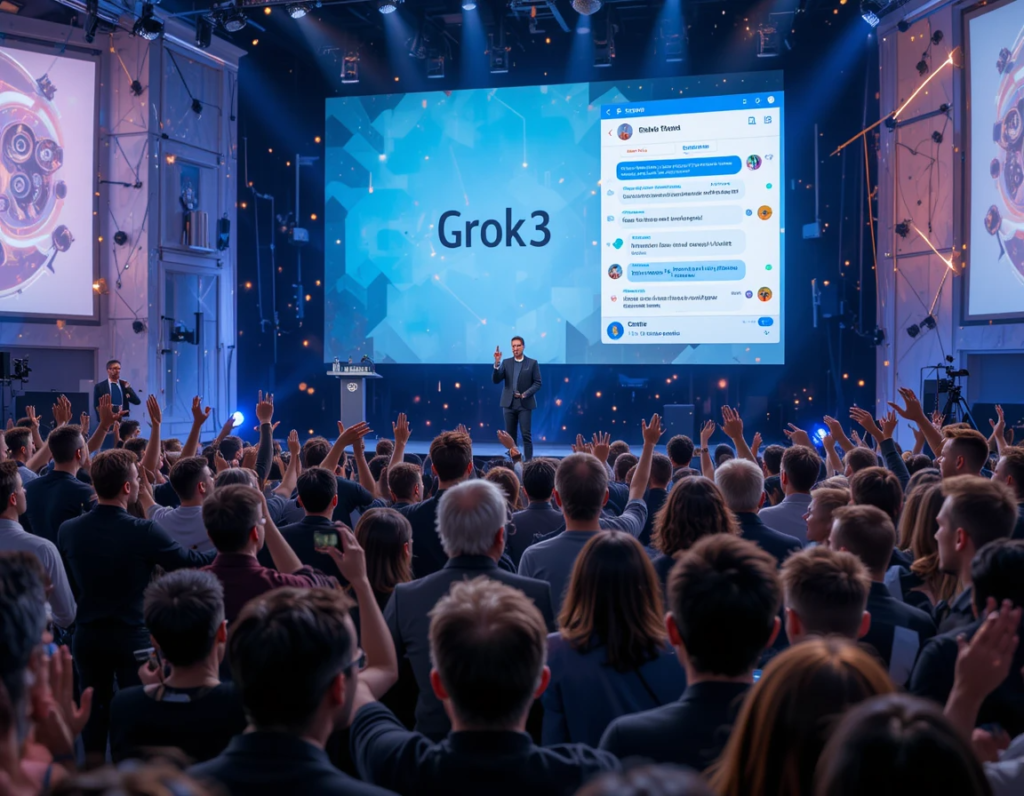
                  Elon Musk doesn’t do small—and his xAI team’s latest creation, Grok 3, proves it. Debuting this week with a live demo, Grok 3 is being hailed as a contender to dethrone OpenAI’s ChatGPT and China’s DeepSeek. Packed with advanced reasoning capabilities and powered by a massive 200,000-GPU cluster, Grok 3 promises to deliver smarter, faster answers to complex questions.

                  Available now to X Premium Plus subscribers (and soon via a standalone “SuperGrok” subscription), Grok 3 isn’t just about chat—it’s about revolutionizing how we interact with AI. From its “DeepSearch” feature to its ability to tackle math, science, and coding challenges, this model is Musk’s latest step toward artificial general intelligence (AGI).

                  Why It’s Big: If Grok 3 lives up to the hype, it could shift the balance of power in the AI chatbot race. For users, it’s a chance to experience next-level AI—assuming you’re willing to pay the premium.

                  3. Meta’s Brain-to-Text Tech: Mind-Reading AI or Privacy Nightmare?

                  Meta’s stepping into sci-fi territory with its brain-to-text AI, a system that translates thoughts into written words. Unveiled this month, this technology aims to bridge communication gaps for those with speech impairments—but it’s also igniting fierce ethical debates. How secure is your mind when AI can peek inside?

                  The implications are staggering. Imagine typing a blog post like this one just by thinking it—or hackers tapping into your unspoken secrets. Meta insists the tech is opt-in and privacy-focused, but skeptics aren’t convinced. As this innovation unfolds, expect regulators and ethicists to weigh in heavily.

                  What’s Next: This could redefine accessibility—or spark a privacy reckoning. Either way, it’s a headline you can’t ignore.

                  4. Adobe Firefly’s Text-to-Video Leap: Creativity Meets AI Power

                  Adobe’s Firefly is no longer just an image generator—it’s now a text-to-video powerhouse. Announced recently, this upgrade lets creators turn simple prompts into stunning video clips, seamlessly integrated into tools like Premiere Pro. Whether you’re a filmmaker, marketer, or hobbyist, Firefly’s AI is democratizing video production like never before.

                  Built on Adobe Stock and public domain data, Firefly’s outputs are “commercially safe,” dodging the copyright headaches plaguing other generative AI tools. It’s a direct shot at competitors like OpenAI’s Sora and Meta’s Movie Gen, intensifying the race for creative AI dominance.

                  Why You Should Care: For content creators, this is a game-changer—faster workflows, lower costs, and endless possibilities. Ready to create your own AI-powered masterpiece? Share your thoughts in the comments below!

                  5. AGI Stalls: Why Scaling Alone Won’t Cut It

                  Here’s a reality check: artificial general intelligence—AI that thinks like a human—might be further off than we thought. Experts are buzzing about a new report suggesting that simply throwing more computing power at models (think bigger GPUs, more data) isn’t delivering AGI. Instead, the focus is shifting to smarter architectures and novel approaches.

                  This pivot could slow the hype train but accelerate true innovation. Companies like xAI and OpenAI are already rethinking their strategies, hinting at a more deliberate path to AGI. For now, the dream of a fully sentient AI remains elusive—but the journey’s heating up.

                  Big Picture: This shift challenges the “bigger is better” mindset, pushing the industry toward creativity over brute force. Stay tuned for what’s next!

                  A scientist and AI interface collaborate in a high-tech lab, surrounded by data screens and molecular models, showcasing Google’s AI co-scientist in action.

                  What These Headlines Mean for You

                  The AI news of February 2025 isn’t just tech chatter—it’s a roadmap to the future. For businesses, Google’s co-scientist and Adobe’s Firefly signal massive opportunities in healthcare and creative industries. For consumers, Grok 3 and Meta’s brain-to-text tech offer tantalizing possibilities—and thorny questions. And for the dreamers, the AGI debate reminds us that the biggest breakthroughs are still ahead.

                  So, where do you fit in? Whether you’re a tech enthusiast, a professional eyeing AI tools, or just curious about the future, these developments are reshaping your world. Don’t get left behind—join the conversation and harness the power of AI today.

                  Your Next Step: Subscribe now for weekly AI insights, tips, and trends to keep you ahead of the curve. Let’s navigate this revolution together!

                  The Future Is Now: Final Thoughts

                  From drug discovery to mind-reading AI, 2025 is proving to be a pivotal year for artificial intelligence. Google, xAI, Meta, and Adobe are pushing boundaries, while the quest for AGI keeps us guessing. These headlines aren’t just stories—they’re signals of a world in transformation.

                  What’s your take? Are you excited about Grok 3’s potential, wary of Meta’s brain tech, or inspired by Adobe’s creative leap? Drop your thoughts below and let’s spark a discussion. The AI revolution is here—let’s make the most of it!

                5. Free vs. Paid AI Image Generators: Choosing the Right Tool for Your Needs

                  Free vs. Paid AI Image Generators: Choosing the Right Tool for Your Needs

                  "Split-screen comparison of a free AI-generated image (simple) vs. a premium AI-generated image (hyper-detailed)."

                  The world of AI image generation is growing fast. These tools make amazing visuals, changing how we design, market, and create content. With just a few steps, anyone can bring their ideas to life. Choosing between free and paid AI image generators can be tough.

                  Each has its good and bad sides. This article will help you understand the differences. We’ll guide you in picking the best tool for your needs.

                  Understanding Free AI Image Generators

                  Free AI image generators are a good starting point. But, they have some limits:

                  1. Limited daily usage: Many platforms limit how many images you can make each day. Some allow only 20-25 images daily
                  2. Inconsistent quality: The quality of images can vary. Some may lack detail or realism
                  3. Lack of advanced features: Free versions often have fewer customization options and no advanced editing tools
                  4. Inaccuracies and biases: AI images might have historical errors or show biases from their training data.
                  5. Difficulty with text and symbols: Many AI generators struggle to show letters, words, and symbols right. They often produce gibberish or distorted text
                  6. Ethical and legal concerns: There are debates about who owns and can use AI-generated images.
                  7. Longer rendering times: Some free platforms, like Craiyon, take longer to make images than paid ones
                  8. Ad-supported interfaces: Free versions often have ads, which can be distracting
                  9. Limited control: Users might find it hard to get the exact image they want, even with detailed prompts
                  10. Potential threat to human artists: AI image generation could hurt the jobs of professional artists

                  Popular Free AI Image Generators:

                  1. Craiyon (formerly DALL·E Mini)

                  DeepAI Image Generator

                  NightCafe

                  StarryAI

                  • Website: https://starryai.com
                  • Free tier: Free credits daily, but premium plans unlock more features.

                  Artbreeder

                  Runway ML (Free Tier)

                  Dream by Wombo

                  • Website: https://dream.ai
                  • Free tier: Completely free, but outputs may have watermarks.

                  Lexica

                  • Website: https://lexica.art
                  • Free tier: Free to generate and browse images, but limited to Stable Diffusion outputs.

                  Playground AI

                  Deep Dream Generator

                  Best Use Cases for Free Image Generators

                  Free image generators are great for many creative and business needs. Here are some top uses:

                  Content Creation & Marketing

                  1. Social Media Graphics – Make posts, stories, and banners for Instagram, Facebook, Twitter, and Pinterest.
                  2. Blog & Website Images – Get custom images for blog headers, thumbnails, and article illustrations.
                  3. YouTube Thumbnails – Design engaging video thumbnails to boost click-through rates.
                  4. Email Marketing Graphics – Add visually appealing elements to newsletters and email campaigns.
                  5. Ad Creatives – Create unique visuals for paid ads without using stock photos.

                  Design & Print-on-Demand

                  1. T-Shirt & Merch Designs – Make trendy or niche-themed designs for POD platforms like Etsy, Redbubble, and Teespring.
                  2. Stickers & Posters – Create unique art for print products.
                  3. Book Covers & eBook Art – Design covers for self-published books and digital downloads.
                  4. Logo & Branding Elements – Develop AI-assisted logos or brand visuals.
                  5. Mockups & Product Previews – Use AI-generated images to create mockups without expensive templates.

                  AI Art & Creativity

                  1. Concept Art & Inspiration – Generate character designs, landscapes, or futuristic cityscapes for inspiration.
                  2. NFT Art Creation – Develop AI-generated digital art for NFT collections.
                  3. Fantasy & Sci-Fi Illustrations – Create AI-assisted artwork for personal or commercial use.
                  4. Storytelling & Comics – Generate visual story elements or background art.
                  5. AI-Powered Remixes – Blend different styles and elements for unique artistic effects.

                  Business & Productivity

                  1. Presentation Slides & Infographics – Enhance slides with unique AI-generated visuals.
                  2. Custom Icons & UI Design – Generate unique icons for apps or web design.
                  3. Product Visualization – Prototype product designs without hiring a designer.
                  4. Virtual Backgrounds – Create personalized Zoom or streaming backgrounds.
                  5. AI-Generated Headshots & Avatars – Create digital avatars for branding, gaming, or profile pictures.

                  Education & Learning

                  1. Illustrations for Courses – Create visuals for online courses and educational materials.
                  2. AI-Assisted Diagram & Mind Maps – Make visual aids for complex concepts.
                  3. Interactive Learning Materials – Use AI-generated images for educational worksheets and games.
                  4. Custom Flashcards – Make visually engaging flashcards for studying.
                  5. Storybook & Children’s Book Art – Generate illustrations for personal or commercial book projects.

                  Would you like recommendations for specific free AI image generators that fit your needs? 🚀

                  Exploring the Advantages of Paid AI Image Generators

                  Advantages of Paid AI Image Generators

                  Paid AI image generators offer better quality and customization. They are more professional than free versions. Here’s why you might want to pay for one:

                  1. Higher Image Quality & Resolution

                  HD & 4K Resolution – Get high-resolution images for printing, digital art, and design.

                  Sharper Details & Better Textures – Say goodbye to pixelation and blurry edges. Get more accurate images.

                  2. More Customization & Control

                  Advanced Prompt Controls – Fine-tune image styles and details with more control.

                  Inpainting & Editing Features – Modify images directly, adding or removing elements.

                  Style Consistency – Keep a consistent look in all your images, important for branding.

                  3. Access to Premium AI Models & Features

                  More AI Styles & Models – Unlock exclusive styles like hyper-realistic and anime.

                  Text-to-Image + Image-to-Image – Use reference images for better results or tweak existing ones.

                  Fine-tuned AI Training – Some platforms let you train models based on your art preferences.

                  4. Faster Generation & Bulk Processing

                  Priority Processing – Get images faster without waiting in long queues.

                  Bulk Generation – Create many images at once for projects needing bulk designs.

                  Cloud Storage & History – Save and access your images anytime.

                  5. Commercial Usage & Licensing

                  Royalty-Free & Commercial Rights – Use AI images in your business legally.

                  Extended Licensing Options – Own the rights to sell or modify images without copyright worries.

                  Exclusive & Unique Outputs – Avoid duplicated images used by others.

                  6. Better Integration & Export Options

                  Multiple File Formats – Export in PNG, JPG, SVG, and PSD for editing.

                  API Access & Automation – Integrate AI image generation into apps, websites, or design workflows.

                  Seamless Integration with Design Tools – Some platforms allow direct import/export to Photoshop, Canva, or Figma.

                  Is It Worth Paying for AI Image Generators?

                  If you’re serious about print-on-demand, content creation, branding, or professional design, paid AI image tools are worth it. They save time, increase quality, and offer full commercial rights.

                  Would you like recommendations on the best paid AI image generators based on your specific use case?

                  Cost Comparison: Analyzing Pricing Models of Different AI Image Generators

                  Understanding pricing helps you choose the best option:

                  When looking at paid AI image generators, consider their pricing models, features, and if they fit your needs. Here’s a comparison of some leading platforms:

                  1. Midjourney

                  • Pricing:
                    • Basic Plan: $10/month or $96/year, includes 3.3 hours of GPU time per month (approximately 200 images).
                    • Standard Plan: $30/month.
                    • Pro Plan: $60/month.
                    • Mega Plan: $120/month.
                  • Features:
                    • High-resolution image generation.
                    • Advanced prompt controls.
                    • Community showcase.
                  • Considerations:
                    • Operates via Discord, which may have a learning curve.
                    • Images are public by default; private generations require higher-tier plans. citeturn0search3

                  2. Adobe Firefly

                  • Pricing:
                    • Free Plan: Includes 100 monthly generative credits.
                    • Paid Plans: Start at $4.99/month.
                  • Features:
                    • Integration with Adobe Creative Suite.
                    • Advanced editing tools.
                    • Unique features like camera angle adjustments.
                  • Considerations:
                    • Ideal for users already within the Adobe ecosystem.
                    • Offers a user-friendly interface with a variety of styles. citeturn0search0

                  3. DreamStudio (Stable Diffusion)

                  • Pricing:
                    • Free Credits: 100 credits upon signup (sufficient for approximately 500 images).
                    • Additional Credits: Purchase as needed.
                  • Features:
                    • Multiple image generation per prompt.
                    • Style customization.
                    • High-resolution outputs.
                  • Considerations:
                    • Requires account creation.
                    • Offers flexibility with pay-as-you-go credits. citeturn0search0

                  4. Ideogram

                  • Pricing:
                    • Free Plan: Limited to 10 daily credits.
                    • Plus Plan: $20/month, includes priority generation and up to 4,000 images monthly.
                  • Features:
                    • Specializes in text manipulation within images.
                    • Offers various image styles.
                  • Considerations:
                    • Free plan has longer loading times.
                    • Paid plan provides enhanced features and faster processing. citeturn0search4

                  5. Canva

                  • Pricing:
                    • Free Plan: Includes 50 AI image generation credits and 5GB of cloud storage.
                    • Pro Plan: $12.99/month or $119.99/year, offers unlimited access to premium features.
                  • Features:
                    • User-friendly design platform with integrated AI image generation.
                    • Extensive template library.
                    • Collaboration tools.
                  • Considerations:
                    • Ideal for social media graphics and marketing materials.
                    • AI-generated images may have limitations in realism. citeturn0search6

                  6. DeepSeek’s Janus Pro

                  • Pricing:
                    • Competitive Pricing: Aims to offer access at significantly lower costs than competitors.
                  • Features:
                    • Advanced multimodal AI capabilities.
                    • Claims superior performance to OpenAI’s DALL-E 3.
                  • Considerations:
                    • Emerging platform with growing recognition.
                    • May offer cost-effective solutions for high-quality image generation. citeturn0news9

                  When picking an AI image generator, think about what you need. Consider your budget, desired features, and how often you’ll use it. Many offer free trials or credits to test before you buy.

                  A futuristic studio where an artist and AI collaborate on a holographic canvas, blending human creativity with artificial intelligence.

                  Tips for Finding the Best Value in Paid AI Image Generators

                  Finding the best value in an AI image generator is about matching your needs and budget. Here are some tips to help you spend wisely:

                  1. Define Your Needs First

                  Before you pay, ask yourself a few questions:
                  What kind of images do you need? (e.g., photorealistic, artistic, anime, concept art, logos)
                  How often will you use it? (Daily, weekly, occasionally?)
                  What’s your main purpose? (Print-on-demand, marketing, content creation, social media, etc.)
                  Do you need commercial rights? (Some free tools limit how images can be used.)

                  2. Compare Pricing Plans Carefully

                  Look for “freemium” models – Many platforms offer free trials or limited free credits. Test them first!
                  Check for bulk discounts – Some services offer better pricing if you pay annually instead of monthly.
                  Watch for hidden costs – Some platforms charge extra for HD images, private generations, or API access.

                  Best budget-friendly plans:

                  • Canva Pro ($12.99/month) – Great for social media & marketing.
                  • DreamStudio (Stable Diffusion Pay-as-You-Go) – Flexible pricing based on use.

                  Best for frequent users:

                  • Midjourney Standard Plan ($30/month) – Ideal for content creators & designers.
                  • Adobe Firefly ($4.99/month) – Good for integration with Photoshop & Illustrator.

                  3. Prioritize Image Quality & Customization

                  Not all AI generators are the same! Some offer better detail, textures, and lighting effects than others.
                  Look for tools with advanced prompt customization.
                  Test resolution limits – Some platforms cap image size unless you upgrade.
                  Check consistency in multi-image generations – Essential for branding & storytelling.

                  Best for High-Quality Images:

                  • Midjourney (Best for artistic realism & high detail)
                  • Stable Diffusion (Customizable with fine-tuning & ControlNet options)

                  Best for Editing & Customization:

                  • Adobe Firefly (Advanced editing tools & Photoshop integration)
                  • DALL·E 3 (Inpainting & high-resolution enhancements)

                  4. Check Speed & Processing Time

                  Some AI image generators slow down when demand is high, or they queue free users behind premium ones.
                  Look for “priority generation” in premium plans if speed matters to you.
                  Test batch processing if you need multiple images at once.

                  Fastest AI Image Generators:

                  • DreamStudio (Stable Diffusion) – Generates images quickly with paid credits.
                  • DALL·E 3 via ChatGPT Plus – Faster than free versions, but output may be limited.

                  5. Make Sure It Includes Commercial & Licensing Rights

                  If you sell AI designs, like for print-on-demand or branding, you need full rights.
                  Always check the Terms of Service (TOS) before using AI art for business.
                  Stay away from platforms that keep part of your work.

                  Best for Commercial Use:

                  • Midjourney Pro Plan ($60/month) – Private generations + full commercial rights.
                  • Adobe Firefly ($4.99/month) – Royalty-free images for business.
                  • Canva Pro ($12.99/month) – Unlimited AI image use for marketing & branding.

                  6. Consider Integration & Export Options

                  If you use Photoshop or Canva, find an AI generator that works well with them.
                  Make sure it supports file formats like JPG, PNG, and PSD.
                  Look for API access for automating your workflow.

                  Best for Integration:

                  • Adobe Firefly – Direct integration with Photoshop & Illustrator.
                  • Canva AI Image Generator – Works within Canva’s design suite.
                  • DALL·E 3 – Can be used via ChatGPT for quick integrations.

                  7. Look for Community & Support

                  Join Discord servers or forums, like Midjourney’s community, to learn from others.
                  Make sure customer support is quick to help if you need it.

                  Best AI Communities for Learning & Support:

                  • Midjourney Discord – Active, with tons of prompt ideas.
                  • Stable Diffusion Reddit & GitHub – Great for tech enthusiasts.
                  • Canva Help Center – Strong customer support for designers.

                  Final Verdict: How to Get the Best Bang for Your Buck

                  For casual users – Try free plans first (DreamStudio, Canva AI, or Firefly).
                  For designers & business owners – Midjourney ($30/month) or Adobe Firefly ($4.99/month) are the best options.
                  For AI enthusiasts & power users – Use Stable Diffusion (pay-per-use) or Midjourney Pro ($60/month) for unlimited private generations.

                  Would you like recommendations based on your specific budget or use case?

                  Key Features to Consider When Choosing an AI Image Generator

                  Choosing the right AI image generator depends on your specific needs, whether you’re creating art, enhancing photos, or generating visuals for professional projects. Here are the **key features to consider** when evaluating AI image generators:

                  1. Output Quality

                  Resolution: Can the tool generate high-resolution images suitable for printing or professional use?

                  Detail and Realism: Does the output look realistic or artistic, depending on your needs?

                  Consistency: Are the results consistent with your input prompts or edits?

                  2. Ease of Use

                  User Interface: Is the platform intuitive and easy to navigate?

                  Prompt Understanding: How well does the AI interpret text prompts or editing instructions?

                  Customization Options: Can you adjust settings like style, color, or composition?

                  3. Speed and Performance

                  Processing Time: How quickly does the tool generate images?

                  Scalability: Can it handle multiple requests or large-scale projects efficiently?

                  4. Cost and Pricing Model

                  Free Tier: Does the platform offer a free version or trial?

                  Subscription Plans: Are there affordable plans for regular users?

                  Pay-Per-Use: Does the platform charge per image or credit?

                  5. Supported Styles and Use Cases

                  Artistic Styles: Can it create images in various styles (e.g., photorealistic, abstract, anime)?

                  Niche Applications: Does it support specific use cases like portraits, landscapes, or logos?

                  Editing Features: Can you refine or edit generated images within the platform?

                  6. Integration and Compatibility

                  APIs**: Does the platform offer APIs for integration into other tools or workflows?

                  File Formats**: Does it support common formats like JPEG, PNG, or SVG?

                  Cross-Platform Use**: Is it accessible on desktop, mobile, or both?

                  7. Licensing and Ownership

                  Commercial Use: Are generated images free for commercial use, or do they require additional licensing?

                  Watermarks: Does the free version include watermarks on outputs?

                  Ownership Rights: Who owns the rights to the generated images?

                  8. Community and Support

                  Tutorials and Documentation: Are there guides or resources to help you get started?

                  Community Forums: Does the platform have an active user community for tips and troubleshooting?

                  Customer Support: Is there reliable support for technical issues?

                  9. Ethical and Safety Considerations

                  Bias and Fairness**: Does the AI produce diverse and unbiased outputs?

                  Content Moderation**: Are there safeguards against generating harmful or inappropriate content?

                  Transparency**: Does the platform disclose how it uses your data or prompts?

                  10. Innovation and Updates

                  Cutting-Edge Models: Does the platform use the latest AI models (e.g., DALL·E 3, Stable Diffusion)?

                  Regular Updates: Is the tool frequently updated with new features or improvements?

                  By evaluating these features, you can choose the AI image generator that best aligns with your goals. Whether you’re a hobbyist, professional, or business user. Let me know if you’d like recommendations based on specific use cases!

                  Conclusion: Making an Informed Decision

                  Understanding the differences between free and paid AI image generators is key. Think about your needs, budget, and what features are most important to you. Try out trials or free versions to see how they work. The future of AI image generation is exciting, and picking the right tool can help you lead in your creative projects.

                6. Discover the Top 10 AI Productivity Tools of 2025

                  Discover the Top 10 AI Productivity Tools of 2025

                  Imagine boosting your productivity without the usual grind. Whether you’re a writer, marketer, or entrepreneur, the right AI tools can save hours of effort while taking work to the next level. In 2025, some standout tools for AI content creation and beyond are redefining how we work and create.

                  Here’s a list of the top 10 AI tools that deserve a spot in your workflow.


                  1. ChatGPT: Your All-in-One Writing Assistant

                  ChatGPT remains unbeatable for AI content creation in 2025. From summarizing long reports to generating blog posts, it handles a variety of tasks with ease. Think of it like having a writing partner who never runs out of ideas. Whether you’re drafting emails or brainstorming new content, it’s versatile enough to meet almost every need.

                  For a deeper dive into its capabilities, check out this post on transforming content creation with these tools.

                  Two people collaborating on a laptop and planner at a vibrant modern office desk.
                  Photo by Ivan Samkov


                  2. Runway ML: Simplifying Video Editing

                  If you’ve ever felt overwhelmed by the technicalities of video editing, Runway ML can be your best friend. It lets you generate professional-quality videos from text prompts. For social media marketers or YouTubers, this is a game-changer, making it possible to create stunning visuals without the steep learning curve.


                  3. Syllaby: Perfect for Fast Content Planning

                  When it comes to social media marketing or blogging, Syllaby helps you craft content strategies in minutes. It analyzes trends and provides tailored suggestions, ensuring your posts are always relevant. Why spend hours planning when Syllaby can do it for you?


                  4. SurferSEO: Boost Your Website Rankings

                  For SEO-focused creators, SurferSEO bridges the gap between creativity and optimization. This tool ensures your content ranks by offering keyword suggestions and helping you maintain ideal word counts. Pair it with a tool like ChatGPT, and you’re unstoppable in AI content creation.


                  5. Synthesia: Revolutionizing Video Content

                  Need to produce a high-quality video but lack the expensive equipment? Synthesia creates videos with realistic AI avatars and voices. This is particularly handy for educational content or team presentations. With its ease of use, Synthesia keeps creators ahead in the video game.


                  6. Grammarly: Elevate Writing Quality

                  Grammarly isn’t just about fixing typos anymore. In 2025, its advanced AI capabilities help rewrite clunky sentences, making your writing sharp and professional. Useful for everything from casual emails to in-depth essays, Grammarly is still the go-to tool for refining content.


                  7. Vista Social: Complete Social Media Management

                  Managing multiple social media platforms can feel like juggling flaming swords. Vista Social makes it effortless by automating scheduling, engagement, and performance tracking. Keep your brand consistent and engage your audience without breaking a sweat.


                  8. Notion AI: A Power Boost for Project Planning

                  Notion AI supercharges the already popular project management platform. It can summarize meeting notes, suggest action items, or even generate creative ideas. With Notion AI, staying organized feels natural, not forced.


                  9. MidJourney: Designing Stunning Graphics

                  Graphic design is no longer restricted to professionals. Tools like MidJourney allow anyone to create jaw-dropping images. Whether you’re crafting social media posts or website banners, MidJourney makes designing intuitive and fun.


                  10. Reclaim AI: Smarter Scheduling

                  No more endless email threads trying to pick the best time for a call. Reclaim AI analyzes your calendar to find optimal slots, ensuring your time is used effectively. For busy professionals, this is the scheduler we all needed yesterday.


                  Why Do These Tools Matter?

                  AI tools aren’t just for tech enthusiasts—they’re for anyone who craves efficiency without sacrificing creativity. Whether you want to create standout content, organize your life, or explore new ways of engaging audiences, these tools have you covered.

                  Make sure to explore more on the impact of AI on productivity and content creation.


                  Wrapping It Up

                  In 2025, AI tools are going far beyond convenience—they’re empowering creators to work smarter. Each tool on this list stands out for its ability to simplify workflows and enhance outcomes, especially for those focused on AI content creation. Which of these tools will you try next?

                7. How to Apply Data & Analytics to Your Content

                  How to Apply Data & Analytics to Your Content

                  A digital marketing dashboard displaying content performance analytics, including graphs, charts, and user engagement metrics.

                  Supercharge Your Content: A Data-Driven Approach

                  Did you know that businesses using data-driven strategies have seen a 5-10% increase in their content performance? In today’s digital landscape, understanding how data and analytics shape your content strategy is crucial. Using insights from data can lead to better engagement, higher traffic, and ultimately, more conversions. This article will guide you through leveraging data and analytics to optimize your content creation and performance.

                  Understanding Your Audience Through Data

                  Website Analytics: Unveiling User Behavior

                  Google Analytics is a powerful tool that reveals how users interact with your website. Key data points like bounce rate, average time on page, and unique visitors help you track user behavior.

                  • Bounce Rate: High rates may indicate content that doesn’t resonate with your audience.
                  • Time on Page: Longer times suggest users find value in your content.

                  Set up Google Analytics effectively to monitor metrics important for your goals. This tracking will highlight where you can improve user experience.

                  Social Media Analytics: Tracking Content Reach and Engagement

                  Each social media platform offers unique analytics tools. For instance:

                  • Facebook Insights shows post engagement.
                  • Twitter Analytics provides insights on tweet impressions.

                  Measure how your content performs on these platforms. For example, a well-known brand might analyze their successful Twitter campaign with increased retweets and engagements. This data can inform your content strategy.

                  Keyword Research Tools: Identifying Content Opportunities

                  Tools like Ahrefs, SEMrush, and Google Keyword Planner are vital for keyword research. They help you discover content gaps and opportunities in your niche.

                  • Long-Tail Keywords: Target specific queries for better results. For example, “best budget smartphones” is more targeted than just “smartphones.”

                  Utilize these tools to generate content ideas that will attract the right audience.

                  Content Performance Analysis: Measuring Success

                  Key Performance Indicators (KPIs): Defining Success Metrics

                  To measure success, focus on KPIs like:

                  • Conversion Rates: How many visitors complete desired actions?
                  • Click-Through Rates (CTR): The percentage of people who click links in your content.
                  • Shares: Indicates popularity and reach of the content.

                  Set realistic and measurable goals for tracking your content’s impact. “Content marketing is about more than just traffic; it’s about conversions.” – Content Marketing Institute.

                  A/B Testing: Optimizing for Better Results

                  A/B testing is essential for refining your content. Test:

                  • Headlines to see which attracts more clicks.
                  • Images for higher engagement.
                  • Calls to Action (CTAs) for increased conversions.

                  For example, one successful A/B test could reveal that a specific headline performs significantly better than others. Always maintain a control group to gauge true performance.

                  Computer Chip With AI Tech As Focus

                  Analyzing Content Performance Across Channels

                  Track how your content performs across platforms like your website, social media, and email newsletters. Gathering data from various sources offers a full view of your content’s effectiveness. According to research, businesses using multi-channel marketing see 300% higher ROI.

                  Content Optimization Based on Data Insights

                  Improving Content Based on User Behavior

                  User behavior data can lead to significant content revisions. For instance, if high bounce rates indicate users are leaving quickly, it’s time to refresh that content.

                  Regularly review content and adjust based on user feedback. This habit ensures your material remains relevant and engaging.

                  Refining Content Strategy with Data

                  Data insights can guide your content creation. Use past performance data to identify successful topics and formats. For instance, if videos are getting more views than blog posts, focus on video content.

                  “Adapting your content strategy based on data is crucial for long-term success.” – Industry Expert.

                  Leveraging Data for Content Promotion

                  Use insights to shape your content promotion strategies. Targeted content promotion can increase engagement.

                  For example, if analytics show a specific demographic engages with certain topics, tailor your promotions to reach that audience effectively.

                  Tools and Technologies for Data Analysis

                  Google Analytics: A Comprehensive Overview

                  Google Analytics offers features for tracking website traffic and user behavior. Key functionalities include:

                  • Real-time data tracking.
                  • Custom reports for specific metrics.

                  Utilize custom dashboards for quick insights tailored to your needs.

                  Social Media Analytics Platforms: Detailed Analysis Across Platforms

                  Many social sites provide specific analytics dashboards. Use them to integrate data for deeper insights. An example would be how a brand successfully combines Facebook and Instagram analytics to target audiences effectively.

                  Data Visualization Tools: Presenting Data Effectively

                  Tools like Tableau or Power BI help create visually appealing data representations.

                  • Use clear charts and graphs to communicate insights.
                  • Visuals make complex data accessible and understandable.

                  Presenting data effectively can drive better decisions.

                  Conclusion: Data-Driven Content for Sustainable Success

                  In summary, data and analytics are essential for optimizing content performance. Understanding your audience, measuring success, and refining strategies based on insights can lead to sustainable growth. Start analyzing your content data today and unlock its full potential!

                8. Which AI Writes the Best Valentine’s Day Message?

                  Which AI Writes the Best Valentine’s Day Message?

                  Which AI Is Up To The Challenge?

                  Finding the right words to express love on Valentine’s Day can be tricky. But with the rise of artificial intelligence, crafting the perfect message just became a little easier. This article explores different AI writing tools and how they can help you create memorable Valentine’s Day messages.

                  The Valentine’s Day Messaging Challenge

                  Valentine’s Day is about showing affection. Many people struggle to find the perfect words to make their partners feel special. A generic message just won’t cut it, and writing from scratch can be time-consuming. AI can simplify this process by generating creative and personalized messages in an instant.

                  The Rise of AI in Romance

                  AI tools are transforming how we communicate. They offer various features to make personal messaging easier and more effective. These tools can create love poems, sweet notes, or romantic letters with a few clicks. As AI technology continues to develop, it holds even more promise for the future of romantic communication.

                  Setting the Stage: This Article’s Focus

                  This article will examine some of the top AI writing tools available for crafting Valentine’s Day messages. We will dive into their strengths, weaknesses, and usage tips. By the end, you’ll have a better idea of which tool might help you best express your feelings this Valentine’s Day.

                  Top AI Writing Tools for Valentine’s Day Messages

                  Jasper: Strengths and Weaknesses

                  Jasper is powerful. It generates high-quality content and understands context well. However, it can be pricey and may require extra tweaking for a personal touch.

                  Copy.ai: Features and Use Cases

                  Copy.ai is user-friendly and offers a wide range of templates. You can find Romantic messages, playful notes, or heartfelt confessions easily. Yet, the output can sometimes feel a bit formulaic.

                  Rytr: A Budget-Friendly Option

                  Rytr is affordable and simple to use. It provides various styles and tones at a fraction of the price of competitors. The downside? It might lack some advanced features present in pricier tools.

                  Comparing Pricing and Capabilities

                  • Jasper: High-quality but pricey. Best for serious users.
                  • Copy.ai: Versatile and user-friendly. Good for casual writers.
                  • Rytr: Budget-friendly and straightforward. Ideal for anyone new to AI.

                  Crafting the Perfect Prompt for AI Valentine’s Day Messages

                  Defining Your Target Audience

                  Who are you writing for? Be clear about the relationship type. Is it a partner, crush, or friend? This helps the AI tailor the message correctly.

                  Specifying Tone and Style (Formal, Informal, Humorous)

                  Choose how you want to come across. Do you want to be romantic, funny, or sweet? The tone can change everything about the message.

                  Providing Contextual Details (Relationship Length, Shared Memories)

                  Include details like how long you’ve been together or special memories. This makes the message feel more personal and unique.

                  Analyzing AI-Generated Valentine’s Day Messages: Strengths and Weaknesses

                  Authenticity vs. Generic Content

                  One challenge with AI is striking the balance between authenticity and generic output. Some messages can feel too robotic without personal elements.

                  Emotional Impact: Measuring the Effectiveness

                  AI can generate heartfelt messages. Still, the real emotional impact often comes from personal insights and experiences. Use AI as a starting point but add your touch.

                  Examples of Successful and Unsuccessful AI Messages

                  • Successful: “I adore our late-night talks and the way you laugh. You light up my life.”
                  • Unsuccessful: “Happy Valentine’s Day. You are my favorite person. Have a nice day.” (Too bland and generic.)

                  Beyond the AI: Humanizing the Message

                  Adding a Personal Touch: Handwritten Notes and Gestures

                  Nothing beats a handwritten note. Adding that little personal detail shows you care. Consider pairing an AI-generated message with a handwritten touch.

                  Ensuring Authenticity: Proofreading and Editing

                  Always review and edit AI messages. Personalizing it ensures it feels genuine. Remove clichés and add details only you and your partner know.

                  Using AI as a Tool, Not a Replacement for Personal Expression

                  AI is a tool that can help you express yourself. However, it should never replace your unique voice and feelings. Use it to spark ideas, not to write your message entirely.

                  Conclusion: Leveraging AI for a More Romantic Valentine’s Day

                  Valentine’s Day is a chance to show your feelings. Whether you choose Jasper, Copy.ai, or Rytr, know that each tool has its strengths.

                  Key Takeaways: Choosing the Right AI Tool

                  • Select an AI that fits your budget and style.
                  • Personalize the content before sending it out.

                  The Importance of Human Interaction

                  While AI can help, remember to connect with your partner on a personal level. Authenticity and genuine emotion matter most.

                  The Future of AI in Romantic Communication

                  As AI continues to grow, it will likely play an even bigger role in romantic expression. Embrace these tools to make your Valentine’s Day special, but never forget the power of heart.