This month’s most exciting connected home releases.”
Smart home technology is changing how we live, making everyday tasks easier and more convenient. This month, several exciting products and updates have emerged, focusing on security, energy efficiency, home automation, entertainment, and health. Let’s take a look at the latest advancements in smart home tech and how they can benefit you.
Enhanced Home Security: Beyond the Smart Lock
Next-Generation Smart Doorbells with AI-Powered Features
Smart doorbells are growing in popularity. Recent studies show that over 30% of homeowners now have smart doorbells. New models feature advanced package detection, informing you when deliveries arrive. Improved facial recognition technology can identify visitors, making your home safer. Experts predict that AI will continue to enhance these devices, providing even more security features in the future.
Integrated Security Systems for Total Home Protection
Multi-device security systems are trending this month. These systems work together to protect your home from various angles. Leading providers offer unique features, like remote monitoring and instant alerts. For example, a recent incident involved a homeowner using a smart security system to thwart a potential burglary, highlighting their effectiveness in real-life scenarios.
Smart Security Cameras with Enhanced Privacy Features
New smart security cameras now come with advanced encryption and data protocols, ensuring your data stays safe. Some brands focus on user privacy, allowing you to control when recordings are made. To secure your cameras, make sure to change default passwords and regularly update the firmware to close any security gaps.
Energy Efficiency: Saving Money and the Planet
Smart Thermostats with Advanced Learning Capabilities
Smart thermostats can help you save up to 20% on your energy bills. Many now include features like geofencing and occupancy detection, adjusting the temperature based on whether you’re home. To maximize savings, set a schedule that aligns with your daily routine, allowing the thermostat to adapt while you’re away.
Smart Power Strips and Plugs for Precise Energy Management
Smart power strips let you monitor and control energy usage more effectively. Many new models allow individual control of each outlet, helping reduce energy waste. Experts believe smart energy management will become a standard practice in homes, making energy savings easier than ever.
Smart Lighting Solutions for Reduced Energy Consumption
Switching to smart lighting can save up to 75% on energy costs. Many smart bulbs now adapt to your habits, adjusting brightness based on your schedule. When selecting smart bulbs, consider those with dimming capabilities and color changes to create the perfect atmosphere at home.
Home Automation: Streamlining Daily Routines
Voice Assistants with Enhanced Capabilities
Voice assistants are getting smarter. Brands are introducing new features that improve how they respond to commands. Popular assistants can now control multiple smart devices with simple voice commands. For example, many families have integrated voice assistants into their routines for cooking, scheduling, and entertainment, saving time and effort.
Smart Home Hubs and Centralized Control Systems
Smart home hubs are essential for managing multiple devices. They unify various systems, making control easier. Comparing features and pricing can help you find the best fit for your home. Choose a hub that’s compatible with the devices you already own for a smoother experience.
Integration of Smart Appliances for Seamless Home Management
Smart appliances now work with existing ecosystems to simplify daily tasks. From refrigerators that track expiration dates to washing machines you can control remotely, integration enhances convenience. Experts believe that these appliances will continue to evolve, making home management even more effortless in the future.
Smart Entertainment: Elevating the Home Experience
Immersive Sound Systems for Enhanced Home Theater
New advancements in sound systems, such as smart speakers and soundbars, take your home theater to the next level. Technologies like Dolby Atmos create an immersive audio experience that enhances movie nights. To improve your home theater audio, consider investing in a quality soundbar that fits your space.
Smart TVs with Enhanced Features and Connectivity
Smart TV ownership continues to soar, with nearly 70% of households now including one. The latest models come equipped with voice control and enhanced streaming options. Experts predict that future smart TVs will focus more on interactivity and user experience, further enriching the viewing experience.
Health and Wellness in the Smart Home
Smart Sleep Trackers and Monitoring Devices
Recent innovations in smart sleep trackers help monitor and improve sleep quality. New devices offer personalized insights and tips to enhance your rest. To get the most from your sleep tracker, establish a consistent sleep schedule and use the device’s insights to make adjustments.
Smart Air Purifiers and Environmental Monitoring
Indoor air quality affects our health more than we realize. Studies show that poor air quality can lead to respiratory issues. New smart air purifiers now feature advanced filters and real-time monitoring capabilities. Experts stress the importance of maintaining clean indoor air, making these devices a valuable addition to any home.
Conclusion: Embracing the Future of Smart Home Living
Smart home technology continues to transform our daily lives. From enhanced security systems to energy-efficient devices, the latest advancements provide a multitude of benefits. Exploring and adopting these technologies can lead to a more efficient, comfortable, and healthy lifestyle. Embrace the future and make your home smarter today!
The world of artificial intelligence is changing fast. Chinese AI startups are coming up to challenge the old ways. Will Deepseek V3 keep up, or will China lead with new tech?
AI startups are changing the game. The big question is, what will happen to Deepseek V3 as China’s AI keeps getting better?
The AI world is getting more exciting. It’s time to look beyond Deepseek V3. Four Chinese AI startups are ready to shake things up. They bring new ideas and tech that will change the future of AI.
Key Takeaways
The chinese ai landscape is rapidly evolving with new players emerging to challenge the status quo.
Deepseek V3 is being overshadowed by 4 chinese ai startups that are poised to revolutionize the industry.
These startups are leveraging innovative approaches and groundbreaking technologies to disrupt the market.
The ai startups from china are set to dominate the ai landscape and leave a lasting impact on the industry.
The future of artificial intelligence will be shaped by chinese ai innovation and ai startups.
The rise of chinese ai will change the industry and the way we think about ai innovation.
The Shifting Landscape of Global AI Development
The world of AI is changing fast, thanks to new trends and tech. China is now a big player in AI, with many startups and research groups pushing the limits. This has led to a lot of new AI research and tech.
Because of this, the AI race is getting fiercer. Companies everywhere are trying to be the best. Here’s why:
More money going into AI research and development
New tech like machine learning and natural language processing
More need for AI solutions in different industries
Big names like Baidu, Alibaba, and Tencent are leading in China. They are making AI better and growing the field. This change could really change how we work and open up new chances for growth.
Understanding China’s AI Ecosystem
China’s AI world is a big network of companies, research places, and government plans. It has a lively startup scene. Many startups work on AI projects, like . Big names like Baidu, Alibaba, and Tencent lead the way in innovation.
The government also helps with the Made in China 2025 plan. This plan gives support and money for AI research and development.
This ecosystem focuses a lot on deep learning and machine learning. Many companies use these techs for things like computer vision and natural language processing. China’s startups are making new solutions, like smart homes and self-driving cars.
Companies use deep learning for image recognition and object detection.
Startups apply machine learning for natural language processing and text analysis.
Research places explore AI’s use in healthcare and finance.
As China keeps investing in AI, its startups will be key players. They bring new ideas and tech to the table. Their work will help China’s AI goals and will also affect the world.
China’s AI world is always changing, with new companies and tech coming up. As China keeps investing in AI, its startups will keep leading the way. They will drive growth and progress in AI.
Why These Four Chinese AI Startups Matter
The four Chinese AI startups are big names in the AI world. They are ready to shake up the global AI scene. Their new ideas and tech will challenge the big players like Deepseek V3.
These startups are all about pushing AI to new heights. They will change the industry in big ways. Their success comes from moving past Deepseek V3 and embracing new tech.
Their commitment to innovation, constantly seeking new ways to improve and expand their technologies
Their ability to leverage emerging trends and technologies, staying ahead of the curve in the rapidly evolving AI landscape
Their focus on driving growth and expansion, pushing the boundaries of what is possible with AI
As AI keeps changing, these startups will be key players. They bring new ideas and tech to the table. This will lead to a new era of AI dominance.
The First Challenger: [Startup Name] and Their Revolutionary Approach
A new player is coming into the ai innovation world. This Chinese AI startup is using ai startups to shake things up. They focus on new tech like deep learning and machine learning.
This startup’s way of doing things is new and exciting. They mix new trends and tech to grow and expand. As they grow, they will change the industry a lot. They will show us what’s possible with ai and china tech.
A focus on ai startups and their potential to drive growth and innovation
An emphasis on emerging trends and technologies, such as deep learning and machine learning
A commitment to driving ai innovation and pushing the boundaries of what is possible with china tech
This Chinese AI startup is set to change the ai world a lot. Their new approach and focus on ai startups make it an exciting time. It’s a great time for china tech and ai innovation.
Breaking New Ground: [Second Startup] and Their AI Architecture
The second challenger is a Chinese AI startup. They are making big waves with their AI architecture. They focus on building AI systems that are both scalable and efficient.
This is set to change the industry in big ways. They are all about pushing the limits of artificial intelligence through research and development.
The company is also known for using new trends like deep learning and machine learning. These technologies help them create advanced AI systems. These systems are ready to shake things up.
So, this startup is set to make a big splash in the global AI scene. Their use of new tech is changing how we see artificial intelligence.
Scalability: The startup’s AI systems are designed to be highly scalable, allowing them to handle large amounts of data and traffic.
Efficiency: The startup’s AI systems are optimized for efficiency, reducing the need for large amounts of computational power and energy.
Flexibility: The startup’s AI systems are highly flexible, allowing them to be easily integrated with other systems and technologies.
Overall, the second startup is leading the way in artificial intelligence. Their use of research and new technology is expected to have a big impact on the industry.
Move Over Deepseek V3: Four Chinese AI Startups Poised to Dominate
The AI world is changing fast, with new faces joining the game. Four Chinese AI startups are ready to take the lead. They’re using the latest tech to create new solutions that will shake things up.
So, what makes these four Chinese AI startups stand out? They can quickly make and use AI solutions. They focus on areas like healthcare and finance. And they put a lot of money into research and development. This puts them in a strong spot to beat Deepseek V3 and others.
Strong foundation in machine learning and natural language processing
Ability to develop and deploy AI solutions quickly
Focus on specific industries such as healthcare and finance
As these Chinese AI startups grow, they’ll change the industry a lot. They’ll bring new ideas and tech to the table. They’re ready to challenge the old guard and
change the face of the AI landscape forever
[Third Startup]: Redefining AI Boundaries
The Chinese AI startup, [Third Startup], is leading in ai innovation. It’s exploring new areas in AI research. The company uses deep learning and machine learning to create advanced AI systems.
In china, startups like [Third Startup] are changing the AI scene. They are growing the industry. As they grow, they will keep pushing AI’s limits.
[Third Startup] is known for using new trends and tech. It’s making AI systems that help the industry grow. The company is focused on innovation, ready to challenge the status quo.
[Third Startup] is a top ai startup in china. It shows how Chinese startups are innovating. They are making AI better and pushing its limits.
[Fourth Startup]: The Dark Horse in the Race
The fourth Chinese AI startup is making waves. It’s using ai dominance to challenge big names. The company focuses on innovation, building advanced AI systems with deep learning and machine learning.
It’s making a big impact in several areas:
Developing AI-powered solutions for healthcare and finance
Creating advanced machine learning models for predictive analytics
Exploring deep learning in computer vision and natural language processing
This startup is growing fast. It’s likely to change the industry a lot. Its unique approach to ai dominance and commitment to innovation make it a standout in deep learning and machine learning.
Impact on Global AI Competition
The rise of Chinese AI startups is changing the global AI scene. They bring new ideas and technologies to the table. This is making the established players think twice about their dominance.
China tech is now a big name in the AI world. It’s leading the way in innovation and exploring new AI possibilities.
Several factors are helping Chinese AI startups succeed. These include:
Government support and investment in AI research and development
A large pool of talented engineers and researchers
A growing demand for AI solutions in various industries
As the AI competition gets fiercer, it’s exciting to see how Chinese startups will do. One thing is clear: China’s tech impact on AI will be huge. AI research will keep shaping the industry’s future.
Investment and Growth Trajectory
The 4 Chinese AI startups are growing fast. They get a lot of money from big investors. This money helps them grow and compete with big names in the field.
These startups focus on new AI ideas. They use new trends and tech to move forward.
They get a lot of money from investors.
They focus a lot on AI innovation and research.
They use new trends and tech.
They plan to grow and be seen more around the world.
As these startups grow, they will bring new ideas to the field. They are ready to make a big difference in AI’s future.
The growth of AI startups in China shows the country’s dedication to tech and innovation. As they keep growing, they will shape AI’s future.
What This Means for the Future of AI
The rise of four Chinese AI startups is big news for AI’s future. They bring new ideas and tech to the table. This could shake up the current leaders in AI.
These startups are making waves by improving on old tech. They focus on creating smarter AI systems. These systems can do complex tasks better and faster.
Their impact on AI worldwide will be huge. They will keep pushing the limits of what AI can do. This will open up new chances and challenges for everyone.
Increased innovation and competition in the AI industry
Improved AI systems and technologies
New opportunities and challenges for businesses and individuals
In short, the rise of these Chinese AI startups is a big deal. They will help shape AI’s future. They will bring new ideas and growth to the industry.
The Road Ahead: Challenges and Opportunities
As 4 Chinese ai startups grow, they face many challenges and chances. They focus on ai innovation and use new trends and tech. China’s fast tech progress puts them in a good spot to lead in ai research.
Some big challenges they will meet include:
Intensifying competition from established players
Need for continuous ai innovation to stay ahead
Expanding into new markets and regions
But, there are huge opportunities for ai startups in China. The government supports ai research and development. This gives them access to a lot of talent and resources for growth.
To succeed in the complex ai world, these startups must stay focused and adapt. By doing this, they can use the chances and beat the challenges. This will help drive ai innovation and growth.
The future of ai is exciting and full of possibilities, and chinese ai startups are at the forefront of this revolution.
Conclusion
The four Chinese AI startups are ready to change the global AI scene. They bring new ideas, advanced tech, and fresh business models. This means they could soon be as big as Deepseek V3.
China’s growing role in AI is clear. These startups show China’s strong will to lead in artificial intelligence. They are making a big impact.
These startups show China’s dedication to a strong AI community. They support bold ideas and help entrepreneurs grow. They know the Chinese market well and are ready to use AI’s full potential.
The world will watch these Chinese AI stars closely. Their success will affect not just China but the world. They are set to write a new chapter in AI’s future.
FAQ
What makes the four Chinese AI startups contenders in the AI landscape?
The four Chinese AI startups are changing the AI world with new ideas and tech. They use deep learning and machine learning to create top AI systems. Their focus on innovation makes them big players in the AI field.
What are the key technologies and approaches being used by the Chinese AI startups?
These startups use advanced deep learning and machine learning. They also work on making AI systems better and more efficient. They explore new AI research areas, pushing AI’s limits.
How are the Chinese AI startups impacting the global AI competition?
The Chinese AI startups are making a big splash in the global AI scene. They are growing fast and challenging big names. The AI world is getting more competitive, with many companies vying for top spots.
What is the investment and growth trajectory of the Chinese AI startups?
These startups are getting a lot of investment and growing quickly. They have big plans and are ready to meet the growing AI demand. Their focus on innovation makes them great investment choices in the AI market.
What are the challenges and opportunities facing the Chinese AI startups?
The future for these startups is both challenging and full of opportunities. They face tough competition and need to find talent and scale their tech. But, they have a chance to make a big impact with AI.
The world of artificial intelligence is changing fast. Chinese AI startups are coming up to challenge the old ways. Will Deepseek V3 keep up, or will China lead with new tech?
AI startups are changing the game. The big question is, what will happen to Deepseek V3 as China’s AI keeps getting better?
The AI world is getting more exciting. It’s time to look beyond Deepseek V3. Four Chinese AI startups are ready to shake things up. They bring new ideas and tech that will change the future of AI.
Key Takeaways
The chinese ai landscape is rapidly evolving with new players emerging to challenge the status quo.
Deepseek V3 is being overshadowed by 4 chinese ai startups that are poised to revolutionize the industry.
These startups are leveraging innovative approaches and groundbreaking technologies to disrupt the market.
The ai startups from china are set to dominate the ai landscape and leave a lasting impact on the industry.
The future of artificial intelligence will be shaped by chinese ai innovation and ai startups.
The rise of chinese ai will change the industry and the way we think about ai innovation.
The Shifting Landscape of Global AI Development
The world of AI is changing fast, thanks to new trends and tech. China is now a big player in AI, with many startups and research groups pushing the limits. This has led to a lot of new AI research and tech.
Because of this, the AI race is getting fiercer. Companies everywhere are trying to be the best. Here’s why:
More money going into AI research and development
New tech like machine learning and natural language processing
More need for AI solutions in different industries
Big names like Baidu, Alibaba, and Tencent are leading in China. They are making AI better and growing the field. This change could really change how we work and open up new chances for growth.
Understanding China’s AI Ecosystem
China’s AI world is a big network of companies, research places, and government plans. It has a lively startup scene. Many startups work on AI projects, like . Big names like Baidu, Alibaba, and Tencent lead the way in innovation.
The government also helps with the Made in China 2025 plan. This plan gives support and money for AI research and development.
This ecosystem focuses a lot on deep learning and machine learning. Many companies use these techs for things like computer vision and natural language processing. China’s startups are making new solutions, like smart homes and self-driving cars.
Companies use deep learning for image recognition and object detection.
Startups apply machine learning for natural language processing and text analysis.
Research places explore AI’s use in healthcare and finance.
As China keeps investing in AI, its startups will be key players. They bring new ideas and tech to the table. Their work will help China’s AI goals and will also affect the world.
China’s AI world is always changing, with new companies and tech coming up. As China keeps investing in AI, its startups will keep leading the way. They will drive growth and progress in AI.
Why These Four Chinese AI Startups Matter
The four Chinese AI startups are big names in the AI world. They are ready to shake up the global AI scene. Their new ideas and tech will challenge the big players like Deepseek V3.
These startups are all about pushing AI to new heights. They will change the industry in big ways. Their success comes from moving past Deepseek V3 and embracing new tech.
Their commitment to innovation, constantly seeking new ways to improve and expand their technologies
Their ability to leverage emerging trends and technologies, staying ahead of the curve in the rapidly evolving AI landscape
Their focus on driving growth and expansion, pushing the boundaries of what is possible with AI
As AI keeps changing, these startups will be key players. They bring new ideas and tech to the table. This will lead to a new era of AI dominance.
The First Challenger: [Startup Name] and Their Revolutionary Approach
A new player is coming into the ai innovation world. This Chinese AI startup is using ai startups to shake things up. They focus on new tech like deep learning and machine learning.
This startup’s way of doing things is new and exciting. They mix new trends and tech to grow and expand. As they grow, they will change the industry a lot. They will show us what’s possible with ai and china tech.
A focus on ai startups and their potential to drive growth and innovation
An emphasis on emerging trends and technologies, such as deep learning and machine learning
A commitment to driving ai innovation and pushing the boundaries of what is possible with china tech
This Chinese AI startup is set to change the ai world a lot. Their new approach and focus on ai startups make it an exciting time. It’s a great time for china tech and ai innovation.
Breaking New Ground: [Second Startup] and Their AI Architecture
The second challenger is a Chinese AI startup. They are making big waves with their AI architecture. They focus on building AI systems that are both scalable and efficient.
This is set to change the industry in big ways. They are all about pushing the limits of artificial intelligence through research and development.
The company is also known for using new trends like deep learning and machine learning. These technologies help them create advanced AI systems. These systems are ready to shake things up.
So, this startup is set to make a big splash in the global AI scene. Their use of new tech is changing how we see artificial intelligence.
Scalability: The startup’s AI systems are designed to be highly scalable, allowing them to handle large amounts of data and traffic.
Efficiency: The startup’s AI systems are optimized for efficiency, reducing the need for large amounts of computational power and energy.
Flexibility: The startup’s AI systems are highly flexible, allowing them to be easily integrated with other systems and technologies.
Overall, the second startup is leading the way in artificial intelligence. Their use of research and new technology is expected to have a big impact on the industry.
Move Over Deepseek V3: Four Chinese AI Startups Poised to Dominate
The AI world is changing fast, with new faces joining the game. Four Chinese AI startups are ready to take the lead. They’re using the latest tech to create new solutions that will shake things up.
So, what makes these four Chinese AI startups stand out? They can quickly make and use AI solutions. They focus on areas like healthcare and finance. And they put a lot of money into research and development. This puts them in a strong spot to beat Deepseek V3 and others.
Strong foundation in machine learning and natural language processing
Ability to develop and deploy AI solutions quickly
Focus on specific industries such as healthcare and finance
As these Chinese AI startups grow, they’ll change the industry a lot. They’ll bring new ideas and tech to the table. They’re ready to challenge the old guard and
change the face of the AI landscape forever
[Third Startup]: Redefining AI Boundaries
The Chinese AI startup, [Third Startup], is leading in ai innovation. It’s exploring new areas in AI research. The company uses deep learning and machine learning to create advanced AI systems.
In china, startups like [Third Startup] are changing the AI scene. They are growing the industry. As they grow, they will keep pushing AI’s limits.
[Third Startup] is known for using new trends and tech. It’s making AI systems that help the industry grow. The company is focused on innovation, ready to challenge the status quo.
[Third Startup] is a top ai startup in china. It shows how Chinese startups are innovating. They are making AI better and pushing its limits.
[Fourth Startup]: The Dark Horse in the Race
The fourth Chinese AI startup is making waves. It’s using ai dominance to challenge big names. The company focuses on innovation, building advanced AI systems with deep learning and machine learning.
It’s making a big impact in several areas:
Developing AI-powered solutions for healthcare and finance
Creating advanced machine learning models for predictive analytics
Exploring deep learning in computer vision and natural language processing
This startup is growing fast. It’s likely to change the industry a lot. Its unique approach to ai dominance and commitment to innovation make it a standout in deep learning and machine learning.
Impact on Global AI Competition
The rise of Chinese AI startups is changing the global AI scene. They bring new ideas and technologies to the table. This is making the established players think twice about their dominance.
China tech is now a big name in the AI world. It’s leading the way in innovation and exploring new AI possibilities.
Several factors are helping Chinese AI startups succeed. These include:
Government support and investment in AI research and development
A large pool of talented engineers and researchers
A growing demand for AI solutions in various industries
As the AI competition gets fiercer, it’s exciting to see how Chinese startups will do. One thing is clear: China’s tech impact on AI will be huge. AI research will keep shaping the industry’s future.
Investment and Growth Trajectory
The 4 Chinese AI startups are growing fast. They get a lot of money from big investors. This money helps them grow and compete with big names in the field.
These startups focus on new AI ideas. They use new trends and tech to move forward.
They get a lot of money from investors.
They focus a lot on AI innovation and research.
They use new trends and tech.
They plan to grow and be seen more around the world.
As these startups grow, they will bring new ideas to the field. They are ready to make a big difference in AI’s future.
The growth of AI startups in China shows the country’s dedication to tech and innovation. As they keep growing, they will shape AI’s future.
What This Means for the Future of AI
The rise of four Chinese AI startups is big news for AI’s future. They bring new ideas and tech to the table. This could shake up the current leaders in AI.
These startups are making waves by improving on old tech. They focus on creating smarter AI systems. These systems can do complex tasks better and faster.
Their impact on AI worldwide will be huge. They will keep pushing the limits of what AI can do. This will open up new chances and challenges for everyone.
Increased innovation and competition in the AI industry
Improved AI systems and technologies
New opportunities and challenges for businesses and individuals
In short, the rise of these Chinese AI startups is a big deal. They will help shape AI’s future. They will bring new ideas and growth to the industry.
The Road Ahead: Challenges and Opportunities
As 4 Chinese ai startups grow, they face many challenges and chances. They focus on ai innovation and use new trends and tech. China’s fast tech progress puts them in a good spot to lead in ai research.
Some big challenges they will meet include:
Intensifying competition from established players
Need for continuous ai innovation to stay ahead
Expanding into new markets and regions
But, there are huge opportunities for ai startups in China. The government supports ai research and development. This gives them access to a lot of talent and resources for growth.
To succeed in the complex ai world, these startups must stay focused and adapt. By doing this, they can use the chances and beat the challenges. This will help drive ai innovation and growth.
The future of ai is exciting and full of possibilities, and chinese ai startups are at the forefront of this revolution.
Conclusion
The four Chinese AI startups are ready to change the global AI scene. They bring new ideas, advanced tech, and fresh business models. This means they could soon be as big as Deepseek V3.
China’s growing role in AI is clear. These startups show China’s strong will to lead in artificial intelligence. They are making a big impact.
These startups show China’s dedication to a strong AI community. They support bold ideas and help entrepreneurs grow. They know the Chinese market well and are ready to use AI’s full potential.
The world will watch these Chinese AI stars closely. Their success will affect not just China but the world. They are set to write a new chapter in AI’s future.
FAQ
What makes the four Chinese AI startups contenders in the AI landscape?
The four Chinese AI startups are changing the AI world with new ideas and tech. They use deep learning and machine learning to create top AI systems. Their focus on innovation makes them big players in the AI field.
What are the key technologies and approaches being used by the Chinese AI startups?
These startups use advanced deep learning and machine learning. They also work on making AI systems better and more efficient. They explore new AI research areas, pushing AI’s limits.
How are the Chinese AI startups impacting the global AI competition?
The Chinese AI startups are making a big splash in the global AI scene. They are growing fast and challenging big names. The AI world is getting more competitive, with many companies vying for top spots.
What is the investment and growth trajectory of the Chinese AI startups?
These startups are getting a lot of investment and growing quickly. They have big plans and are ready to meet the growing AI demand. Their focus on innovation makes them great investment choices in the AI market.
What are the challenges and opportunities facing the Chinese AI startups?
The future for these startups is both challenging and full of opportunities. They face tough competition and need to find talent and scale their tech. But, they have a chance to make a big impact with AI.
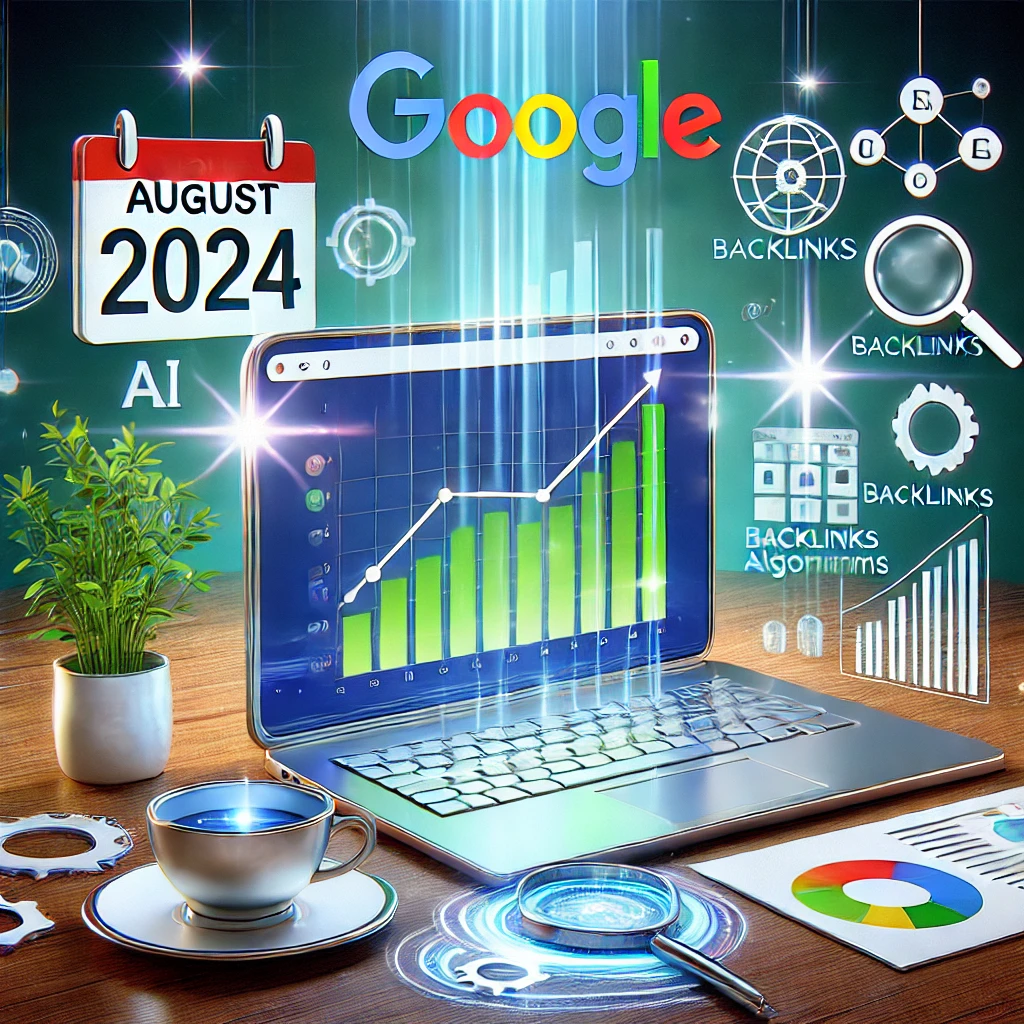
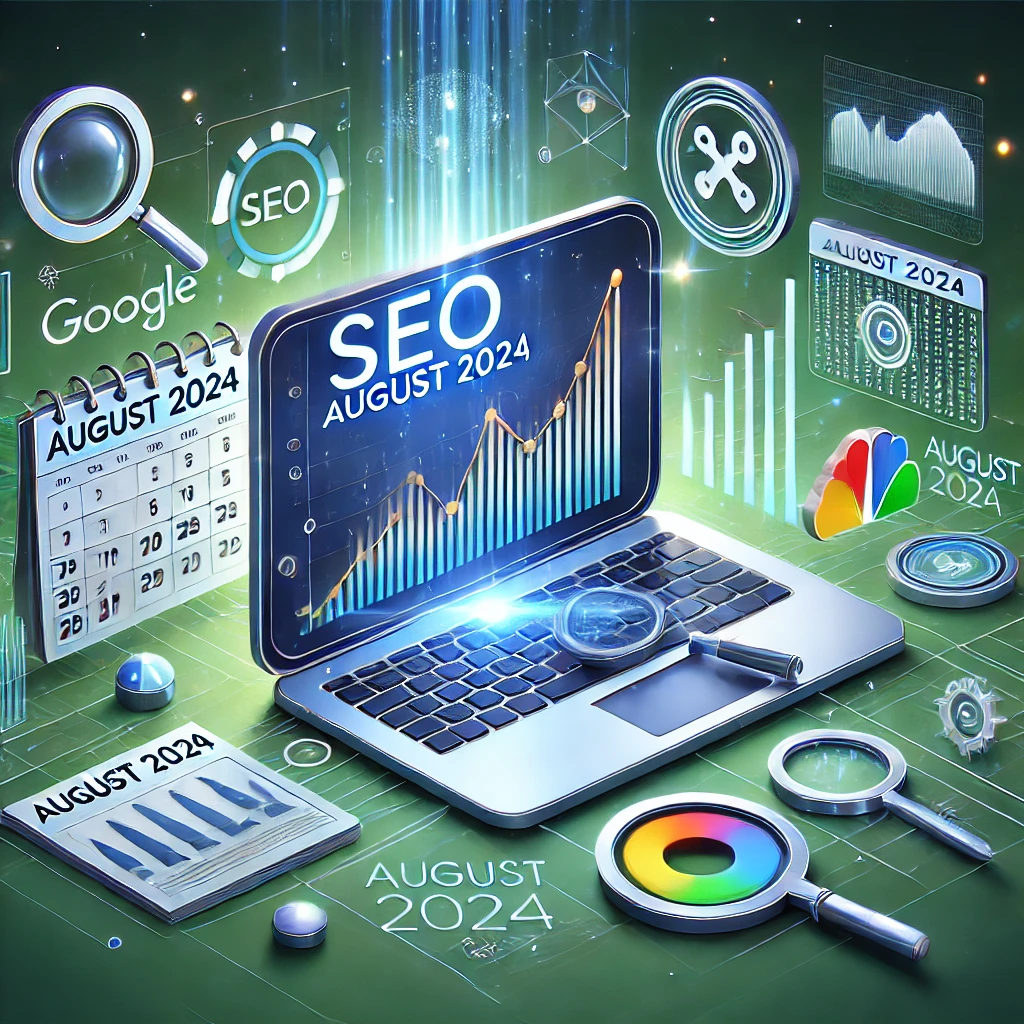
Top SEO Strategies to Survive the August 2024 Update
The digital landscape constantly shifts with Google’s algorithm updates. Websites can see drastic changes in traffic after these updates. For instance, the March 2023 update led to a 20% fluctuation in organic search traffic for many sites. Understanding and adapting to these updates is crucial for maintaining visibility online. The August 2024 update promises to bring further changes that will challenge even seasoned SEO professionals.
Key SEO strategies will be vital to survive and thrive during this update. This article outlines essential approaches including enhancing Core Web Vitals, creating high-quality content, optimizing technical SEO, building quality backlinks, and staying adaptable to future changes.
Mastering Core Web Vitals for Enhanced User Experience
Importance of Core Web Vitals: Core Web Vitals are crucial metrics that directly impact user experience and search rankings. These three metrics are:
Largest Contentful Paint (LCP): Measures loading performance. A good LCP score is under 2.5 seconds. Poor scores can lead to high bounce rates.
Cumulative Layout Shift (CLS): Measures visual stability. A CLS score should be less than 0.1 to prevent frustrating users with unexpected layout shifts.
First Input Delay (FID): Measures interactivity. Aim for an FID of less than 100 milliseconds to keep users engaged without delays.
Research shows that a positive user experience can increase conversion rates by up to 80%. Prioritizing these metrics can enhance overall satisfaction, leading to improved rankings.
Tools and Techniques for Improvement: Use tools like Google PageSpeed Insights and Lighthouse to assess Core Web Vitals. Here are steps to enhance each metric:
LCP Optimization:
Optimize images and video files.
Use a Content Delivery Network (CDN) to speed up loading times.
Minimize CLS:
Include size attributes for images and video elements.
Avoid using dynamic content that causes shifts.
Improve FID:
Reduce JavaScript execution time.
Use web workers to manage tasks.
Real-world Case Study: Consider a health blog that improved their Core Web Vitals over three months. After optimizing loading times and reducing layout shifts, they experienced a 45% increase in organic traffic, coupled with a 30% decrease in bounce rates. Improving Core Web Vitals can yield measurable results if approached systematically.
Content is King: Creating High-Quality, Engaging Content
Focus on E-E-A-T: Google places high value on E-E-A-T: Expertise, Experience, Authoritativeness, and Trustworthiness. Websites demonstrating these qualities rank better. Establish authority by showcasing credentials and expertise in your niche.
Keyword Research and Optimization: Effective keyword research is essential. Use tools like SEMrush and Ahrefs to find long-tail and semantic keywords. For example, instead of targeting “shoes,” focus on “best running shoes for flat feet.” Include keywords naturally in titles, headers, and throughout the content.
Content Promotion Strategy: Promote your content to reach wider audiences. Use social media platforms such as Facebook, Twitter, and LinkedIn to share articles. Email marketing is another powerful tool—send newsletters with links to your latest content. Outreach to relevant websites for guest posting can also expand your reach.
Technical SEO: Ensuring a Seamless Search Engine Crawl
Website Structure and Navigation: A well-structured website guides both users and search engines. Use clear categories and an intuitive menu to help visitors find information quickly.
Mobile Optimization: With over 60% of searches conducted on mobile devices, mobile-friendliness cannot be ignored. Ensure your website uses responsive design to enhance usability across devices.
Schema Markup Implementation: Incorporate schema markup to improve visibility in search results. It helps search engines understand content context, which can enhance click-through rates. Structured data can elevate your position in rich snippets.
Link Building: Earning High-Quality Backlinks
Guest Blogging and Outreach: Build authority by writing guest posts on reputable sites. This offers exposure and generates quality backlinks.
Broken Link Building: Identify broken links on other websites. Offer your relevant content as a replacement. Tools like Ahrefs can help find broken links efficiently.
Importance of Relevant and Authoritative Backlinks: Quality matters more than quantity in link building. Focus on obtaining backlinks from authoritative sites within your niche. Research shows that websites with high-quality backlinks rank better in SERPs.
Staying Ahead of the Curve: Adapting to Future Algorithm Changes
Monitoring Google’s Announcements: Stay updated on Google algorithm changes and best practices. Subscribe to industry blogs and follow experts on social media for insights.
Utilizing SEO Tools: Make use of various SEO tools to monitor performance. Google Search Console, Moz, and Screaming Frog offer valuable information on site health and areas needing improvement.
Continuous Learning and Adaptation: SEO is ever-evolving. Engage in continuous learning through online courses, webinars, and industry conferences. Adapt based on new findings and methodologies.
Conclusion To navigate the August 2024 update successfully, mastering Core Web Vitals, creating engaging content, optimizing technical elements, building quality backlinks, and staying informed are essential strategies. By implementing these approaches, you can improve your visibility and stay ahead of competitors. Take action now—review your strategies and adapt accordingly for sustained success.
Imagine expressing yourself creatively and feeling less stressed and anxious. Arttherapy with aicreativity lets you tap into your inner artist. It’s a new way to improve your mental health.
Arttherapy uses aicreativity to unlock your creative side. It helps you find new ways to express yourself and release emotions. This makes arttherapy key for keeping your mind healthy, offering a calm and peaceful feeling.
Key Takeaways
Arttherapy can help reduce stress and anxiety, promoting mentalwellness and overall well-being.
Aicreativity provides a unique and personalized experience, unlocking your inner artist and creative potential.
Arttherapy can be used as a tool for self-expression and emotional release, fostering a sense of calm and well-being.
Innovative digital art techniques can enhance the arttherapy experience, providing new ways to promote mentalwellness.
By combining arttherapy with aicreativity, individuals can discover new ways to maintain mentalwellness and promote overall well-being.
Aicreativity has the potential to transform lives, providing a healthy outlet for emotions and promoting mentalwellness.
Understanding AI Art Therapy: A Revolutionary Approach to Mental Wellness
AI art therapy is a new way to help our minds. It uses digital tools to help us relax and think creatively. This method lets people express themselves in a special way, helping them grow and feel better.
This method is used in places like hospitals and schools. It helps people deal with stress and anxiety. Using digital tools, it makes it easy for people to express their feelings in art.
Reduced stress and anxiety through creative expression
Improved mental wellness and emotional regulation
Enhanced self-awareness and personal growth
Increased access to therapeutic resources and support
AI art therapy can change lives. It helps people find themselves and heal. It makes us think creatively and feel less stressed.
The Transformative Benefits of Digital Art Creation
Creating digital art can change your life. It helps you express yourself and feel better. You can discover new things about yourself and break through creative barriers.
With digital tools, artists can make amazing things. They can explore new ideas and create inspiring art.
Some great things about digital art include:
It’s easy to start creating anywhere, anytime.
You can try new things and grow as an artist.
It connects you with others who love art, making you feel part of a community.
Starting your digital art journey can be very rewarding. You learn more about yourself and your art. It can make your life more creative and fulfilling.
Digital art is changing how artists and viewers connect. Artists can share their work worldwide. They get feedback and ideas from others, helping them grow.
How AI Tools Enhance the Therapeutic Process
Art therapy with artificial intelligence is changing how we think about mental health. It uses AI tools to help people express themselves in new ways. This lets them explore their feelings and thoughts safely.
AI in art therapy brings new chances for therapists and patients. It lets therapists create plans that really fit each person. This helps patients understand themselves better and feel their emotions more deeply.
Enhanced creative expression
Personalized treatment plans
Increased accessibility
Improved emotional regulation
AI is making art therapy better for mental health. It brings hope and healing to those who need it.
As we keep exploring AI in art therapy, we might find even more ways to help mental health. This could make therapy better and help more people.
Breaking Down Mental Barriers Through AI-Assisted Creativity
AI-assisted creativity is changing art therapy. It gives people a new way to express themselves and beat mental blocks. This method boosts confidence and self-esteem and lowers anxiety and depression.
It lets people explore their creativity and find new ways to express themselves. This is thanks to AI tools in art therapy.
AI-assisted art therapy offers a safe space for people to share their feelings. It’s great for those who find it hard to talk about their emotions. Using AI tools, people can make art that shows their inner world.
The benefits of AI in art therapy go beyond just expressing feelings. It also helps therapists understand their clients better. AI tools can spot patterns in art that show a person’s mental state.
Increased confidence and self-esteem
Reduced anxiety and depression
Improved emotional expression and understanding
Enhanced therapeutic outcomes
AI-assisted creativity helps people overcome mental barriers and reach their full potential. As art therapy grows, we’ll see more AI tools. This will lead to better mental health and a deeper understanding of ourselves.
Integrating AI Art Therapy into Mental Health Practice
Exploring AI’s role in art therapy is key. It’s about using AI in art therapy. This new method can make therapy better, giving people a special way to express themselves and heal.
AI can help mental health experts make plans just for each person. They can use AI in many ways, like:
AI-generated art prompts to spark creativity
Virtual reality to create real-like settings
Machine learning to understand art
As AI changes art therapy, we must face its challenges and chances. This way, AI art therapy can help patients more effectively and safely.
Experts say AI in art therapy can really help mental health. One expert says, “AI art therapy can help more people. It gives creative therapy to those who might not get it other ways.”
Using AI in art therapy can make mental health care better and more for everyone. As we keep looking into AI’s role in art therapy, we must focus on good innovation and care for the patient.
The Role of Machine Learning in Artistic Expression
Machine learning is changing the art world. It lets us make new and exciting art. This change has brought us ai-powered art therapy solutions.
These solutions are making art therapy better. They help people express themselves in new ways. This makes therapy more effective and fun.
The future of ai in art therapy looks bright. Machine learning helps therapists understand art better. This means they can give better treatment plans.
Some projects have already shown how great ai-powered art therapy can be. They show how machine learning can help therapy.
Enhanced creativity: Machine learning algorithms can generate new and unique art pieces, inspiring individuals to explore their creativity.
Personalized therapy: Ai-powered art therapy solutions can provide personalized treatment plans, tailored to the individual’s specific needs.
Increased accessibility: Machine learning-based art projects can make art therapy more accessible, allowing individuals to participate remotely or at their own pace.
As machine learning grows, we’ll see more cool uses of ai in art therapy. The future is bright for ai in therapy. It could change how we use art in therapy and help people’s mental health.
Personalized Creative Journeys: AI as Your Artistic Guide
AI art therapy offers a new way to express creativity. It gives personalized advice and feedback. This helps people explore their artistic side and feel better.
AI art therapy is special because it fits each person’s needs. It uses machine learning to understand your style. Then, it gives feedback to improve your skills and try new things.
AI-assisted coaching has changed many lives. It uses AI to help people grow as artists. This boosts their confidence and skills.
Personalized feedback and guidance
Adaptive learning pathways
Access to a community of artists and creatives
AI art therapy lets people reach their creative peak. It makes their artistic journey more rewarding and fun.
Measuring Success: The Impact on Mental Well-being
To see if AI art therapy works, we need to check its effect on mental health. A creativemindset is key. It lets people express themselves freely and explore their artistic side. By looking at how AI art therapy changes things, people can find what works best for them.
Some important things to look at include:
How much people take part in AI art therapy sessions
How much better they feel mentally and less stressed
How their artistic skills and creativemindset grow
By watching these things, people can really understand how AI art therapy helps their mental health. As AI art therapy grows, it’s important to keep measuring and checking. This way, we make sure it’s helping people find stress relief and express themselves creatively.
The success of AI art therapy depends on its ability to spark creativity, encourage artistic expression, and help with stress relief. By focusing on measuring and checking, we can make the most of this new way. It will help improve mental health for people everywhere.
Future Developments in AI Art Therapy Technology
Technology and wellbeing are growing fast. AI art therapy is set to be a big part of this growth. It will help people find themselves and be more creative.
New trends and tools are coming. AI will help artists understand their work better. This will show them more about their feelings and thoughts.
AI art therapy will soon reach more people. It will be easier to use at home. This is great for those who can’t get to art therapy easily.
Some AI art therapy programs are already working well. They use AI and human help together. This makes art therapy better and more effective.
Increased accessibility and reach
Personalized feedback and analysis
Integration with human guidance and support
By using new AI art therapy, we can do more. We can find ourselves, be creative, and feel better. This is good for our minds and health.
Expert Insights: The Professional Perspective on AI in Art Therapy
Art therapists are now using ai art therapy to help their patients. This new tool lets them create personalized plans for each person. It makes therapy more accessible and effective.
Experts say ai art therapy could change how we do art therapy. Machine learning helps therapists understand patient artwork better. This leads to better treatment plans for the patient.
Increased accessibility: ai art therapy can reach patients who may not have had access to traditional art therapy
Personalized treatment: ai art therapy can provide personalized treatment plans tailored to each patient’s needs
Improved outcomes: ai art therapy has been shown to improve patient outcomes, including reduced symptoms of anxiety and depression
As ai art therapy grows, we’ll see new ways to use it. It has the power to help more people and make therapy better. This is a big step forward in art therapy.
By harnessing the power of ai art therapy, we can provide more effective and personalized treatment plans for our patients, leading to better outcomes and improved mental health.
Conclusion: Embracing the Digital Canvas for Mental Health
The digital canvas is changing how we think about mental health. AI art therapy is making it easier to find peace through art. It lets people express themselves in new ways.
AI tools in art therapy are making a big difference. They help art therapists give better care. This makes therapy more personal and effective.
We’re entering a new time in mental health care. Art and technology are coming together. This opens up new ways to heal and grow.
Imagine expressing yourself creatively and feeling less stressed and anxious. Arttherapy with aicreativity lets you tap into your inner artist. It’s a new way to improve your mental health.
Arttherapy uses aicreativity to unlock your creative side. It helps you find new ways to express yourself and release emotions. This makes arttherapy key for keeping your mind healthy, offering a calm and peaceful feeling.
Key Takeaways
Arttherapy can help reduce stress and anxiety, promoting mentalwellness and overall well-being.
Aicreativity provides a unique and personalized experience, unlocking your inner artist and creative potential.
Arttherapy can be used as a tool for self-expression and emotional release, fostering a sense of calm and well-being.
Innovative digital art techniques can enhance the arttherapy experience, providing new ways to promote mentalwellness.
By combining arttherapy with aicreativity, individuals can discover new ways to maintain mentalwellness and promote overall well-being.
Aicreativity has the potential to transform lives, providing a healthy outlet for emotions and promoting mentalwellness.
Understanding AI Art Therapy: A Revolutionary Approach to Mental Wellness
AI art therapy is a new way to help our minds. It uses digital tools to help us relax and think creatively. This method lets people express themselves in a special way, helping them grow and feel better.
This method is used in places like hospitals and schools. It helps people deal with stress and anxiety. Using digital tools, it makes it easy for people to express their feelings in art.
Reduced stress and anxiety through creative expression
Improved mental wellness and emotional regulation
Enhanced self-awareness and personal growth
Increased access to therapeutic resources and support
AI art therapy can change lives. It helps people find themselves and heal. It makes us think creatively and feel less stressed.
The Transformative Benefits of Digital Art Creation
Creating digital art can change your life. It helps you express yourself and feel better. You can discover new things about yourself and break through creative barriers.
With digital tools, artists can make amazing things. They can explore new ideas and create inspiring art.
Some great things about digital art include:
It’s easy to start creating anywhere, anytime.
You can try new things and grow as an artist.
It connects you with others who love art, making you feel part of a community.
Starting your digital art journey can be very rewarding. You learn more about yourself and your art. It can make your life more creative and fulfilling.
Digital art is changing how artists and viewers connect. Artists can share their work worldwide. They get feedback and ideas from others, helping them grow.
How AI Tools Enhance the Therapeutic Process
Art therapy with artificial intelligence is changing how we think about mental health. It uses AI tools to help people express themselves in new ways. This lets them explore their feelings and thoughts safely.
AI in art therapy brings new chances for therapists and patients. It lets therapists create plans that really fit each person. This helps patients understand themselves better and feel their emotions more deeply.
Enhanced creative expression
Personalized treatment plans
Increased accessibility
Improved emotional regulation
AI is making art therapy better for mental health. It brings hope and healing to those who need it.
As we keep exploring AI in art therapy, we might find even more ways to help mental health. This could make therapy better and help more people.
Breaking Down Mental Barriers Through AI-Assisted Creativity
AI-assisted creativity is changing art therapy. It gives people a new way to express themselves and beat mental blocks. This method boosts confidence and self-esteem and lowers anxiety and depression.
It lets people explore their creativity and find new ways to express themselves. This is thanks to AI tools in art therapy.
AI-assisted art therapy offers a safe space for people to share their feelings. It’s great for those who find it hard to talk about their emotions. Using AI tools, people can make art that shows their inner world.
The benefits of AI in art therapy go beyond just expressing feelings. It also helps therapists understand their clients better. AI tools can spot patterns in art that show a person’s mental state.
Increased confidence and self-esteem
Reduced anxiety and depression
Improved emotional expression and understanding
Enhanced therapeutic outcomes
AI-assisted creativity helps people overcome mental barriers and reach their full potential. As art therapy grows, we’ll see more AI tools. This will lead to better mental health and a deeper understanding of ourselves.
Integrating AI Art Therapy into Mental Health Practice
Exploring AI’s role in art therapy is key. It’s about using AI in art therapy. This new method can make therapy better, giving people a special way to express themselves and heal.
AI can help mental health experts make plans just for each person. They can use AI in many ways, like:
AI-generated art prompts to spark creativity
Virtual reality to create real-like settings
Machine learning to understand art
As AI changes art therapy, we must face its challenges and chances. This way, AI art therapy can help patients more effectively and safely.
Experts say AI in art therapy can really help mental health. One expert says, “AI art therapy can help more people. It gives creative therapy to those who might not get it other ways.”
Using AI in art therapy can make mental health care better and more for everyone. As we keep looking into AI’s role in art therapy, we must focus on good innovation and care for the patient.
The Role of Machine Learning in Artistic Expression
Machine learning is changing the art world. It lets us make new and exciting art. This change has brought us ai-powered art therapy solutions.
These solutions are making art therapy better. They help people express themselves in new ways. This makes therapy more effective and fun.
The future of ai in art therapy looks bright. Machine learning helps therapists understand art better. This means they can give better treatment plans.
Some projects have already shown how great ai-powered art therapy can be. They show how machine learning can help therapy.
Enhanced creativity: Machine learning algorithms can generate new and unique art pieces, inspiring individuals to explore their creativity.
Personalized therapy: Ai-powered art therapy solutions can provide personalized treatment plans, tailored to the individual’s specific needs.
Increased accessibility: Machine learning-based art projects can make art therapy more accessible, allowing individuals to participate remotely or at their own pace.
As machine learning grows, we’ll see more cool uses of ai in art therapy. The future is bright for ai in therapy. It could change how we use art in therapy and help people’s mental health.
Personalized Creative Journeys: AI as Your Artistic Guide
AI art therapy offers a new way to express creativity. It gives personalized advice and feedback. This helps people explore their artistic side and feel better.
AI art therapy is special because it fits each person’s needs. It uses machine learning to understand your style. Then, it gives feedback to improve your skills and try new things.
AI-assisted coaching has changed many lives. It uses AI to help people grow as artists. This boosts their confidence and skills.
Personalized feedback and guidance
Adaptive learning pathways
Access to a community of artists and creatives
AI art therapy lets people reach their creative peak. It makes their artistic journey more rewarding and fun.
Measuring Success: The Impact on Mental Well-being
To see if AI art therapy works, we need to check its effect on mental health. A creativemindset is key. It lets people express themselves freely and explore their artistic side. By looking at how AI art therapy changes things, people can find what works best for them.
Some important things to look at include:
How much people take part in AI art therapy sessions
How much better they feel mentally and less stressed
How their artistic skills and creativemindset grow
By watching these things, people can really understand how AI art therapy helps their mental health. As AI art therapy grows, it’s important to keep measuring and checking. This way, we make sure it’s helping people find stress relief and express themselves creatively.
The success of AI art therapy depends on its ability to spark creativity, encourage artistic expression, and help with stress relief. By focusing on measuring and checking, we can make the most of this new way. It will help improve mental health for people everywhere.
Future Developments in AI Art Therapy Technology
Technology and wellbeing are growing fast. AI art therapy is set to be a big part of this growth. It will help people find themselves and be more creative.
New trends and tools are coming. AI will help artists understand their work better. This will show them more about their feelings and thoughts.
AI art therapy will soon reach more people. It will be easier to use at home. This is great for those who can’t get to art therapy easily.
Some AI art therapy programs are already working well. They use AI and human help together. This makes art therapy better and more effective.
Increased accessibility and reach
Personalized feedback and analysis
Integration with human guidance and support
By using new AI art therapy, we can do more. We can find ourselves, be creative, and feel better. This is good for our minds and health.
Expert Insights: The Professional Perspective on AI in Art Therapy
Art therapists are now using ai art therapy to help their patients. This new tool lets them create personalized plans for each person. It makes therapy more accessible and effective.
Experts say ai art therapy could change how we do art therapy. Machine learning helps therapists understand patient artwork better. This leads to better treatment plans for the patient.
Increased accessibility: ai art therapy can reach patients who may not have had access to traditional art therapy
Personalized treatment: ai art therapy can provide personalized treatment plans tailored to each patient’s needs
Improved outcomes: ai art therapy has been shown to improve patient outcomes, including reduced symptoms of anxiety and depression
As ai art therapy grows, we’ll see new ways to use it. It has the power to help more people and make therapy better. This is a big step forward in art therapy.
By harnessing the power of ai art therapy, we can provide more effective and personalized treatment plans for our patients, leading to better outcomes and improved mental health.
Conclusion: Embracing the Digital Canvas for Mental Health
The digital canvas is changing how we think about mental health. AI art therapy is making it easier to find peace through art. It lets people express themselves in new ways.
AI tools in art therapy are making a big difference. They help art therapists give better care. This makes therapy more personal and effective.
We’re entering a new time in mental health care. Art and technology are coming together. This opens up new ways to heal and grow.
The digital realm has transformed countless industries, and art is no exception. With the rise of artificial intelligence (AI), the question arises: can machines genuinely create art? This exploration delves into the world of AI-generated creations, spotlighting significant changes in how we perceive artistry.
The Blurring Lines Between Human and Machine Creativity
As AI technology advances, the boundary between human and machine creativity becomes less distinct. Traditional notions of art focused on the human touch, emotion, and experience. However, AI can mimic these qualities. Today, artworks generated by algorithms can evoke real feelings and provoke thought. This evolution challenges long-held beliefs about what constitutes art.
The Rise of AI Art Generators and Their Impact on the Art World
AI art generators have surged in popularity. Tools like DALL-E and Midjourney allow users to create visually stunning pieces with simple prompts. These generators rely on extensive datasets of images to learn styles, techniques, and themes, producing unique outputs.
Not only are these creations captivating, but they also raise questions regarding authenticity and value in the art world. As more artists embrace these technologies, art forms are diversifying and reshaping established standards.
Setting the Stage: Defining Art and Creativity
To appreciate AI-generated art, it’s essential to explore definitions of art and creativity. Art has often been associated with human intent and emotional expression. Creativity involves generating new ideas, whether through traditional methods or innovative means. By expanding this definition, we can embrace the artistic contributions of AI.
Understanding AI Art Generation Techniques
AI art generation employs various techniques, each contributing to its potential. Here are some key methods:
Generative Adversarial Networks (GANs): The Power of Competition
GANs consist of two neural networks—one generating images and the other critiquing them. This competitive process fosters continual improvement, yielding increasingly sophisticated creations.
Deep Learning Models: Training Algorithms on Vast Datasets
Deep learning algorithms analyze extensive collections of images and styles. They identify patterns, textures, and forms, allowing AI to generate original pieces that mimic different artistic styles.
Evolutionary Algorithms: Adapting and Refining Artistic Styles
Similar to natural selection, evolutionary algorithms evolve artworks over time. These algorithms generate variations, gradually refining them based on user feedback or set criteria.
Analyzing the Artistic Merit of AI Creations
Evaluating AI-generated art involves several factors, including aesthetics, human input, and legal considerations.
Assessing Aesthetics: Beauty, Emotion, and Impact
Just like traditional art, AI creations can be judged by beauty, emotional resonance, and impact. Viewers often respond to these pieces similarly to human-made art, highlighting their aesthetic value.
The Role of Human Input: Prompt Engineering and Artistic Direction
While AI does much of the heavy lifting, human input remains crucial. Prompt engineering—crafting effective prompts—guides the AI in creating desired outcomes. The artist’s vision shapes the final product, allowing collaboration between human and machine.
Copyright and Ownership: Navigating Legal Grey Areas
Legal issues arise with AI-generated art. Who owns the rights? The user, the AI developer, or neither? This gray area presents challenges for artists and the art world, demanding new frameworks to address these concerns.
The Impact of AI on the Art World and Society
AI’s influence extends beyond individual artworks. It alters how we think about creativity and art itself.
AI as a Tool for Artists: Expanding Creative Possibilities
Artists are finding new ways to incorporate AI into their practices. It acts as an assistant, providing fresh perspectives, ideas, and inspiration. This collaboration opens communities to explore uncharted territories in art.
The Future of Art Education: Integrating AI into Curricula
As digital art grows, educational institutions must adapt. Integrating AI into art curricula teaches future artists to use these tools efficiently, blending traditional techniques with modern technology.
The Ethical Considerations: Bias, Representation, and Authenticity
AI is not without its flaws. Data bias can lead to misrepresentation in art. Understanding these ethical concerns is vital to ensuring AI promotes diversity and authenticity rather than perpetuating stereotypes.
Famous Examples of AI Art and Their Significance
Several noteworthy examples highlight the capabilities of AI in art creation.
Specific Examples of AI-Generated Artworks
Portrait of Edmond de Belamy: Created by Obvious, this piece sold for over $432,000 at auction, showcasing the commercial viability of AI art.
The Next Rembrandt: This project utilized machine learning to recreate a compelling piece mimicking Rembrandt’s style, bridging historical and modern art forms.
Analysis of their reception and impact on the art community
These examples received mixed reactions. Some applaud the innovation, while others argue it diminishes human creativity. Regardless, they spark dialogue about art’s future.
Discussion of the artists (human and AI) involved
The interplay between human and AI artists fosters a new creative ecosystem. Traditional artists and tech developers collaborate, creating pioneering works that redefine artistic boundaries.
Conclusion: A Future Shaped by Human-AI Collaboration
AI’s role in art creation is undeniable. As technology advances, artists and machines can work in tandem, enriching the art world with fresh ideas and perspectives.
Key Takeaways: The evolving role of AI in art creation
AI is not replacing artists; it’s enhancing creativity. By embracing new tools, artists can push boundaries and explore new realms of expression.
Call to action: Further exploration and engagement with AI art
Engage with AI art by exploring different platforms, participating in discussions, and considering its implications. The future of art is a joint endeavor, inviting creativity from both machines and humans.
The world of art is changing fast, thanks to AI art generators. These tools are transforming how we create, experience, and think about art. From stunning visuals to imaginative concepts, AI is pushing the boundaries of creativity.
AI art refers to artwork produced with the help of artificial intelligence technologies. This can include images, paintings, music, and even text-based art. It comes in many forms, powered by various algorithms and techniques. Understanding AI art is vital in today’s digital world, where technology meets imagination.
Understanding the Technology Behind AI Art
Generative Adversarial Networks (GANs)
One primary technology behind AI art is Generative Adversarial Networks, or GANs. These networks work by having two components: a generator and a discriminator.
Generator: Creates images based on random noise or existing sample data.
Discriminator: Evaluates images and determines whether they are real or generated.
This back-and-forth process improves the quality of the generated art over time, leading to stunning results.
Diffusion Models
Diffusion models are another innovative approach in AI art generation. They start with random noise and gradually refine it into coherent images through multiple iterations.
Process: The model learns patterns from training data and applies them to create art.
Outcome: This method can produce high-quality images, making it a favorite among creators.
Other AI Art Techniques
AI art also includes other techniques, such as neural style transfer, which applies the style of one image to the content of another. Despite their strengths, these methods have limitations, including biases in training data and a lack of creative intent.
Popular AI Art Generators: A Comparative Look
Midjourney
Midjourney offers an accessible platform for users to create art with ease. Its features include:
User-friendly interface.
Community-driven support.
However, it may lack advanced customization options compared to others.
DALL-E 2
DALL-E 2, developed by OpenAI, is known for its impressive capabilities. It can generate unique images based on textual prompts. Key points include:
High-quality image output.
Ability to understand complex prompts.
Its limitations involve restrictions on explicit content and bulk generation.
Stable Diffusion
Stable Diffusion has gained popularity for its open-source nature. This allows for:
Community contributions.
Versatile applications.
Its uniqueness lies in its accessibility, appealing to both amateurs and professionals.
Ethical Considerations and the Future of AI Art
Copyright and Ownership Issues
As AI art grows, so do questions about copyright. Who owns AI-generated art? The original artists whose works trained the AI? The developers of the AI? Clear guidelines are still needed.
Impact on Human Artists
AI art also influences human creativity. While some artists embrace AI as a tool, others fear it may replace traditional methods. This raises questions about the role of human touch in artistic expression.
Societal Implications
The development of AI art may reshape societal norms around creativity. As more creators use AI, discussions about authenticity and originality become increasingly relevant.
Mastering the Art of AI Art Prompts
Crafting Effective Prompts
When using AI art generators, writing effective prompts is crucial. Clear and descriptive language helps the AI understand your vision better. Experiment with different styles and contexts to see varied results.
Using Keywords and Negative Prompts
Incorporating specific keywords can guide the AI to produce desired outcomes. Negative prompts help define what you don’t want, refining the results further.
Experimentation and Iteration
Iterate on your prompts. AI art thrives on experimentation. Test variations until you achieve the results you wish for.
AI Art: Applications and Beyond
AI Art in Commercial Applications
AI art finds applications in marketing and design. Businesses use it to create eye-catching visuals quickly, saving time and resources.
AI Art in Creative Fields
Movies and music also benefit from AI-generated content. For instance, filmmakers experiment with visuals that blend real and virtual elements. Musicians use AI to compose unique soundscapes.
Shaping Future Artistic Expressions
AI is shaping new ways to express art. As more tools become available, the future of creativity may involve a collaboration between humans and machines.
Conclusion: Embracing the AI Art Revolution
AI art presents incredible possibilities but also challenges. Key takeaways include the importance of understanding the technology and its implications for the art world. As we navigate this new space, engagement with AI art can spark creativity and innovation.
Explore AI art generators and try creating your own pieces. Discover the power of combining human creativity with artificial intelligence. The future of art is here, and it’s an exciting time to be a part of the revolution!
Keyword research is a cornerstone of SEO success. Studies show that 70% of marketers say keyword research has a significant impact on their overall content strategy. Yet, manual keyword research can be tedious and time-consuming. This is where AI-powered keyword research tools come into play, offering a smarter approach to finding the right keywords.
Understanding AI’s Role in Keyword Selection
How AI Algorithms Analyze Search Data
AI tools can sift through mountains of data from search engines, social media, and other online platforms. They quickly analyze trends, search volumes, and user behavior to identify the keywords that matter most. This eliminates the guesswork that often comes with manual research.
Benefits of Using AI for Keyword Research
The efficiency and accuracy of AI tools streamline the keyword research process. According to recent data, businesses that effectively research keywords can see up to a 200% increase in organic traffic. AI tools provide insights that manual research often overlooks. These insights help you target the right audience.
Limitations of AI in Keyword Research
While AI can offer valuable data, it has limitations. It may lack the nuanced understanding of context that a human has. This is why combining AI insights with human expertise is crucial in creating a cohesive keyword strategy.
Top AI-Powered Keyword Research Tools
Ahrefs
Ahrefs is a favorite among SEO professionals. It offers features like keyword tracking, competitive analysis, and backlink monitoring. Pricing starts at $99 per month. Many marketers have successfully used Ahrefs to boost their visibility. As SEO expert Neil Patel states, “Ahrefs is the best tool for analyzing your competition.”
SEMrush
SEMrush is another powerful tool that provides a range of features like keyword suggestions, SEO audits, and PPC analytics. Prices begin at $119.95 per month. For example, a brand increased its organic traffic by 150% after implementing SEMrush insights. According to marketing consultant Krista Neher, “SEMrush helps you find keywords your competitors are ranking for.”
SurferSEO
SurferSEO focuses on content optimization alongside keyword analysis. It suggests keywords based on current top-ranking pages. The pricing is competitive, starting at $59 per month. Users have reported significant improvements in content ranking after using SurferSEO. Expert Brian Dean claims, “SurferSEO connects the dots between keyword research and on-page optimization.”
Beyond Keyword Suggestions: AI’s Deeper Insights
Identifying Keyword Intent
AI tools excel at figuring out what users really want when they search. They can determine if a keyword is informational, transactional, or navigational. This understanding helps you create content that directly meets user needs.
Competitive Keyword Analysis
Analyzing competitor keywords can provide valuable insights. AI tools allow you to explore which keywords your competitors rank for and how they achieve their success. Use this information to inform your strategy by choosing keywords that fill gaps in your own content.
Content Optimization Suggestions
AI tools also suggest relevant keywords for improving existing content. They analyze keyword density and placement, helping you optimize for the terms that matter most. This ensures that your content remains relevant and boosts SEO effectiveness.
Choosing the Right AI Keyword Tool for Your Needs
Factors to Consider
When selecting an AI keyword tool, think about:
Budget: How much can you invest?
Features: What capabilities do you need?
Ease of use: Will you be able to navigate it easily?
Integration: Can it work with your other tools?
Free vs. Paid Tools
There are free tools that can do basic keyword research, but paid ones provide a wealth of features. Free tools may lack depth, while paid options offer detailed analysis and insights.
Trial Periods and Free Plans
Always take advantage of trial periods. Testing different tools helps you understand what fits best with your strategy before committing to a subscription.
Integrating AI Keyword Research into Your SEO Strategy
Developing a Keyword Strategy
Start by identifying your target audience. Use insights from AI tools to find keywords that resonate with them. Create a comprehensive plan that incorporates these findings.
Monitoring and Refining Keywords
Track the performance of your keywords over time. Adjustment is key; what works today may not work next month. Regular reviews of keyword performance are crucial for staying ahead.
Combining AI with Human Expertise
AI provides great insights, but human judgment is essential. Blend AI data with your experience to make strategic decisions that drive results.
Conclusion:
Using AI for keyword research offers speed and depth that manual methods can’t match. Pairing these tools with human insight creates a robust keyword strategy. Start with one actionable tip: begin using AI tools today to identify your next high-impact keyword.
Imagine having a personal ai agent to help you manage info and automate tasks. This would make your life easier and more efficient. With AI getting better fast, making a virtual assistant is now possible.
OpenAI’s “deep research” feature is a big deal, even though it’s only for ChatGPT Pro users now. It could change how we get to complex info. Soon, it will be available in more packages, like ChatGPT Plus and Team.
So, can you make a virtual assistant that learns and adapts to you? What tools and tech do you need to build such an ai agent?
Starting to make your own ai assistant is exciting. You’ll learn about tools, techniques, and best practices for making smart chatbots. AI can automate tasks like data analysis and info search.
This makes AI a must-have for both work and personal life. Your goal is to make a chatbot that gets and answers your questions. This will make your life simpler and more efficient.
Key Takeaways
Building a personal ai agent needs a deep understanding of AI, machine learning, and natural language processing.
OpenAI’s “deep research” feature could change how we get to complex info.
Creating a virtual assistant can automate tasks and make life easier and more efficient.
Essential tools and technologies are needed to build an ai agent, like AI reasoning models and natural language processing techniques.
Continuous adjustments based on user feedback are key to improving your ai assistant’s quality and abilities.
Using a no-code platform can speed up making personalized apps.
Understanding AI Agents and Their Capabilities
AI agents are software programs that use artificial intelligence. They do tasks that need human smarts, like understanding language and making choices. They get better with machine learning, learning from data and improving over time.
Some key things AI agents can do include:
Learning from data and getting better over time
Understanding and making language that sounds like humans
Seeing and making sense of images and other data
Deciding and acting based on the data they have
Using ai agent tech with other tools is getting more common. Many groups use AI agents to automate tasks and help customers. By 2025, they will get even better at tasks like understanding language.
As AI agents get smarter, we’ll see new uses for them. This includes machine learning-based chatbots and artificial intelligence-driven decision systems.
Essential Tools and Technologies for AI Development
Building AI needs many tools and technologies. This includes programming languages like Python and Java. Also, software development kits (SDKs) like TensorFlow and PyTorch are key. Knowing these tools is crucial for creating and using AI models.
Python is a favorite for AI work because it’s easy and flexible. TensorFlow is a top choice for making and training machine learning models.
In an ai tutorial, you can discover the main tools and technologies for AI. This includes programming languages and software development kits. OpenAI’s “deep research” feature uses its new o3 reasoning model. It helps with complex tasks in finance, science, policy, and engineering.
Some important tools and technologies for AI are:
Programming languages such as Python and Java
Software development kits (SDKs) such as TensorFlow and PyTorch
Machine learning models and algorithms
Cloud computing platforms such as AWS, Google Cloud, and Microsoft Azure
Using these tools can make AI development faster. Businesses can cut model development time by up to 80%. They can also see a 20-30% boost in efficiency.
Companies can also speed up AI app deployment by up to 75%. This is thanks to containerization technologies.
Preparing Your Development Environment
To start with ai development, you need to get your environment ready. This means setting up your system and installing key libraries and frameworks. You also need to make sure your environment is good for machine learning and natural language processing.
For example, you must install NLTK and spaCy for natural language processing. You can do this with the command `pip install crewai crewai-tools uv. Also, you’ll need a model like `cortecs/phi-4-FP8-Dynamic` for your ai development.
Here are some important steps to get your environment ready:
Install necessary libraries and frameworks
Provision a suitable model
Manage dependencies, including `crewai[tools]>=0.100.1,=0.1.0`
By doing these steps, you’ll be ready to start your ai development, machine learning, and natural language processing projects.
Fundamentals of Natural Language Processing
Natural language processing is a part of AI that helps computers talk to humans in their own language. It’s key to making AI models that can understand and create human language. This means programming and software development to make algorithms that can handle and analyze human language.
Some big uses of natural language processing are language translation, feeling analysis, and text summary. These uses can change many fields like healthcare, finance, and customer service. For instance, it can help analyze patient data for better treatment or improve customer service by understanding feedback.
To get into natural language processing, you need to know the basics and how it works in real life. This means studying what experts do and looking at online resources and tutorials. By learning more about natural language processing, developers can make AI that talks to humans more naturally.
Some important skills for natural language processing are:
* Programming skills in languages like Python or Java
* Software development skills, including machine learning experience
* A deep understanding of natural language processing concepts
* The ability to work with big data and analyze it
Create Your Own AI Agent: A Step-by-Step Guide
To create your own ai agent, you must design a software program. It should do tasks that need human smarts. You’ll decide its purpose, how it works, and how users interact with it. AI tools help you build ai assistant for many tasks.
The steps to ai agent creation include designing, building, and deploying. Tools like OpenAI’s “deep research” feature can help. It’s first for ChatGPT Pro users, offering advanced research tools.
Here are the main steps to create your own ai agent:
Determine the purpose and functionality of your AI agent
Design the user interface and user experience
Choose the right AI development tools and technologies
Build and deploy your AI agent
By following these steps, you can build ai assistant for many tasks. This boosts your productivity. AI agents are getting more popular. With the right tools, you can create your own ai agent for your needs.
Selecting the Right Machine Learning Models
Machine learning is key for AI agents to learn and get better. An ai tutorial helps developers learn about different models. These include supervised, unsupervised, and reinforcement learning models.
Going the diy ai route gives developers more control. But picking the right model is crucial for the AI to do its job well.
When choosing a model, think about the data, task complexity, and accuracy needed. The right model helps AI agents learn and improve. This leads to better performance over time.
Supervised learning models, which are suitable for tasks such as image classification and natural language processing
Unsupervised learning models, which are useful for tasks such as clustering and dimensionality reduction
Reinforcement learning models, which are ideal for tasks that involve decision-making and optimization
Understanding and choosing the right machine learning model is important. It helps developers make AI systems that learn and get better over time.
Training Your AI Assistant
Training your AI assistant is key to making it work well. You need to give it data and tweak its settings for better performance. The aim is to have an assistant that gets smarter over time, thanks to machine learning models.
Getting a big and varied dataset is important for training ai. This lets the assistant learn from many examples and get more accurate. For example, AI helped with the Beatles’ song “Now and Then,” showing AI’s creative power.
Here are some tips for training ai:
Use top-notch and relevant data
Adjust settings for the best results
Keep checking and boosting the assistant’s skills
By sticking to these tips and using smart machine learning models, you can make an ai assistant that keeps getting better. It will help a lot in different tasks and areas.
Implementing Conversational Capabilities
Adding conversational skills to your AI agent is key for a smooth user experience. It means making interfaces that get and answer human talk. This uses methods like intent recognition and feeling analysis. A conversational ai model can team up with a chatbot for a more personal touch.
A virtual assistant can get better at knowing what users like over time. This happens by using learning algorithms and natural language tech. Some cool things a conversational ai can do include:
Intent recognition: figuring out what the user really wants
Sentiment analysis: seeing how the user feels and reacting right
Contextual understanding: keeping track of what’s going on in a chat
With these skills, your AI agent can talk to people in a way that feels natural. This makes users happier and more likely to come back.
Building the User Interface
Building the user interface for your AI agent is key. Ui design makes it easy and friendly for users. It’s important to know how to design a good user interface.
For example, a simple design helps users understand things easily. This makes the AI work better with people.
The ai development user interface should change with new information. This is done by adding memory to the AI. This way, it remembers what happened before and makes things better for the user.
Some important things to think about when making the user interface are:
Creating a simple and consistent design language
Incorporating memory to maintain context across interactions
Using modular nodes to fulfill specific roles in workflow creation
Integrating external tools for real-time updates and dynamic data management
By focusing on these, you can make a user interface that is easy to use and works well. Using ui design and user interface best practices is crucial. It helps your AI agent work well with humans, which is vital in ai development.
Security Measures and Privacy Considerations
Building an AI agent means we must think about ai security and privacy considerations. We need to protect user data and stop unauthorized access. It’s key to know the best ways to keep AI safe and trustworthy.
Encrypting data and using secure login methods are crucial. Also, machine learning models must be made with safety in mind. OpenAI’s “deep research” feature is first for ChatGPT Pro users. They plan to let more people use it, showing how important safe AI access is.
Some important steps for security are:
Implementing encryption for data protection
Using secure authentication protocols
Designing machine learning models with security in mind
By focusing on ai security and privacy considerations, we can make AI agents that work well and are safe. This makes the user experience better and keeps important info safe.
Testing and Quality Assurance
Testing and quality assurance are key in ai development. They make sure AI agents work well and accurately. The Beatles’ song “Now and Then” shows AI’s power in creative fields. It’s vital to know about testing and quality assurance for your AI.
Testing involves using tools and manual checks to ensure AI quality. This includes:
Automated testing tools to find bugs
Manual testing to check AI performance
CI/CD pipelines for smooth deployment
Quality assurance means checking AI model performance and improving it. This includes looking at metrics like accuracy and recall. By focusing on testing and quality assurance, developers make AI agents reliable and effective.
Deployment and Hosting Options
When choosing deployment and hosting for your AI agent, think about a few things. You want your AI to be easy to use and accessible. The right hosting and deployment are key to this.
Cloud services like AWS or Google Cloud are great for hosting AI models. They offer the needed infrastructure.
Important things to consider include:
Scalability: The ability to scale up or down to meet changing demands.
Security: Ensuring the security and integrity of the AI agent and its data.
Cost: Balancing the costs of deployment and hosting with the benefits of the AI agent.
In ai development, how you deploy and host is crucial. The right plan makes AI agents efficient, secure, and affordable. As AI grows, we’ll see new hosting options like edge computing or hybrid clouds.
Monitoring and Maintenance Strategies
Effective monitoring and maintenance are key for AI agents’ long-term success. As AI grows, it’s vital to have strategies for keeping AI agents reliable and accurate. This means using tools to watch AI model performance and find ways to get better.
In AI development, monitoring and maintenance mean watching AI models and making changes when needed. This includes updating models, tweaking settings, and making sure AI agents follow rules. By focusing on monitoring and maintenance, developers can make AI agents that are not just good but also safe and open.
Implementing logging and analytics tools to track AI model performance
Regularly updating AI models with new data and fine-tuning parameters
Establishing guidelines and protocols for AI agent operation
By using these strategies, developers can make sure their AI agents work their best. They will give accurate and reliable results, helping AI grow and improve.
Scaling Your AI Assistant
As you work on your AI assistant, scaling is key. It means making your AI handle more users and tasks. This is important for AI to do things that humans do at a big scale. To do this, you need to know how to scale AI well. This includes using distributed computing and parallel processing.
Companies like OpenAI are finding ways to grow their AI models. They have features like “deep research” for personal research help. By using machine learning and ai development, you can make AI that gets better with time. For example, tools like Roo Code and Cursor help developers write code faster.
Some important things to think about when scaling your AI assistant include:
Using distributed computing and parallel processing to grow capacity
Applying machine learning to boost performance and accuracy
Connecting with other services to add more features
Making sure data is safe and private
By following these tips and using the latest in ai development and machine learning, you can make a powerful AI assistant. It can handle tough tasks and give users useful insights. As you grow your AI, you’ll open up new ways to use it. This could be anything from automating tasks to giving personalized advice.
Integration with External Services
Connecting your AI assistant to other systems is key to making it better. This lets your AI talk to other services smoothly. APIs and data exchange protocols help share info between systems.
AI agents can work with services like Airtable for better data management. This lets AI agents update records fast and make smart choices. It makes them more useful and quick.
Integrating AI agents with services brings many benefits. Here are a few:
More features and abilities
Work faster and more efficiently
Grow and change easily
As AI gets better, we’ll see new ways to use it. For example, AI in customer support and project management will make things better. AI agents can solve big problems, showing how flexible and smart they are.
Unleashing the Future of Personal AI Assistance
Artificial intelligence (AI) is getting better and better. This means our personal AI helpers will change how we live and work. They will do routine tasks, help us more, and meet our personal needs.
Agentic AI is very exciting for keeping things safe. It can find and fix problems fast. This makes our digital world safer and more efficient.
New tech like heterophilic hypergraph learning will make AI even better. Soon, AI will see threats, act fast, and fix problems on its own. This will change how we keep apps safe.
But, we must think about the ethics of AI. We need to keep our data safe and understand how AI works. We must trust AI to use it wisely.