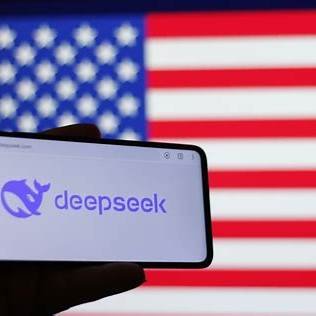
DeepSeek is a chatbot developed by a Chinese company named DeepSeek. A chatbot is a computer program designed to simulate conversation with human users, especially over the internet. DeepSeek uses advanced artificial intelligence (AI) to answer questions and engage in discussions with users. It became very popular because it could provide information quickly and interactively.
Why Are Countries Banning DeepSeek?
Several countries have decided to ban DeepSeek, especially on government devices. The primary reason is concern over data security and privacy. Authorities worry that the app might collect sensitive information and share it with external entities without permission. For instance, Texas became the first U.S. state to ban DeepSeek from government devices, citing security concerns.
Data Privacy: Experts have found that DeepSeek has significant security flaws, especially in its iOS version. These flaws could allow unauthorized access to user data, leading to potential data breaches. cincodias.elpais.com
National Security: There are fears that the app could be used for espionage or to gather sensitive information from government officials. This concern has led to bans not only in the U.S. but also in countries like Australia and South Korea. aljazeera.com
Global Response
The reaction to DeepSeek has been swift and widespread:
Australia: The Australian government has banned DeepSeek from all government systems and devices due to national security concerns. news.com.au
South Korea: South Korea’s government has also blocked DeepSeek on official devices, following similar actions by other countries. apnews.com
Italy: Italy’s data protection authority has ordered DeepSeek to block its chatbot in the country after the company failed to address privacy concerns. reuters.com
What Does This Mean for Users?
If you’re using DeepSeek, it’s essential to be aware of these concerns. While the app offers innovative features, the potential risks associated with data privacy and security cannot be ignored. It’s advisable to stay informed about the app’s status in your country and to follow any guidelines or recommendations issued by authorities.
Conclusion
The bans on DeepSeek highlight the importance of data security and privacy in today’s digital age. As technology continues to evolve, it’s crucial for both developers and users to prioritize the protection of personal and sensitive information. Staying informed and cautious can help ensure that we enjoy the benefits of technology without compromising our security.
Is Your AI Chatbot Spying on You? A Privacy Comparison of DeepSeek, OpenAI, Google Gemini, and Claude
Introduction
In today’s AI-driven world, chatbots have become a part of our daily lives. From OpenAI’s ChatGPT to Google Gemini and Anthropic’s Claude, AI-powered tools assist with everything from research to customer service. But have you ever stopped to wonder how these AI models handle your private conversations?
A recent review of DeepSeek’s privacy policy raises serious concerns about data collection, storage, and government access. Compared to OpenAI, Google, and Anthropic, how does DeepSeek stack up? Which AI model offers the best privacy protections? Let’s dive in.
1. DeepSeek’s Privacy Policy: A Deep Dive
DeepSeek is a rising Chinese AI startup, but its privacy policy contains multiple red flags.
📌 What DeepSeek Collects:
Personal Data: Username, email, phone number, IP address, device ID, location data.
User Input: Every message, prompt, file upload, and chat history is stored.
Technical Information: Device model, keystroke patterns, cookies, and browsing activity.
Third-Party Data: DeepSeek partners with advertisers and analytics firms.
📌 Where is Your Data Stored?
DeepSeek stores all user data in China, which has strict data laws allowing government access.
The policy does not confirm whether user interactions are used for AI training, but states user input is reviewed, raising concerns about long-term storage and usage.
📌 Who Has Access to Your Data?
Advertising and Business Partners: Your data is shared for targeted advertising.
Law Enforcement & Government Agencies: DeepSeek can hand over user data if requested.
Corporate Transactions: If DeepSeek merges or is acquired, your data may be transferred.
🚨 Biggest Privacy Concern:Data stored in China could be subject to government surveillance, and DeepSeek does not give users full control over data deletion.
2. How Does DeepSeek Compare to OpenAI, Google, and Claude?
Each AI company has a different approach to privacy. Here’s how DeepSeek compares to ChatGPT, Google Gemini, and Claude.
AI Platform
Data Collection
AI Training
Data Storage
Third-Party Sharing
User Control
DeepSeek
Extensive (IP, keystrokes, chat history, cookies)
Unclear, but likely
China (subject to gov. access)
Shared with advertisers, business partners, and law enforcement
Limited deletion options
OpenAI (ChatGPT)
Collects user input for model improvement unless opted out
API data is excluded from training
Stored on U.S. servers
Shared with law enforcement when required
Users can request deletions
Google Gemini
Logs chat data, device details, and location (if enabled)
Used for AI refinement
Stored globally
Shares with Google services and law enforcement
Users can delete history, but not guaranteed
Anthropic Claude
Minimal data collection, no ad tracking
Does NOT use chats for AI training
Stored in U.S. servers
No ad sharing or external tracking
Users can fully delete conversations
🔍 Key Takeaways
✅ Claude (Anthropic) is the most privacy-friendly AI – it doesn’t use conversations for AI training and allows full data deletion. ⚠️ OpenAI (ChatGPT) and Google Gemini are moderate – they collect data but offer some user controls. 🚨 DeepSeek is the least private AI – it collects extensive user data, shares it widely, and stores it in China.
3. Why Does AI Privacy Matter?
Many people don’t realize how much data AI chatbots collect or where that data goes. Here are three major risks:
🔴 Risk #1: Data Used for AI Training Without Consent
Some AI models use real user input to improve responses, but what if your personal conversations are used? This raises ethical concerns about data ownership.
🔴 Risk #2: AI Privacy & Government Access
DeepSeek’s data is stored in China, meaning it could be subject to government surveillance.
Google, OpenAI, and Anthropic are headquartered in the U.S., which has different data privacy laws.
🔴 Risk #3: Data Breaches & AI Security Threats
If AI companies store user data indefinitely, that data could be hacked.
Example: If DeepSeek’s servers were hacked, millions of user conversations could be exposed.
Solution? AI platforms should store less data and offer full user control over deletion.
4. Which AI Platform Protects Your Privacy the Best?
If privacy is your top concern, here’s how to choose the safest AI platform:
Best for Privacy
AI Platform
🔥 Best overall privacy
Claude (Anthropic) – no tracking, full chat deletion, no AI training on user data.
⚖️ Balanced privacy & functionality
ChatGPT (OpenAI) – user input can be excluded from training, data deletion possible.
🚨 Worst privacy
DeepSeek – invasive tracking, broad data sharing, stored in China.
✅ Recommendation: Use Claude (Anthropic) or OpenAI (ChatGPT with privacy settings enabled) for the best privacy protection.
5. How to Protect Your Privacy While Using AI
Regardless of which AI you use, follow these steps:
1️⃣ Use privacy settings: Turn off chat history in ChatGPT, Google Gemini, or Claude. 2️⃣ Avoid linking accounts: Don’t log in with Google, Apple, or Facebook. 3️⃣ Limit what you share: Never input sensitive data (passwords, financial details, medical info). 4️⃣ Choose AI models carefully: Avoid DeepSeek or any AI storing data indefinitely. 5️⃣ Check AI privacy policies regularly: Companies change policies often – stay informed.
Conclusion
AI chatbots are powerful tools, but not all platforms prioritize user privacy.
DeepSeek is the most invasive, collecting extensive data and storing it in China.
OpenAI and Google offer some protections but still collect input data.
Anthropic’s Claude is the most privacy-friendly AI with no AI training on chats and full deletion options.
🚀 Final Tip: If privacy is a concern, choose Claude, adjust OpenAI settings, and avoid DeepSeek
This month’s most exciting connected home releases.”
Smart home technology is changing how we live, making everyday tasks easier and more convenient. This month, several exciting products and updates have emerged, focusing on security, energy efficiency, home automation, entertainment, and health. Let’s take a look at the latest advancements in smart home tech and how they can benefit you.
Enhanced Home Security: Beyond the Smart Lock
Next-Generation Smart Doorbells with AI-Powered Features
Smart doorbells are growing in popularity. Recent studies show that over 30% of homeowners now have smart doorbells. New models feature advanced package detection, informing you when deliveries arrive. Improved facial recognition technology can identify visitors, making your home safer. Experts predict that AI will continue to enhance these devices, providing even more security features in the future.
Integrated Security Systems for Total Home Protection
Multi-device security systems are trending this month. These systems work together to protect your home from various angles. Leading providers offer unique features, like remote monitoring and instant alerts. For example, a recent incident involved a homeowner using a smart security system to thwart a potential burglary, highlighting their effectiveness in real-life scenarios.
Smart Security Cameras with Enhanced Privacy Features
New smart security cameras now come with advanced encryption and data protocols, ensuring your data stays safe. Some brands focus on user privacy, allowing you to control when recordings are made. To secure your cameras, make sure to change default passwords and regularly update the firmware to close any security gaps.
Energy Efficiency: Saving Money and the Planet
Smart Thermostats with Advanced Learning Capabilities
Smart thermostats can help you save up to 20% on your energy bills. Many now include features like geofencing and occupancy detection, adjusting the temperature based on whether you’re home. To maximize savings, set a schedule that aligns with your daily routine, allowing the thermostat to adapt while you’re away.
Smart Power Strips and Plugs for Precise Energy Management
Smart power strips let you monitor and control energy usage more effectively. Many new models allow individual control of each outlet, helping reduce energy waste. Experts believe smart energy management will become a standard practice in homes, making energy savings easier than ever.
Smart Lighting Solutions for Reduced Energy Consumption
Switching to smart lighting can save up to 75% on energy costs. Many smart bulbs now adapt to your habits, adjusting brightness based on your schedule. When selecting smart bulbs, consider those with dimming capabilities and color changes to create the perfect atmosphere at home.
Home Automation: Streamlining Daily Routines
Voice Assistants with Enhanced Capabilities
Voice assistants are getting smarter. Brands are introducing new features that improve how they respond to commands. Popular assistants can now control multiple smart devices with simple voice commands. For example, many families have integrated voice assistants into their routines for cooking, scheduling, and entertainment, saving time and effort.
Smart Home Hubs and Centralized Control Systems
Smart home hubs are essential for managing multiple devices. They unify various systems, making control easier. Comparing features and pricing can help you find the best fit for your home. Choose a hub that’s compatible with the devices you already own for a smoother experience.
Integration of Smart Appliances for Seamless Home Management
Smart appliances now work with existing ecosystems to simplify daily tasks. From refrigerators that track expiration dates to washing machines you can control remotely, integration enhances convenience. Experts believe that these appliances will continue to evolve, making home management even more effortless in the future.
Smart Entertainment: Elevating the Home Experience
Immersive Sound Systems for Enhanced Home Theater
New advancements in sound systems, such as smart speakers and soundbars, take your home theater to the next level. Technologies like Dolby Atmos create an immersive audio experience that enhances movie nights. To improve your home theater audio, consider investing in a quality soundbar that fits your space.
Smart TVs with Enhanced Features and Connectivity
Smart TV ownership continues to soar, with nearly 70% of households now including one. The latest models come equipped with voice control and enhanced streaming options. Experts predict that future smart TVs will focus more on interactivity and user experience, further enriching the viewing experience.
Health and Wellness in the Smart Home
Smart Sleep Trackers and Monitoring Devices
Recent innovations in smart sleep trackers help monitor and improve sleep quality. New devices offer personalized insights and tips to enhance your rest. To get the most from your sleep tracker, establish a consistent sleep schedule and use the device’s insights to make adjustments.
Smart Air Purifiers and Environmental Monitoring
Indoor air quality affects our health more than we realize. Studies show that poor air quality can lead to respiratory issues. New smart air purifiers now feature advanced filters and real-time monitoring capabilities. Experts stress the importance of maintaining clean indoor air, making these devices a valuable addition to any home.
Conclusion: Embracing the Future of Smart Home Living
Smart home technology continues to transform our daily lives. From enhanced security systems to energy-efficient devices, the latest advancements provide a multitude of benefits. Exploring and adopting these technologies can lead to a more efficient, comfortable, and healthy lifestyle. Embrace the future and make your home smarter today!
Top SEO Strategies to Survive the August 2024 Update
The digital landscape constantly shifts with Google’s algorithm updates. Websites can see drastic changes in traffic after these updates. For instance, the March 2023 update led to a 20% fluctuation in organic search traffic for many sites. Understanding and adapting to these updates is crucial for maintaining visibility online. The August 2024 update promises to bring further changes that will challenge even seasoned SEO professionals.
Key SEO strategies will be vital to survive and thrive during this update. This article outlines essential approaches including enhancing Core Web Vitals, creating high-quality content, optimizing technical SEO, building quality backlinks, and staying adaptable to future changes.
Mastering Core Web Vitals for Enhanced User Experience
Importance of Core Web Vitals: Core Web Vitals are crucial metrics that directly impact user experience and search rankings. These three metrics are:
Largest Contentful Paint (LCP): Measures loading performance. A good LCP score is under 2.5 seconds. Poor scores can lead to high bounce rates.
Cumulative Layout Shift (CLS): Measures visual stability. A CLS score should be less than 0.1 to prevent frustrating users with unexpected layout shifts.
First Input Delay (FID): Measures interactivity. Aim for an FID of less than 100 milliseconds to keep users engaged without delays.
Research shows that a positive user experience can increase conversion rates by up to 80%. Prioritizing these metrics can enhance overall satisfaction, leading to improved rankings.
Tools and Techniques for Improvement: Use tools like Google PageSpeed Insights and Lighthouse to assess Core Web Vitals. Here are steps to enhance each metric:
LCP Optimization:
Optimize images and video files.
Use a Content Delivery Network (CDN) to speed up loading times.
Minimize CLS:
Include size attributes for images and video elements.
Avoid using dynamic content that causes shifts.
Improve FID:
Reduce JavaScript execution time.
Use web workers to manage tasks.
Real-world Case Study: Consider a health blog that improved their Core Web Vitals over three months. After optimizing loading times and reducing layout shifts, they experienced a 45% increase in organic traffic, coupled with a 30% decrease in bounce rates. Improving Core Web Vitals can yield measurable results if approached systematically.
Content is King: Creating High-Quality, Engaging Content
Focus on E-E-A-T: Google places high value on E-E-A-T: Expertise, Experience, Authoritativeness, and Trustworthiness. Websites demonstrating these qualities rank better. Establish authority by showcasing credentials and expertise in your niche.
Keyword Research and Optimization: Effective keyword research is essential. Use tools like SEMrush and Ahrefs to find long-tail and semantic keywords. For example, instead of targeting “shoes,” focus on “best running shoes for flat feet.” Include keywords naturally in titles, headers, and throughout the content.
Content Promotion Strategy: Promote your content to reach wider audiences. Use social media platforms such as Facebook, Twitter, and LinkedIn to share articles. Email marketing is another powerful tool—send newsletters with links to your latest content. Outreach to relevant websites for guest posting can also expand your reach.
Technical SEO: Ensuring a Seamless Search Engine Crawl
Website Structure and Navigation: A well-structured website guides both users and search engines. Use clear categories and an intuitive menu to help visitors find information quickly.
Mobile Optimization: With over 60% of searches conducted on mobile devices, mobile-friendliness cannot be ignored. Ensure your website uses responsive design to enhance usability across devices.
Schema Markup Implementation: Incorporate schema markup to improve visibility in search results. It helps search engines understand content context, which can enhance click-through rates. Structured data can elevate your position in rich snippets.
Link Building: Earning High-Quality Backlinks
Guest Blogging and Outreach: Build authority by writing guest posts on reputable sites. This offers exposure and generates quality backlinks.
Broken Link Building: Identify broken links on other websites. Offer your relevant content as a replacement. Tools like Ahrefs can help find broken links efficiently.
Importance of Relevant and Authoritative Backlinks: Quality matters more than quantity in link building. Focus on obtaining backlinks from authoritative sites within your niche. Research shows that websites with high-quality backlinks rank better in SERPs.
Staying Ahead of the Curve: Adapting to Future Algorithm Changes
Monitoring Google’s Announcements: Stay updated on Google algorithm changes and best practices. Subscribe to industry blogs and follow experts on social media for insights.
Utilizing SEO Tools: Make use of various SEO tools to monitor performance. Google Search Console, Moz, and Screaming Frog offer valuable information on site health and areas needing improvement.
Continuous Learning and Adaptation: SEO is ever-evolving. Engage in continuous learning through online courses, webinars, and industry conferences. Adapt based on new findings and methodologies.
Conclusion To navigate the August 2024 update successfully, mastering Core Web Vitals, creating engaging content, optimizing technical elements, building quality backlinks, and staying informed are essential strategies. By implementing these approaches, you can improve your visibility and stay ahead of competitors. Take action now—review your strategies and adapt accordingly for sustained success.
Back in 2018, Google faced massive employee protests over its involvement in Project Maven, a Pentagon initiative that used AI to analyze drone footage. The backlash led the company to adopt strict AI principles, including a vow to avoid AI applications in weapons or surveillance that violate human rights norms 1911.
Fast-forward to 2025: Google has erased those red lines. The updated AI Principles now focus on “benefits outweighing risks” and “responsible development” without explicitly banning military or surveillance uses 3713. Gone is the section titled “AI applications we will not pursue”—a clause that once reassured critics Google wouldn’t cross ethical boundaries.
Key Changes in Google’s AI Playbook Here’s what’s driving the shift:
National Security Over Idealism: Google’s leadership argues democracies must lead AI development to counter authoritarian regimes. Demis Hassabis (head of Google DeepMind) and James Manyika (SVP of research) stress collaboration with governments to “protect people and support national security” 1911.
Market Pressures: With rivals like Microsoft and Amazon already partnering with defense agencies, Google risks falling behind. Alphabet’s stock dip and rising competition from low-cost Chinese AI startups like DeepSeek add urgency 111.
Flexibility Over Rules: The new guidelines prioritize vague terms like “rigorous safeguards” and “human oversight” instead of hard prohibitions. Critics warn this leaves room for ethically murky projects 313.
Why the Backlash? The update has reignited concerns from employees and ethicists:
Transparency Gap: Without clear bans, how will Google ensure its AI isn’t weaponized? Former Google researcher Margaret Mitchell called the removal “erasing years of ethical AI work” 13.
Surveillance Risks: The original principles barred AI for mass surveillance. Now, critics fear tools like facial recognition could be misused by governments 19.
Employee Dissent: In 2018, 3,000+ employees protested Project Maven. Will history repeat? Google hasn’t announced new military contracts yet, but the door is open 111.
The Bigger Picture: AI’s Geopolitical Arms Race Google isn’t alone. Microsoft supplies AR combat goggles to the U.S. Army, Amazon powers Pentagon cloud systems, and OpenAI’s “Operator” tool automates military tasks 111. The U.S. government’s push for AI dominance, coupled with relaxed regulations under the Trump administration, has turned Silicon Valley into a battleground for defense contracts 911.
But as Stuart Russell, a leading AI ethicist, warns: “Autonomous weapons could destabilize global security.” Without international oversight, Google’s pivot might fuel an unchecked AI arms race 1.
What’s Next for Google—and Us? Google insists it’ll uphold ethics through “human oversight” and safety benchmarks 26. Yet the absence of explicit bans leaves its intentions open to interpretation. Will the company double down on defense deals to outpace rivals? Or will employee activism force another U-turn?
For now, the message is clear: AI’s role in society is evolving, and so are the rules. Whether that’s a step forward or a dangerous misstep depends on who you ask.
The digital realm has transformed countless industries, and art is no exception. With the rise of artificial intelligence (AI), the question arises: can machines genuinely create art? This exploration delves into the world of AI-generated creations, spotlighting significant changes in how we perceive artistry.
The Blurring Lines Between Human and Machine Creativity
As AI technology advances, the boundary between human and machine creativity becomes less distinct. Traditional notions of art focused on the human touch, emotion, and experience. However, AI can mimic these qualities. Today, artworks generated by algorithms can evoke real feelings and provoke thought. This evolution challenges long-held beliefs about what constitutes art.
The Rise of AI Art Generators and Their Impact on the Art World
AI art generators have surged in popularity. Tools like DALL-E and Midjourney allow users to create visually stunning pieces with simple prompts. These generators rely on extensive datasets of images to learn styles, techniques, and themes, producing unique outputs.
Not only are these creations captivating, but they also raise questions regarding authenticity and value in the art world. As more artists embrace these technologies, art forms are diversifying and reshaping established standards.
Setting the Stage: Defining Art and Creativity
To appreciate AI-generated art, it’s essential to explore definitions of art and creativity. Art has often been associated with human intent and emotional expression. Creativity involves generating new ideas, whether through traditional methods or innovative means. By expanding this definition, we can embrace the artistic contributions of AI.
Understanding AI Art Generation Techniques
AI art generation employs various techniques, each contributing to its potential. Here are some key methods:
Generative Adversarial Networks (GANs): The Power of Competition
GANs consist of two neural networks—one generating images and the other critiquing them. This competitive process fosters continual improvement, yielding increasingly sophisticated creations.
Deep Learning Models: Training Algorithms on Vast Datasets
Deep learning algorithms analyze extensive collections of images and styles. They identify patterns, textures, and forms, allowing AI to generate original pieces that mimic different artistic styles.
Evolutionary Algorithms: Adapting and Refining Artistic Styles
Similar to natural selection, evolutionary algorithms evolve artworks over time. These algorithms generate variations, gradually refining them based on user feedback or set criteria.
Analyzing the Artistic Merit of AI Creations
Evaluating AI-generated art involves several factors, including aesthetics, human input, and legal considerations.
Assessing Aesthetics: Beauty, Emotion, and Impact
Just like traditional art, AI creations can be judged by beauty, emotional resonance, and impact. Viewers often respond to these pieces similarly to human-made art, highlighting their aesthetic value.
The Role of Human Input: Prompt Engineering and Artistic Direction
While AI does much of the heavy lifting, human input remains crucial. Prompt engineering—crafting effective prompts—guides the AI in creating desired outcomes. The artist’s vision shapes the final product, allowing collaboration between human and machine.
Copyright and Ownership: Navigating Legal Grey Areas
Legal issues arise with AI-generated art. Who owns the rights? The user, the AI developer, or neither? This gray area presents challenges for artists and the art world, demanding new frameworks to address these concerns.
The Impact of AI on the Art World and Society
AI’s influence extends beyond individual artworks. It alters how we think about creativity and art itself.
AI as a Tool for Artists: Expanding Creative Possibilities
Artists are finding new ways to incorporate AI into their practices. It acts as an assistant, providing fresh perspectives, ideas, and inspiration. This collaboration opens communities to explore uncharted territories in art.
The Future of Art Education: Integrating AI into Curricula
As digital art grows, educational institutions must adapt. Integrating AI into art curricula teaches future artists to use these tools efficiently, blending traditional techniques with modern technology.
The Ethical Considerations: Bias, Representation, and Authenticity
AI is not without its flaws. Data bias can lead to misrepresentation in art. Understanding these ethical concerns is vital to ensuring AI promotes diversity and authenticity rather than perpetuating stereotypes.
Famous Examples of AI Art and Their Significance
Several noteworthy examples highlight the capabilities of AI in art creation.
Specific Examples of AI-Generated Artworks
Portrait of Edmond de Belamy: Created by Obvious, this piece sold for over $432,000 at auction, showcasing the commercial viability of AI art.
The Next Rembrandt: This project utilized machine learning to recreate a compelling piece mimicking Rembrandt’s style, bridging historical and modern art forms.
Analysis of their reception and impact on the art community
These examples received mixed reactions. Some applaud the innovation, while others argue it diminishes human creativity. Regardless, they spark dialogue about art’s future.
Discussion of the artists (human and AI) involved
The interplay between human and AI artists fosters a new creative ecosystem. Traditional artists and tech developers collaborate, creating pioneering works that redefine artistic boundaries.
Conclusion: A Future Shaped by Human-AI Collaboration
AI’s role in art creation is undeniable. As technology advances, artists and machines can work in tandem, enriching the art world with fresh ideas and perspectives.
Key Takeaways: The evolving role of AI in art creation
AI is not replacing artists; it’s enhancing creativity. By embracing new tools, artists can push boundaries and explore new realms of expression.
Call to action: Further exploration and engagement with AI art
Engage with AI art by exploring different platforms, participating in discussions, and considering its implications. The future of art is a joint endeavor, inviting creativity from both machines and humans.
The world of art is changing fast, thanks to AI art generators. These tools are transforming how we create, experience, and think about art. From stunning visuals to imaginative concepts, AI is pushing the boundaries of creativity.
AI art refers to artwork produced with the help of artificial intelligence technologies. This can include images, paintings, music, and even text-based art. It comes in many forms, powered by various algorithms and techniques. Understanding AI art is vital in today’s digital world, where technology meets imagination.
Understanding the Technology Behind AI Art
Generative Adversarial Networks (GANs)
One primary technology behind AI art is Generative Adversarial Networks, or GANs. These networks work by having two components: a generator and a discriminator.
Generator: Creates images based on random noise or existing sample data.
Discriminator: Evaluates images and determines whether they are real or generated.
This back-and-forth process improves the quality of the generated art over time, leading to stunning results.
Diffusion Models
Diffusion models are another innovative approach in AI art generation. They start with random noise and gradually refine it into coherent images through multiple iterations.
Process: The model learns patterns from training data and applies them to create art.
Outcome: This method can produce high-quality images, making it a favorite among creators.
Other AI Art Techniques
AI art also includes other techniques, such as neural style transfer, which applies the style of one image to the content of another. Despite their strengths, these methods have limitations, including biases in training data and a lack of creative intent.
Popular AI Art Generators: A Comparative Look
Midjourney
Midjourney offers an accessible platform for users to create art with ease. Its features include:
User-friendly interface.
Community-driven support.
However, it may lack advanced customization options compared to others.
DALL-E 2
DALL-E 2, developed by OpenAI, is known for its impressive capabilities. It can generate unique images based on textual prompts. Key points include:
High-quality image output.
Ability to understand complex prompts.
Its limitations involve restrictions on explicit content and bulk generation.
Stable Diffusion
Stable Diffusion has gained popularity for its open-source nature. This allows for:
Community contributions.
Versatile applications.
Its uniqueness lies in its accessibility, appealing to both amateurs and professionals.
Ethical Considerations and the Future of AI Art
Copyright and Ownership Issues
As AI art grows, so do questions about copyright. Who owns AI-generated art? The original artists whose works trained the AI? The developers of the AI? Clear guidelines are still needed.
Impact on Human Artists
AI art also influences human creativity. While some artists embrace AI as a tool, others fear it may replace traditional methods. This raises questions about the role of human touch in artistic expression.
Societal Implications
The development of AI art may reshape societal norms around creativity. As more creators use AI, discussions about authenticity and originality become increasingly relevant.
Mastering the Art of AI Art Prompts
Crafting Effective Prompts
When using AI art generators, writing effective prompts is crucial. Clear and descriptive language helps the AI understand your vision better. Experiment with different styles and contexts to see varied results.
Using Keywords and Negative Prompts
Incorporating specific keywords can guide the AI to produce desired outcomes. Negative prompts help define what you don’t want, refining the results further.
Experimentation and Iteration
Iterate on your prompts. AI art thrives on experimentation. Test variations until you achieve the results you wish for.
AI Art: Applications and Beyond
AI Art in Commercial Applications
AI art finds applications in marketing and design. Businesses use it to create eye-catching visuals quickly, saving time and resources.
AI Art in Creative Fields
Movies and music also benefit from AI-generated content. For instance, filmmakers experiment with visuals that blend real and virtual elements. Musicians use AI to compose unique soundscapes.
Shaping Future Artistic Expressions
AI is shaping new ways to express art. As more tools become available, the future of creativity may involve a collaboration between humans and machines.
Conclusion: Embracing the AI Art Revolution
AI art presents incredible possibilities but also challenges. Key takeaways include the importance of understanding the technology and its implications for the art world. As we navigate this new space, engagement with AI art can spark creativity and innovation.
Explore AI art generators and try creating your own pieces. Discover the power of combining human creativity with artificial intelligence. The future of art is here, and it’s an exciting time to be a part of the revolution!
Keyword research is a cornerstone of SEO success. Studies show that 70% of marketers say keyword research has a significant impact on their overall content strategy. Yet, manual keyword research can be tedious and time-consuming. This is where AI-powered keyword research tools come into play, offering a smarter approach to finding the right keywords.
Understanding AI’s Role in Keyword Selection
How AI Algorithms Analyze Search Data
AI tools can sift through mountains of data from search engines, social media, and other online platforms. They quickly analyze trends, search volumes, and user behavior to identify the keywords that matter most. This eliminates the guesswork that often comes with manual research.
Benefits of Using AI for Keyword Research
The efficiency and accuracy of AI tools streamline the keyword research process. According to recent data, businesses that effectively research keywords can see up to a 200% increase in organic traffic. AI tools provide insights that manual research often overlooks. These insights help you target the right audience.
Limitations of AI in Keyword Research
While AI can offer valuable data, it has limitations. It may lack the nuanced understanding of context that a human has. This is why combining AI insights with human expertise is crucial in creating a cohesive keyword strategy.
Top AI-Powered Keyword Research Tools
Ahrefs
Ahrefs is a favorite among SEO professionals. It offers features like keyword tracking, competitive analysis, and backlink monitoring. Pricing starts at $99 per month. Many marketers have successfully used Ahrefs to boost their visibility. As SEO expert Neil Patel states, “Ahrefs is the best tool for analyzing your competition.”
SEMrush
SEMrush is another powerful tool that provides a range of features like keyword suggestions, SEO audits, and PPC analytics. Prices begin at $119.95 per month. For example, a brand increased its organic traffic by 150% after implementing SEMrush insights. According to marketing consultant Krista Neher, “SEMrush helps you find keywords your competitors are ranking for.”
SurferSEO
SurferSEO focuses on content optimization alongside keyword analysis. It suggests keywords based on current top-ranking pages. The pricing is competitive, starting at $59 per month. Users have reported significant improvements in content ranking after using SurferSEO. Expert Brian Dean claims, “SurferSEO connects the dots between keyword research and on-page optimization.”
Beyond Keyword Suggestions: AI’s Deeper Insights
Identifying Keyword Intent
AI tools excel at figuring out what users really want when they search. They can determine if a keyword is informational, transactional, or navigational. This understanding helps you create content that directly meets user needs.
Competitive Keyword Analysis
Analyzing competitor keywords can provide valuable insights. AI tools allow you to explore which keywords your competitors rank for and how they achieve their success. Use this information to inform your strategy by choosing keywords that fill gaps in your own content.
Content Optimization Suggestions
AI tools also suggest relevant keywords for improving existing content. They analyze keyword density and placement, helping you optimize for the terms that matter most. This ensures that your content remains relevant and boosts SEO effectiveness.
Choosing the Right AI Keyword Tool for Your Needs
Factors to Consider
When selecting an AI keyword tool, think about:
Budget: How much can you invest?
Features: What capabilities do you need?
Ease of use: Will you be able to navigate it easily?
Integration: Can it work with your other tools?
Free vs. Paid Tools
There are free tools that can do basic keyword research, but paid ones provide a wealth of features. Free tools may lack depth, while paid options offer detailed analysis and insights.
Trial Periods and Free Plans
Always take advantage of trial periods. Testing different tools helps you understand what fits best with your strategy before committing to a subscription.
Integrating AI Keyword Research into Your SEO Strategy
Developing a Keyword Strategy
Start by identifying your target audience. Use insights from AI tools to find keywords that resonate with them. Create a comprehensive plan that incorporates these findings.
Monitoring and Refining Keywords
Track the performance of your keywords over time. Adjustment is key; what works today may not work next month. Regular reviews of keyword performance are crucial for staying ahead.
Combining AI with Human Expertise
AI provides great insights, but human judgment is essential. Blend AI data with your experience to make strategic decisions that drive results.
Conclusion:
Using AI for keyword research offers speed and depth that manual methods can’t match. Pairing these tools with human insight creates a robust keyword strategy. Start with one actionable tip: begin using AI tools today to identify your next high-impact keyword.
The AI industry is not just using AI—it’s being fundamentally reshaped by it. This rapid evolution is driven by breakthroughs in technology, understanding, and application. As artificial intelligence continues to mature, companies across all sectors are finding innovative ways to harness its power.
Currently, the AI industry is booming, with investments flooding in and new applications emerging daily. In 2023, the global AI market was valued at over $100 billion, and predictions show it will grow significantly in 2024. Five key trends are poised to dominate this evolving landscape, offering unprecedented opportunities along with significant challenges.
Generative AI’s Expanding Applications
Beyond Text and Images
Generative AI is venturing beyond creating text and images. It’s now making strides in code generation and scientific discovery. According to a report, the generative AI market is expected to reach $800 billion by 2028. This surge indicates a massive shift in how businesses approach problem-solving.
Real-world Example
In the pharmaceutical industry, generative AI has been instrumental in drug discovery. For instance, Insilico Medicine successfully utilized this technology to develop a new drug for fibrosis in just 18 months—a process that typically takes years.
Challenges and Ethical Considerations
Despite its benefits, generative AI raises several ethical questions. Issues around copyright, misinformation, and biases must be addressed to ensure responsible use. Companies need to implement guidelines to manage these risks.
The Rise of AI-Powered AI Development
AutoML and Its Impact
Automated Machine Learning (AutoML) is changing the way companies develop AI solutions. It allows non-experts to build and deploy models quickly. Adoption rates are climbing, with studies showing a 50% increase in organizations implementing AutoML tools in the last year.
Case Study
A great example is DataRobot, which has helped companies like AstraZeneca enhance their AI capabilities. By using AutoML, they streamline processes, allowing their scientists to focus on critical analysis rather than technical details.
The Future of AI Development
Looking ahead, AI itself will play a key role in shaping future AI technologies. The ability for systems to learn from one another aims to create even more sophisticated AI tools that are easier to use.
The Growing Importance of Explainable AI (XAI)
Need for Transparency and Trust
As AI systems become more complex, transparency becomes vital. A survey found that 67% of consumers worry about the decisions made by AI. This concern emphasizes the need for explainable AI, which can clarify how decisions are made.
Techniques and Methods
Developing Explainable AI involves using techniques like LIME (Local Interpretable Model-Agnostic Explanations) to provide insight into how models arrive at their conclusions. Clear communication about these methodologies builds trust among users.
Regulatory Implications
With increased scrutiny on AI practices, regulatory bodies are focusing on ensuring compliance. Future regulations will likely emphasize the need for transparency in AI systems, affecting how companies design their algorithms.
The Intensification of the AI Talent War
Skills Gap in the AI Industry
The demand for AI talent is skyrocketing. A recent report shows over 350,000 AI-related jobs remain unfilled in the U.S. alone. This talent war is pushing companies to rethink how they attract skilled professionals.
Strategies for Attracting Talent
To recruit top AI talent, companies are enhancing their offers. Competitive salaries, flexible work environments, and growth opportunities are top considerations for job candidates today.
Role of Education and Training
To bridge the skills gap, educational institutions must adapt. Offering AI-focused programs and boot camps helps equip the workforce with necessary skills, ensuring a steady talent pipeline.
The Expanding Focus on AI Safety and Ethics
Addressing Biases and Societal Impacts
With great power comes great responsibility. AI ethics expert Kate Crawford states, “AI technologies must be developed with a keen eye on their societal impact.” Companies face pressure to address inherent biases that could cause harm.
Best Practices for Responsible Development
To ensure responsible AI use, organizations should embrace best practices such as diverse hiring, regular audits, and continuous training on ethical AI development to mitigate risks.
Regulation and Governance
Governments are now drafting regulations to govern AI usage. These laws aim to protect citizens while promoting innovation. Staying compliant will be crucial for organizations moving forward.
Conclusion
In summary, the AI industry is evolving rapidly, with five key trends shaping the future: the expansion of generative AI, the rise of AI-powered development, the importance of explainable AI, the escalating talent war, and the expanding focus on safety and ethics. These trends present both challenges and exciting opportunities, urging stakeholders to stay informed and adaptable.
Engage with the topic further—consider how these trends might impact your industry or job role in the coming year.
In today’s fast-paced digital landscape, Deep Research and Open AI are revolutionizing industries by unlocking unprecedented potential. From healthcare to finance, these cutting-edge technologies are paving the way for smarter systems, enhanced decision-making, and groundbreaking discoveries. In this article, we’ll dive deep into the world of Deep Research and Open AI, exploring their applications, benefits, and the impact they have on driving organic traffic and solving real-world challenges.
The synergy between Deep Research and Open AI is particularly noteworthy. While Deep Research focuses on extracting insights from vast datasets, Open AI provides the tools and frameworks to apply those insights in practical, scalable ways. Together, they form a powerful combination that can address some of the most pressing issues facing humanity today.
What is Deep Research?
Understanding the Foundations
Deep Research refers to the process of leveraging advanced computational techniques, machine learning algorithms, and vast datasets to uncover insights that were previously inaccessible. It involves analyzing patterns, trends, and correlations within massive amounts of structured and unstructured data to generate actionable intelligence.
For instance, in medical research, Deep Research can analyze genomic data to identify potential treatments for rare diseases. Similarly, in climate science, it helps predict weather patterns and assess environmental risks with remarkable accuracy. This level of analysis goes beyond traditional methods, enabling researchers to tackle problems that were once considered unsolvable.
Why Deep Research Matters
The ability to extract meaningful insights from complex datasets has far-reaching implications. Businesses can optimize operations, researchers can accelerate discoveries, and governments can make informed policy decisions. By combining Deep Research with tools like Open AI, organizations can scale their efforts and achieve results faster than ever before.
Moreover, Deep Research plays a crucial role in democratizing access to knowledge. With open-source platforms and cloud-based solutions, even small startups can harness the power of big data without needing massive infrastructure investments. This accessibility is driving innovation across industries and leveling the playing field for entrepreneurs and researchers alike.
Open AI: A Catalyst for Innovation
What is Open AI?
Open AI is a research laboratory founded with the mission to ensure artificial general intelligence (AGI) benefits all of humanity. Its suite of tools, including GPT (Generative Pre-trained Transformer), enables developers and businesses to build intelligent applications capable of understanding and generating human-like text.
From chatbots to content creation, Open AI has democratized access to AI technologies, empowering individuals and enterprises alike to harness the power of machine learning without needing extensive technical expertise. For example, marketers can use Open AI to generate compelling ad copy, while educators can create personalized lesson plans tailored to individual student needs.
Applications of Open AI
Content Creation: Automating blog posts, social media updates, and marketing copy.
Details: Tools like GPT-4 allow users to input prompts and receive high-quality, contextually relevant content in seconds. This not only saves time but also ensures consistency and relevance across various platforms.
Customer Support: Enhancing chatbot capabilities to provide personalized assistance.
Details: Advanced natural language processing (NLP) models enable chatbots to understand nuanced queries and respond appropriately, improving customer satisfaction and reducing response times.
Education: Creating interactive learning experiences tailored to individual needs.
Details: Adaptive learning systems powered by Open AI can assess a student’s strengths and weaknesses, offering customized resources and exercises to maximize learning outcomes.
Healthcare: Assisting doctors in diagnosing conditions and recommending treatment plans.
Details: AI-driven diagnostic tools can analyze medical records, imaging scans, and genetic data to suggest possible diagnoses and treatment options, aiding clinicians in making informed decisions.
How Deep Research and Open AI Drive Organic Traffic
SEO Optimization Through AI
One of the most significant advantages of integrating Deep Research and Open AI into your strategy is improved search engine optimization (SEO). These technologies enable you to:
Generate High-Quality Content: Use AI models to produce well-researched, keyword-rich articles that resonate with readers and rank higher on Google.
Details: AI-powered content generators can analyze trending topics, identify gaps in existing content, and suggest new angles to explore. This ensures your material remains fresh, relevant, and engaging.
Analyze User Behavior: Understand what users are searching for and tailor your content accordingly.
Details: By leveraging Deep Research, you can track user interactions, click-through rates, and bounce rates to refine your content strategy. This data-driven approach helps align your offerings with audience expectations.
Optimize Metadata: Automatically generate meta titles, descriptions, and tags that align with trending keywords.
Details: AI tools can scan your content and recommend optimal metadata based on current search trends, ensuring maximum visibility and clickability.
Case Study: Boosting Website Traffic with AI
A recent study showed that companies using AI-powered tools experienced a 40% increase in organic traffic within six months. By automating repetitive tasks and focusing on high-value activities, businesses can streamline their workflows while delivering exceptional value to their audience.
For example, an e-commerce company implemented Open AI-based product descriptions and saw a 60% rise in conversion rates. The AI-generated content was not only more engaging but also optimized for long-tail keywords, attracting highly targeted traffic.
Challenges and Ethical Considerations
While Deep Research and Open AI offer immense opportunities, they also raise important ethical questions. Issues such as data privacy, algorithmic bias, and job displacement must be addressed to ensure responsible use of these technologies.
To mitigate risks, organizations should adopt transparent practices, invest in employee training, and collaborate with regulatory bodies to establish guidelines for AI deployment. For instance, implementing robust data anonymization protocols can protect user privacy while still allowing for meaningful analysis.
Additionally, addressing algorithmic bias requires ongoing monitoring and adjustment. By regularly auditing AI systems, developers can identify and correct biases that may inadvertently disadvantage certain groups. This commitment to fairness and inclusivity is essential for building trust and ensuring equitable outcomes.
Conclusion
The convergence of Deep Research and Open AI represents a new era of innovation. By embracing these technologies, businesses can unlock untapped potential, drive organic traffic, and stay ahead of the competition. However, success requires not only adopting the right tools but also fostering a culture of responsibility and continuous learning.
As we look to the future, one thing is clear: the possibilities are limitless. Whether you’re a researcher, entrepreneur, or marketer, now is the time to explore how Deep Research and Open AI can transform your field. By staying informed and proactive, you can position yourself at the forefront of this technological revolution.