

Tag: Machine learning

  • Your Phone Might Spot Cancer Before Your Doctor—Here’s Why That’s Terrifying

    Your Phone Might Spot Cancer Before Your Doctor—Here’s Why That’s Terrifying


    Your Phone Might Spot Cancer Before Your Doctor

    Introduction

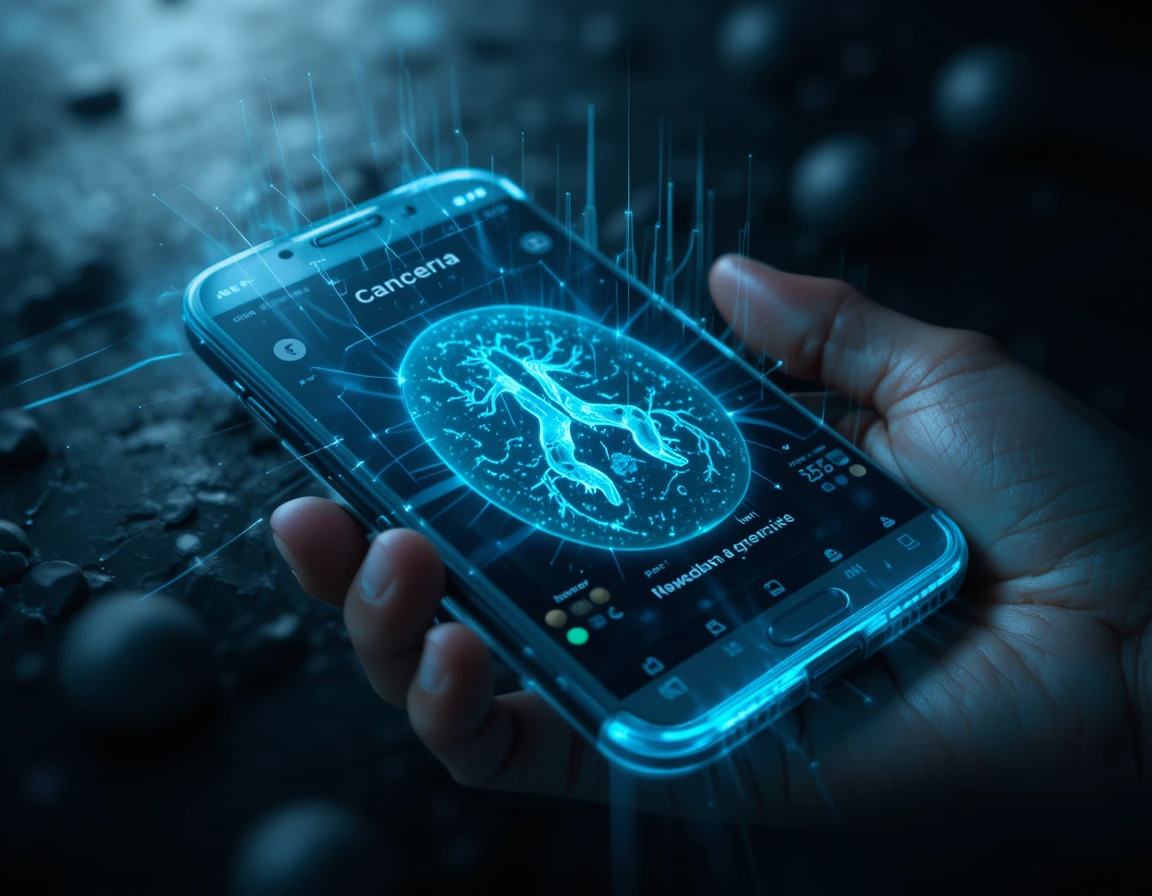
    Imagine a world where your smartphone—yes, the same device you use to scroll X or snap selfies—could detect cancer with near-perfect accuracy before your doctor even gets a chance. It sounds like science fiction, but recent breakthroughs in generative AI are turning this into a chilling reality. Smartphone cancer detection is no longer a distant dream; it’s a looming possibility that could redefine healthcare as we know it. But here’s the kicker: while the promise of early cancer detection is thrilling, the implications are downright terrifying. From privacy nightmares to the erosion of human expertise, this tech could flip our lives upside down in ways we’re not ready for. Let’s dive into why smartphone cancer detection might be the Pandora’s box we didn’t see coming.

    The Rise of Smartphone Cancer Detection

    The idea of smartphone cancer detection hinges on generative AI—technology that can create, analyze, and predict with uncanny precision. Recent buzz on X and beyond points to a new AI model boasting near-perfect cancer detection capabilities. Picture this: a simple app on your phone, paired with a camera or sensor, scans your skin, breath, or even a blood sample you prick at home. The AI crunches the data, spots patterns invisible to the human eye, and delivers a verdict: “You’re at risk.” No waiting rooms, no white coats—just you and your device.

    "Person anxiously using smartphone cancer detection app, with shadowy corporate figures hinting at privacy threats."

    This isn’t entirely hypothetical. AI models are already being trained on vast datasets—medical imaging, genomic sequences, even lifestyle metrics pulled from wearables. Add the smartphone’s ubiquity (over 6 billion users worldwide) and its growing tech—high-res cameras, infrared sensors, and processing power—and you’ve got a portable diagnostic tool. Companies like Google and Apple have dipped their toes into health tech with apps like Google Fit and Apple Health. It’s not a stretch to imagine them integrating smartphone cancer detection next. The tech is here; it’s just waiting to be unleashed.

    The Promise: A Healthcare Revolution

    On the surface, smartphone cancer detection sounds like a godsend. Early detection is the holy grail of cancer treatment—catch it before it spreads, and survival rates skyrocket. The American Cancer Society notes that 5-year survival for localized breast cancer is 99%, but it drops to 31% once it metastasizes. If your phone could flag a mole or a cough as cancerous months before symptoms, it could save millions of lives. Rural areas, where doctors are scarce, could benefit most—your phone becomes the first line of defense.

    Cost is another win. Traditional diagnostics—biopsies, MRIs, lab tests—rack up bills fast. Smartphone cancer detection could slash those expenses, making healthcare accessible to the masses. Imagine a $5 app subscription replacing a $500 scan. For developing nations, this could be a game-changer, leveling the playing field against a disease that kills over 10 million people yearly, per the WHO.

    The Terrifying Flip Side: Privacy at Stake

    But here’s where it gets creepy. Smartphone cancer detection means your phone knows more about your body than you do. Every scan, every data point—it’s all stored somewhere. Who owns it? You? The app developer? The cloud provider? Health data is gold to corporations—insurance companies could jack up premiums based on your risk profile, or advertisers could target you with “miracle cures.” A 2023 study by the University of Cambridge found 87% of health apps share data with third parties. Now imagine that data includes your cancer risk.

    Worse, what if it’s hacked? Cyberattacks on healthcare systems are up 300% since 2019, per the U.S. Department of Health. A breach of smartphone cancer detection data wouldn’t just leak your email—it could expose your most intimate vulnerabilities. Picture a ransomware demand: “Pay up, or we tell the world you’re at risk.” Privacy isn’t just compromised; it’s obliterated.

    The Erosion of Human Expertise

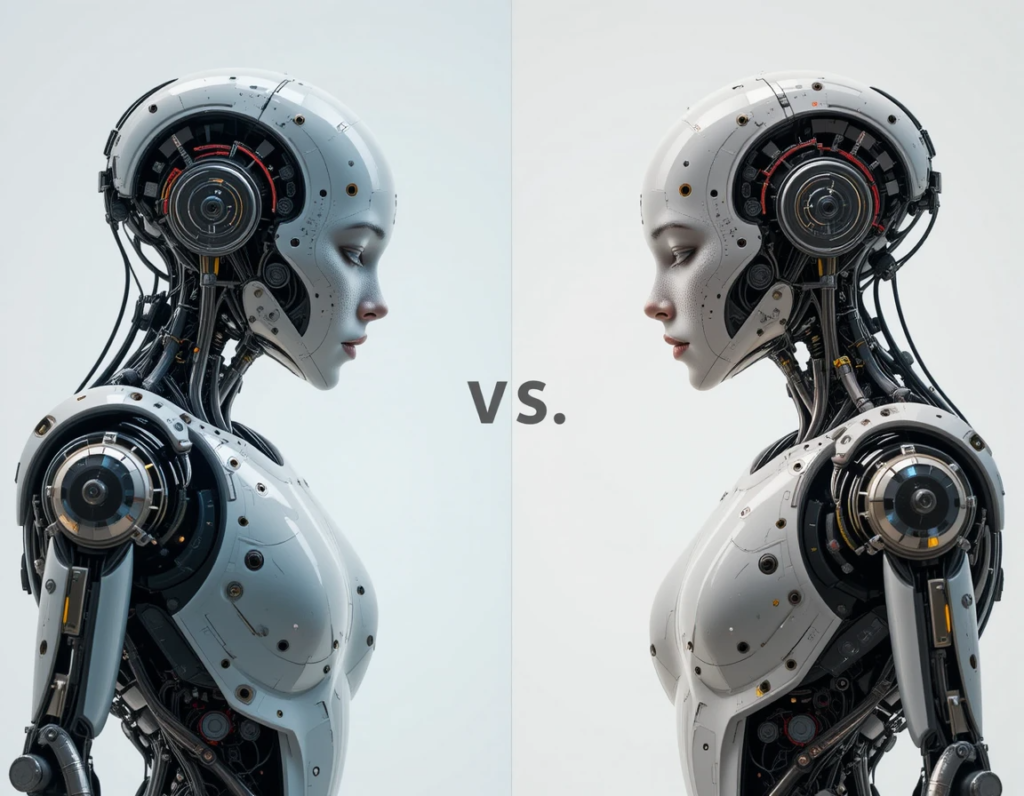
    Then there’s the doctor problem. If smartphone cancer detection becomes the norm, what happens to physicians? Generative AI’s precision could outstrip human diagnosticians, reducing doctors to mere overseers—or sidelining them entirely. A 2022 Stanford study showed AI outperforming radiologists in spotting lung cancer on X-rays. Scale that to smartphones, and the stethoscope might become a museum piece.

    "Split image contrasting a doctor with a stethoscope and a smartphone cancer detection alert, highlighting the human vs. AI divide."

    This isn’t just about jobs; it’s about trust. Humans bring empathy, intuition, and context—things AI can’t fake (yet). Your phone might say “cancer,” but it won’t hold your hand or explain the odds. Over-reliance on smartphone cancer detection could turn patients into data points, stripping healthcare of its human soul. And what if the AI’s wrong? False positives could spark panic; false negatives could kill. Doctors catch nuance; algorithms chase patterns.

    The Pharmaceutical Fallout

    Here’s an unexpected twist: smartphone cancer detection could tank Big Pharma. If cancer’s caught early, the need for expensive, late-stage treatments—chemo, radiation, blockbuster drugs—plummets. A 2024 report by McKinsey pegs the global oncology market at $200 billion. Slash diagnoses at stage 3 or 4, and that shrinks fast. Prevention and early intervention—think lifestyle apps or cheap generics—could dominate instead.

    Pharma won’t go quietly. They might lobby against smartphone cancer detection, arguing it’s unreliable, or pivot to controlling the tech themselves. Imagine Pfizer owning the app that flags your risk—then selling you their preemptive drug. The power dynamic shifts from doctors to corporations, and your phone becomes their Trojan horse.

    The Social Chaos

    Zoom out, and the societal ripples are wild. Smartphone cancer detection could spark a hypochondriac epidemic—everyone scanning daily, obsessing over every ping. Mental health could tank as “at risk” becomes the new normal. X posts already show people freaking out over fitness tracker glitches; amplify that with cancer stakes.

    Inequality’s another beast. Wealthy nations might roll out smartphone cancer detection seamlessly, while poorer ones lag, widening health gaps. And within societies, who gets the premium app? The free version might miss rare cancers, leaving low-income users exposed. Tech bros might tout “democratization,” but the reality could be a new caste system—health determined by your phone plan.

    The Ethics of Control

    Finally, there’s the existential question: who controls this power? Governments could mandate smartphone cancer detection, turning your device into a surveillance tool. China’s social credit system already tracks behavior; add health data, and dissenters might be flagged as “unhealthy” risks. In democracies, regulators might botch oversight, letting tech giants run wild. Either way, your phone stops being yours—it’s a leash.

    And what about consent? Kids with smartphones could scan themselves—or others—without understanding the stakes. Parents might monitor teens, employers might screen workers. Smartphone cancer detection blurs the line between empowerment and intrusion, and we’re not ready for the fallout.

    Conclusion

    Smartphone cancer detection is a double-edged sword—life-saving potential wrapped in a nightmare of privacy, power, and human cost. It could catch cancer before your doctor, yes, but at what price? Your data, your trust, your autonomy—all could be collateral damage. This isn’t just tech evolution; it’s a societal earthquake, and we’re standing on the fault line. The future’s rushing at us, and it’s terrifyingly unclear if we’ll master it—or if it’ll master us.

    What do you think—would you trust your phone to spot cancer, or is this a step too far? Drop your thoughts below and join the conversation. Let’s figure out this brave new world together.

  • Revolutionizing Humanity: The Power of Agentic Systems Unleashed

    Revolutionizing Humanity: The Power of Agentic Systems Unleashed

    In a world where technology is advancing at an unprecedented rate, agentic systems are poised to revolutionize humanity. These intelligent systems have the capability to anticipate needs, make decisions autonomously, and collaborate with other agents and humans. As we delve deeper into the realm of agentic systems, let’s explore their potential to transform industries, impact society, and shape the future of work.


    Understanding Agentic Systems


    Agentic systems are not your run-of-the-mill AI. They possess autonomy, proactivity, reactivity, and social capabilities, setting them apart from traditional rule-based AI. These systems can think, act, and communicate like smart collaborators, rather than passive tools. Their key components – sensors, decision-making engines, actuators, and knowledge bases – work in unison to help them achieve their goals efficiently.
    Agentic Systems vs. Traditional AI: A Paradigm Shift
    Unlike traditional AI, which follows commands, agentic systems can anticipate needs and take actions on behalf of users. For instance, a self-driving car doesn’t just react to steering but plans routes and avoids accidents independently. This adaptability and learning capability give agentic systems an edge in handling complex tasks and situations.


    The Transformative Potential Across Industries


    Agentic systems hold promise in various industries, including healthcare, finance, manufacturing, and education. In healthcare, these systems can provide personalized care and early detection of health issues. In finance, they can analyze market trends, automate compliance tasks, and offer personalized financial advice. In manufacturing, agentic systems can streamline processes, enhance productivity, and optimize supply chains. And in education, they can create personalized learning experiences and offer automated tutoring.

    Challenges and Ethical Considerations

    While agentic systems offer great potential, they come with ethical considerations and challenges. Ensuring fairness, addressing bias, dealing with job displacement, and enhancing security are some of the key areas that need attention. Transparency, accountability, and ethical guidelines are crucial to prevent misuse and ensure that the benefits of these systems are shared equitably.


    Building and Implementing Agentic Systems

    Building an agentic system may seem daunting, but with the right tools and best practices, it can be achieved. Technologies like Python, TensorFlow, and PyTorch can help in development, while collecting and evaluating data, and overcoming implementation challenges gradually are essential steps in the process. By starting small and iterating over time, one can build an effective and efficient agentic system.

    The Future of Agentic Systems: A Glimpse into Tomorrow

    The future of agentic systems is bright, with the potential for even greater intelligence and capabilities. The convergence of agentic systems with other emerging technologies like blockchain and IoT opens up new possibilities for innovation and collaboration. Human-agent collaboration, where humans and agentic systems work symbiotically, could lead to incredible advancements in governance, problem-solving, and societal development.

    In conclusion,

    agentic systems have the power to transform humanity by increasing efficiency, driving innovation, and solving complex problems. Embracing the future of agentic systems requires a proactive approach to address ethical challenges and ensure responsible use. The journey towards a revolutionized society powered by agentic systems has begun, and the possibilities are limitless.

  • Politicians Are Using AI Against You – Here’s Proof!

    Politicians Are Using AI Against You – Here’s Proof!

    Imagine seeing a video of your favorite politician saying something outrageous. What if that video wasn’t real? This isn’t some far-off future; it’s happening now. Artificial intelligence has become a powerful tool in shaping public opinion, and it’s being used in ways that threaten democracy itself.

    Recent examples, like a fake video of a presidential candidate created with generative AI ahead of the 2024 election, show how dangerous this can be. Experts like Thomas Scanlon and Randall Trzeciak warn that deepfakes and AI-generated misinformation could sway election outcomes and erode trust in the political process.

    These manipulated videos, known as deepfakes, are so realistic that they can fool even the most discerning eye. They allow politicians to spread false narratives, making it seem like their opponents are saying or doing things they never did. This kind of misinformation can have serious consequences, influencing voters’ decisions and undermining the integrity of elections.

    As we approach the next election cycle, it’s crucial to stay vigilant. The line between fact and fiction is blurring, and the stakes have never been higher. By understanding how these technologies work and being cautious about the information we consume, we can protect the heart of our democracy.

    Stay informed, verify sources, and together, we can safeguard our democratic processes from the growing threat of AI-driven manipulation.

    Overview of AI in Political Campaigns

    Modern political campaigns have embraced technology like never before. AI tools are now central to how candidates engage with voters and shape their messages. From crafting tailored content to analyzing voter behavior, these systems have revolutionized the political landscape.

    The Emergence of AI in Politics

    What started as basic photo-editing tools has evolved into sophisticated generative AI. Today, platforms like social media and generative systems enable rapid creation of politically charged content. For instance, ChatGPT can draft speeches, while deepfake technology creates realistic videos, blurring the line between reality and fiction.

    Understanding Generative AI Tools

    Generative AI uses complex algorithms to produce realistic media. These tools can create convincing videos or audio clips, making it hard to distinguish fact from fiction. Institutions like Heinz College highlight how such technologies can be misused on social media, spreading misinformation quickly.

    The transition from traditional image manipulation to automated, algorithm-driven content creation marks a significant shift. This evolution raises concerns about the integrity of political discourse and the potential for manipulation.

    Politicians Are Using AI Against You – Here’s the Proof!

    Imagine a world where a video of your favorite politician saying something shocking isn’t real. This isn’t science fiction—it’s our reality now. Deepfakes, powered by AI-generated content, are reshaping political landscapes by spreading false information at an alarming rate.

    A recent example is a fabricated video of a presidential candidate created with generative AI ahead of the 2024 election. This deepfake aimed to mislead voters by presenting the candidate in a false light. Similarly, manipulated speeches using generative AI systems have further blurred the lines between reality and fiction.

    Aspect Details
    Definition Deepfakes are AI-generated videos that manipulate audio or video content.
    Example Fabricated video of a presidential candidate.
    Impact Spreads false information, influencing voter decisions.
    Creation Uses complex algorithms to produce realistic media.

    These technologies allow for rapid creation and sharing of deceptive content, making it harder to distinguish fact from fiction. As we approach the next election, it’s crucial to recognize and verify AI-generated content to protect our democracy.

    The Rise of AI-Powered Propaganda

    AI-powered propaganda is reshaping how political messages are spread. By leveraging advanced algorithms, political campaigns can craft tailored narratives that reach specific audiences with precision. This shift has made it easier to disseminate information quickly and broadly.

    Deepfakes and Synthetic Media

    Deepfakes are a prime example of synthetic media. They manipulate images and audio to create convincing but false content. For instance, a deepfake might show a public figure making statements they never actually made. These creations are so realistic that they can easily deceive even the most discerning viewers.

    Effects on Public Opinion and Trust

    The impact of deepfakes and synthetic media on public trust is significant. When false information spreads, it can erode confidence in institutions and leaders. Recent incidents have shown how manipulated media can sway public opinion, leading to confusion and mistrust in the political process.

    Coordinated groups can amplify these effects, using deepfakes to spread disinformation on a large scale. This poses a significant risk to the integrity of elections and democratic systems. As these technologies evolve, the challenge of identifying and countering false information becomes increasingly complex.

    Identifying AI-Generated Content

    As technology advances, distinguishing between real and AI-generated content is becoming increasingly challenging. However, with the right knowledge, you can protect yourself from misinformation.

    Recognizing Deepfake Indicators

    Experts highlight several red flags that may indicate a deepfake:

    Indicator Details
    Jump Cuts Sudden, unnatural transitions in the video.
    Lighting Inconsistencies Lighting that doesn’t match the surroundings.
    Mismatched Reactions Facial expressions that don’t align with the audio.
    Unnatural Movements Stiff or robotic body language.

    Best Practices for Verification

    To verify the authenticity of political media, follow these steps:

    • Check the source by looking for trusted watermarks or official channels.
    • Use fact-checking websites to verify the content’s legitimacy.
    • Examine user comments for others’ observations about the media.

    Stay vigilant, especially during voting periods, and report suspicious content to help curb misinformation.

    AI-generated content example

    Legislative and Regulatory Responses

    Governments are taking action to address the misuse of AI in politics. States and federal agencies are introducing new laws and regulations to protect voters and ensure fair campaigns.

    State-Level Laws and Initiatives

    Several states have introduced legislation to combat AI-driven misinformation. For example, Pennsylvania proposed a bill requiring AI-generated political content to be clearly labeled. This law aims to prevent voters from being misled by deepfakes or synthetic media.

    California has taken a different approach, focusing on transparency in political advertising. A new law mandates that any campaign using AI to generate content must disclose its use publicly. These state-level efforts show a growing commitment to protecting democratic processes.

    Challenges in Federal Regulation

    While states are making progress, federal regulation faces significant hurdles. The rapid evolution of AI technology makes it difficult for laws to keep up. Experts warn that overly broad regulations could stifle innovation while failing to address the root issues.

    “The federal government must balance innovation with regulation,” says Dr. Emily Carter, a legal expert on technology. “It’s a complex issue that requires careful consideration to avoid unintended consequences.”

    Despite these challenges, there is a pressing need for federal action. Without a coordinated effort, the risks posed by AI in politics will continue to grow. By learning from state initiatives and engaging in bipartisan discussions, lawmakers can create effective solutions that protect voters while promoting innovation.

    How AI is Shaping Election Strategies

    Modern political campaigns are increasingly turning to AI to refine their strategies and connect with voters more effectively. This shift marks a new era in how elections are won and lost.

    Innovative Campaign Tactics

    AI tools are being used to craft hyper-personalized messages, allowing campaigns to target specific voter groups with precision. For instance, AI analyzes voter data to create tailored ads that resonate deeply with individual preferences. This approach has proven effective in driving engagement and support.

    Risks of Tailor-Made Misinformation

    While AI offers innovative strategies, it also poses significant risks. The ability to create customized messages can be exploited to spread misinformation. On election day, false narratives tailored to specific demographics can influence voter decisions, undermining the electoral process.

    AI in election strategies

    As we move through the election year, the real-time adjustment of campaign messages using AI becomes more prevalent. This dynamic approach allows campaigns to respond swiftly to trends and issues, enhancing their agility in a fast-paced political environment.

    Social Media Platforms and AI Misinformation

    Social media platforms have become central to how information spreads. However, they also face challenges in controlling AI-generated misinformation. Major companies are now taking steps to address this issue.

    Platform Policies and Digital Accountability

    Companies like Meta, X, TikTok, and Google are introducing policies to tackle AI-driven misinformation. Meta uses digital credentials to label AI-generated content, helping users identify manipulated media. X has implemented a system to flag deepfakes, reducing their spread. TikTok employs content labeling to alert users about synthetic media, while Google focuses on removing election-related misinformation through advanced detection tools.

    Company Initiative
    Meta Digital credentials for AI content
    X Flagging deepfakes
    TikTok Content labeling
    Google Advanced detection tools

    User Responsibilities in the Age of AI

    Users play a crucial role in managing AI misinformation. They should verify information through trusted sources and fact-checking websites. Examining user comments can also provide insights. Being cautious and responsible when sharing content helps prevent the spread of false information.

    • Check sources for trusted watermarks or official channels.
    • Use fact-checking websites to verify content legitimacy.
    • Look at user comments for others’ observations.

    Conclusion

    As we’ve explored, the misuse of advanced algorithms in politics poses a significant threat to global democracy. Deepfakes and manipulated media, created by sophisticated systems, can spread false information quickly, influencing elections around the world. Every person has a responsibility to verify the content they consume online, ensuring they’re not misled by deceptive material.

    The challenges posed by these technologies are not limited to one country. From the United States to nations around the world, the impact of AI-driven misinformation is evident. It’s crucial for policymakers, tech companies, and individuals to collaborate, restoring trust in our information ecosystem. By staying informed and proactive, we can address these challenges head-on.

    Take the sign to educate yourself about AI’s role in politics. Together, we can create a more transparent and accountable digital landscape, safeguarding the integrity of elections worldwide.

  • “The Shocking Truth: Why Your Retirement Savings May Not Last – And How AI Can Save You”

    “The Shocking Truth: Why Your Retirement Savings May Not Last – And How AI Can Save You”

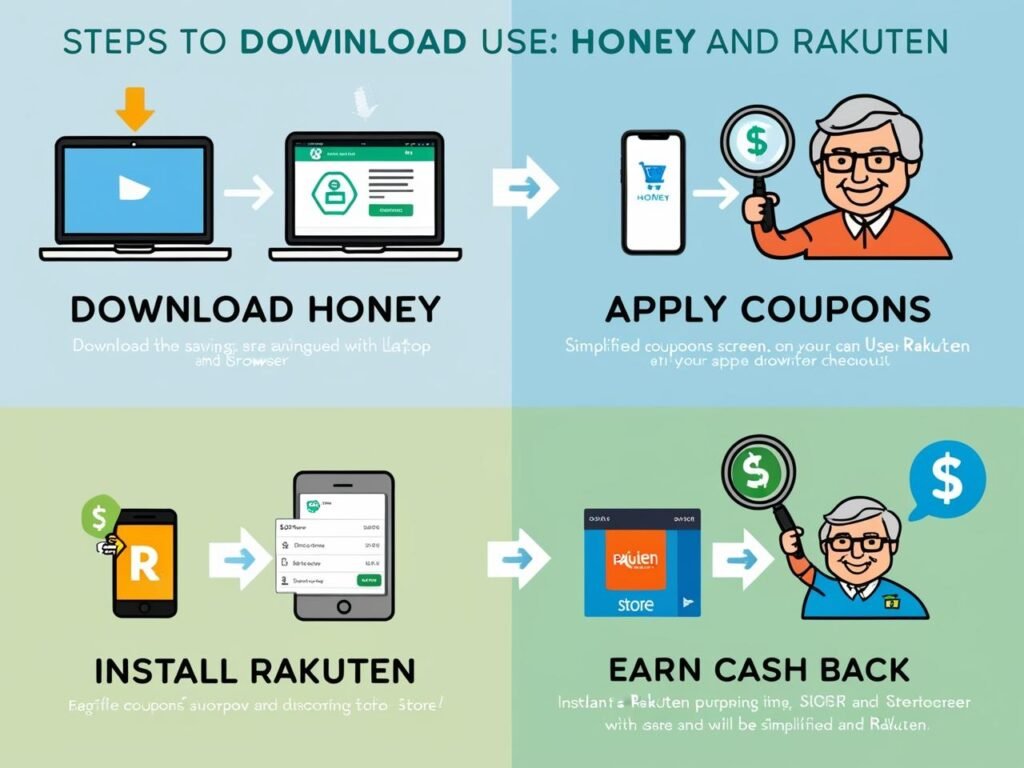
    senior-using-honey-app-laptop-savings

    The Problem…

    You’ve worked hard for decades, saving for a comfy retirement. But, what if your savings won’t last? Millions of retirees face this scary reality. Costs rise, inflation hits, medical bills surprise, and we live longer.

    But, there’s hope: AI is changing retirement planning. It helps stretch savings, avoid financial traps, and enjoy golden years without worry. Read on to learn how AI can keep your money safe!

    Why Are So Many Retirees Running Out of Money?

    1. Longer Life Expectancy

    Thanks to better healthcare, we live longer. The average retiree expects 20–30 years of life after retirement. But, most savings plans were made for shorter lives.

    2. Rising Healthcare Costs

    Medical bills can drain retirement funds. A couple retiring today might need $315,000 for healthcare, says Fidelity Investments.

    3. Inflation is Killing Your Purchasing Power

    Prices go up, and your $1 million fund doesn’t go as far. Even a 3% inflation rate can halve your spending power in 24 years.

    4. Poor Investment & Spending Decisions

    Many retirees either play it too safe or spend too much early on. This leaves them struggling later.

    close-up shot of a senior (around 65-70 years old) holding a smartphone, browsing the Rakuten app. The screen shows a "Cash Back Earned: $10" notification from a recent Walmart purchase, with a colorful interface displaying store logos (Walmart, Macy’s). The senior’s hand is steady, with a subtle smile on their face, sitting in a comfy armchair.

    How AI Can Help You Make Your Money Last

    1. AI-Powered Budgeting & Spending Plans

    AI tools like Empower, YNAB, and Mint track spending and adjust budgets. They keep you on track.

    How it works:

    AI analyzes your spending and predicts savings longevity.

    It alerts you if you’re overspending.

    It offers cost-saving tips for your lifestyle.

    Try this: Connect your accounts to an AI budgeting app and save thousands yearly!

    2. AI Retirement Income Strategies

    Retirees no longer gamble with their money. AI platforms like Wealthfront, Betterment, and Schwab Intelligent Portfolios manage funds for longevity.

    What AI does:

    It adjusts your portfolio for risk and returns.

    It suggests withdrawal strategies to avoid overspending.

    It maximizes Social Security benefits.

    Pro tip: Use an AI financial advisor for a customized income plan based on market trends and your life expectancy.

    3. AI-Powered Investment Protection

    Many retirees fear market crashes. AI robo-advisors use machine learning to protect your savings.

    Best AI investment tools:

    Bloomberg Terminal AI (for market analysis).

    Wealthfront (for passive investing).

    Ellevest (for retirement-focused investing).

    Quick win: Let an AI investment platform rebalance your portfolio automatically, so you don’t worry about market swings!

    4. AI for Cost Savings & Discounts

    AI tools like Honey, Rakuten, and Capital One Shopping find discounts on everyday purchases.

    How AI saves retirees money:

    It finds the lowest prices on groceries, prescriptions, and travel.

    It detects senior discounts you might not know about!

    It helps negotiate lower bills (internet, insurance, subscriptions).

    Action step: Install an AI shopping assistant on your browser to save money on everything you buy!

    5. AI Healthcare Cost Reduction

    AI tools like GoodRx, MDLIVE, and Teladoc can cut medical costs. They offer cheaper prescriptions, virtual doctor visits, and insurance optimizations.

    Benefits:

    GoodRx AI scans every pharmacy for the lowest drug prices.

    AI-powered telemedicine apps offer doctor visits for less than in-person ones.

    Insurance AI tools help you find the best deals on policies.

    Take action: Use GoodRx or SingleCare to find cheaper prescription prices and save up to 80%!

    AI Tools That Every Retiree Should Use Today

    Category Best AI Tools for Retirees

    Budgeting & Expense Tracking YNAB, Mint, Empower

    Investment Management Betterment, Wealthfront, Schwab AI

    Healthcare Savings GoodRx, Teladoc, MDLIVE

    Shopping & Discounts Honey, Rakuten, Capital One Shopping

    Fraud Protection LifeLock, Norton AI, Experian AI

    Final Thoughts: AI is Your Retirement Lifesaver

    The world is changing fast. Retirees who use AI can save money and make their money last longer. AI helps with budgeting, investing, and saving costs.

    Don’t risk your financial future. Let AI handle it for you!

    Next Step:

    Sign up for an AI financial advisor (like Wealthfront).

    Install a budget tracker (Mint, Empower).

    Use AI to cut down on medical and shopping costs (GoodRx, Honey).

    Your retirement savings can last if you let AI manage it. If you are unsure and would like to see additional information, contact me below and I will be happy to send you my PDF guide on Using AI to save money daily for Seniors.

  • The Rise of the Machines: A Glimpse into the Future

    Artificial intelligence (AI) is no longer a futuristic fantasy; it’s woven into the fabric of our daily lives. From the moment we wake up to the moment we drift off to sleep, AI is silently working behind the scenes, anticipating our needs, and shaping our experiences. In this article, we’ll delve into some of the most fascinating AI advancements that are transforming our world and shaping the future.

    “Did you know your weather forecast might be powered by AI that sees the whole Earth?”

    This isn’t science fiction; it’s the reality of today. Spire Global, a leading provider of space-based data and analytics, has developed groundbreaking AI weather models in collaboration with NVIDIA. These models leverage the immense power of NVIDIA’s Omniverse Blueprint for Earth-2, allowing scientists to analyze vast amounts of data from satellites, weather stations, and other sources to create hyper-accurate forecasts.Imagine a world where weather predictions are so precise that farmers can anticipate droughts and floods with pinpoint accuracy, allowing them to adjust their planting schedules and protect their crops. Imagine emergency responders being alerted to impending natural disasters with enough lead time to evacuate vulnerable communities. This is the promise of AI-powered weather forecasting, and it’s a testament to the incredible potential of AI to improve our lives.

    AI-Powered Robots: Leaping into the Future”Robots are learning to jump like tiny superheroes—thanks to AI!”

    This headline might sound like something out of a comic book, but it’s a real-world example of how AI is pushing the boundaries of robotics. Scientists are using AI to teach robots the remarkable jumping abilities of springtails, tiny insects that can leap dozens of times their body length. By analyzing the intricate movements of these creatures, researchers are developing algorithms that enable robots to perform similarly impressive feats of agility and dexterity.This research has far-reaching implications, from creating robots that can navigate challenging terrains to developing prosthetics that mimic the natural movements of the human body. The ability to mimic the incredible agility of nature’s creatures is a testament to the power of AI to unlock new possibilities in robotics and revolutionize how we interact with the world around us.

    AI and Medicine: Decoding the Human Body, One Molecule at a Time”AI is decoding the secrets of your body, one molecule at a time!”

    This is the reality of personalized medicine, where AI is being used to analyze the complex interplay of molecules within the human body to develop targeted therapies for individual patients. MIT spinout ReviveMed is at the forefront of this revolution, using AI to analyze metabolites—the tiny molecules that are the building blocks of life—to identify unique patterns associated with specific diseases.Imagine a future where doctors can predict your risk of developing certain diseases before they even manifest, allowing you to take proactive steps to prevent them. Imagine treatments that are tailored to your specific genetic makeup, maximizing their effectiveness and minimizing side effects. This is the promise of AI-powered personalized medicine, and it’s a testament to the transformative power of AI to revolutionize healthcare.

    “AI and Cybersecurity: Protecting Your Digital World”

    Your online security might be getting an AI upgrade!” In today’s hyper-connected world, cybersecurity is more critical than ever. Wiz, a leading cybersecurity company, has partnered with Google Cloud to leverage the power of AI to defend against increasingly sophisticated cyberattacks. By analyzing vast amounts of data and identifying patterns in malicious activity, AI can help organizations proactively identify and mitigate threats, protecting their valuable data and systems.Imagine a world where your online activities are protected by an invisible shield, constantly monitoring for threats and responding in real-time. This is the vision of AI-powered cybersecurity, and it’s a testament to the power of AI to protect our digital world and ensure our safety and security in the face of evolving threats.

    “AI and the Future of AI: A Recursive Revolution”AI is helping to build AI!”

    This seemingly paradoxical statement highlights the remarkable self-improving nature of AI. NVIDIA’s advancements in AI data platforms and reasoning models are enabling the development of more sophisticated AI systems that can learn and adapt at an unprecedented rate. These AI systems are not only capable of solving complex problems but also of improving their own algorithms and architectures, leading to a virtuous cycle of innovation.This recursive process of AI developing AI has the potential to unlock unimaginable breakthroughs in fields ranging from medicine and materials science to climate change and space exploration. As AI becomes increasingly sophisticated, it will continue to push the boundaries of what’s possible, leading to a future that is both exciting and unpredictable.

    The Future of AI: A Call to ActionAs we stand on the cusp of this AI revolution, it’s crucial to ask ourselves:

    What kind of future do we want to create? How can we harness the power of AI for good, while mitigating its potential risks? The answers to these questions will shape the future of humanity, and they require thoughtful consideration and collaboration among scientists, policymakers, and the public.The journey into the future of AI is one of both excitement and uncertainty. But one thing is certain: AI is transforming our world in profound ways, and its impact will only continue to grow in the years to come. As AI enthusiasts, it’s up to us to embrace this transformative technology, guide its development, and ensure that it serves the best interests of humanity.

  • Deepfakes: The Digital Mirage – Understanding the Technology and Its Implications

    "Side-by-side comparison of a real celebrity and their deepfake version."

    Deepfakes: The Digital Mirage – Understanding the Technology and Its Implications

    Imagine scrolling through your social media feed and stumbling upon a video of your favorite celebrity making an outrageous statement. Or, worse yet, a politician caught in a scandalous act just days before an election. What if it wasn’t real? What if it was a deepfake , a hyper-realistic fabrication powered by artificial intelligence (AI)?

    In today’s digital age, where information spreads faster than ever, deepfakes are becoming a growing concern. These AI-generated videos or images can convincingly depict people saying or doing things they never actually did. And while the technology behind them is fascinating, its implications are alarming. This article dives into the world of deepfakes, exploring how they work, their potential for both good and harm, and what they mean for our society.


    What Exactly Are Deepfakes?

    At their core, deepfakes are like digital illusions—convincing yet entirely fabricated. They use advanced computer programs to swap faces, alter expressions, or manipulate entire scenes in videos. The goal? To create something that looks authentic but is completely false. But how does this sleight-of-hand work?

    The Technology Behind Deepfakes

    The magic of deepfakes lies in artificial intelligence (AI) and machine learning (ML) . These technologies enable computers to analyze vast amounts of data—images, videos, and audio—and replicate patterns with astonishing accuracy. One of the most popular methods involves Generative Adversarial Networks (GANs) , which function like two dueling artists.

    "Diagram showing how GANs generate realistic deepfakes."

    Here’s how GANs work:

    • Generator : One neural network creates the fake content.
    • Discriminator : Another neural network tries to detect flaws in the generated content. This constant tug-of-war refines the output until the fake becomes almost indistinguishable from reality.

    How Are Deepfakes Created?

    Creating a deepfake might sound complicated, but advancements in software have made it alarmingly accessible. Here’s a step-by-step breakdown:

    1. Data Collection : Gather extensive footage of the target individual. More data means better results.
    2. Software Tools : Use specialized tools like DeepFaceLab , FaceSwap , or Avatarify . These platforms leverage AI algorithms to map facial features and movements.
    3. Training the Model : Feed the AI thousands of images and videos to teach it how the person looks and behaves.
    4. Rendering : Swap the target face onto another body in a video, adjusting lighting, angles, and expressions for realism.

    With user-friendly interfaces and pre-trained models available online, even amateurs can now create convincing deepfakes.


    The Spectrum of Deepfake Applications

    Like any powerful tool, deepfakes have dual-use potential—they can be harnessed for creativity or exploited for malicious purposes.

    Positive Uses of Deepfakes

    Believe it or not, deepfakes aren’t all doom and gloom. In fact, they hold immense creative potential:

    • Entertainment Industry : Filmmakers use deepfakes to de-age actors or resurrect deceased stars for new roles. Remember seeing a younger version of Robert Downey Jr. or Carrie Fisher in recent movies?
    • Historical Revival : Documentaries can bring historical figures back to life, offering audiences a chance to “meet” icons like Abraham Lincoln or Mahatma Gandhi.
    • Artistic Expression : Artists experiment with deepfakes to push boundaries in storytelling and visual art.

    Malicious Uses of Deepfakes

    "Detecting deepfakes requires careful scrutiny and advanced tools."

    Unfortunately, the darker side of deepfakes poses significant threats:

    • Political Manipulation : Fake videos of politicians could sway public opinion or disrupt elections. A well-timed deepfake could spark chaos during critical moments.
    • Financial Fraud : Scammers can impersonate CEOs or executives to authorize fraudulent transactions.
    • Personal Harm : Revenge porn and character assassination are disturbing realities. Victims often struggle to prove their innocence once a deepfake goes viral.

    Why Deepfakes Are a Growing Concern

    As deepfake technology advances, so do its risks. The line between truth and fiction is blurring, raising serious societal concerns.

    Eroding Trust in Media and Institutions

    When anyone can fabricate evidence, trust in media outlets, governments, and institutions erodes. People may dismiss legitimate news as fake, leading to widespread skepticism and confusion. This erosion of trust paves the way for conspiracy theories and misinformation campaigns.

    Impact on Politics and Elections

    Imagine a deepfake video surfacing hours before polling begins, falsely showing a candidate engaging in corruption. Such manipulations could influence voter behavior and undermine democratic processes. Even after debunking, the damage might already be done.

    Personal and Reputational Damage

    For individuals, the stakes are equally high. A fabricated video can ruin careers, strain relationships, and cause emotional distress. Proving innocence against such convincing fakes is challenging, especially when legal frameworks lag behind technological innovation.


    Combating the Deepfake Threat

    Addressing the deepfake dilemma requires a multi-faceted approach involving technology, legislation, and education.

    Detection Methods and Technologies

    Researchers are developing sophisticated tools to identify deepfakes. Techniques include analyzing inconsistencies in:

    • Facial Movements : Blink rates, lip-sync mismatches, and unnatural expressions.
    • Lighting and Shadows : Inconsistent lighting patterns can betray a fake.
    • Audio-Visual Sync : Mismatches between voice and mouth movements.

    However, as detection methods improve, so do deepfake creators’ techniques, creating an ongoing arms race.

    Legislation and Regulation

    Governments worldwide are grappling with how to regulate deepfakes without stifling free speech. Some countries have enacted laws criminalizing malicious deepfakes, while others emphasize collaboration across borders to combat global misuse.

    Media Literacy and Critical Thinking

    Empowering individuals to spot deepfakes is crucial. Encourage habits like:

    • Verifying sources before sharing content.
    • Questioning sensational claims.
    • Using reverse image search tools to check authenticity.

    Education initiatives targeting schools and workplaces can foster a culture of critical thinking and skepticism.


    Conclusion: Can We Outsmart AI?

    Deepfakes represent a double-edged sword—one capable of enhancing creativity and innovation while simultaneously threatening trust, integrity, and security. As AI continues to evolve, staying ahead of its misuse will require vigilance, ingenuity, and collective effort.

    The battle against deepfakes isn’t just about technology; it’s about preserving truth in a post-truth era. By investing in detection tools, enacting smart regulations, and promoting media literacy, we can mitigate the risks posed by this transformative yet treacherous technology.

    So, the next time you see a shocking video online, pause and ask yourself: Is this real—or is it just another digital mirage?

  • Generative AI: Latest Industry Developments, Startup Investments & Ethical AI Debates

    Futuristic city with AI neural network overlay

    Hey AI fans! Get ready for a wild ride in the world of artificial intelligence. Every day, we see new research, exciting industry moves, and important ethical talks. Let’s explore the latest AI news that’s making waves.

    First off, let’s talk about those dazzling research breakthroughs.

    Multimodal Marvels Take Center Stage:

    AI used to just deal with text or images. Now, it’s all about understanding and creating content in many ways. Researchers are working hard to make AI smarter and more capable.

    For example, papers on arXiv are sharing new ideas in AI. These ideas are making AI systems better at creating images, understanding audio and video, and learning quickly. This is all thanks to fast progress in AI research.

    AI is getting better at mixing different types of data. This is opening up new possibilities, like smarter virtual assistants and better content tools. The future of AI looks very exciting, with no signs of slowing down.

    Now, let’s look at the latest in industry developments.

    Generative AI: The Startup Darling:

    Investors are pouring money into AI startups like never before. These startups are working on many projects, from creating content to developing software. The number of funding rounds and new launches shows how excited the market is.

    Platforms like Midjourney and Leonardo AI are always improving. They’re making their tools easier to use and more powerful. This is changing the creative world, making AI a key tool for artists and creators.

    People interacting with holographic AI interfaces

    AI Tools Expanding in Creative Realms:

    The creative world is changing fast. More people are using these new AI tools. These tools are getting easier to use, making better content faster.

    But with great power comes great responsibility. Let’s talk about the ethical debates and policy changes in AI.

    Navigating the Regulatory Maze:

    Governments and groups are trying to figure out how to regulate AI. They’re worried about bias, privacy, and safety. The need for clear rules is urgent, as AI becomes more part of our lives.

    AI-generated misinformation is a big concern, like during elections. Experts say we need better ways to spot and stop it. The fast spread of deepfakes and other AI content is a threat to our information world. We need strong defenses against these dangers.

    The Misinformation Monster:

    Information can spread fast, and it’s a big problem. We need better tools to detect it, education for everyone, and social platforms to act responsibly.

    Now, let’s hear from leading AI experts.

    Championing Responsible AI Development:

    Top researchers and ethicists are focusing on responsible AI. They want AI to be transparent, accountable, and fair. Google AI and OpenAI are leading the way with articles on ethical AI. The goal is to create AI that’s powerful and good for society.

    AI is changing fast, and we need to think about its impact on society. Experts say we should make AI with everyone’s input. This way, AI will match our values and ethics.

    The AI world is moving quickly. It’s our job to guide it for the good of all. Stay alert, because the AI revolution is just beginning!

  • AI News Roundup: March 13, 2025 – Breakthroughs, Industry Shifts, and Creative Frontiers

    A futuristic government office where AI robots and human apprentices collaborate, surrounded by holographic screens displaying data and policies, in a sleek, modern design with a British flag subtly in the background." Alt Text: "Futuristic UK government office with AI robots and human apprentices working together amid holographic screens

    Welcome, tech enthusiasts, to your daily dose of AI news! It’s March 13, 2025, and AI is changing the game. From government to insurance and creative studios, AI is making a big impact. In this blog post, we’ll explore today’s top AI stories and what they mean for the future. Get ready for a deep dive into the AI world!

    AI Takes the Helm in Government: Starmer’s Bold Vision

    Headline: AI Should Replace Some Work of Civil Servants, Starmer to Announce

    The UK’s politics just got a tech boost. Prime Minister Keir Starmer plans to use AI to improve government work. He wants to save billions and modernize the workforce.

    Starmer’s idea is simple: if AI can do a job better, why waste human time? He also wants to hire 2,000 tech apprentices. This could lead to a mix of human and AI work in government.

    This move could change how governments work. It might even start a global trend. Imagine AI handling routine tasks, freeing humans for more important work. This could make the public sector more efficient.

    Stay tuned for more on this exciting development.

    Insurance Goes All-In on AI: ROI or Bust

    Headline: AI Adoption in Insurance Accelerates, But ROI Pressures Loom

    The insurance sector is embracing AI with enthusiasm. A new report shows 66% of leaders believe AI will bring a good return on investment. They’re investing in AI for efficiency and better customer service.

    Why the rush? The competition is fierce, and shareholders are impatient. AI can speed up underwriting, detect fraud, and offer personalized policies. Adoption rates are up, and spending is expected to rise in 2025.

    But there’s a catch. Executives must prove these investments are worth it. If the ROI doesn’t materialize, there could be trouble.

    This is a key moment for AI in the real world. Success in insurance could lead to AI advancements in other sectors. Imagine your car insurance adjusting automatically after a rainy day. But the pressure to deliver profit keeps this story interesting. Will AI succeed, or will the bubble burst? We’re watching closely.

    AI as the Muse: Creativity Gets a Tech Boost

    Headline: Matt Moss on AI as the Tool for Idea Expression

    Now, let’s look at AI’s impact on creativity. Matt Moss sees AI as a game-changer for artists. He believes AI can enhance individuality and sustainability in various creative fields.

    Moss thinks AI can free creators from mundane tasks. It can help with drafts, visuals, and ideas quickly. This isn’t about replacing artists; it’s about empowering them. Imagine a designer or writer working with AI to create amazing content.

    For tech lovers, AI is getting very personal. It’s not just about making things faster. It’s about unlocking new possibilities. Moss’s vision shows a future where tech and creativity blend beautifully.

    What Ties It All Together?

    Today, AI is changing everything fast. It’s reshaping government, business, and creativity. Starmer’s plan to use AI in the civil service is a big step. The insurance industry is also seeing huge growth thanks to AI.

    For tech fans, this is your playground. You can code, analyze, or create with AI. But, there are big questions. Will governments use AI fairly? Can businesses meet AI’s promises? And how will creators keep their unique touch in a world of machines?

    The Bigger Picture: What’s Next for AI?

    Artist in a digital studio using AI to create colorful abstract designs on a touchscreen, surrounded by plants."

    These changes are part of a bigger story. Governments using AI could lead to smarter cities. Insurance companies might use AI to predict life events. And AI tools could change how we tell stories and make music by 2030.

    The tech world should be excited. This isn’t just science fiction. It’s real and happening now. If you want to be part of it, learn Python or try AI art. The future belongs to those who are curious. But, we also need to think about ethics and the impact on jobs.

  • Easy AI Agent Guide: Start Building Today!

    AI agent performing it's tasks inside the belly of the beast!

    How to Build AI Agents: A Beginner’s Guide to Autonomous AI

    Imagine having tiny robots that can think and act on their own! That’s what AI agents are all about. They can automate tasks, solve tough problems, and make our lives easier. AI agents are smart computer programs. They can do tasks without constant human guidance. They’re poised to change how we work, live, and interact with technology. Get ready for a dive into the world of AI agents!

    AI adoption is projected to grow by 40% each year? Experts predict AI agents will soon be a regular part of our lives. But what exactly are these “AI agents,” and why are they so important? This guide will walk you through building your own AI agents. Don’t worry if you’re a beginner. We’ll take it slow, step by step. Let’s get started!

    Understanding AI Agents: The Core Concepts

    AI agents are computer programs that can perceive their environment. They can also make decisions and take actions to achieve specific goals. Think of them as virtual helpers that can learn and adapt. They are more than just regular AI because they can act independently.

    What Exactly is an AI Agent?

    An AI agent is a smart program that can sense its surroundings. AI agents are autonomous or semi-autonomous systems that perceive their environment, make decisions, and take actions to achieve specific goals. They leverage machine learning (ML), natural language processing (NLP), computer vision, and reinforcement learning to operate in dynamic environments. Examples include: It can then reason and take action. It’s like a robot that can see, think, and move. Regular AI might just give you information, but an AI agent does something with it.

    For example, a self-driving car is an AI agent. It uses sensors to see the road. It then uses AI to decide where to go. Finally, it controls the car to drive safely.

    Types of AI Agents

    There are many kinds of AI agents. Simple reflex agents react to what they see. Model-based agents use what they know about the world to make decisions. Goal-based agents try to reach a specific target. Utility-based agents try to be as efficient as possible. Examples include:

    Chatbots (e.g., OpenAI’s ChatGPT, Google’s Gemini)
    Autonomous systems (e.g., self-driving cars, drones)
    Recommendation engines (e.g., Netflix, Spotify)
    Robotic process automation (RPA) tools
    Personal assistants (e.g., Siri, Alexa)

    Imagine a Roomba. It’s a simple reflex agent. It bumps into something and then changes direction. A more advanced robot might have a map of the house. It would then plan the best way to clean each room. That’s a goal-based agent.

    Key Components of an AI Agent

    A futuristic robot with glowing eyes analyzing a holographic display of interconnected keywords and search terms. The robot is surrounded by floating data visualizations, including bar graphs, pie charts

    Every AI agent has key parts. These include the environment, sensors, actuators, and agent function. The environment is where the agent lives and acts. Sensors let the agent see what’s going on. Actuators let the agent do things. The agent function is the brain that decides what to do. Key Components of AI Agents :

    Perception : Sensors, data inputs (text, images, sensors).
    Decision-Making : Algorithms to process inputs and decide actions.
    Action : Execution of tasks (e.g., sending an email, controlling a robot).
    Learning : Improving via feedback (supervised, unsupervised, or reinforcement learning).
    Autonomy : Ability to operate with minimal human intervention.

    Think of a thermostat. The room is its environment. A thermometer is its sensor. The heater or AC is its actuator. The thermostat’s programming is its agent function. It uses the temperature to decide whether to turn the heater or AC on or off.

    Setting Up Your Development Environment

    To build AI agents, you need a place to work. This is your development environment. You’ll need software, libraries, and APIs. These are tools that help you write and run your code. Here are examples of places where you write, test and execute AI code:

    Anaconda – A Python distribution that includes many AI libraries pre-installed.

    Jupyter Notebook – An interactive coding environment for Python-based AI development.

    Google Colab – A cloud-based Jupyter Notebook with free GPU support.

    PyCharm – A powerful Python IDE for AI development.

    VS Code – A lightweight, highly extensible code editor.

    Choosing the Right Programming Language

    Python is a popular choice for AI agent development. It’s easy to learn and has lots of helpful libraries. Java is another option. It’s good for bigger projects.

    TensorFlow and PyTorch are great for machine learning. OpenAI Gym lets you test your agents in simulated environments. Pick a language you like and that fits your project. These are essential tools that provide foundational support for AI development:

    Docker – Used for creating containerized environments for AI deployment.

    TensorFlow – A deep learning framework developed by Google.

    PyTorch – A flexible deep learning framework by Meta, widely used for AI research.

    Scikit-learn – A library for machine learning with simple models and algorithms.

    Keras – A high-level neural network API that runs on TensorFlow.

    OpenAI Gym – A toolkit for developing and testing AI in reinforcement learning.

    Installing Necessary Libraries and APIs

    "AI performance evaluation dashboard displaying accuracy, response time, and key metrics for optimizing AI models."

    First, install Python. Then, use pip to install libraries like TensorFlow and PyTorch. You can type commands like “pip install tensorflow” in your terminal. After that, get API keys from services like OpenAI. These keys let your agent use their AI models. These libraries help AI agents perform tasks like machine learning, natural language processing, and computer vision:

    OpenCV – For computer vision and image processing.

    NumPy – For numerical computing and handling arrays.

    Pandas – For data manipulation and analysis.

    Matplotlib & Seaborn – For data visualization.

    NLTK – For natural language processing.

    SpaCy – A more efficient NLP library for AI applications.

    Setting up an IDE or Code Editor

    An IDE or code editor helps you write code. VS Code and PyCharm are popular choices. Jupyter Notebooks are great for experimenting. Pick one you like and get comfortable using it.

    Setting Up PyCharm (Best for Python & AI Development)

    Best for: Large AI projects with deep learning frameworks

    Installation

    1. Download PyCharm from JetBrains
    2. Install it and select Professional Edition (for full AI features) or Community Edition (free).

    Configuring Python & Virtual Environments

    Install required libraries using: shCopyEdit

    Open PyCharm, create a new project.

    Set up a virtual environment:

    Go to Settings > Project > Python Interpreter

    Add New Environment

    Designing Your First AI Agent: A Step-by-Step Approach

    "AI Agent performance evaluation dashboard displaying accuracy, response time, and key metrics for optimizing AI models."

    Now, let’s design your first AI agent! This involves defining the problem, outlining the environment, and implementing the logic. It seems hard, but we’ll break it down. Before coding, decide what your AI agent will do. Examples:

    • A chatbot for customer support.
    • A recommendation system for suggesting products.
    • A virtual assistant that automates tasks.

    For this guide, we’ll build a simple AI chatbot that responds to user input.

    If you want to build an AI agent without coding, there are several no-code platforms that allow you to create powerful AI assistants. Here’s a step-by-step approach:

    Codeless AI Agent Building Tools

    Here are some platforms you can use:

    Make (formerly Integromat) / Zapier – Automate AI workflows easily.

    ChatGPT Custom GPTs – Customize an AI chatbot without coding.

    Dialogflow (by Google) – Create chatbots for websites & apps.

    Landbot – A visual chatbot builder for customer service & automation.

    Bubble + OpenAI Plugin – Build AI-powered web apps without code.

    Defining the Agent’s Purpose and Goals

    What do you want your agent to do? Set clear and achievable goals. If you want to build an agent that plays a game, specify which game. If you want it to write emails, define what kinds of emails. Ask yourself: What is the AI agent supposed to do? Some examples:

    Chatbot – Answers FAQs, assists customers, or provides support.
    Personal Assistant – Helps with scheduling, reminders, or automation.
    AI Content Generator – Writes blogs, captions, or product descriptions.
    Recommendation System – Suggests movies, books, or products.
    Data Analyzer – Processes and visualizes data for decision-making.

    The clearer your goals, the easier it will be to build your agent. Start small and then add more features later. To clarify what your AI should achieve, use SMART Goals (Specific, Measurable, Achievable, Relevant, Time-bound):

    Example: AI Chatbot for Customer Support

    Specific: Automate responses to common customer questions.
    Measurable: Reduce support ticket load by 40%.
    Achievable: Train on company FAQs and support documents.
    Relevant: Improves customer service efficiency.
    Time-bound: Fully functional within 2 months.
    Example: AI-Powered Content Generator

    Specific: Generate 5 SEO-optimized blog posts weekly.
    Measurable: Maintain 85% accuracy in grammar and keyword usage.
    Achievable: Use OpenAI’s GPT API for automated content generation.
    Relevant: Helps marketers scale content creation.
    Time-bound: Ready for deployment within 1 month.

    Defining the Environment

    Where will your agent operate? Define the environment clearly. You might be able to use an API for existing environments.

    Identify the Type of Environment

    Ask: Where will the AI agent function?

    🔹 Static vs. Dynamic Environment

    • Static: The environment doesn’t change much (e.g., a rule-based chatbot).
    • Dynamic: The environment updates in real time (e.g., a self-learning AI assistant).

    🔹 Open vs. Closed Environment

    Closed: The AI works within a controlled dataset (e.g., AI for internal company knowledge).

    Open: The AI interacts with external data sources (e.g., news aggregation AI).

    For example, if you’re building a stock trading agent, use a stock market API. If you’re building a chatbot, use a messaging platform API. This lets your agent interact with the real world.

    Implementing the Agent’s Logic

    This is where you write the code that makes your agent work. Use code examples and comments to explain what’s happening.

    Here’s a simple example in Python:

    def agent_function(percept):
      if percept == "obstacle":
        return "turn_left"
      else:
        return "move_forward"
    

    This agent moves forward unless it sees an obstacle, then it turns left.

    Training and Evaluating Your AI Agent

    Once you’ve built your agent, you need to train it. Then, check how well it performs. This helps you improve your agent.

    Test & Improve Your AI Agent

    Connect the bot to an API like OpenAI’s GPT-4 for advanced responses.

    Run the script and chat with the bot.

    Improve it by adding custom responses using machine learning models. Once your AI agent works well, you can:

    Convert it into a Telegram/Discord bot.
    Embed it into a website.
    Use Flask/Django to turn it into a web app.

    Choosing a Training Method

    There are different training methods. Reinforcement learning rewards the agent for good behavior. Supervised learning teaches the agent using labeled data. Unsupervised learning lets the agent learn on its own.

    For example, you could use reinforcement learning to train an agent to play a game. You’d reward it for winning and punish it for losing. The training method you choose depends on whether you want your AI to learn from data, predefined rules, or interact with users over time.

    Supervised Learning (Train with Labeled Data)
    How it Works: AI learns from labeled examples.
    Best for: AI text generators, image recognition, fraud detection.
    Example Tools: TensorFlow, PyTorch, scikit-learn.
    Pros: High accuracy when trained on good data.
    Cons: Requires a large dataset.

    Unsupervised Learning (Train Without Labels)

    How it Works: AI finds patterns in unlabeled data.
    Best for: Market segmentation, recommendation systems.
    Example Tools: K-Means Clustering, DBSCAN, PCA.
    Pros: Identifies hidden patterns in data.
    Cons: Harder to interpret results.

    Reinforcement Learning (AI Learns from Experience)
    How it Works: AI improves by trial and error.
    Best for: Robotics, self-driving cars, gaming AI.
    Example Tools: OpenAI Gym, Deep Q-Learning.
    Pros: Can adapt and improve over time.
    Cons: Needs massive computational resources.

    Evaluating the Agent’s Performance

    How well does your agent achieve its goals? Use metrics to measure its performance. If it’s playing a game, track its score. If it’s writing emails, check for errors.

    Define Key Performance Metrics

    The right evaluation metric depends on the AI’s purpose.

    Define Key Performance Metrics
    The right evaluation metric depends on the AI’s purpose.

    For Chatbots & Conversational AI
    Accuracy – Does the AI provide correct answers?
    Response Time – How fast does the AI reply?
    User Satisfaction – Are users happy with responses? (Survey ratings)
    Intent Recognition Rate – Does it understand user intent correctly?

    Example Metric: 90%+ correct intent recognition in Dialogflow.

    Accuracy – Does the AI provide correct answers?
    Response Time – How fast does the AI reply?
    User Satisfaction – Are users happy with responses? (Survey ratings)
    Intent Recognition Rate – Does it understand user intent correctly?

    Example Metric: 90%+ correct intent recognition in Dialogflow.

    Use this data to improve your agent. Adjust its logic or training method. Keep testing and refining until it performs well.

    Real-World Applications of AI Agents

    AI agents are already changing the world! They’re being used in many areas to automate processes and make improvements. Let’s explore some of these.

    AI Agents in Customer Service

    Chatbots are AI agents that help customers. They answer questions, solve problems, and provide support. They can work 24/7 and handle many customers at once. This makes customer service more efficient and personalized.

    AI Agents in Healthcare

    AI agents can help doctors diagnose diseases. They also create personalized treatment plans. They automate tasks, which frees up doctors to focus on patients. This can lead to better healthcare and faster treatment.

    AI Agents in Finance

    AI agents can detect fraud, manage risk, and trade stocks. They can analyze large amounts of data and make quick decisions. This helps financial institutions make better decisions and protect their assets.

    Conclusion

    Building AI agents is exciting! You can create programs that think, learn, and act on their own. This guide gave you the steps to get started. Remember to define your goals, set up your environment, and train your agent.

    AI agents have great potential. Keep exploring, learning, and building. The future of AI is in your hands! To continue learning, check out online courses, tutorials, and research papers. Good luck on your AI journey!

  • AI News Summary March 12, 2025

    AI News Summary March 12, 2025

    The Women Pioneering AI: Breaking Barriers and Shaping the Future

    Women are leading the way in artificial intelligence, making big changes. They are pushing the industry forward with their work. This article looks at their achievements and why diversity in AI is key for a better future. The stories of Irene Solaiman, Eva Maydell, and Lee Tiedrich remind us that behind every technological leap are dedicated individuals striving to make a difference. Their achievements not only advance AI but also inspire future generations to pursue careers in STEM fields.

    Industry Developments: Hugging Face’s Bold Leap Into Autonomous Vehicles

    A sleek self-driving car navigating a bustling cityscape, with glowing indicators highlighting its sensors and cameras.

    Hugging Face is making big moves in AI, including in self-driving cars. They’ve added training data for these cars. This move shows Hugging Face’s big role in changing how we travel.

    Autonomous cars need smart algorithms to work well. Hugging Face’s data helps make these systems better. This means we’re getting closer to cars that drive safely and efficiently on their own.

    But, using AI in cars raises big questions. How do we make sure these systems act like humans? What safety measures do we need? These questions need answers from many experts.

    Ethical Debates & Policy Changes: Navigating the EU AI Act

    The EU AI Act is a big step in regulating AI. It’s a softer approach than before, focusing on ethical use. This shows a smart balance between innovation and safety.

    The Act has different rules for different AI uses. High-risk areas get strict checks, while low-risk ones get more freedom. This lets innovation grow without risking safety.

    Eva Maydell’s work on the Act is important. She brings different views to the table. Her efforts help make sure the Act works for everyone.

    Expert Insights: Will AI Replace Programmers?

    A developer working alongside an AI assistant projected onto a dual-monitor setup, symbolizing human-AI collaboration.

    IBM’s CEO doubts AI will replace programmers soon. He says humans are still needed for complex tasks. AI can help with some tasks, but not all.

    AI is meant to help, not replace, humans. It can make tasks easier, letting people focus on more important things. For example, AI can help with coding, freeing up time for other tasks.

    Conclusion: Building a Better Tomorrow with AI

    Irene Solaiman, Eva Maydell, and Lee Tiedrich are changing AI. Their work inspires others to get into STEM. It also shows how innovation and rules work together.

    AI can do a lot for us, like making travel safer and fairer. By celebrating diversity and working together, we can make AI better for everyone.

    Call-to-Action: Ready to dive deeper into the world of AI? Share your thoughts below or connect with fellow enthusiasts on social media using #AIInnovation2025!